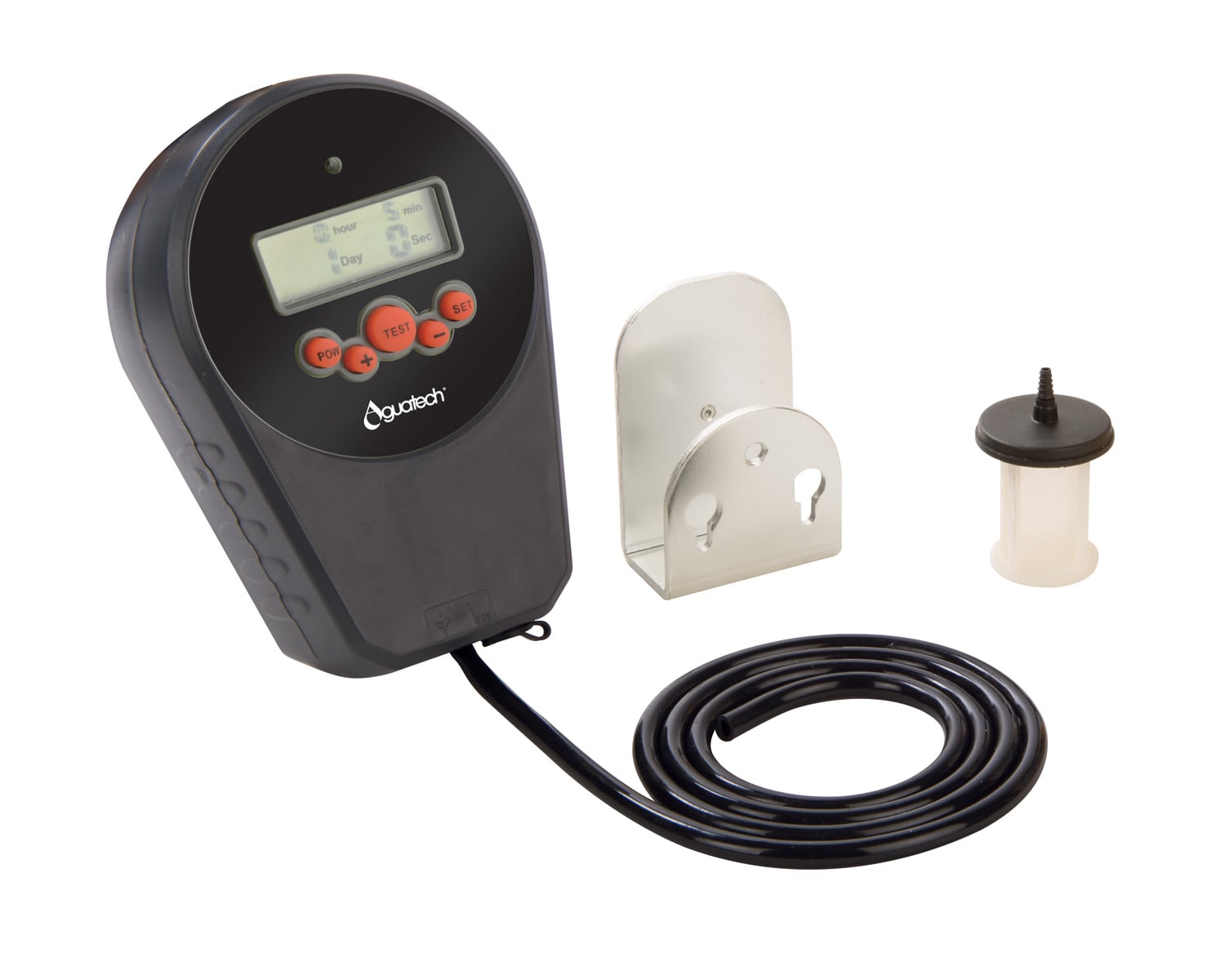
Solar Drip Irrigation Systems

solar drip irrigation

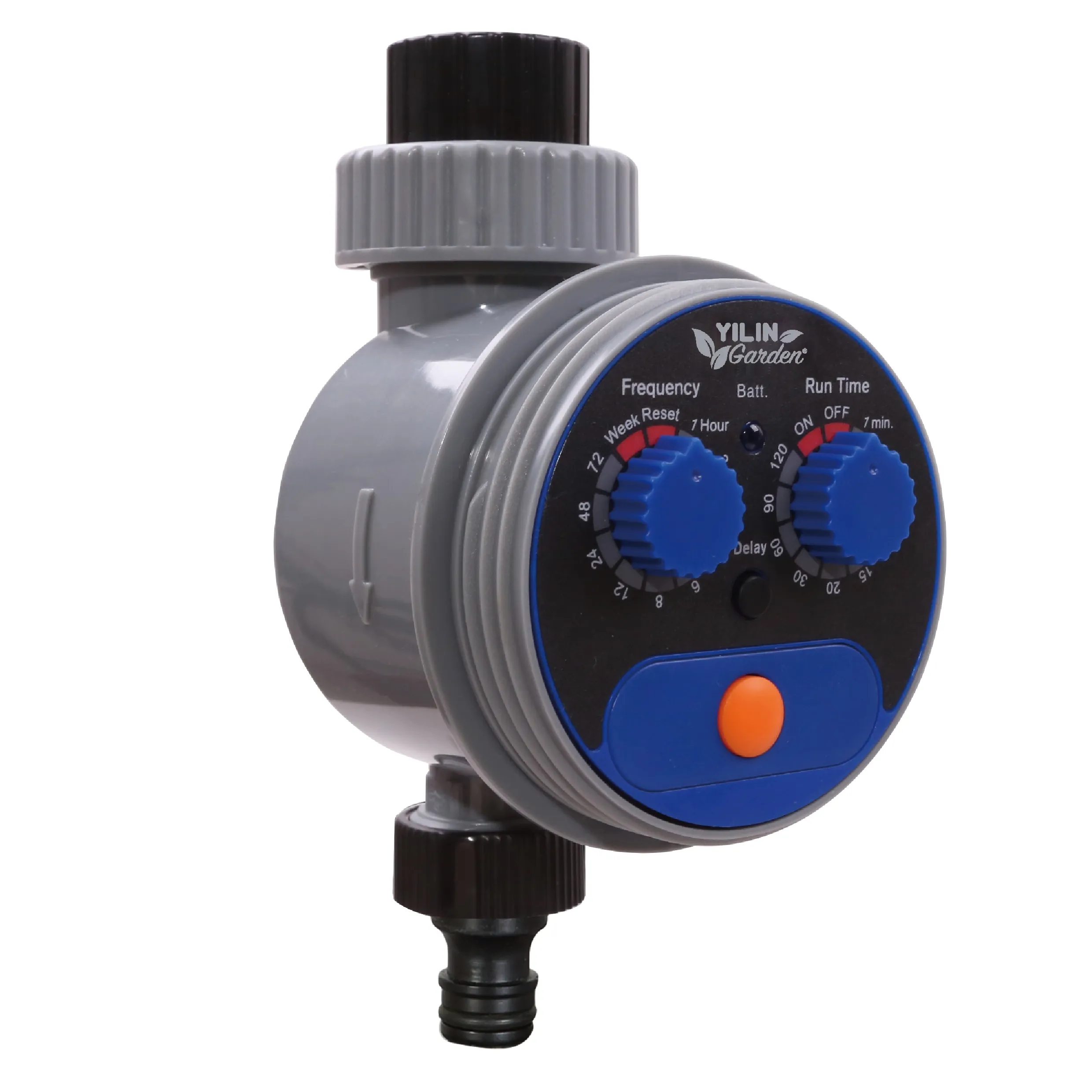
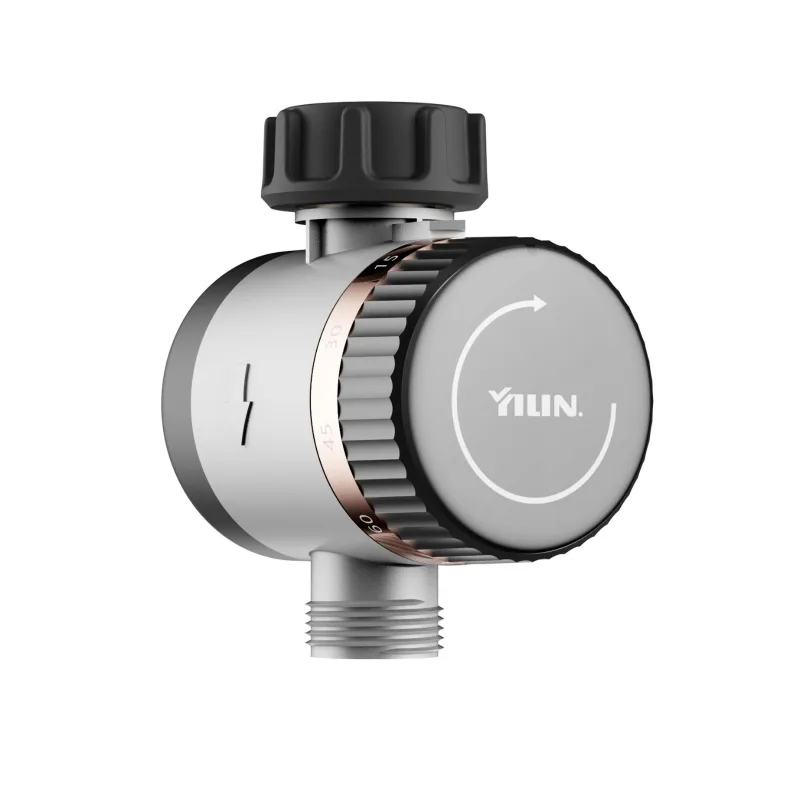
Solar drip irrigation represents a revolutionary approach to modern agriculture, combining renewable energy with precise water delivery systems. This innovative technology utilizes solar panels to power drip irrigation systems, eliminating dependence on traditional electricity grids or fuel sources. Solar drip irrigation systems operate by converting sunlight into electrical energy that drives water through targeted emitters directly to plant roots, minimizing water waste and maximizing crop efficiency. The primary function of solar drip irrigation is to deliver water slowly and precisely to the base of plants while harnessing clean, renewable energy. This dual-benefit system addresses two critical agricultural challenges simultaneously: water scarcity and energy costs. Solar drip irrigation technology features photovoltaic panels that charge during daylight hours, powering submersible pumps that distribute water through drip lines. The system includes controllers, filters, and emission devices that ensure consistent water application throughout the growing season. Applications of solar drip irrigation span diverse agricultural environments, from small-scale vegetable gardens to large commercial farming operations. This system proves particularly valuable in remote areas lacking reliable electricity infrastructure and regions experiencing water shortages. Solar drip irrigation works effectively for various crops including vegetables, fruits, vineyards, and ornamental plants. The technology adapts well to different terrains and soil types, making it an increasingly popular choice for sustainable agriculture worldwide. Farmers implementing solar drip irrigation benefit from reduced operational expenses, improved crop yields, and environmental stewardship through decreased water consumption and carbon emissions.
New Products

Solar drip irrigation offers substantial advantages for farmers and agricultural businesses seeking sustainable, cost-effective irrigation solutions. The most significant benefit involves dramatically reduced operating costs, as solar power eliminates ongoing fuel expenses and reduces electricity consumption compared to conventional pumping systems. Once installed, solar drip irrigation operates with minimal operational expenses, allowing farmers to invest savings into expanding operations or improving infrastructure. Operationally, solar drip irrigation provides exceptional reliability and independence from external energy sources. This autonomous system functions consistently in remote locations where grid electricity remains unavailable, enabling agricultural development in previously challenging areas. Water conservation represents another critical operational advantage, as solar drip irrigation delivers water directly to plant roots with minimal evaporation or runoff, reducing consumption by up to seventy percent compared to traditional irrigation methods. Solar drip irrigation proves ideally suited for specific applications where traditional systems face limitations. In drought-prone regions, this technology enables year-round farming despite water scarcity challenges. For remote properties lacking electrical infrastructure, solar drip irrigation provides dependable water delivery without expensive grid connections. The system works exceptionally well in sunny climates where solar radiation remains abundant throughout growing seasons. Potential customers should understand that solar drip irrigation combines immediate practical benefits with long-term investment advantages. Initial equipment costs offset quickly through reduced water and energy expenses, typically within three to five years. The system requires minimal maintenance compared to fuel-based alternatives, reducing labor costs substantially. Environmental benefits include decreased carbon footprint and sustainable resource management, aligning with modern agricultural priorities and consumer preferences for responsibly grown products.

Practical Tips

Leak-Proof Hose Connector Manufacturer for Industrial Water Systems

07

May

Leak-Proof Hose Connector Manufacturer for Industrial Water Systems

Industrial water systems demand reliability, durability, and precision engineering to maintain operational efficiency and minimize downtime. At the heart of these systems lies a critical component that often determines the difference between seamless...
View More
How B2B Smart Irrigation Solutions for Commercial Landscaping Reduce Costs

09

May

How B2B Smart Irrigation Solutions for Commercial Landscaping Reduce Costs

Commercial landscaping operations face mounting pressure to control water consumption, labor expenses, and maintenance costs while maintaining high-quality outdoor environments. Traditional irrigation methods often result in water waste, inefficient ...
View More
The Future of Sustainable Farming with Watersaving Agricultural Irrigation Components

09

May

The Future of Sustainable Farming with Watersaving Agricultural Irrigation Components

The global agricultural sector stands at a critical juncture where water scarcity, climate volatility, and food security demands converge to reshape farming practices fundamentally. As freshwater resources decline and agricultural water consumption a...
View More
Bulk Garden Sprayer Procurement for Landscape Maintenance Chain

11

May

Bulk Garden Sprayer Procurement for Landscape Maintenance Chain

Why Standard Garden Sprayers Fail at Commercial ScaleOperational Breakdown: Downtime, Leakage, and Calibration Drift in Retail-Grade UnitsConsumer-grade garden sprayers consistently underperform in commercial landscapes due to three interrelated fail...
View More

Get a Free Quote

Our representative will contact you soon.
Email
Mobile/WhatsApp
Name
Company Name
Message
0/1000

solar drip irrigation

Energy Independence and Cost Savings

Energy Independence and Cost Savings

Solar drip irrigation eliminates dependence on traditional power sources, providing farms with genuine energy independence. The system harnesses abundant solar energy throughout daylight hours, converting sunlight directly into the power needed for reliable water delivery. This independence proves invaluable for rural and remote farming operations where grid electricity remains expensive or completely unavailable. Farmers implement solar drip irrigation to achieve substantial reductions in operational expenses, recovering equipment investment within years through accumulated savings. The absence of fuel purchases, electricity bills, and generator maintenance dramatically improves profit margins for agricultural enterprises. Beyond immediate cost reduction, solar drip irrigation protects farmers from future energy price increases, offering price stability and predictable operating budgets. This financial advantage strengthens competitiveness in agricultural markets where cost efficiency determines success.
Precision Water Delivery and Conservation

Precision Water Delivery and Conservation

Solar drip irrigation systems excel at delivering water with remarkable precision, applying moisture exactly where plants need it most. This targeted approach eliminates water waste through evaporation, runoff, or oversaturation, maximizing every drop's agricultural benefit. The technology achieves water conservation rates exceeding seventy percent compared to conventional sprinkler or flood irrigation methods. In regions experiencing water scarcity or drought conditions, solar drip irrigation becomes essential for sustainable farming productivity. Plants receive consistent moisture levels that optimize growth while minimizing disease risk from waterlogged soil conditions. Farmers utilizing solar drip irrigation reduce agricultural water consumption significantly, contributing to broader environmental conservation efforts. This precision delivery capability makes solar drip irrigation particularly valuable for growing high-value crops where consistent water management directly impacts yield quality and profitability.
Low Maintenance and Reliable Performance

Low Maintenance and Reliable Performance

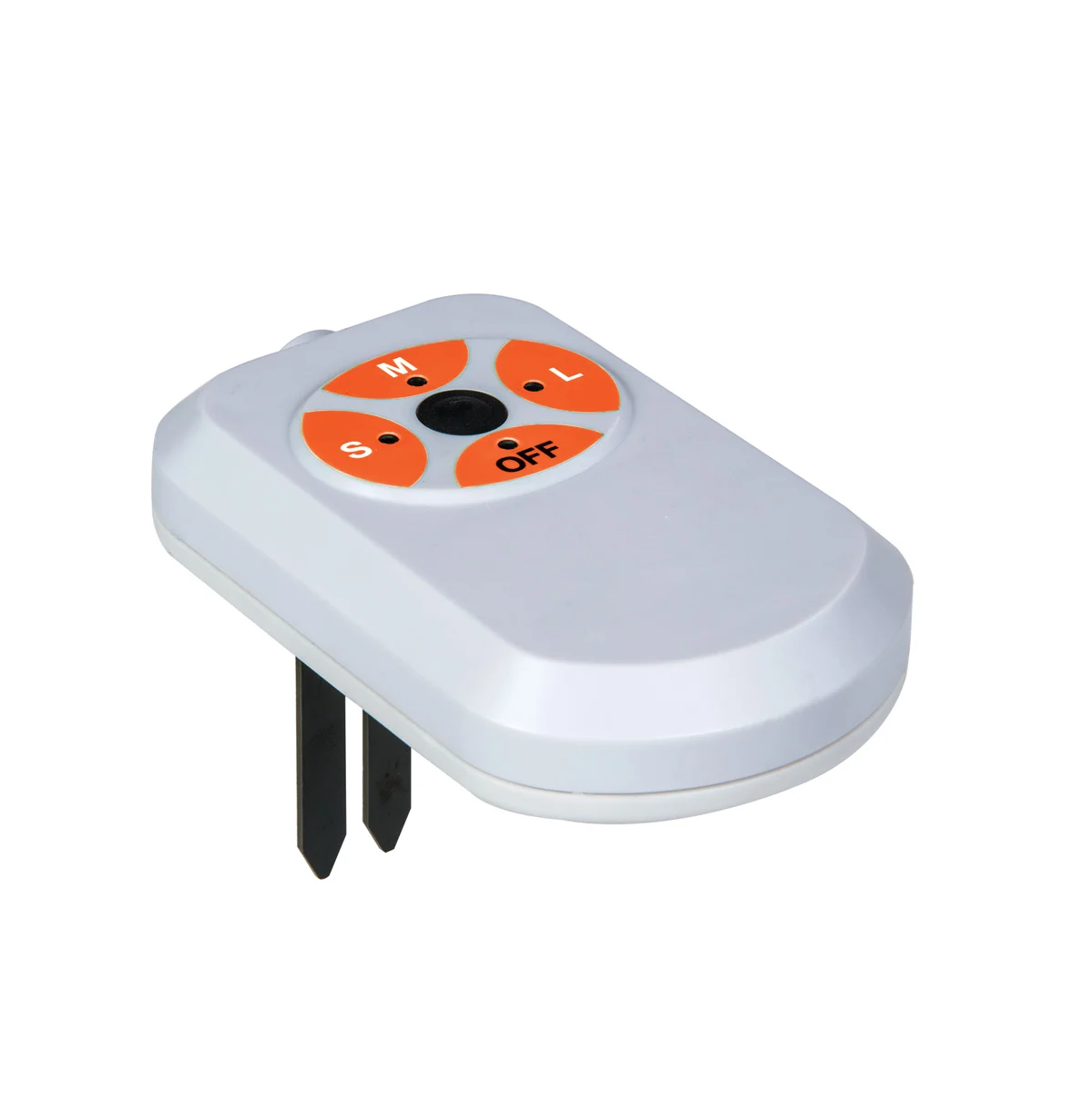
Solar drip irrigation systems require minimal maintenance compared to fuel-powered or grid-dependent alternatives, reducing operational burdens for farmers. The absence of moving parts in solar panels and simplified system design means fewer components require repair or replacement. Routine maintenance involves basic cleaning of photovoltaic panels and occasional filter replacement, tasks requiring minimal technical expertise or specialized equipment. This reliability ensures consistent performance throughout growing seasons without unexpected downtime that disrupts irrigation schedules. Solar drip irrigation operates automatically with programmable controllers that adjust water delivery based on soil moisture and weather conditions. The system's durability extends equipment lifespan significantly, providing excellent long-term value for agricultural investments. Farmers appreciate reduced labor requirements and predictable system performance, allowing focus on core agricultural activities rather than constant equipment management.
WhatsApp WhatsApp
WhatsApp
Youtube Youtube Facebook Facebook TopTop