Hydroponic Drip System Guide

hydroponic drip system

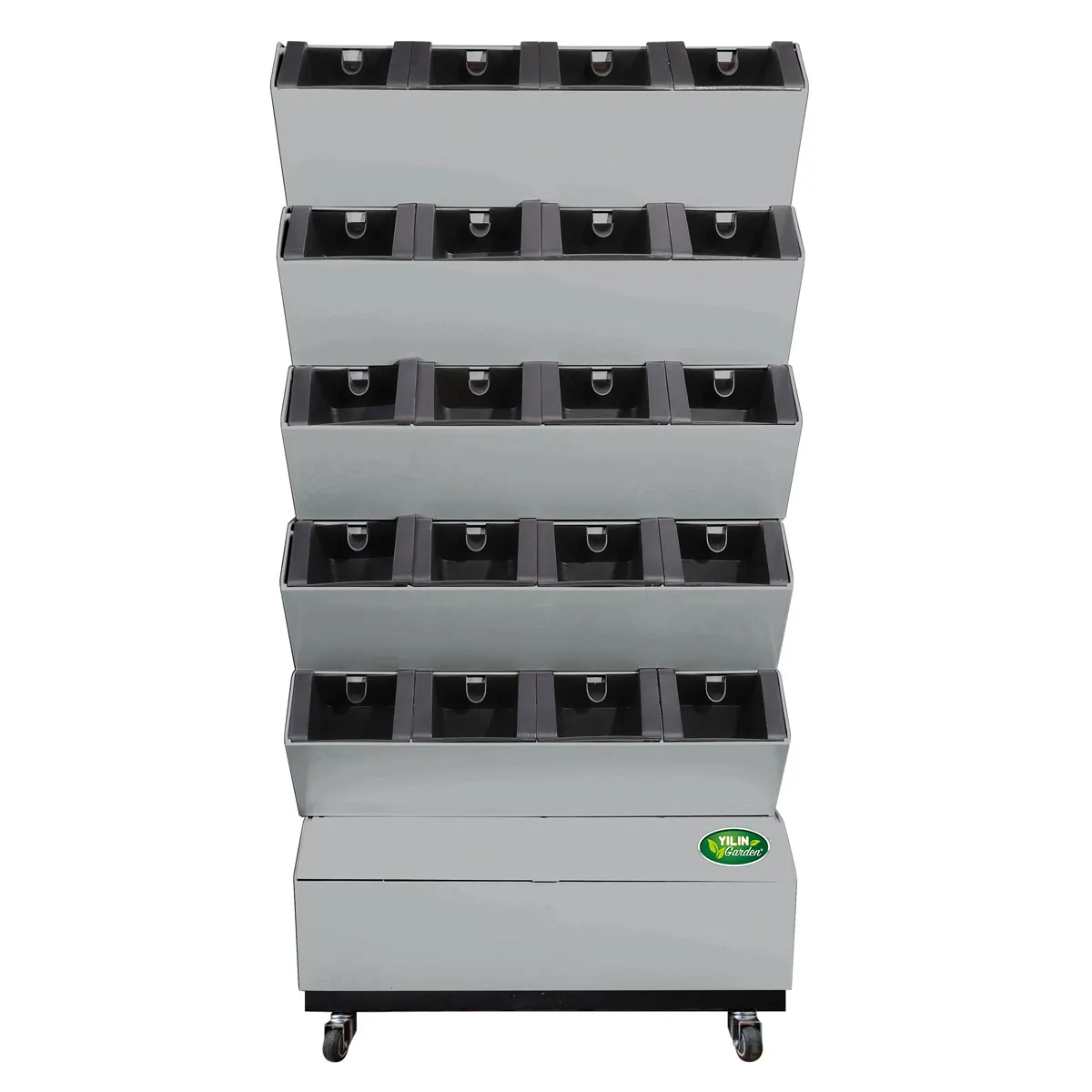
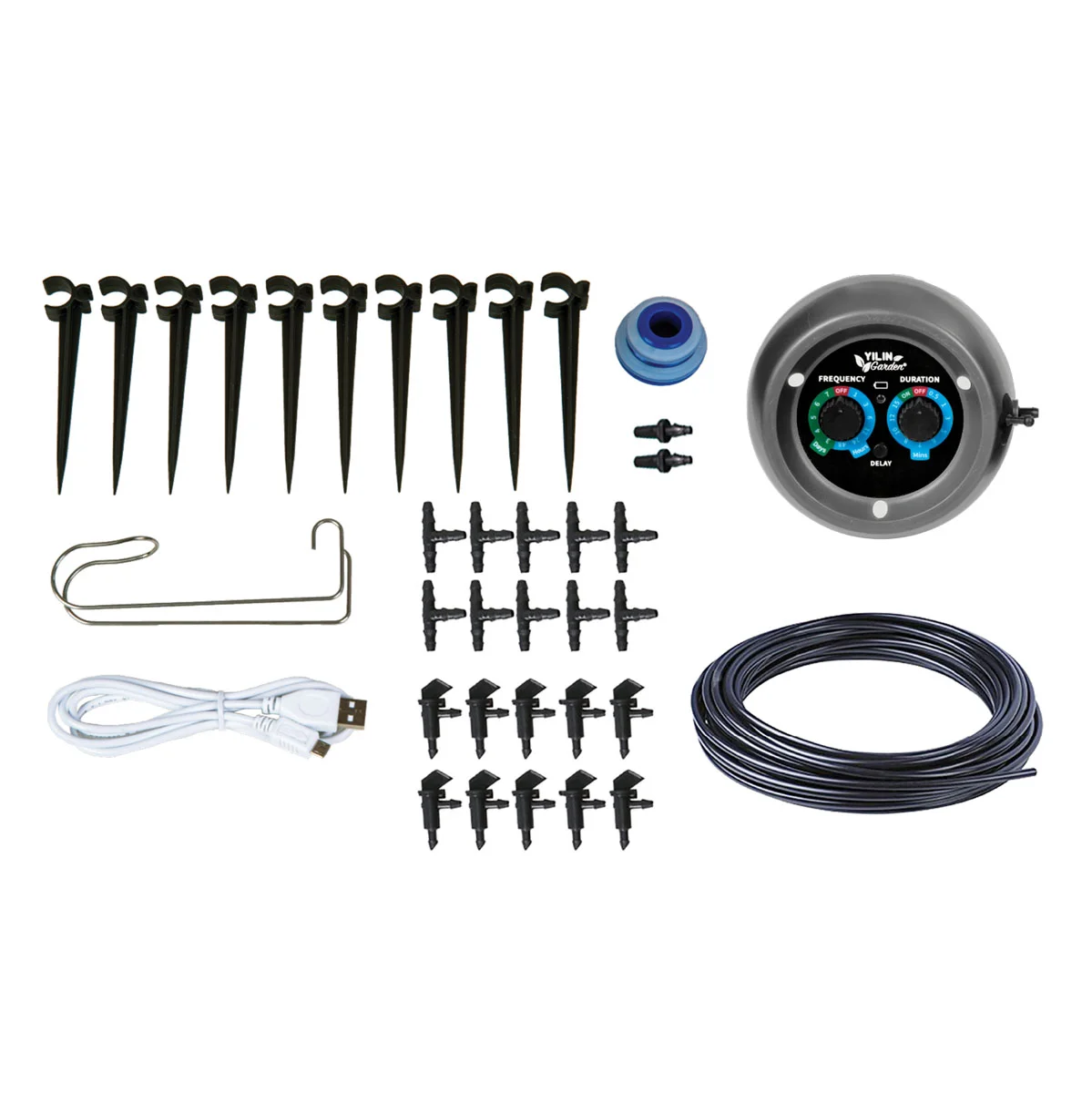
A hydroponic drip system represents a modern, efficient approach to soilless plant cultivation that delivers nutrient-rich water directly to plant roots through a network of tubes and drippers. This hydroponic drip system operates by pumping a precisely calibrated nutrient solution from a reservoir through tubing to individual plants, ensuring consistent hydration and nutrition without soil wastage. The hydroponic drip system functions through multiple technological components working in harmony. Water flows from the main reservoir into distribution lines, then through smaller tubes connected to drippers positioned near each plant's root zone. Advanced sensors monitor pH, electrical conductivity, and moisture levels, automatically adjusting nutrient concentrations to maintain optimal growing conditions. This hydroponic drip system utilizes recirculating technology, where excess solution returns to the reservoir for reuse, minimizing water consumption compared to traditional gardening methods. Key features include adjustable drip emitters controlling water flow rates, programmable timers automating irrigation schedules, and integrated filtration systems preventing clogging. Applications span commercial greenhouse operations, urban farming initiatives, residential gardening, and controlled environment agriculture. The hydroponic drip system proves particularly valuable for growing vegetables, herbs, strawberries, and specialty crops in spaces where conventional farming is impractical. Its precision irrigation capability makes it ideal for water-scarce regions and sustainable agricultural practices. Whether scaling professional production or establishing personal food gardens, this hydroponic drip system delivers reliable performance and measurable results for diverse cultivation needs.
New Products

The hydroponic drip system delivers substantial practical benefits that directly improve growing outcomes and operational efficiency. First, water conservation stands out as a primary advantage—this system uses up to ninety percent less water than soil-based gardening by recycling and reusing nutrient solutions continuously. For growers concerned about environmental impact and operating costs, this efficiency translates to meaningful savings on water bills and reduced resource consumption. Second, the hydroponic drip system enables faster plant growth and higher yields compared to conventional methods. Direct nutrient delivery to roots eliminates soil-based limitations, allowing plants to absorb essential minerals more efficiently. Growers typically observe twenty-five to fifty percent faster growth rates and significantly increased productivity per square foot. Third, disease management becomes substantially easier with a hydroponic drip system. Since plants grow without soil contact, soil-borne pathogens and pests cannot establish themselves, dramatically reducing disease pressure and eliminating the need for harsh chemical treatments. This benefit particularly appeals to organic-focused growers seeking pesticide-free production. Fourth, space optimization represents a critical advantage for urban and small-space gardeners. The hydroponic drip system enables vertical growing configurations and compact plant spacing, maximizing output from limited areas. Whether establishing rooftop gardens or indoor growing operations, this system makes intensive agriculture feasible in challenging environments. Fifth, nutrient precision ensures plants receive exactly what they need for optimal development. Rather than guessing soil composition, operators maintain complete control over pH, nutrient ratios, and mineral concentrations. This accuracy produces superior crop quality, consistent harvests, and reduced nutrient waste. Finally, the hydroponic drip system operates reliably year-round, independent of weather conditions. Protected indoor cultivation enables continuous production, extending growing seasons indefinitely and providing reliable income streams for commercial operators.

Practical Tips

High-Reliability Solenoid Valve Factory for Commercial Irrigation

07

May

High-Reliability Solenoid Valve Factory for Commercial Irrigation

Selecting a high-reliability solenoid valve factory for commercial irrigation projects represents one of the most critical decisions for landscape contractors, irrigation system integrators, and facility managers overseeing large-scale watering opera...
View More
Custom Hose Connector Factory Direct for High-Volume Irrigation

07

May

Custom Hose Connector Factory Direct for High-Volume Irrigation

High-volume irrigation operations demand reliable, precision-engineered components that can withstand constant water flow, pressure variations, and environmental exposure. For agricultural enterprises, commercial growers, and landscape management fir...
View More
5 Risks of Working with Non-Certificated Factories for Garden Products

19

Aug

5 Risks of Working with Non-Certificated Factories for Garden Products

Sourcing garden products from a certificated factory is increasingly critical in today's industrial landscape. Many businesses overlook the importance of verifying factory certifications when selecting suppliers for garden products, assuming that com...
View More
Best Hose Connector for Garden Watering: 2026 Top 5 Reliable Picks

19

Aug

Best Hose Connector for Garden Watering: 2026 Top 5 Reliable Picks

Selecting the right hose connector is essential for maintaining an efficient garden watering system. A quality hose connector ensures water flows reliably without frustrating leaks, reduces wasted water, and simplifies maintenance across your outdoor...
View More

Get a Free Quote

Our representative will contact you soon.
Email
Mobile/WhatsApp
Name
Company Name
Message
0/1000

hydroponic drip system

Precision Nutrient Delivery

Precision Nutrient Delivery

The hydroponic drip system excels at delivering exact nutrient quantities directly to plant root zones with unmatched precision. Unlike soil growing, where nutrient availability fluctuates based on soil chemistry and microbial activity, this system maintains consistent nutrient concentrations throughout the growing cycle. Automated monitoring systems continuously analyze solution composition, adjusting nutrient ratios in real-time to match plant developmental stages. This precision prevents nutrient deficiencies that typically stunt growth, eliminate leaf yellowing caused by iron deficiency, and reduce blossom-end rot in tomatoes from calcium imbalance. The hydroponic drip system's accuracy proves particularly valuable during critical growth phases when specific nutrient ratios determine final yield and quality. Growers achieve uniform plant development, synchronized maturity, and premium produce characteristics that command higher market prices. This nutrient management capability transforms growing from an uncertain practice into a controlled science.
Water Efficiency and Sustainability

Water Efficiency and Sustainability

Modern environmental consciousness demands agricultural solutions that conserve precious water resources, and the hydroponic drip system delivers exceptional sustainability performance. This system recirculates nutrient solution continuously, capturing runoff and returning it to the reservoir for reuse. Compared to traditional irrigation methods requiring constant fresh water replenishment, the hydroponic drip system reduces water consumption by up to ninety percent while maintaining superior plant hydration. This extraordinary efficiency addresses critical concerns in water-stressed regions and reduces operational costs significantly. The hydroponic drip system eliminates soil seepage and evaporative losses characteristic of conventional farming, meaning every drop contributes directly to plant growth. For commercial operations managing thousands of plants, annual water savings reach hundreds of thousands of gallons, translating to substantial financial benefits. Beyond cost reduction, this sustainability advantage appeals to environmentally conscious consumers and positions growers as responsible agricultural stewards. Communities increasingly support local producers demonstrating genuine environmental commitment.
Year-Round Production Capability

Year-Round Production Capability

The hydroponic drip system enables controlled environment cultivation, liberating growers from seasonal limitations and weather dependencies. By housing systems indoors or in climate-controlled greenhouses, operators maintain optimal growing conditions consistently throughout the year, regardless of external weather patterns. Temperature regulation, humidity control, and customizable lighting ensure plants receive ideal conditions every single day. This year-round cultivation capacity transforms agricultural operations from seasonal businesses into consistent year-round producers. The hydroponic drip system's reliability enables predictable harvests, stable supply chains, and steady income generation for commercial growers. Urban farmers particularly benefit from this capability, establishing consistent production in cities where fresh local produce traditionally arrives imported from distant regions. Restaurants and retailers gain access to reliable fresh supplies with reduced transportation distances, supporting local economies. The hydroponic drip system's weather independence also eliminates catastrophic losses from droughts, floods, or unseasonal freezes that devastate conventional crops, providing crucial agricultural stability.
WhatsApp WhatsApp
WhatsApp
Youtube Youtube Facebook Facebook TopTop