
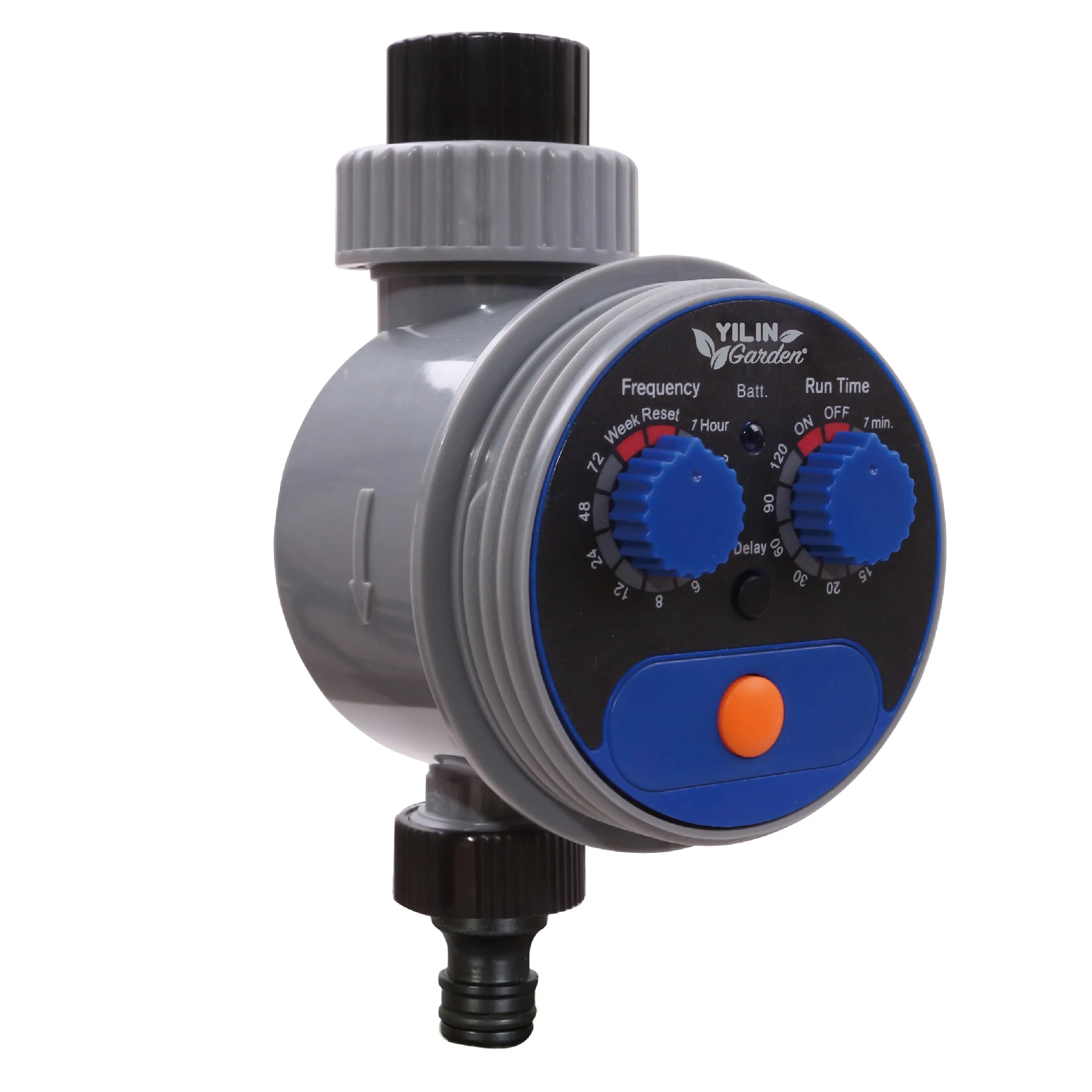
Commercial landscaping operations face mounting pressure to control water consumption, labor expenses, and maintenance costs while maintaining high-quality outdoor environments. Traditional irrigation methods often result in water waste, inefficient scheduling, and reactive maintenance that drives up operational expenses. B2B Smart Irrigation Solutions for Commercial Landscaping address these challenges by integrating sensor technology, automated controls, and data-driven decision-making into comprehensive irrigation management systems that deliver measurable cost reductions across multiple operational dimensions.
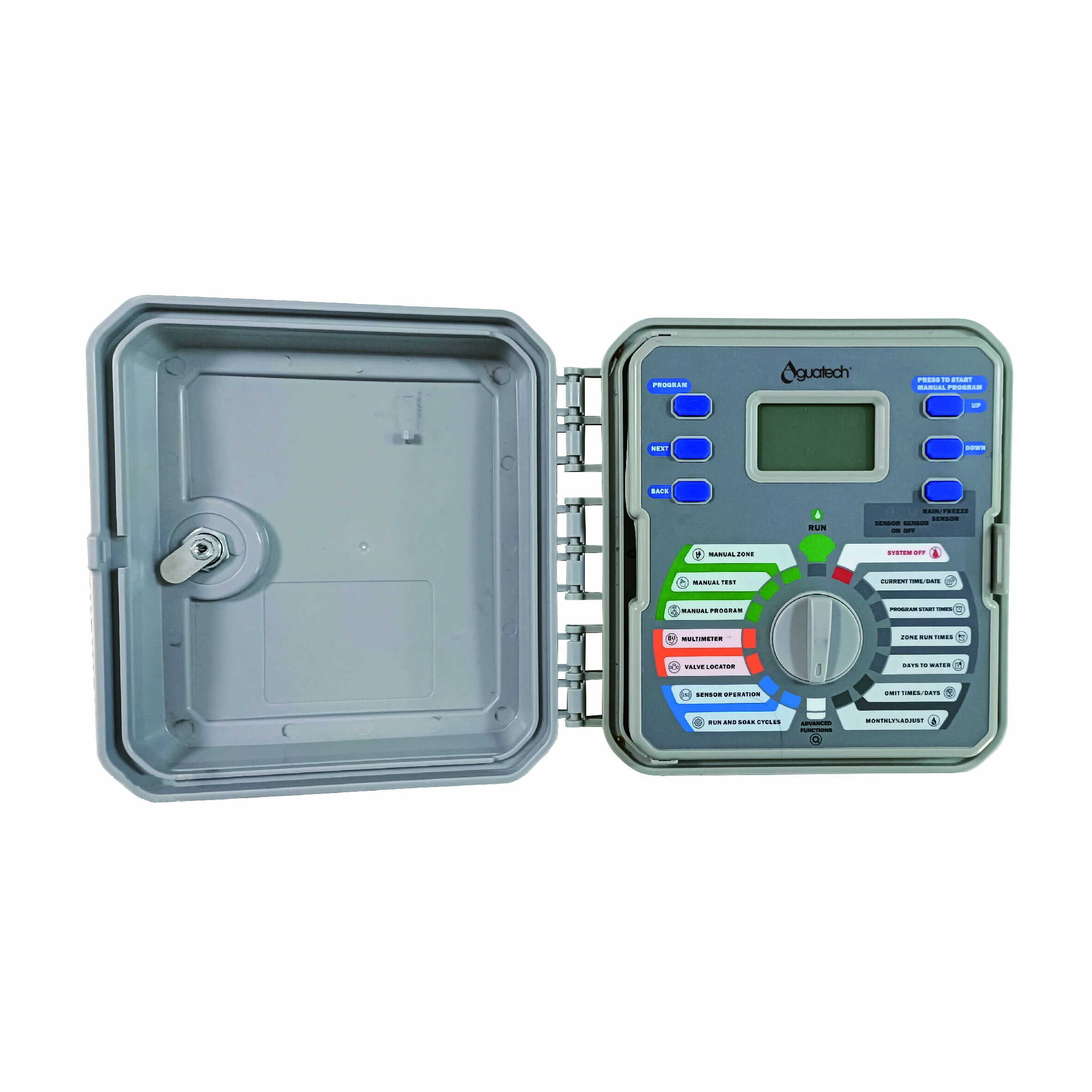
Understanding the cost reduction mechanisms behind these intelligent systems requires examining how they transform irrigation from a fixed-schedule utility expense into a precision-managed operational asset. This article explores the specific pathways through which B2B Smart Irrigation Solutions for Commercial Landscaping generate savings, from water conservation and labor optimization to equipment longevity and risk mitigation. Property managers, facility operators, and landscape service providers can leverage these insights to justify investment decisions and implement systems that deliver rapid return on investment while supporting sustainability objectives.
Water Consumption Optimization Through Precision Delivery
Real-Time Environmental Monitoring and Adaptive Scheduling
B2B Smart Irrigation Solutions for Commercial Landscaping reduce water costs by continuously monitoring environmental conditions and adjusting irrigation schedules accordingly. Soil moisture sensors detect actual plant water needs rather than relying on predetermined timers, preventing overwatering during humid periods or after rainfall events. Weather station integration allows systems to postpone irrigation cycles when precipitation is forecast, eliminating wasteful watering before natural rainfall. This adaptive approach typically reduces water consumption by twenty-five to forty percent compared to traditional timer-based systems, translating directly into lower utility bills for commercial properties.
The precision delivery capabilities extend beyond simple on-off control. Smart systems modulate water flow rates based on soil type, plant species, sun exposure, and slope characteristics across different landscape zones. Clay-heavy areas receive slower application rates to prevent runoff, while sandy soils get more frequent but shorter cycles to maintain consistent moisture levels. This zone-specific optimization ensures water reaches root zones effectively rather than evaporating from surfaces or running off into storm drains, maximizing the cost efficiency of every gallon delivered.
Leak Detection and System Integrity Monitoring
Hidden leaks in commercial irrigation systems can waste thousands of gallons monthly before detection through traditional visual inspections. B2B Smart Irrigation Solutions for Commercial Landscaping incorporate flow monitoring that establishes baseline consumption patterns for each irrigation zone and immediately flags anomalies indicating potential leaks. When a zone shows unexpected flow increases, the system generates alerts enabling rapid repair before significant water loss occurs. Some advanced controllers automatically shut down suspect zones to prevent continued waste while maintenance teams investigate.
This proactive leak management prevents the cascading costs associated with undetected irrigation failures. Beyond direct water waste, uncontrolled leaks can cause erosion, foundation damage, and landscape degradation that require expensive remediation. Early detection through smart monitoring systems minimizes these secondary costs while reducing water bills. Commercial properties implementing comprehensive leak detection through smart irrigation platforms report identifying and repairing an average of three to five previously unknown leaks within the first year of deployment, generating immediate cost recovery.
Compliance and Regulatory Cost Avoidance
Many municipalities now enforce water use restrictions, irrigation scheduling limitations, and efficiency standards for commercial properties. Non-compliance can result in fines, mandatory retrofits, or usage surcharges that significantly impact operating budgets. B2B Smart Irrigation Solutions for Commercial Landscaping help properties maintain regulatory compliance by automatically adhering to watering day restrictions, time-of-day limitations, and duration caps programmed into the system. Detailed water use reporting capabilities provide documentation needed for conservation audits and incentive program participation.
Some jurisdictions offer rebates, tax credits, or reduced water rates for properties demonstrating irrigation efficiency through certified smart controllers. These financial incentives can offset initial system investment costs while generating ongoing savings through preferential utility rates. The compliance automation built into smart irrigation platforms eliminates the risk of human error in adhering to complex and changing regulations, protecting commercial property operators from avoidable penalties while capturing available conservation incentives.
Labor Cost Reduction Through Automation and Remote Management
Elimination of Manual Schedule Adjustments
Traditional irrigation management requires landscape technicians to physically visit controller locations to adjust watering schedules based on seasonal changes, weather patterns, and plant maturity. This manual adjustment process consumes significant labor hours across portfolios of commercial properties. B2B Smart Irrigation Solutions for Commercial Landscaping eliminate these routine visits by enabling remote schedule management through cloud-based platforms accessible from any device. Property managers can adjust irrigation parameters for multiple sites simultaneously without dispatching field personnel.
The automation extends beyond simple remote control to include self-adjusting algorithms that modify irrigation schedules without any human intervention. Weather-based controllers automatically calculate evapotranspiration rates and adjust runtime accordingly, maintaining optimal soil moisture without requiring technician oversight. This autonomous operation dramatically reduces the labor hours dedicated to irrigation management, allowing landscape crews to focus on value-adding activities like plant health assessments, aesthetic enhancements, and customer relationship management rather than routine controller programming.
Centralized Multi-Site Management Efficiency
Landscape service providers and property management companies operating across multiple commercial sites achieve substantial labor efficiencies through centralized control platforms. B2B Smart Irrigation Solutions for Commercial Landscaping enable portfolio-wide visibility and management from a single dashboard, eliminating the need for site-by-site visits to assess system status or troubleshoot issues. Technicians can diagnose problems remotely, often resolving them through digital adjustments rather than physical service calls. When on-site visits become necessary, remote diagnostics enable crews to arrive with appropriate parts and information, reducing repeat visits and vehicle expenses.
The centralized approach also streamlines training and quality control. Rather than relying on individual technicians to properly program dozens of disparate controllers using different interfaces, smart irrigation platforms standardize management protocols across entire portfolios. New employees can manage sophisticated irrigation systems with minimal training, reducing onboarding costs and improving consistency. Performance metrics tracked across all properties enable management to identify optimization opportunities and replicate successful strategies, continuously improving operational efficiency.
Preventive Maintenance and Reduced Emergency Response
Emergency irrigation repairs typically cost two to three times more than scheduled maintenance due to after-hours labor rates, rush parts procurement, and urgency premiums. B2B Smart Irrigation Solutions for Commercial Landscaping shift maintenance from reactive to preventive by providing early warning of developing problems before system failures occur. Pressure monitoring detects partial clogs or valve degradation, flow rate tracking identifies worn sprinkler heads, and electrical diagnostics flag wiring issues—all before complete failures disrupt irrigation service.
This predictive capability allows maintenance teams to schedule repairs during normal business hours using standard labor rates and regular parts inventory. The advance notice enables efficient route planning that combines multiple maintenance tasks in single site visits, reducing travel time and vehicle costs. Commercial properties implementing smart irrigation monitoring report reducing emergency service calls by sixty to seventy percent, generating substantial savings in both direct repair costs and the indirect costs of landscape damage from irrigation failures.
Equipment Longevity and Capital Expense Deferral
Optimized System Operation and Component Protection
Irrigation system components degrade faster under suboptimal operating conditions. Excessive pressure causes premature valve failure, continuous high-flow operation wears pump seals, and electrical surges damage controller circuits. B2B Smart Irrigation Solutions for Commercial Landscaping protect equipment investments by maintaining ideal operating parameters. Pressure regulation prevents damaging surges, pump cycle management avoids excessive start-stop wear, and electrical monitoring detects and responds to power quality issues before they cause controller failures.
The extended component lifespan resulting from optimized operation defers capital replacement expenses, improving financial planning predictability. A commercial irrigation system with properly managed pressure might extend valve life from seven years to twelve years, representing significant savings when multiplied across dozens or hundreds of valves in large properties. Similarly, protecting pump equipment from operational stress can double motor life expectancy, avoiding costly replacement and downtime. These longevity improvements accumulate across all system components, substantially reducing total cost of ownership.
Data-Driven Replacement Planning
B2B Smart Irrigation Solutions for Commercial Landscaping generate operational data that enables evidence-based capital planning rather than reactive replacement strategies. Performance trend analysis reveals which components are nearing end-of-life based on actual operating parameters rather than arbitrary age thresholds. This insight allows property managers to budget accurately for replacements, negotiate favorable pricing through planned procurement rather than emergency purchases, and schedule installation during low-impact periods.
The historical data also informs strategic decisions about system upgrades and expansions. Properties can identify which zones or components generate disproportionate maintenance costs, justifying targeted improvements with clear return on investment projections. When replacement becomes necessary, accumulated performance data guides equipment selection toward solutions proven effective in specific site conditions, reducing the risk of costly specification errors that plague installations based solely on theoretical requirements.
Reduced Landscape Replacement from Irrigation Damage
Irrigation system failures cause expensive landscape damage that extends beyond water waste. Overwatering from stuck valves drowns plants, creating replacement costs for dead vegetation. Underwatering from undetected failures stresses turf and ornamentals, requiring intensive recovery treatments or complete replacement. Uncontrolled water flow erodes mulch beds, undermines hardscaping, and damages building foundations—all generating repair expenses far exceeding the irrigation equipment value.
B2B Smart Irrigation Solutions for Commercial Landscaping protect these landscape assets through rapid failure detection and response. Automated shutoff capabilities prevent extended damage from malfunctions, while moisture monitoring ensures plants receive adequate water even during partial system failures. The asset protection value becomes particularly significant in high-value commercial landscapes where mature specimen trees, extensive perennial beds, or specialized turf varieties represent substantial invested capital vulnerable to irrigation-related loss.
Energy Efficiency and Utility Cost Management
Pump Operation Optimization
Commercial irrigation systems using well water or recycled water sources rely on pumps that consume significant electrical energy. Inefficient pump scheduling—such as running during peak demand periods with premium electricity rates—unnecessarily inflates utility costs. B2B Smart Irrigation Solutions for Commercial Landscaping incorporate time-of-use optimization that schedules irrigation during off-peak hours when electricity rates are lowest, generating direct energy cost savings without reducing irrigation effectiveness.
Advanced systems also optimize pump operation through demand-based control that adjusts pump speed and staging based on actual system requirements rather than running at full capacity regardless of load. Variable frequency drives managed by smart controllers reduce energy consumption by twenty to forty percent compared to constant-speed operation, particularly in systems with varying zone sizes or elevation differences. The cumulative energy savings across irrigation seasons can offset smart controller costs within two to three years for pump-dependent systems.
Pressure Management and Distribution Efficiency
Excessive system pressure wastes energy by forcing pumps to work harder than necessary and increases water consumption through fine misting from high-pressure nozzles. B2B Smart Irrigation Solutions for Commercial Landscaping maintain optimal pressure levels through electronic regulation and zone-specific pressure management. By delivering only the pressure required for effective irrigation in each zone, systems reduce both pumping energy and water waste, generating compound savings across utility categories.
The pressure optimization also protects against the energy penalties associated with system inefficiencies. Leaks and worn components force pumps to operate longer and harder to achieve target pressure, consuming excess electricity. Smart monitoring that enables rapid leak repair and component maintenance preserves distribution efficiency, ensuring energy consumption remains at designed levels rather than increasing as systems age.
Risk Mitigation and Liability Cost Reduction
Property Damage Prevention
Uncontrolled irrigation water poses significant liability risks for commercial property owners. Overwatering creates slip hazards on walkways, saturates soils that can cause retaining wall failures, and creates pooling water that attracts mosquitoes and generates nuisance complaints. More seriously, irrigation water infiltrating building foundations can cause structural damage, mold growth, and indoor air quality problems that trigger expensive remediation and potential litigation.
B2B Smart Irrigation Solutions for Commercial Landscaping reduce these liability exposures through precise water delivery that prevents over-application and rapid failure detection that limits damage from malfunctions. Geofenced rain delay features prevent irrigation during precipitation events when additional water would create runoff and pooling. Flow monitoring alerts identify broken lateral lines before they cause erosion or foundation infiltration. The risk reduction value, while difficult to quantify precisely, represents substantial avoided costs compared to property damage claims, remediation expenses, and insurance premium increases following irrigation-related incidents.
Documentation and Compliance Defense
Commercial properties facing water use disputes, conservation violations, or landscape quality complaints benefit from the detailed documentation capabilities built into smart irrigation platforms. B2B Smart Irrigation Solutions for Commercial Landscaping maintain comprehensive records of irrigation schedules, water application volumes, system status, and operator actions that provide evidence for regulatory compliance and liability defense. Time-stamped logs demonstrating adherence to watering restrictions protect against enforcement actions, while system status histories can refute claims of irrigation negligence in landscape damage disputes.
The documentation also supports insurance claims and cost recovery actions. When irrigation equipment failures result from manufacturer defects or third-party damage, detailed system logs establish causation and quantify damages for warranty claims or liability recovery. Properties pursuing water conservation rebates or green building certifications can generate required documentation directly from smart controller platforms without expensive separate metering or manual record-keeping, reducing the administrative costs of participating in incentive programs.
FAQ
What is the typical payback period for implementing smart irrigation systems in commercial landscaping operations?
Most commercial properties achieve payback within two to four years through combined water savings, labor reduction, and avoided maintenance costs. Properties with high water rates, large irrigated areas, or significant labor expenses often see payback in eighteen to thirty months. The payback calculation should include utility cost reductions, labor hour savings valued at fully loaded wage rates, avoided emergency repair premiums, and any available rebates or incentives. Properties in water-scarce regions with conservation mandates typically experience faster returns due to higher baseline water costs and greater savings potential.
Can smart irrigation systems integrate with existing commercial landscape irrigation infrastructure?
Yes, B2B Smart Irrigation Solutions for Commercial Landscaping are designed to retrofit existing systems without requiring complete infrastructure replacement. Smart controllers replace conventional timers while utilizing existing valves, piping, and sprinkler heads. Wireless soil moisture sensors and weather stations add functionality without extensive installation labor. Flow meters and pressure sensors typically install at main line locations using standard plumbing connections. This retrofit compatibility enables properties to capture cost reduction benefits without the capital expense of full system replacement, improving return on investment and accelerating adoption.
How do smart irrigation solutions perform in properties with diverse microclimates and landscape types?
Advanced B2B Smart Irrigation Solutions for Commercial Landscaping excel in complex landscapes by creating multiple management zones with independent scheduling based on specific conditions. Sun exposure, slope, soil type, plant water requirements, and microclimate factors can be programmed for each zone, with sensors providing localized data for precise control. This granular management actually delivers greater cost savings in diverse landscapes compared to uniform properties, since traditional systems tend to overwater some areas while underwatering others. Smart platforms optimize each zone independently, eliminating the compromise watering schedules that waste resources in heterogeneous commercial landscapes.
What ongoing costs should property managers budget for after implementing smart irrigation systems?
Ongoing costs include cloud platform subscription fees, typically ranging from fifteen to fifty dollars monthly per controller depending on features and property size. Cellular connectivity for controllers without WiFi access adds ten to twenty dollars monthly per device. Sensor battery replacement occurs every one to three years at minimal cost. Software updates are generally included in subscription fees. These recurring costs are substantially offset by continued savings in water, labor, and maintenance expenses. Properties should also budget for periodic sensor calibration and occasional component replacement, though smart system monitoring often reduces rather than increases these maintenance requirements compared to conventional irrigation management.
Table of Contents
- Water Consumption Optimization Through Precision Delivery
- Labor Cost Reduction Through Automation and Remote Management
- Equipment Longevity and Capital Expense Deferral
- Energy Efficiency and Utility Cost Management
- Risk Mitigation and Liability Cost Reduction
-
FAQ
- What is the typical payback period for implementing smart irrigation systems in commercial landscaping operations?
- Can smart irrigation systems integrate with existing commercial landscape irrigation infrastructure?
- How do smart irrigation solutions perform in properties with diverse microclimates and landscape types?
- What ongoing costs should property managers budget for after implementing smart irrigation systems?
