
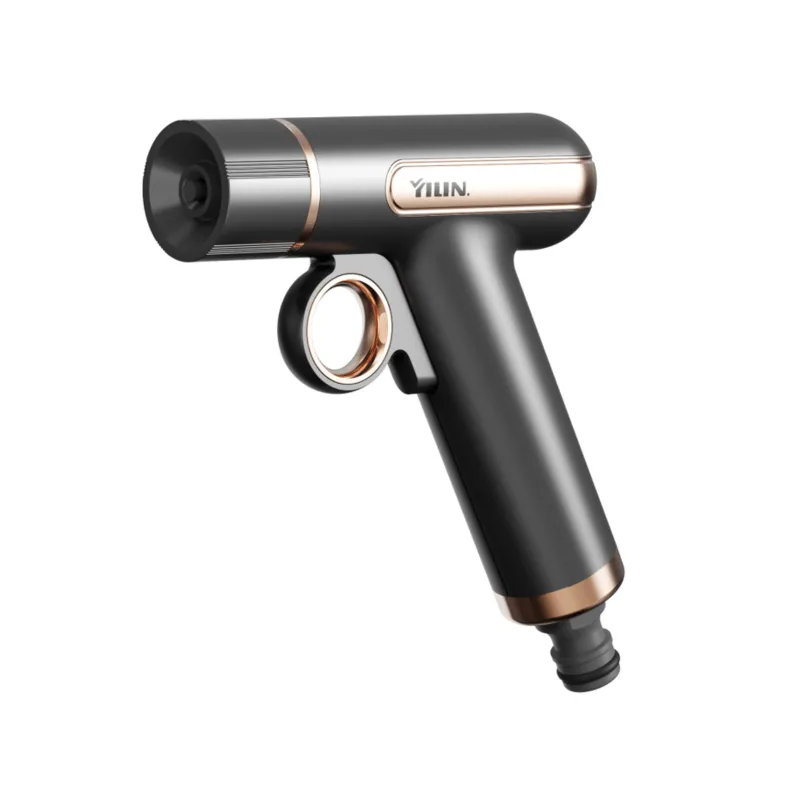
Industrial water systems demand reliability, durability, and precision engineering to maintain operational efficiency and minimize downtime. At the heart of these systems lies a critical component that often determines the difference between seamless performance and costly failures: the leak-proof hose connector. When water distribution networks, cooling systems, irrigation infrastructure, or manufacturing processes depend on uninterrupted fluid transfer, selecting a trusted leak-proof hose connector manufacturer becomes a strategic decision that impacts productivity, safety, and long-term cost management. The quality of connectors used in industrial applications directly influences system integrity, as even minor leaks can escalate into significant water waste, equipment damage, contamination risks, and expensive maintenance cycles.
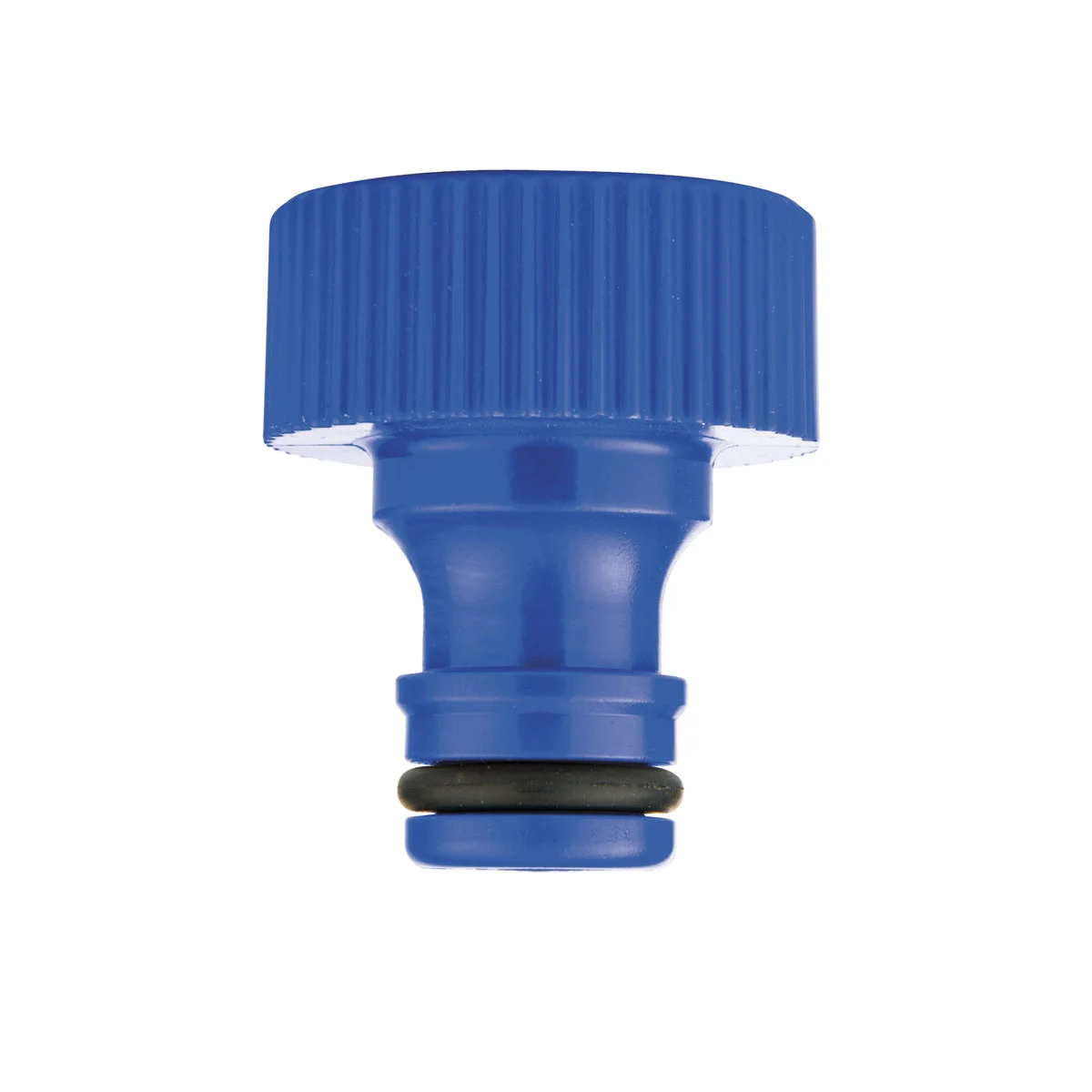
Manufacturing leak-proof hose connectors for industrial water systems requires specialized expertise in materials science, precision machining, and application-specific design principles. Professional manufacturers understand that industrial environments present unique challenges including high water pressure, temperature fluctuations, chemical exposure, mechanical stress, and continuous operation cycles. A dedicated leak-proof hose connector manufacturer invests in advanced production technologies, rigorous quality control protocols, and comprehensive testing procedures to ensure every connector meets demanding industrial standards. This article explores the essential characteristics, engineering considerations, material specifications, and selection criteria that define reputable manufacturers serving the industrial water systems sector, providing technical professionals with the knowledge needed to make informed sourcing decisions.
Engineering Excellence Behind Industrial Leak-Proof Hose Connectors
Advanced Sealing Technologies and Design Principles
The foundation of any effective leak-proof hose connector lies in its sealing mechanism design. Professional manufacturers employ multiple sealing technologies tailored to specific industrial applications, including compression seals, O-ring configurations, cone-to-cone metal seals, and composite gasket systems. Each sealing approach addresses different pressure ranges, temperature conditions, and fluid characteristics. Compression seals utilize precisely calculated mechanical force to create watertight barriers between mating surfaces, while O-ring designs provide flexible sealing that accommodates minor dimensional variations and thermal expansion. Advanced manufacturers conduct finite element analysis to optimize seal geometry, ensuring uniform pressure distribution across sealing surfaces under various operating conditions.
Beyond basic sealing principles, industrial leak-proof hose connector design must account for dynamic stress factors inherent in water system operations. Vibration from pumps and equipment, thermal cycling during operation, and pressure surges during system startups create challenging environments for maintaining seal integrity. Manufacturers addressing these challenges incorporate stress-relief features, reinforced connection points, and materials with appropriate elasticity to absorb operational stresses without compromising seal performance. The dimensional tolerances applied during manufacturing directly influence sealing effectiveness, with precision machining ensuring consistent fit between connector bodies, hose interfaces, and threaded components.
Material Selection for Demanding Industrial Environments
Material specification represents a critical differentiator among leak-proof hose connector manufacturers serving industrial markets. High-quality connectors typically utilize corrosion-resistant alloys, engineering-grade polymers, or composite materials selected for their specific performance characteristics. Brass alloys remain popular for many industrial water applications due to their excellent corrosion resistance, machinability, and cost-effectiveness, particularly in potable water systems where lead-free brass formulations meet regulatory requirements. Stainless steel connectors serve applications involving aggressive water chemistry, elevated temperatures, or sterile conditions requiring frequent sanitization. Each material choice involves trade-offs between mechanical strength, chemical resistance, thermal stability, and manufacturing feasibility.
Professional manufacturers maintain detailed material specifications that document chemical composition, mechanical properties, and performance ratings for their leak-proof hose connector products. These specifications include tensile strength values, elongation percentages, hardness measurements, and corrosion resistance ratings based on standardized testing protocols. For elastomeric sealing components, manufacturers specify durometer hardness, compression set resistance, temperature range, and chemical compatibility to ensure seal longevity under actual operating conditions. Material certification documentation becomes particularly important in regulated industries where traceability and compliance verification are mandatory, making manufacturer transparency regarding material sourcing and testing a valuable indicator of quality commitment.
Precision Manufacturing Processes and Quality Assurance
The manufacturing processes employed to produce leak-proof hose connectors directly determine their reliability and consistency. Reputable manufacturers utilize CNC machining centers, automated forging equipment, and precision molding systems to achieve the tight tolerances required for effective sealing. Thread profiles must conform to international standards with precise pitch, depth, and angle specifications to ensure proper mating with corresponding components. Internal passages require smooth surfaces and accurate dimensions to minimize turbulence and pressure drops while maintaining structural integrity. Surface finishing operations including polishing, electroplating, or coating application enhance corrosion resistance and aesthetic appearance while contributing to seal performance.
Quality control protocols implemented throughout production distinguish manufacturers committed to delivering reliable leak-proof hose connector products. Comprehensive inspection procedures include dimensional verification using coordinate measuring machines, visual examination for surface defects, thread gauge testing for proper engagement, and functional testing under simulated operating conditions. Many manufacturers conduct hydrostatic pressure testing on sample batches, subjecting connectors to pressures exceeding rated specifications to verify structural integrity and seal effectiveness. Statistical process control methods track key manufacturing parameters, enabling continuous improvement and early detection of process variations that could compromise product quality. Certification to international quality management standards such as ISO 9001 provides external validation of manufacturing discipline and quality system effectiveness.
Application-Specific Design Considerations for Industrial Water Systems
Pressure Rating and Flow Capacity Requirements
Industrial water systems operate across a wide spectrum of pressure conditions, from low-pressure irrigation networks to high-pressure cooling circuits and cleaning systems. A specialized leak-proof hose connector manufacturer designs products with clearly defined pressure ratings that account for both continuous operating pressure and potential surge conditions. Pressure ratings reflect the combined strength of connector body materials, sealing mechanism design, and connection interface geometry. Manufacturers typically specify maximum working pressure, burst pressure, and recommended safety factors to guide proper application selection. Understanding system pressure profiles including normal operating ranges, peak demand periods, and potential transient events enables appropriate connector specification.
Flow capacity considerations complement pressure ratings in determining connector suitability for specific applications. Internal passage diameter, flow path geometry, and connection configuration all influence hydraulic characteristics including flow resistance, pressure drop, and potential for turbulence-induced cavitation. Manufacturers serving industrial markets provide flow coefficient data or pressure drop curves enabling system designers to calculate performance impacts when incorporating connectors into water distribution networks. Oversized connectors may offer reduced flow resistance but introduce unnecessary bulk and cost, while undersized units create bottlenecks that reduce system efficiency. Professional manufacturers offer comprehensive sizing guidance helping customers balance performance requirements with practical installation constraints.
Temperature Tolerance and Thermal Expansion Management
Temperature variations present significant challenges for maintaining leak-proof performance in industrial water systems. Process cooling applications may involve temperatures approaching boiling points, while outdoor installations experience seasonal temperature swings affecting both water and ambient conditions. Leak-proof hose connector materials must maintain structural integrity and sealing effectiveness across applicable temperature ranges. Metallic connector bodies generally offer superior thermal stability compared to polymer alternatives, though thermal expansion coefficients must be considered when connecting dissimilar materials. Elastomeric seals require careful material selection, with different rubber compounds offering varying temperature capabilities ranging from sub-freezing conditions to elevated temperatures.
Thermal expansion and contraction cycles introduce mechanical stresses that can compromise sealing interfaces over time. Professional manufacturers address these challenges through design features that accommodate dimensional changes without losing seal compression. Floating seal designs, spring-loaded mechanisms, and materials with compatible expansion rates help maintain sealing force despite temperature fluctuations. Testing protocols employed by quality-conscious manufacturers include thermal cycling tests that repeatedly expose connectors to temperature extremes, verifying that leak-proof performance persists after numerous expansion-contraction cycles. Application guidance provided by manufacturers should specify temperature limitations and recommend inspection intervals for systems experiencing significant thermal cycling.
Chemical Compatibility and Contamination Prevention
Water chemistry varies dramatically across industrial applications, from potable water systems with minimal chemical treatment to process water containing additives, dissolved minerals, or industrial contaminants. Leak-proof hose connector materials must resist degradation from chemical exposure while avoiding leaching substances that could contaminate the water stream. Manufacturers serving regulated sectors such as food processing, pharmaceutical production, or potable water distribution maintain strict material compliance with relevant health and safety standards. Certification documentation including NSF/ANSI 61 for potable water contact, FDA compliance for food-grade applications, or USP Class VI for pharmaceutical systems provides assurance of chemical safety and compatibility.
Beyond regulatory compliance, practical chemical resistance considerations guide material selection for specific water chemistry conditions. Chlorinated water, common in municipal systems and many industrial processes, requires materials resistant to chlorine-induced degradation. Systems utilizing glycol-based antifreeze, corrosion inhibitors, or pH-adjusted water demand elastomers and metals compatible with these additives. Professional leak-proof hose connector manufacturers provide chemical compatibility charts documenting material performance with various water treatments and contaminants. When water chemistry falls outside standard parameters, manufacturers may recommend specialized materials, protective coatings, or alternative connection technologies to ensure long-term reliability and prevent premature failure.
Manufacturing Standards and Certification Requirements
International Standards Compliance and Testing Protocols
Credible leak-proof hose connector manufacturers design and test their products according to recognized international standards that define performance requirements, testing methodologies, and quality benchmarks. Standards organizations including ISO, ASTM, DIN, and BSI publish specifications covering dimensions, materials, pressure ratings, and testing procedures for hose connectors and fittings. Compliance with these standards ensures interchangeability with other standardized components, facilitates international trade, and provides customers with confidence in product performance. Manufacturers documenting standards compliance typically reference specific standard numbers in technical literature and maintain test reports demonstrating conformance to required performance criteria.
Testing protocols specified in industrial standards verify multiple aspects of leak-proof hose connector performance under controlled conditions. Hydrostatic pressure testing confirms structural integrity and seal effectiveness at rated pressures, while burst testing establishes safety margins beyond normal operating conditions. Thermal cycling tests evaluate dimensional stability and seal retention through temperature extremes. Salt spray exposure assesses corrosion resistance for outdoor or marine applications. Fatigue testing subjects connectors to repeated pressure cycles, vibration, or mechanical stress simulating years of operational use. Quality-focused manufacturers exceed minimum standard requirements, implementing more rigorous testing protocols that reflect real-world application conditions and provide additional performance validation.
Industry-Specific Certifications and Approvals
Many industrial sectors impose additional certification requirements beyond basic product standards to address safety, health, or environmental concerns specific to their operations. Leak-proof hose connector manufacturers serving these markets invest in obtaining relevant certifications that demonstrate compliance with industry-specific regulations. Potable water applications require NSF/ANSI 61 certification verifying that connector materials do not leach harmful substances into drinking water. Hazardous location installations may demand explosion-proof ratings or certifications from authorities such as ATEX in Europe or IECEx internationally. Food processing environments require 3-A Sanitary Standards compliance or EHEDG certification confirming hygienic design principles.
Obtaining and maintaining industry certifications requires substantial manufacturer commitment to quality systems, documentation practices, and ongoing compliance verification. Third-party certification bodies conduct facility audits, review manufacturing processes, examine quality control procedures, and perform independent product testing before granting certification marks. Annual surveillance audits ensure continued compliance with certification requirements. Manufacturers displaying relevant certification marks provide customers with independent verification of product suitability for regulated applications, reducing procurement risk and simplifying compliance documentation. When evaluating potential suppliers, customers should verify that certification claims are current, cover the specific products being considered, and come from accredited certification organizations recognized within their industry.
Traceability and Documentation Practices
Professional leak-proof hose connector manufacturers maintain comprehensive traceability systems linking individual products or production batches to manufacturing records, material certifications, and quality inspection results. Traceability becomes particularly important in regulated industries where documentation of material origins, manufacturing dates, and quality verification may be required for compliance audits or failure investigations. Manufacturers implementing robust traceability assign unique identifiers to production lots, maintain detailed manufacturing records, and preserve material test reports from suppliers. This documentation enables rapid response to quality issues, facilitates targeted recalls if defects are discovered, and provides evidence of due diligence in product liability situations.
Documentation provided by manufacturers to customers typically includes technical datasheets specifying dimensions, materials, pressure ratings, and application guidelines. Installation instructions detail proper assembly procedures, torque specifications, and compatibility requirements. Material safety data sheets communicate hazard information for chemical components. Compliance certificates document conformance to applicable standards and regulations. For critical applications, manufacturers may provide individual test reports documenting actual measured performance for specific production batches. The comprehensiveness and accuracy of manufacturer documentation reflects organizational maturity and commitment to customer support, serving as an important evaluation criterion when selecting suppliers for industrial water system components.
Selecting the Right Leak-Proof Hose Connector Manufacturer
Evaluating Manufacturing Capabilities and Technical Expertise
Assessing a leak-proof hose connector manufacturer's capabilities requires examining both their production infrastructure and technical knowledge base. Modern manufacturing facilities equipped with advanced CNC machining, automated assembly systems, and integrated quality inspection equipment demonstrate commitment to precision and consistency. Manufacturers investing in current production technology can achieve tighter tolerances, improve surface finishes, and enhance manufacturing efficiency compared to operations relying on outdated equipment. Facility visits or virtual tours provide valuable insights into manufacturing cleanliness, organization, and process control measures that influence product quality. The presence of dedicated quality labs, testing equipment, and calibrated measurement instruments indicates serious attention to verification and validation.
Technical expertise extends beyond manufacturing machinery to encompass engineering knowledge, application experience, and problem-solving capabilities. Manufacturers employing qualified engineers can provide application support, customize products for unique requirements, and troubleshoot performance issues when they arise. Evidence of technical capability includes published technical papers, participation in industry standards committees, patents for innovative designs, and case studies documenting successful solutions to challenging applications. Responsive technical support that answers questions thoroughly, provides detailed specifications, and offers application guidance distinguishes manufacturers committed to customer success from those focused solely on transactional sales. During supplier evaluation, engaging technical representatives with specific application scenarios helps assess their depth of knowledge and solution orientation.
Product Range and Customization Flexibility
Comprehensive product portfolios offering various sizes, configurations, materials, and connection types simplify procurement by enabling single-source solutions for diverse requirements. Established leak-proof hose connector manufacturers typically offer standard product lines covering common industrial applications while maintaining flexibility to customize designs for specialized needs. Product catalogs should clearly organize offerings by connection type, size range, material options, and application suitability, enabling efficient product selection. Availability of complementary products such as adapters, couplings, and accessories reduces the need to coordinate multiple suppliers and ensures component compatibility.
Customization capabilities become important when standard products cannot fully satisfy specific application requirements due to unusual dimensions, special materials, unique pressure requirements, or integration constraints. Manufacturers offering custom engineering services can modify existing designs, develop entirely new solutions, or adapt products to incorporate customer-specified features. The feasibility and economics of customization depend on manufacturer flexibility, minimum order quantities, tooling requirements, and engineering resources available. Clear communication regarding customization costs, lead times, and intellectual property considerations helps establish realistic expectations. Manufacturers experienced in custom development provide formal quotations documenting specifications, pricing, delivery schedules, and quality requirements to ensure mutual understanding before committing to custom projects.
Supply Chain Reliability and Support Services
Operational continuity in industrial water systems depends on reliable access to replacement components and ongoing technical support from leak-proof hose connector suppliers. Manufacturers maintaining adequate inventory levels, efficient order processing systems, and established logistics networks minimize lead times and reduce stockout risks. Global manufacturers with regional distribution centers can provide faster delivery than distant suppliers requiring international shipping for every order. Transparent communication regarding product availability, lead times, and order status helps customers plan maintenance activities and manage spare parts inventories effectively. During supplier evaluation, investigating delivery performance metrics, order accuracy rates, and responsiveness to urgent requests provides insight into operational reliability.
Beyond product delivery, value-added services enhance the manufacturer-customer relationship and contribute to successful long-term partnerships. Technical training programs help maintenance personnel understand proper installation techniques, troubleshooting methods, and preventive maintenance practices. Field support services including on-site application assessment, system audits, or failure analysis demonstrate manufacturer commitment to customer success beyond initial product sales. Warranty programs that stand behind product quality provide recourse when premature failures occur due to manufacturing defects. Responsive customer service handling inquiries, processing returns, and resolving issues promptly distinguishes customer-focused manufacturers from those offering minimal post-sale support. Evaluating these service dimensions alongside product quality and pricing provides a holistic assessment of supplier value.
Long-Term Performance and Maintenance Considerations
Installation Best Practices for Optimal Seal Integrity
Even the highest quality leak-proof hose connector will underperform if improperly installed, making adherence to manufacturer installation guidelines essential for achieving design performance. Proper installation begins with careful inspection of connector threads, sealing surfaces, and O-rings for damage, contamination, or manufacturing defects before assembly. Cleaning mating surfaces removes dirt, old thread sealants, or corrosion products that could compromise sealing effectiveness. Thread engagement should achieve full contact without cross-threading, which damages thread profiles and prevents proper seal compression. Many applications require controlled tightening torque to achieve optimal seal compression without over-stressing components, and manufacturers specify recommended torque values for their products.
Thread sealants or tapes may be necessary for certain connection types to ensure leak-proof performance, while others rely solely on compression seals or O-rings without supplementary sealants. Manufacturer instructions clarify when sealants are required and specify compatible products that will not degrade connector materials or contaminate water systems. Hose preparation including proper cutting, deburring, and cleaning ensures secure attachment to connector barbs or compression fittings. System pressurization should occur gradually after installation, allowing time to identify and correct any leaks before full operation. Following manufacturer installation procedures reduces the likelihood of premature failures, improves system reliability, and maintains warranty coverage that may be voided by improper installation practices.
Preventive Maintenance and Inspection Protocols
Proactive maintenance programs incorporating regular inspection and timely replacement of leak-proof hose connectors prevent unexpected failures and extend system service life. Inspection protocols should examine visible connector surfaces for corrosion, physical damage, or signs of leakage indicating seal degradation. Connections exhibiting moisture, mineral deposits, or discoloration warrant closer examination and potential replacement before minor seepage progresses to significant leakage. Periodic torque verification ensures that vibration or thermal cycling has not loosened threaded connections, which can compromise seal compression and allow leaks to develop. For critical systems, infrared thermography or ultrasonic testing can detect internal corrosion or thinning before external symptoms appear.
Maintenance intervals depend on operating conditions, water chemistry, pressure cycling frequency, and environmental exposure, with harsh conditions requiring more frequent inspections than benign environments. Manufacturers may recommend inspection schedules based on typical application experience, though site-specific conditions should inform actual maintenance timing. Documenting inspection findings, maintenance actions, and component replacement history enables trend analysis identifying problematic areas requiring corrective actions or design modifications. Maintaining spare parts inventory including critical leak-proof hose connector sizes minimizes downtime when replacement becomes necessary. Establishing relationships with responsive manufacturers who can expedite delivery of unusual components supports maintenance effectiveness and operational continuity.
Troubleshooting Common Leak Issues and Root Cause Analysis
When leaks develop despite using quality leak-proof hose connectors, systematic troubleshooting identifies root causes enabling effective corrective actions. Common leak sources include damaged O-rings or seals, inadequate tightening torque, cross-threaded connections, incompatible materials for water chemistry conditions, or connector damage from over-tightening. Visual inspection often reveals obvious problems such as cracked connector bodies, deformed seals, or corroded threads. Disassembly allows detailed examination of sealing surfaces, thread condition, and internal passages that may harbor corrosion or deposits affecting seal performance. Comparing observed conditions to manufacturer specifications helps determine whether components remain within acceptable tolerances or require replacement.
Recurring leaks at similar locations suggest systemic issues beyond individual component quality, such as excessive vibration, thermal cycling, pressure surges, or chemical incompatibility degrading multiple connectors. Addressing root causes may require system modifications including vibration isolation, pressure regulation, water treatment adjustments, or material upgrades rather than simply replacing failed components. Engaging leak-proof hose connector manufacturers in troubleshooting provides access to technical expertise and may reveal application conditions exceeding design parameters. Documenting failure modes, operating conditions, and corrective actions builds institutional knowledge supporting improved component selection, installation practices, and maintenance strategies. For critical or unexplained failures, formal root cause analysis methodologies ensure thorough investigation and prevent recurrence.
FAQ
What materials are best for leak-proof hose connectors in industrial water systems?
The optimal material depends on specific application requirements including water chemistry, pressure, temperature, and regulatory constraints. Lead-free brass alloys offer excellent corrosion resistance and cost-effectiveness for most potable water and general industrial applications. Stainless steel provides superior durability for aggressive water chemistry, high temperatures, or sterile environments requiring frequent cleaning. Engineering polymers serve specialized applications requiring electrical insulation, lightweight construction, or resistance to specific chemicals. Elastomeric seal materials should be selected based on temperature range, chemical compatibility, and compression set resistance, with EPDM, nitrile, and fluorocarbon rubbers serving different condition profiles. Professional manufacturers provide material selection guidance based on detailed application parameters.
How can I verify that a leak-proof hose connector manufacturer meets quality standards?
Quality verification involves examining multiple indicators including certifications to international standards such as ISO 9001, compliance with product-specific standards like ASTM or DIN specifications, and industry-specific approvals such as NSF certification for potable water contact. Request documentation including material test reports, pressure test results, and dimensional inspection records demonstrating actual product performance. Facility audits or third-party quality assessments provide independent validation of manufacturing capabilities. Customer references from similar applications offer practical insights into long-term product reliability and manufacturer support. Comprehensive technical documentation, responsive customer service, and transparent communication regarding capabilities and limitations reflect organizational quality commitment beyond certifications alone.
What pressure ratings should I look for in industrial water system connectors?
Pressure ratings must exceed maximum system operating pressure with appropriate safety factors accounting for pressure surges, water hammer events, and aging effects. Most industrial water systems operate between 40 and 150 PSI, though specialized applications may see significantly higher pressures. Select leak-proof hose connectors with working pressure ratings at least 150 to 200 percent of maximum expected system pressure to provide adequate safety margins. Consider burst pressure ratings, typically three to four times working pressure, indicating ultimate strength before catastrophic failure. Dynamic applications involving frequent pressure cycling require more conservative ratings than static installations. Manufacturer specifications should clearly distinguish between continuous working pressure, intermittent peak pressure, and burst pressure to enable appropriate selection.
How often should leak-proof hose connectors be inspected or replaced in industrial systems?
Inspection frequency depends on operating severity, water chemistry, environmental exposure, and criticality of the application. General industrial water systems typically benefit from annual visual inspections examining external condition, checking for leakage signs, and verifying connection tightness. Harsh environments with aggressive chemistry, temperature extremes, or heavy vibration warrant more frequent quarterly or semi-annual inspections. Replacement intervals vary based on observed condition rather than fixed schedules, with connectors showing corrosion, seal degradation, or physical damage requiring immediate replacement. Critical systems may implement time-based replacement of elastomeric seals every three to five years regardless of apparent condition, preventing age-related failures. Manufacturers may provide application-specific guidance based on typical service life in similar conditions, though site-specific monitoring provides the most reliable basis for maintenance timing.
Table of Contents
- Engineering Excellence Behind Industrial Leak-Proof Hose Connectors
- Application-Specific Design Considerations for Industrial Water Systems
- Manufacturing Standards and Certification Requirements
- Selecting the Right Leak-Proof Hose Connector Manufacturer
- Long-Term Performance and Maintenance Considerations
-
FAQ
- What materials are best for leak-proof hose connectors in industrial water systems?
- How can I verify that a leak-proof hose connector manufacturer meets quality standards?
- What pressure ratings should I look for in industrial water system connectors?
- How often should leak-proof hose connectors be inspected or replaced in industrial systems?
