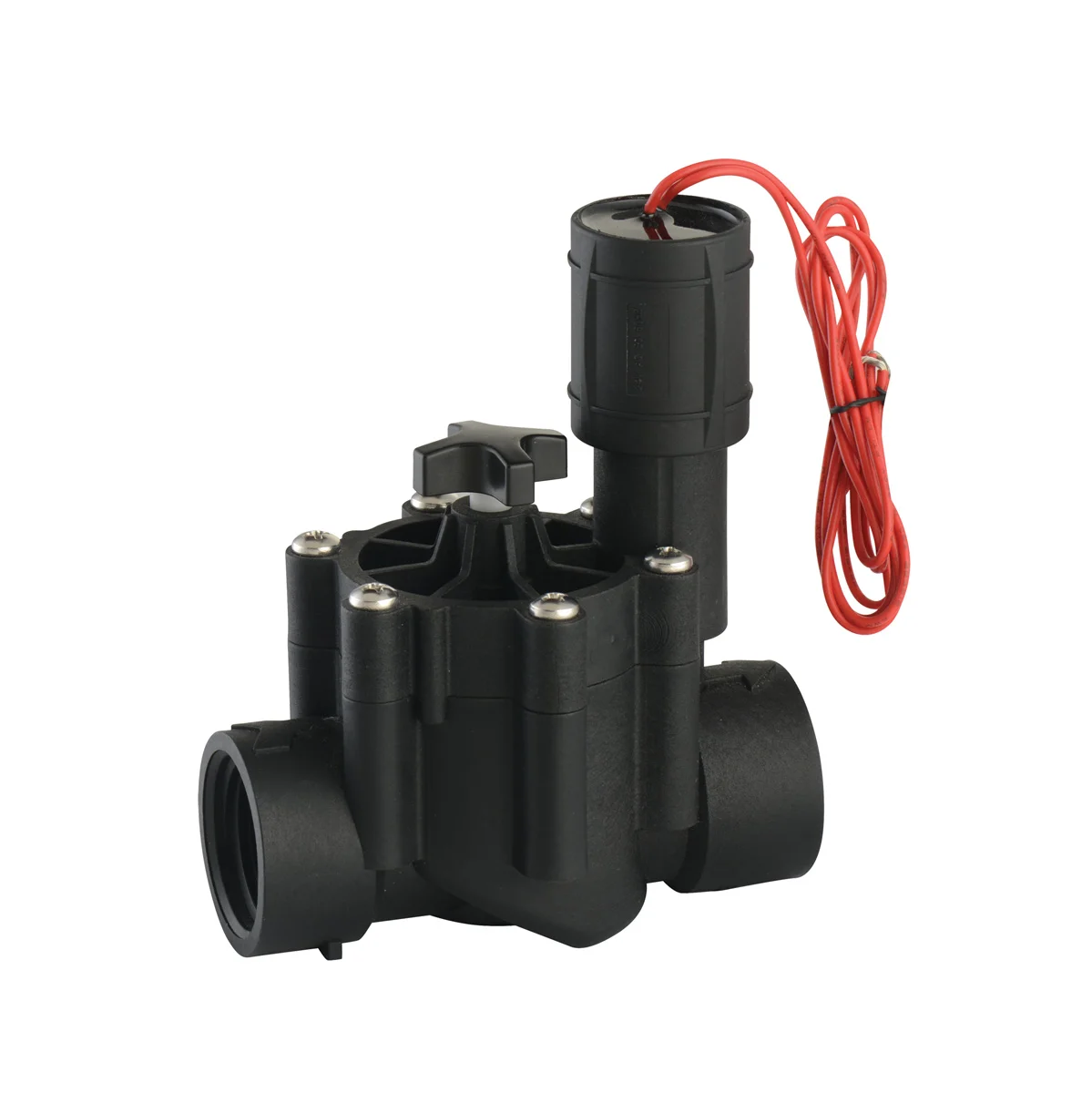
pneumatic solenoid
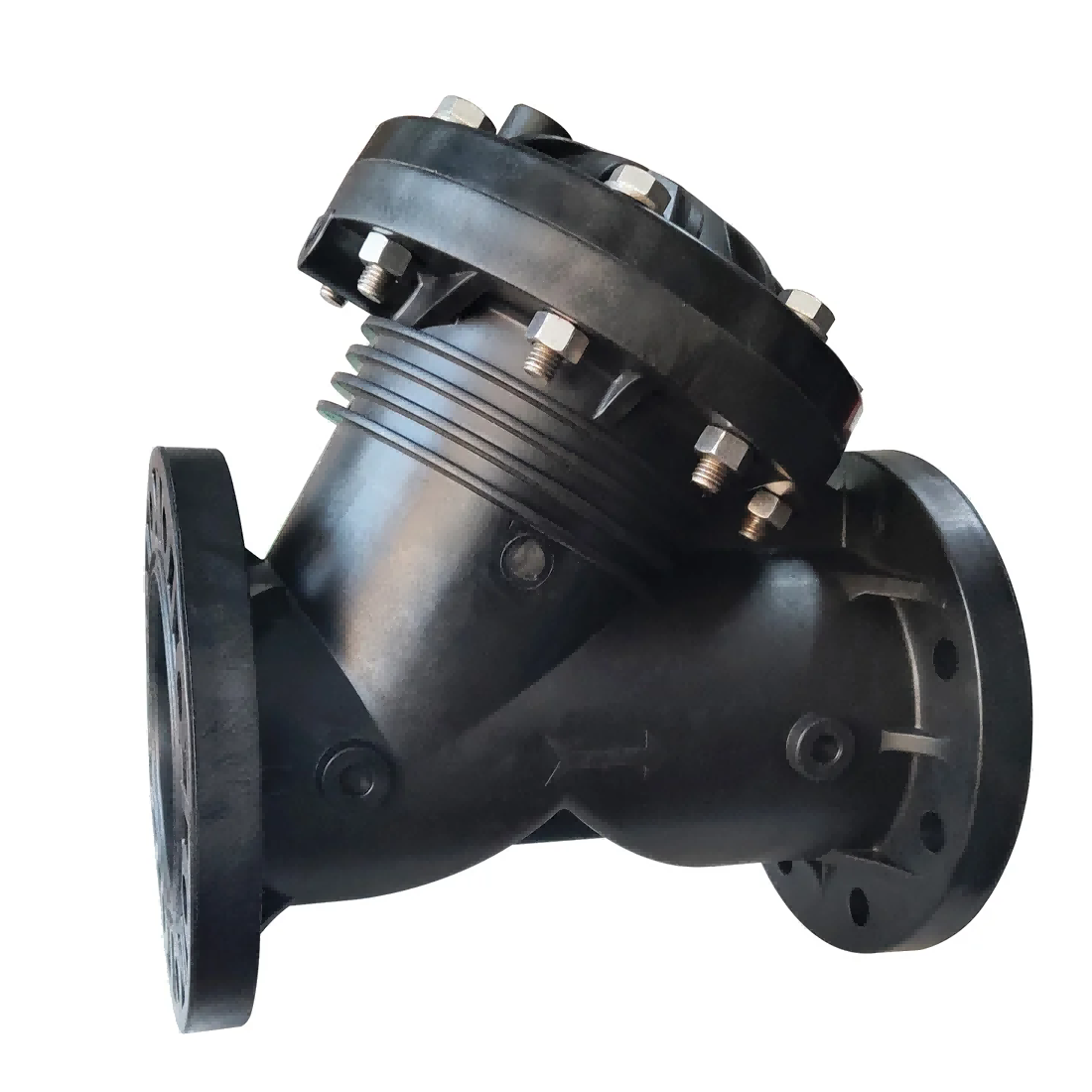
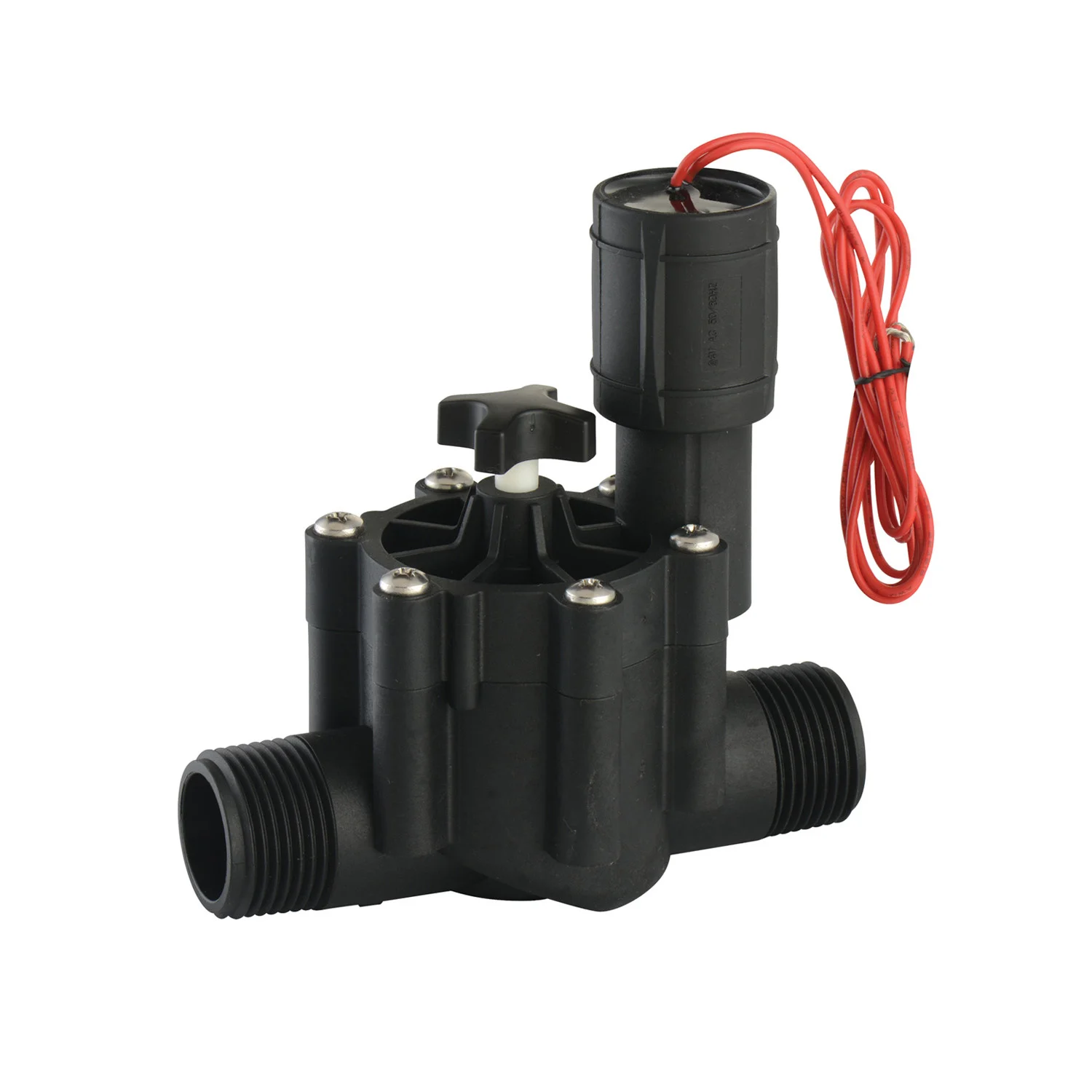
A pneumatic solenoid is an electromagnetic valve that controls the flow of compressed air in pneumatic systems. This device converts electrical energy into mechanical motion, enabling precise control of air pressure and direction within industrial applications. The pneumatic solenoid operates by using a coil that generates a magnetic field when energized, which moves an internal plunger to open or close valve ports. This mechanism allows operators to regulate pneumatic circuits remotely and automatically. The pneumatic solenoid serves as a critical component in automation systems, offering reliable performance across diverse industries. Key technological features include variable voltage options, compact designs, and rapid response times that enhance system efficiency. The core function of a pneumatic solenoid involves directing compressed air to actuators, motors, and tools with precision and consistency. Modern pneumatic solenoid designs incorporate advanced materials that resist corrosion and extend operational lifespan. These devices maintain consistent performance even in challenging environments with temperature fluctuations or moisture exposure. The pneumatic solenoid technology has evolved to support both direct acting and pilot-operated configurations, accommodating various pressure ranges and flow requirements. Applications span manufacturing, automotive production, food processing, and medical equipment assembly. Industries depend on pneumatic solenoid valves to automate repetitive tasks, improve production efficiency, and maintain safety standards. The reliability and cost-effectiveness of pneumatic solenoid systems make them indispensable in modern industrial settings worldwide.