
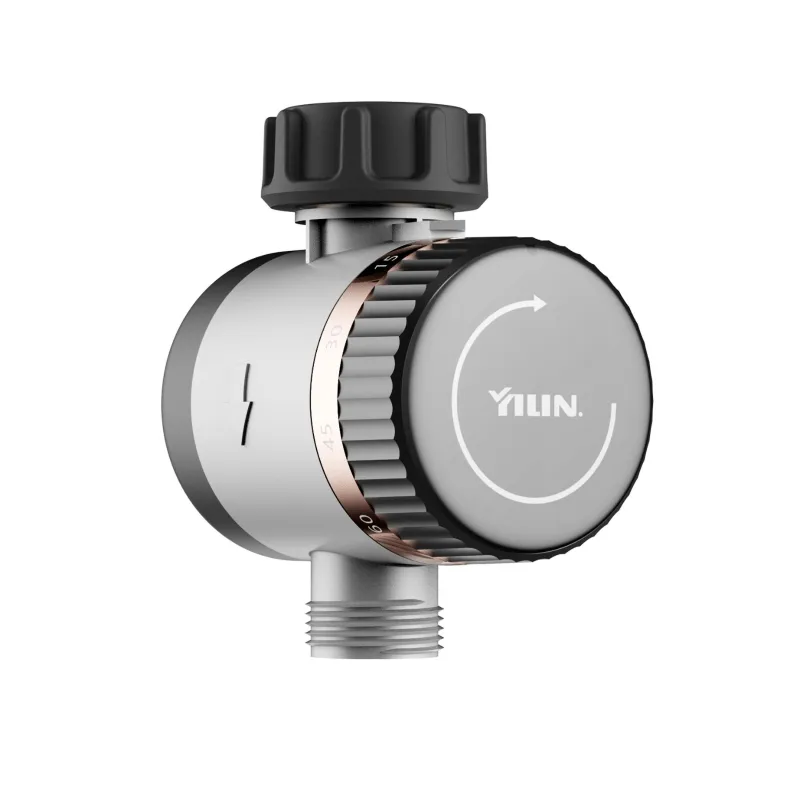
Selecting a high-reliability solenoid valve factory for commercial irrigation projects represents one of the most critical decisions for landscape contractors, irrigation system integrators, and facility managers overseeing large-scale watering operations. The performance, longevity, and consistency of solenoid valves directly influence water distribution accuracy, operational costs, and maintenance schedules across golf courses, municipal parks, sports complexes, and agricultural installations. When sourcing from a specialized solenoid valve factory, procurement teams must evaluate manufacturing capabilities, quality assurance protocols, material selection standards, and the factory's understanding of commercial irrigation demands that extend far beyond residential applications.
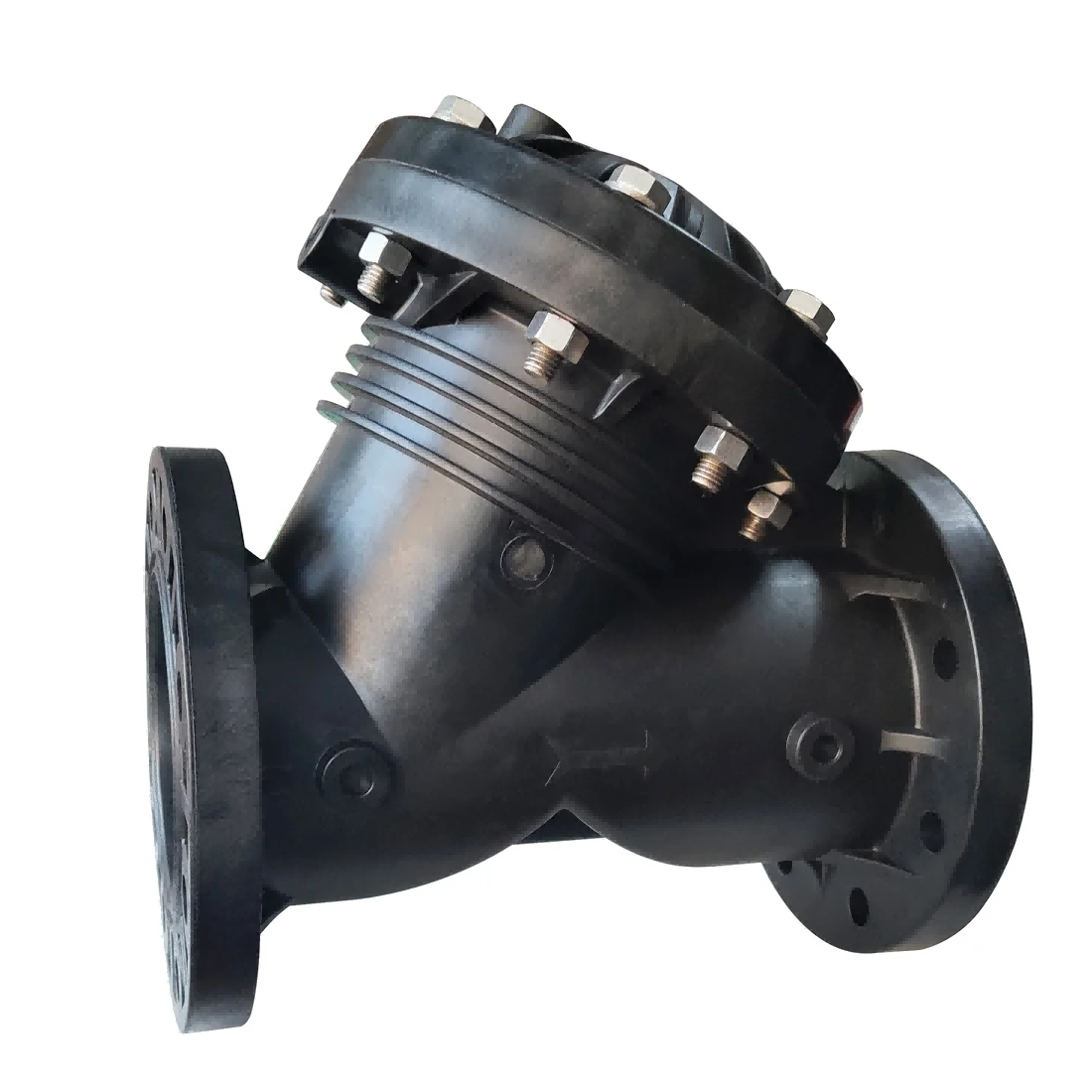
Commercial irrigation environments subject solenoid valves to intensive duty cycles, pressure fluctuations, and exposure to varied water quality conditions that require factory-level engineering precision and rigorous testing protocols. A reputable solenoid valve factory serving the commercial irrigation sector must demonstrate proven expertise in electromagnetic coil design, diaphragm material science, flow path optimization, and pressure rating validation. The factory's production infrastructure should incorporate automated testing stations, climate simulation chambers, and cycle-life verification equipment to ensure every valve meets the demanding reliability standards required for installations operating continuously throughout growing seasons with minimal downtime tolerance.
Manufacturing Capabilities That Define High-Reliability Production
Advanced Engineering and Design Infrastructure
A distinguished solenoid valve factory maintains in-house engineering teams specializing in hydraulic flow modeling, electromagnetic field optimization, and materials compatibility analysis specific to irrigation applications. These engineering capabilities enable the factory to design valve bodies with optimized internal geometries that minimize pressure loss while maximizing flow coefficient ratings essential for commercial irrigation zones requiring precise gallonage delivery. The design infrastructure should include computer-aided engineering tools for finite element analysis of stress distribution across valve components, ensuring structural integrity under repeated actuation cycles and sustained pressure exposure common in commercial irrigation networks operating at pressures ranging from 40 to 150 PSI.
Manufacturing excellence at a professional solenoid valve factory extends to proprietary coil winding techniques that enhance electromagnetic efficiency while reducing heat generation during extended energization periods. Commercial irrigation systems frequently maintain solenoid valves in the open position for hours during watering cycles, creating thermal stress that inferior coil designs cannot withstand without performance degradation. Leading factories implement precision winding automation that maintains consistent wire tension and layer spacing, coupled with encapsulation processes using thermally conductive potting compounds that dissipate heat effectively while providing moisture barrier protection critical for outdoor irrigation valve installations.
Quality Control Systems and Testing Protocols
Distinguishing a high-reliability solenoid valve factory from conventional manufacturers requires examination of their quality assurance infrastructure and statistical process control methodologies. Premium factories implement multi-stage inspection protocols beginning with incoming material verification using spectroscopic analysis to confirm alloy composition in brass components and durometer testing to validate elastomer Shore hardness specifications. In-process quality checkpoints monitor critical dimensions using coordinate measuring machines, verify coil resistance within tight tolerance bands, and conduct functional testing of pilot assemblies before final valve assembly commences.
The most rigorous solenoid valve factory operations subject production batches to accelerated life testing that simulates years of commercial irrigation service within compressed timeframes. These validation protocols include pressure cycling tests exceeding 500,000 actuations, continuous flow endurance runs measuring pressure drop stability over extended periods, and environmental exposure testing across temperature extremes from sub-freezing conditions to 140°F ambient temperatures encountered in sun-exposed valve boxes. Factories serving professional irrigation markets maintain documented test data demonstrating mean time between failure rates and provide traceability systems linking every shipped valve to specific production lot quality metrics.
Material Selection and Component Sourcing Standards
Material science expertise separates exceptional solenoid valve factory operations from commodity producers, particularly regarding component selections that determine long-term reliability in commercial irrigation environments. Valve body construction must utilize dezincification-resistant brass alloys or corrosion-resistant engineering polymers capable of withstanding chlorinated water, fertilizer injection systems, and pH variations encountered across diverse irrigation water sources. Premium factories specify marine-grade stainless steel for internal spring components and employ NBR or EPDM diaphragm materials selected based on chemical compatibility testing with common irrigation additives.
Electromagnetic coil assemblies manufactured by leading solenoid valve factory facilities incorporate Class H insulation systems rated for 180°C thermal exposure, providing substantial safety margins above typical operating temperatures while ensuring decades of reliable service. Wire selections balance electrical conductivity with mechanical flexibility to withstand vibration and thermal cycling without insulation breakdown. The factories implement rigorous supplier qualification programs for raw materials, requiring material certifications, batch testing documentation, and periodic audits of component suppliers to maintain consistency in the critical materials that determine valve reliability across production runs spanning multiple years.
Commercial Irrigation-Specific Design Considerations
Pressure Rating and Flow Capacity Engineering
Commercial irrigation applications demand solenoid valve factory products engineered for pressure ratings and flow capacities substantially exceeding residential specifications. Professional irrigation systems operating with mainline pressures from 80 to 120 PSI require valves with working pressure ratings of 150 PSI minimum, incorporating pressure surge tolerance to 200 PSI for water hammer events occurring during rapid valve closure in large-diameter distribution networks. The solenoid valve factory must design diaphragm geometry and spring rates that maintain positive sealing across this pressure range while ensuring complete valve opening against backpressure when irrigation zones activate.
Flow capacity engineering at a specialized solenoid valve factory involves optimizing internal flow paths to minimize turbulence and pressure loss across valve sizes ranging from three-quarter inch connections for turf zones to three-inch configurations for high-volume athletic field irrigation. Computational fluid dynamics analysis guides valve body geometry to achieve flow coefficient values enabling efficient water delivery while maintaining the responsive actuation characteristics essential for precise irrigation scheduling. Premium factory designs incorporate balanced diaphragm configurations that equalize pressure forces during actuation, reducing the electromagnetic pull force required and enabling compact solenoid coil designs that consume minimal electrical power during operation.
Environmental Durability and Weather Resistance
Outdoor installation environments in commercial irrigation demand solenoid valve factory products engineered for extreme environmental exposure that residential indoor valves never encounter. Valve enclosures must provide IP68 ingress protection ratings ensuring complete submersion resistance when valve boxes flood during heavy precipitation or system leaks. Coil encapsulation materials require ultraviolet stabilization for above-ground installations and formulations resistant to soil chemistry variations, petroleum contamination, and biological degradation from root intrusion common in landscape irrigation environments.
Temperature performance specifications from a professional solenoid valve factory must address both the thermal extremes of geographic installation locations and the temperature variations within valve boxes exposed to direct solar radiation. Valve components experience temperature swings from winter freezing conditions requiring drain-down procedures to summer ambient temperatures exceeding 130°F in sun-exposed enclosures. The factory's material selections, lubricant formulations, and seal designs must maintain functional performance across this temperature spectrum without leakage, binding, or actuation failure. Climate simulation testing during the manufacturing process validates performance under these conditions before products reach commercial irrigation installations.
Electrical Compatibility and Control Integration
Modern commercial irrigation systems integrate with sophisticated electronic controllers utilizing various voltage standards, making electrical compatibility a critical consideration when evaluating a solenoid valve factory. Professional-grade valves must accommodate 24VAC control signals as the irrigation industry standard while maintaining inrush current characteristics compatible with multi-station controller output capabilities. The solenoid valve factory designs coil impedance values that limit inrush current spikes during energization, preventing controller transformer saturation when multiple zones activate simultaneously across large irrigation networks.
Advanced solenoid valve factory products incorporate surge suppression components within coil assemblies to protect sensitive electronic controllers from voltage transients generated during valve de-energization. This integration eliminates external suppression devices while providing electromagnetic compatibility essential for irrigation systems incorporating weather stations, flow sensors, and wireless communication modules susceptible to electromagnetic interference. Factory specifications should document coil power consumption, holding current requirements, and response time characteristics enabling irrigation designers to properly size control system electrical capacity and optimize valve actuation sequencing across complex commercial installations.
Supply Chain Reliability and Production Capacity
Manufacturing Scale and Delivery Capabilities
Commercial irrigation contractors and distributors require solenoid valve factory partners capable of supporting project-specific delivery schedules and maintaining inventory availability throughout peak construction seasons. A factory's production capacity determines their ability to fulfill large-quantity orders for major irrigation installations while simultaneously supporting distributor stock replenishment. Evaluation of manufacturing scale should examine the factory's annual production volume, number of production lines dedicated to irrigation valve manufacturing, and automation level influencing consistency across high-volume production runs essential for commercial applications demanding uniform performance characteristics.
Leading solenoid valve factory operations maintain strategic inventory buffers of finished goods and component materials enabling rapid response to urgent project requirements and seasonal demand fluctuations characteristic of the irrigation industry. The factory's supply chain management systems should provide order tracking transparency, realistic lead time commitments, and contingency protocols for managing component shortages without disrupting customer delivery schedules. For contractors managing multiple concurrent projects, the factory's capacity to support phased deliveries aligned with construction milestones and their flexibility in accommodating specification variations across different project requirements represents significant operational value beyond unit pricing considerations.
Technical Support and Application Engineering
A distinguished solenoid valve factory provides comprehensive technical support extending beyond product datasheets to include application engineering assistance for commercial irrigation system designers. This support infrastructure should offer hydraulic sizing calculations, compatibility guidance for integration with specific controller platforms, and troubleshooting protocols for field installation challenges. Factory technical teams with irrigation industry experience understand the operational context of their products within complete irrigation systems, enabling them to provide practical guidance on valve placement, electrical circuit design, and maintenance procedures optimizing long-term reliability.
Training resources from a professional solenoid valve factory serve as valuable differentiators, including installation videos, maintenance documentation, and technical seminars educating irrigation contractors on proper valve handling, winterization procedures, and diagnostic techniques. These resources reduce installation errors that compromise valve performance regardless of manufacturing quality. The factory's willingness to engage in product customization discussions for specialized commercial applications demonstrates their commitment to solving unique irrigation challenges rather than simply offering catalog products designed for general-purpose applications.
Certification Standards and Compliance Documentation
Commercial irrigation projects frequently require solenoid valve factory products meeting specific certification standards and providing compliance documentation for regulatory approvals and project specifications. NSF/ANSI 61 certification for drinking water system components ensures valve materials meet safety standards for potable water contact, essential for irrigation systems drawing from municipal water supplies. Factories serving international markets must navigate certification requirements across multiple jurisdictions, maintaining UL listing for North American markets, CE marking for European installations, and compliance with regional standards governing electromagnetic compatibility and electrical safety.
Documentation capabilities at a professional solenoid valve factory include providing material certifications, test reports, and compliance declarations supporting project submittal requirements for commercial construction. Contractors bidding on municipal irrigation projects, educational institution installations, and commercial development landscapes require manufacturer documentation demonstrating product specifications, performance validation, and regulatory compliance. The factory's administrative infrastructure supporting these documentation requirements, including technical data sheet accuracy, CAD drawing availability, and responsive submittal review processes, directly impacts project approval timelines and contractor efficiency.
Evaluation Criteria for Factory Selection
Production History and Market Reputation
Assessing a solenoid valve factory's suitability for commercial irrigation applications requires investigation of their production history specifically within the irrigation industry rather than general industrial valve manufacturing. Factories with decades of irrigation market focus demonstrate refined understanding of the unique performance requirements, seasonal demand patterns, and application challenges distinguishing irrigation valves from industrial process control valves. References from established irrigation distributors, contractor testimonials regarding field performance, and case studies documenting successful installations across demanding commercial applications provide valuable insights into the factory's reliability beyond marketing claims.
Market reputation indicators include the factory's presence at irrigation industry trade shows, participation in professional associations such as the Irrigation Association, and engagement with continuing education programs serving irrigation professionals. A solenoid valve factory invested in the irrigation industry demonstrates commitment through product development aligned with evolving irrigation technologies, such as compatibility with smart controller platforms, integration with flow monitoring systems, and designs supporting water conservation initiatives increasingly mandated in commercial landscape installations. Their responsiveness to industry feedback and willingness to address field performance issues through product improvements reflects the customer-focused orientation essential for long-term supply partnerships.
Financial Stability and Business Continuity
Commercial irrigation contractors and distributors establishing supply relationships with a solenoid valve factory must consider the manufacturer's financial stability and business continuity planning to mitigate risks of supply disruption across multi-year projects and warranty periods. Factory longevity, ownership stability, and investment in production infrastructure indicate commitment to sustained operations rather than opportunistic market participation. Evaluation should examine the factory's manufacturing facility ownership versus leased operations, capital equipment investment levels, and diversification across multiple product lines reducing vulnerability to single-market fluctuations.
Business continuity considerations include the solenoid valve factory's supply chain redundancy for critical components, particularly electromagnetic coils, diaphragm materials, and brass castings that represent potential supply bottlenecks. Factories maintaining qualified alternate suppliers and strategic component inventory demonstrate preparedness for supply chain disruptions increasingly common in global manufacturing environments. Their quality management system documentation, including ISO 9001 certification and internal audit protocols, provides assurance of process consistency and institutional knowledge preservation as workforce changes occur across the factory's operational lifespan.
Innovation Capability and Product Development
Forward-looking commercial irrigation operations benefit from partnering with a solenoid valve factory demonstrating innovation capability and active product development aligned with irrigation industry evolution. Factories investing in research and development activities introduce performance improvements such as reduced power consumption supporting solar-powered irrigation controllers, faster response times enabling precision irrigation scheduling, and enhanced diagnostic features facilitating predictive maintenance programs. Patent portfolios and proprietary design features indicate the factory's commitment to technological advancement rather than commodity manufacturing of generic valve designs.
Product development responsiveness at an advanced solenoid valve factory includes willingness to engage in collaborative design projects addressing specific commercial irrigation challenges encountered by major contractors or unique application requirements for specialized installations. This innovation partnership approach creates competitive advantages for irrigation professionals gaining access to customized solutions unavailable from factories offering only standard catalog products. The factory's engineering team accessibility, prototype development capabilities, and reasonable minimum order quantities for custom configurations demonstrate flexibility supporting innovation-focused commercial irrigation operations.
FAQ
What distinguishes a commercial-grade solenoid valve factory from residential valve manufacturers?
Commercial-grade solenoid valve factory operations differentiate themselves through substantially more rigorous testing protocols, higher pressure rating specifications, enhanced durability standards, and manufacturing processes designed for consistent performance across demanding duty cycles. These factories typically implement automated production lines with in-process quality verification, maintain advanced material testing laboratories, and conduct extensive life-cycle validation testing simulating years of commercial irrigation service. Their engineering teams possess specialized expertise in hydraulic performance optimization, electromagnetic efficiency, and environmental durability requirements specific to outdoor irrigation installations operating continuously throughout growing seasons.
How can irrigation contractors verify the quality standards of a solenoid valve factory?
Verification of solenoid valve factory quality standards involves requesting facility audit reports if available, examining ISO 9001 quality management system certifications, and reviewing product testing documentation including pressure cycle test results and life expectancy validation data. Contractors should request material certifications for critical components such as brass alloy composition reports and elastomer durometer specifications. Requesting sample valves for independent testing or field trial installations provides direct performance evidence. Additionally, contacting existing customers within the irrigation industry and reviewing warranty claim rates with distributors offers practical insights into the factory's actual product reliability beyond marketing specifications.
What lead times should commercial irrigation projects expect when ordering from a solenoid valve factory?
Lead times from a solenoid valve factory vary significantly based on order quantities, customization requirements, and seasonal demand periods within the irrigation industry. Standard catalog products from factories maintaining finished goods inventory typically ship within one to three weeks for moderate quantities. Large project orders requiring specific voltage configurations or custom specifications may require six to twelve weeks for production scheduling and manufacturing. During peak irrigation construction seasons from late winter through early summer, lead times often extend as factories prioritize production to meet industry-wide demand surges. Establishing early communication with the factory regarding project timelines and confirming delivery schedules in writing protects contractors from construction delays caused by component shortages.
Can a solenoid valve factory provide valves compatible with existing irrigation controller systems?
Reputable solenoid valve factory operations design their products for broad compatibility with standard irrigation controller platforms operating on 24VAC control signals, which represents the industry-standard voltage across most commercial irrigation controllers. Factories provide detailed electrical specifications including coil resistance, inrush current characteristics, and holding current requirements enabling contractors to verify compatibility with specific controller models. For specialized applications involving DC voltage controllers, low-voltage battery-operated systems, or latching solenoid designs, contractors should confirm availability of these variations during the specification phase. Professional solenoid valve factory technical support teams assist with compatibility verification and can recommend appropriate valve models matching the electrical characteristics of installed controller systems.
Table of Contents
- Manufacturing Capabilities That Define High-Reliability Production
- Commercial Irrigation-Specific Design Considerations
- Supply Chain Reliability and Production Capacity
- Evaluation Criteria for Factory Selection
-
FAQ
- What distinguishes a commercial-grade solenoid valve factory from residential valve manufacturers?
- How can irrigation contractors verify the quality standards of a solenoid valve factory?
- What lead times should commercial irrigation projects expect when ordering from a solenoid valve factory?
- Can a solenoid valve factory provide valves compatible with existing irrigation controller systems?
