
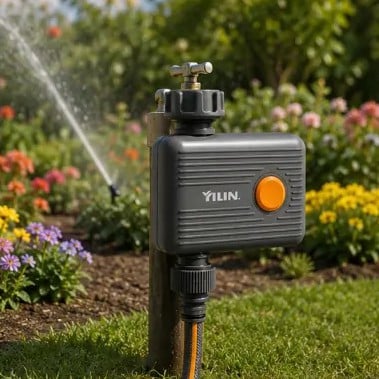
Sourcing garden products from a certificated factory is increasingly critical in today's industrial landscape. Many businesses overlook the importance of verifying factory certifications when selecting suppliers for garden products, assuming that competitive pricing and production capacity are sufficient safeguards. However, working with non-certificated factories introduces substantial operational, financial, and reputational risks that extend far beyond the initial purchase transaction.
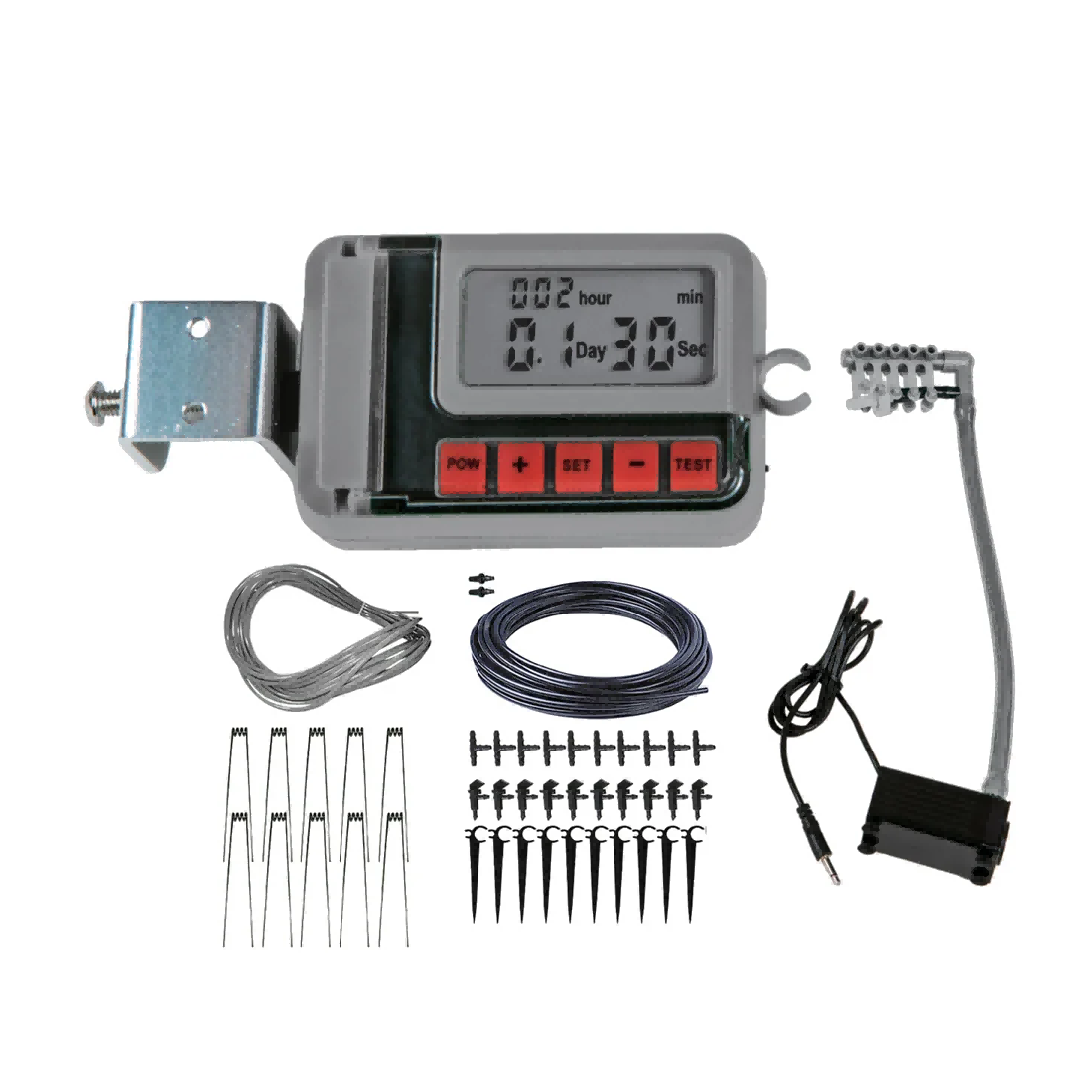
Understanding these risks empowers procurement professionals and business decision-makers to make informed choices about supply chain partnerships. A certificated factory demonstrates adherence to industry standards, regulatory requirements, and best practices in manufacturing. Non-certificated facilities lack this formal validation, creating exposure to quality failures, legal liability, and market disruption. This article explores five critical risks associated with non-certificated factory relationships.
Quality Control and Product Consistency Risks
Absence of Standardized Manufacturing Processes
Non-certificated factories frequently lack documented and standardized manufacturing procedures that a certificated factory would maintain. Without certified quality management systems, these operations struggle to ensure consistent product specifications across production batches. Garden products such as irrigation systems, planters, outdoor furniture, and tools require precise manufacturing standards to function safely and reliably in field conditions. When a certificated factory implements ISO 9001 or similar frameworks, it creates accountability and traceability throughout the production cycle.
A non-certificated factory may produce acceptable items occasionally but lacks the systematic approach that prevents defects. This inconsistency creates hidden costs through customer complaints, warranty claims, and product recalls. Retailers and distributors purchasing from non-certificated suppliers face unpredictable quality variations that damage brand reputation and customer loyalty. In contrast, a certificated factory maintains continuous monitoring, statistical analysis, and corrective action protocols.
Material Sourcing and Contamination Issues
Material authentication and traceability represent critical differentiators between a certificated factory and non-certificated operations. Non-certificated factories may source inferior or recycled materials without proper verification, introducing contamination risks into finished garden products. For example, outdoor furniture or planters manufactured using untested polymers or metals may contain harmful substances, posing health and environmental concerns. A certificated factory implements supplier audits and material testing protocols that a non-certificated facility typically ignores.
Garden products like irrigation tubing, mulch containers, or treated wood components require material specifications that ensure durability and safety. Non-certificated manufacturers often substitute materials without disclosure, prioritizing cost reduction over performance. This practice exposes your business to liability claims, regulatory enforcement actions, and supply chain disruption when contamination is discovered downstream.
Regulatory Compliance and Legal Liability Exposure
Missing Certifications and Regulatory Approvals
Regulatory frameworks governing garden products vary by region but universally require specific certifications and compliance documentation. A certificated factory maintains current certifications such as CE marking, safety standards compliance, or chemical safety certifications depending on product category. Non-certificated factories operating without these formal approvals expose your organization to substantial legal and financial liability. When regulatory agencies discover non-compliant products in the market, enforcement actions target the entire supply chain, including importers, distributors, and retailers.
For example, garden irrigation systems may require electrical safety certifications, while treated wood products require pest management approvals. A non-certificated factory does not maintain these certifications, leaving your business responsible for compliance verification and potential fines. Insurance companies may deny claims related to injuries or property damage involving non-certificated factory products. Building relationships exclusively with a certificated factory mitigates these regulatory risks.
Documentation, Traceability, and Accountability Gaps
Non-certificated factories typically maintain minimal documentation regarding manufacturing processes, material sources, testing results, and quality records. This lack of traceability creates critical problems when product issues emerge. A certificated factory maintains comprehensive records that support rapid problem identification, root cause analysis, and corrective action implementation. Without this documentation, investigating contamination, defects, or safety incidents becomes extremely difficult and time-consuming.
When disputes arise with non-certificated suppliers, limited documentation weakens your negotiating position and complicates warranty claims. Regulatory agencies investigating complaints demand production records, test data, and compliance evidence that non-certificated factories struggle to provide. This accountability gap increases remediation costs, extends resolution timelines, and amplifies reputational damage. A certificated factory provides the documentation transparency necessary for confident risk management.
Supply Chain Disruption and Business Continuity Risks
Operational Instability and Production Failures
Non-certificated factories often operate with minimal infrastructure investment, limited financial reserves, and inadequate operational controls. These vulnerabilities create unpredictable production disruptions that threaten your supply chain. A certificated factory must maintain minimum operational standards, invest in equipment maintenance, and demonstrate financial stability. Non-certificated operations frequently experience sudden shutdowns, equipment failures, or management changes that interrupt orders without notice.
When a non-certificated factory fails to deliver products on schedule, your business faces backlog pressure, customer dissatisfaction, and potential market share loss. Unlike a certificated factory that maintains documented business continuity plans, non-certificated suppliers lack formal contingency frameworks. The absence of backup production capacity, redundant systems, and crisis protocols increases the probability that supply interruptions will cascade into significant business impact. Diversifying suppliers or consolidating with a certificated factory reduces this operational risk.
Financial Instability and Contractual Enforcement
Many non-certificated factories operate with weak financial footing, limited access to credit, and minimal business formalization. This financial fragility creates payment, contract enforcement, and intellectual property protection challenges. A certificated factory demonstrates financial viability through operational transparency, banking relationships, and formal business registration. Non-certificated entities may disappear suddenly, leaving incomplete orders, unresolved disputes, or stolen designs without recourse.
Your business cannot pursue legal remedies effectively against non-certificated factories lacking formal registration or assets. Contract disputes, quality claims, or intellectual property theft become practically unresolvable through legal channels. Certifications require formal business registration, liability insurance, and banking relationships that strengthen contractual protections. Investing in partnership with a certificated factory provides security that non-certificated arrangements simply cannot offer.
Reputational and Market Competitiveness Implications
Brand Risk and Customer Trust Erosion
Modern consumers increasingly research product sourcing, manufacturing practices, and supply chain ethics before purchasing garden products. Sourcing from non-certificated factories creates vulnerability to negative publicity when production practices, safety issues, or labor concerns emerge. A certificated factory demonstrates commitment to standards, safety, and responsible manufacturing that resonates with environmentally and socially conscious customers. Non-certificated suppliers lack this third-party validation, making trust claims difficult to substantiate.
Market leaders and premium retailers now require suppliers to source exclusively from a certificated factory. This requirement reflects growing market expectations for supply chain transparency and accountability. Businesses failing to demonstrate certificated sourcing lose access to premium distribution channels and customer segments. Your competitive position depends increasingly on supply chain visibility and certification proof that non-certificated factory partnerships cannot provide.
Market Access and B2B Partnership Requirements
Large retailers, institutional buyers, and government procurement programs mandate factory certifications as supplier prerequisites. Non-certificated factory sourcing disqualifies businesses from these lucrative market segments. A certificated factory enables participation in preferred supplier programs, volume purchasing agreements, and long-term partnership opportunities. These market access barriers create compounding competitive disadvantages for organizations relying on non-certificated suppliers.
International expansion represents another area where certificated factory partnerships become essential. Export markets increasingly require ISO certifications, regulatory approvals, and quality management documentation that non-certificated facilities cannot provide. Building global supply chains depends on access to a certificated factory network. Delaying this transition limits future growth opportunities and market expansion capabilities.
FAQ
What specific certifications should I verify when selecting a certificated factory for garden products?
Essential certifications for a certificated factory include ISO 9001 for quality management, ISO 14001 for environmental management, and product-specific safety certifications such as CE marking or UL approval depending on product category. Agricultural chemical certifications, electrical safety approvals, and material safety documentation represent additional requirements based on product type. Requesting audit reports, third-party certification documentation, and compliance evidence confirms that a certificated factory maintains current approvals and meets industry standards.
How can I transition from non-certificated to certificated factory partnerships without disrupting my supply chain?
Begin by conducting a thorough audit of your current non-certificated suppliers to identify critical products requiring immediate transition. Simultaneously, evaluate potential certificated factory partners through facility visits, certification verification, and quality assessments. Implement a phased transition plan that gradually shifts production volumes to certificated suppliers while maintaining backup non-certificated relationships temporarily. Communicate timeline expectations clearly with all partners to allow adequate transition planning and minimize supply disruptions.
What are the additional costs associated with sourcing from a certificated factory versus a non-certificated facility?
A certificated factory typically charges 5–15% price premiums compared to non-certificated suppliers due to compliance investments, certification maintenance, quality assurance, and documentation systems. However, this premium offsets hidden costs from non-certificated sourcing including quality failures, regulatory fines, liability claims, and supply disruptions. Total cost of ownership favors certificated factories when accounting for risk mitigation, warranty reduction, and market access advantages. Long-term financial analysis demonstrates that certificated factory partnerships deliver superior value despite higher per-unit pricing.
Table of Contents
- Quality Control and Product Consistency Risks
- Regulatory Compliance and Legal Liability Exposure
- Supply Chain Disruption and Business Continuity Risks
- Reputational and Market Competitiveness Implications
-
FAQ
- What specific certifications should I verify when selecting a certificated factory for garden products?
- How can I transition from non-certificated to certificated factory partnerships without disrupting my supply chain?
- What are the additional costs associated with sourcing from a certificated factory versus a non-certificated facility?
