
Agricultural water management has evolved significantly with the integration of automated irrigation systems, and at the heart of these systems lies a critical component that controls water flow with precision and reliability. For farms, nurseries, greenhouses, and large-scale agricultural operations seeking to optimize water distribution while minimizing labor costs, securing a dependable wholesale solenoid valve supply becomes a strategic business decision that directly impacts operational efficiency and crop productivity. The ability to source high-quality solenoid valves in bulk quantities not only reduces per-unit costs but also ensures consistency across multiple irrigation zones, enabling agricultural enterprises to implement standardized maintenance protocols and replacement schedules that minimize downtime during critical growing seasons.
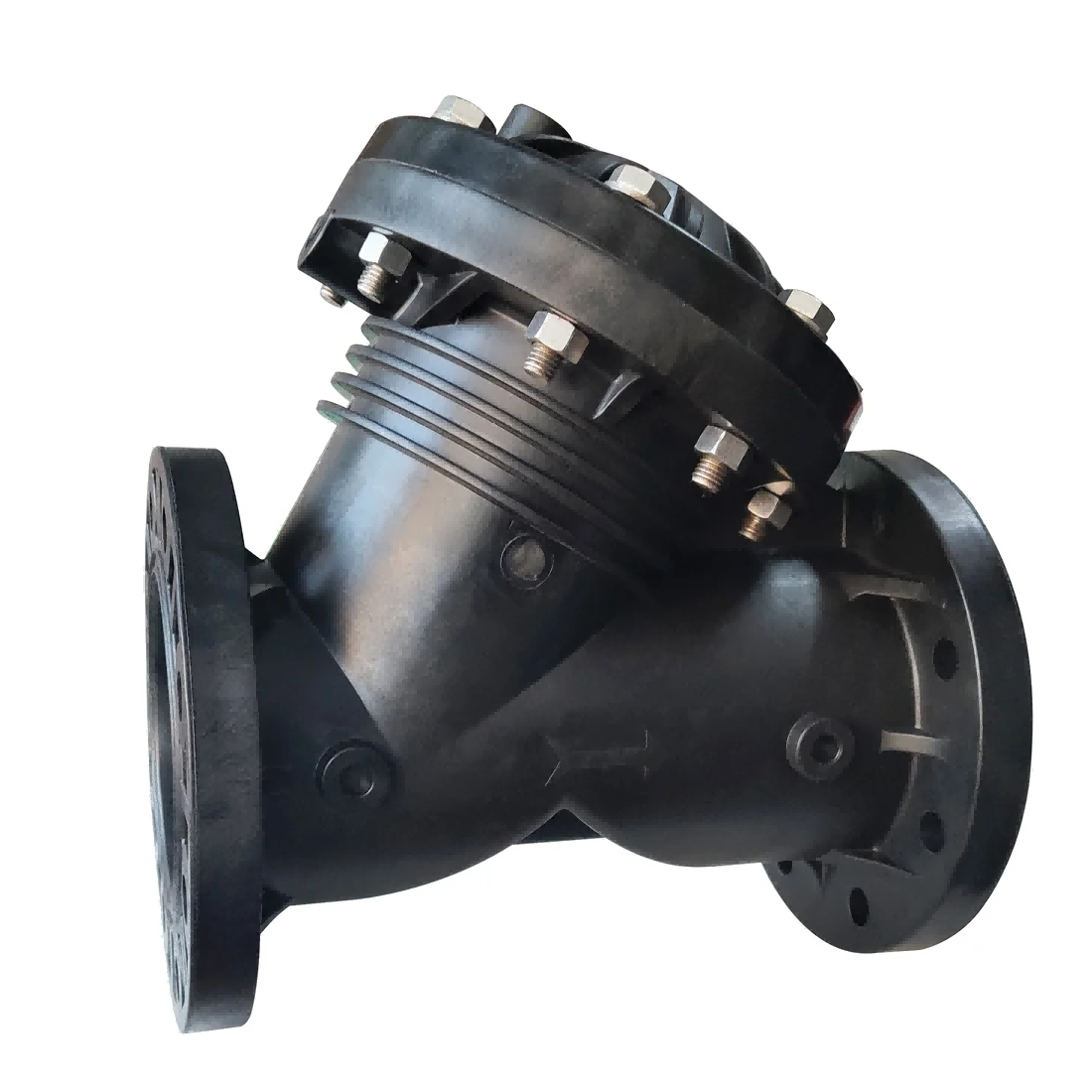
When agricultural operations transition from manual irrigation methods to automated systems, the selection of a wholesale supplier for solenoid valves determines not only the initial investment outlay but also the long-term reliability and maintenance burden of the entire water management infrastructure. A solenoid valve functions as an electromechanical actuator that converts electrical signals from irrigation controllers into precise mechanical actions that open or close water pathways, making it the fundamental switching mechanism that enables zone-based irrigation, fertigation scheduling, and water conservation programs. Understanding the specific requirements of agricultural applications—including pressure ratings, flow capacity, chemical compatibility with fertilizers and pesticides, and environmental durability—becomes essential when evaluating wholesale supply options that will serve operations spanning hundreds or thousands of acres across diverse crop types and climate conditions.
Understanding Solenoid Valve Requirements in Agricultural Settings
Operational Characteristics for Farm Irrigation Systems
Agricultural water management systems demand solenoid valves that can withstand continuous outdoor exposure while maintaining consistent performance across variable pressure conditions and water quality levels. Unlike industrial applications where water quality is often controlled and predictable, farm irrigation systems may encounter sediment, mineral deposits, biological matter, and chemical additives that can affect valve longevity and reliability. A quality solenoid valve designed for agricultural use typically features corrosion-resistant materials such as stainless steel, brass, or reinforced polymers that maintain structural integrity when exposed to fertilizer solutions, acidic or alkaline water conditions, and UV radiation from direct sunlight. The valve body must accommodate the pressure ranges commonly found in agricultural systems, typically between 20 and 150 PSI, while providing sufficient flow capacity to supply drip lines, sprinklers, or micro-irrigation emitters without creating pressure drops that compromise system performance.
The electrical specifications of agricultural solenoid valves must align with the power supply capabilities of irrigation controllers and the practical realities of field installation. Most agricultural solenoid valves operate on low-voltage AC power, commonly 24VAC, which reduces electrical hazards in wet environments and allows for safer installation by non-specialized personnel. The solenoid coil itself must be encapsulated in weatherproof housing rated for outdoor use, typically meeting IP68 or equivalent ingress protection standards that prevent moisture infiltration even when valve boxes become flooded during heavy rainfall or irrigation malfunctions. Response time represents another critical operational characteristic, as agricultural systems benefit from valves that open and close quickly to minimize water waste during zone transitions while avoiding hydraulic shock that can damage pipes, fittings, and emitters throughout the distribution network.
Volume Requirements and Wholesale Supply Planning
Calculating the appropriate quantity of solenoid valves needed for a wholesale order requires careful analysis of the irrigation system design, including the number of irrigation zones, redundancy requirements, and anticipated replacement needs over a multi-year planning horizon. Large agricultural operations implementing comprehensive automation may require dozens or even hundreds of solenoid valves distributed across the property, with each valve controlling a specific irrigation zone designed to deliver water to crops with similar water requirements, soil types, or growth stages. Wholesale purchasing becomes economically advantageous when operations can consolidate their valve procurement into bulk orders that qualify for volume pricing tiers, which typically offer cost reductions of fifteen to forty percent compared to retail or small-quantity purchases, depending on order size and supplier relationships.
Strategic wholesale buyers also factor in spare inventory requirements to minimize operational disruptions when solenoid valves fail during critical irrigation periods. Agricultural best practices typically recommend maintaining spare valve inventory equivalent to five to ten percent of installed capacity, allowing maintenance personnel to quickly replace failed units without waiting for emergency shipments that may be delayed or incur premium freight charges. When establishing wholesale supply relationships, forward-thinking agricultural operations negotiate not only pricing but also delivery schedules, payment terms, technical support availability, and warranty provisions that align with seasonal planting and harvesting cycles. Some wholesale suppliers offer consignment arrangements or seasonal stocking programs that allow agricultural buyers to secure favorable pricing during off-season periods while deferring inventory receipt until just before peak installation seasons, thereby reducing storage requirements and capital tied up in unused inventory.
Technical Specifications That Matter for Agricultural Applications
Material Compatibility and Chemical Resistance
The internal components of a solenoid valve must demonstrate chemical resistance appropriate for the specific agricultural chemicals and water treatments that will pass through the valve during normal operation. Fertigation systems, which inject fertilizers directly into irrigation water, expose valve seals, diaphragms, and internal passages to nitrogen compounds, phosphates, potassium solutions, and micronutrients that can degrade certain elastomer materials over time. High-quality agricultural solenoid valves utilize sealing materials such as EPDM, Viton, or NBR compounds selected for their resistance to common agricultural chemicals while maintaining flexibility across the temperature ranges encountered in field conditions. The valve seat and internal flow passages should be manufactured from materials that resist pitting and corrosion when exposed to acidic or alkaline solutions, with stainless steel and engineered polymers offering superior longevity compared to brass or zinc alloys in chemically aggressive environments.
Water quality considerations extend beyond chemical additives to include particulate matter that can interfere with valve operation or cause premature wear of moving components. Agricultural water sources ranging from wells and ponds to municipal supplies and reclaimed water often contain suspended solids, sand, organic debris, and mineral precipitates that necessitate appropriate filtration upstream of solenoid valves. When specifying wholesale solenoid valve requirements, agricultural water managers must consider the valve's tolerance for particle size and concentration, as well as whether the valve design incorporates features such as flow-through construction that minimizes internal cavities where sediment can accumulate. Some agricultural valve designs include easily accessible diaphragm chambers and manual bleed screws that facilitate field maintenance and cleaning without requiring complete valve removal, significantly reducing maintenance labor costs across large installations with numerous valve stations.
Voltage Standards and Power Consumption
Electrical specifications represent a critical compatibility factor when selecting wholesale solenoid valve supplies for integration with existing or planned irrigation controllers. The vast majority of agricultural irrigation controllers output 24VAC power to valve terminals, establishing this voltage as the de facto standard for agricultural solenoid valves in most markets. However, some systems utilize DC power supplies, battery-operated controllers, or solar-powered stations that require solenoid valves designed for 9VDC, 12VDC, or latching-type operation that consumes power only during the switching event rather than maintaining continuous coil energization. Wholesale buyers must verify voltage compatibility across their entire operation, particularly when multiple irrigation systems were installed at different times or when consolidating equipment from acquired properties that may have utilized different control standards.
Power consumption characteristics affect both the number of valves that can be operated simultaneously from a single controller and the total electrical load that must be supplied to remote valve manifolds through potentially long wire runs. Standard solenoid valve inrush current during valve opening may reach 400 to 600 milliamps before settling to a holding current of 150 to 200 milliamps, meaning that a controller capable of supplying 1.5 amps can theoretically operate seven to ten valves if opened sequentially but only three to four if opened simultaneously. Wholesale specifications should include detailed electrical characteristics that allow system designers to calculate voltage drop across wire runs, determine appropriate wire gauge for field installation, and select controllers with adequate power capacity for the intended valve configuration. Lower power consumption models utilizing more efficient coil designs reduce heat generation and extend coil life, particularly important in agricultural environments where valve boxes may experience elevated temperatures during summer months in exposed locations without shade or ventilation.
Establishing Reliable Wholesale Supply Relationships
Evaluating Supplier Capabilities and Track Records
Selecting a wholesale solenoid valve supplier requires due diligence that extends beyond price comparison to encompass manufacturing quality, supply chain reliability, technical support capabilities, and long-term business stability. Agricultural operations implementing large-scale automation investments need suppliers who can provide consistent product specifications across multiple orders spanning several years, ensuring that replacement valves match the performance characteristics and mounting configurations of originally installed units. Suppliers with established quality management systems, documented testing protocols, and traceability procedures offer greater assurance that wholesale valve shipments will meet specified performance standards, reducing the risk of field failures that disrupt irrigation schedules during critical growth periods when water stress can significantly impact crop yields and quality.
A supplier's manufacturing capacity and inventory depth determine their ability to fulfill large wholesale orders within required timeframes and respond to unexpected demand surges when emergency replacements or system expansions become necessary. Agricultural buyers should inquire about lead times for standard products versus custom configurations, minimum order quantities that qualify for wholesale pricing, and the supplier's flexibility in accommodating partial shipments or phased deliveries that align with project installation schedules. Suppliers who maintain adequate component inventory and multiple manufacturing lines demonstrate lower risk of supply interruptions due to component shortages or production bottlenecks, particularly important when agricultural projects operate under tight seasonal windows that cannot accommodate extended delays. Technical support capabilities including application engineering assistance, troubleshooting guidance, and warranty claim processing represent valuable differentiators among wholesale suppliers, as agricultural operations may lack in-house expertise to diagnose complex valve issues or optimize system performance without external assistance.
Negotiating Terms and Protecting Long-Term Interests
Effective wholesale purchasing agreements address not only unit pricing but also payment terms, delivery logistics, warranty coverage, and provisions for handling defective products or performance issues that emerge after installation. Volume-based pricing tiers should be clearly documented with specific thresholds that trigger each discount level, along with provisions for combining multiple orders within a defined timeframe to reach higher volume tiers when projects span multiple installation phases. Payment terms significantly affect cash flow for agricultural operations, with extended net terms, progress billing, or seasonal payment schedules potentially providing better financial alignment than standard net-30 arrangements, particularly for farms that experience concentrated revenue during harvest periods while incurring expenses throughout the growing season.
Warranty provisions should specify coverage duration, failure rate thresholds that trigger wholesale replacement rather than individual unit returns, and procedures for documenting and processing claims without disrupting ongoing operations. Some wholesale agreements include performance guarantees that provide remedies such as replacement units, installation labor reimbursement, or crop loss compensation when valve failures result in irrigation disruptions during critical periods, though such provisions typically require careful documentation of proper installation, maintenance, and operating conditions. Forward-thinking agricultural buyers may negotiate technology refresh provisions that guarantee access to updated valve designs incorporating improved materials or features while maintaining backward compatibility with installed controllers and manifold assemblies, protecting against obsolescence that could force costly system-wide replacements when individual components reach end-of-life.
Integration Considerations for Complete Water Management Systems
Controller Compatibility and System Architecture
The solenoid valve represents just one component within a complete agricultural water management system that includes controllers, sensors, distribution piping, emitters, and monitoring equipment that must function as an integrated whole to achieve desired irrigation outcomes. Controller selection determines the maximum number of solenoid valves that can be managed, programming flexibility for implementing complex irrigation schedules, and capability for integrating environmental sensors that enable responsive irrigation based on soil moisture, weather conditions, or plant water stress indicators. Modern agricultural irrigation controllers range from simple electromechanical timers supporting a handful of zones to sophisticated networked systems managing hundreds of valves across multiple sites with wireless communication, remote monitoring, and data logging capabilities that support precision agriculture initiatives and water use documentation for regulatory compliance.
System architecture decisions affect wholesale solenoid valve specifications including voltage requirements, flow capacity ratings, and physical configuration for manifold mounting versus individual installation. Centralized valve manifolds that consolidate multiple solenoid valves in a single location simplify wiring, reduce installation labor, and facilitate maintenance access but require valves with appropriate flow capacity to supply distant irrigation zones through potentially long lateral runs. Distributed valve placement throughout the irrigated area allows for simpler hydraulic design with shorter lateral runs but increases field wiring complexity and creates multiple service points that maintenance personnel must access for troubleshooting and repairs. Hybrid approaches utilizing regional valve manifolds distributed strategically across large properties balance installation efficiency with hydraulic performance, requiring careful coordination between hydraulic design specifications and wholesale valve procurement to ensure that valve flow ratings match the requirements of each manifold location's served irrigation zones.
Maintenance Infrastructure and Spare Parts Management
Successful long-term operation of agricultural irrigation systems equipped with wholesale solenoid valve installations requires establishing maintenance infrastructure including diagnostic equipment, spare parts inventory, trained personnel, and documented procedures for routine servicing and emergency repairs. Agricultural maintenance teams should maintain spare solenoid coils, diaphragm assemblies, and complete valve bodies in quantities sufficient to address multiple simultaneous failures without exhausting inventory during peak irrigation seasons when valve cycling frequency and operational hours reach annual maximums. Standardizing on specific solenoid valve models across the entire operation simplifies spare parts management, reduces training requirements for maintenance personnel, and allows for efficient troubleshooting based on accumulated experience with specific valve behaviors and common failure modes.
Preventive maintenance schedules should address both electrical and mechanical aspects of solenoid valve operation, including periodic inspection of wire connections for corrosion or looseness, verification of adequate voltage supply at valve terminals, testing of coil resistance to detect incipient failures, and internal cleaning to remove sediment accumulation that can interfere with diaphragm movement or create leakage paths. Agricultural operations implementing comprehensive maintenance programs often establish baseline performance metrics including valve response time, flow rate at standard pressure, and closing seal integrity that enable early detection of degraded performance before complete failure occurs. Documentation of valve installation dates, maintenance activities, and failure events supports data-driven decisions about wholesale reorder timing, identification of problematic valve locations that may indicate hydraulic issues or electrical problems affecting multiple units, and evaluation of actual service life compared to manufacturer specifications to validate that wholesale supplier quality meets operational requirements.
Economic Analysis and Return on Investment
Cost Components Beyond Purchase Price
While wholesale solenoid valve pricing represents the most visible cost component when budgeting for agricultural automation projects, comprehensive economic analysis must account for installation labor, ongoing maintenance expenses, energy consumption, and the economic impact of irrigation system reliability on crop production outcomes. Installation labor costs vary significantly based on system architecture, site conditions, and whether projects utilize dedicated irrigation contractors or in-house farm labor, but typically represent twenty to fifty percent of total valve-related costs for new installations. Wholesale valve procurement strategies should consider not only per-unit valve pricing but also whether valve design features such as color-coded wire leads, flow direction indicators, and simplified mounting reduce installation time and minimize errors that require costly rework or create unreliable valve stations requiring excessive service attention.
Ongoing maintenance costs over the operational lifetime of solenoid valves significantly influence total cost of ownership, with high-quality valves demonstrating lower failure rates, longer service intervals, and reduced labor requirements for cleaning and adjustment. Economic models comparing wholesale valve options should project maintenance labor hours based on expected service life and failure rates, incorporating realistic labor costs that account for travel time to remote valve locations, diagnostic time to identify failed components, and the premium labor costs often incurred for emergency repairs during weekends or holidays when irrigation failures threaten crop health. Energy consumption represents a minor but measurable cost component for large systems operating hundreds of solenoid valves, with more efficient valve designs reducing controller power supply requirements and allowing for smaller, less expensive controllers or enabling battery or solar operation in remote areas where conventional power supply would require expensive infrastructure investments.
Productivity Benefits and Risk Mitigation
The agricultural value proposition for investing in quality wholesale solenoid valve supplies extends beyond direct cost considerations to encompass productivity improvements, labor reallocation opportunities, and risk mitigation benefits that collectively generate return on investment through increased crop yields, reduced labor costs, and improved resource efficiency. Automated irrigation systems utilizing reliable solenoid valves enable precise water application timing and duration that optimize plant growth while minimizing water waste, with research demonstrating yield improvements of ten to thirty percent compared to manual irrigation methods that cannot achieve similar precision or consistency. Labor savings represent another significant benefit, as automated systems eliminate the need for workers to manually move irrigation equipment or open and close valves throughout the day and night, allowing farm labor to be redirected toward higher-value activities such as crop monitoring, pest management, or facility maintenance.
Risk mitigation benefits include reduced exposure to crop losses from irrigation failures, improved compliance with water use regulations through documentation and metering capabilities, and enhanced operational resilience during labor shortages or extreme weather events that limit field access. Agricultural operations in water-constrained regions or those subject to allocation limits benefit particularly from automated systems using quality solenoid valves that prevent overwatering, minimize runoff, and demonstrate responsible resource stewardship to regulators and communities concerned about agricultural water consumption. Insurance implications may also favor properties with modern irrigation automation, as some carriers offer reduced premiums for operations demonstrating lower risk profiles through investments in technologies that reduce water-related damage, fire suppression capability through readily available irrigation infrastructure, or documentation systems that support claims processing in the event of weather-related crop losses.
FAQ
What flow capacity should I specify when ordering wholesale solenoid valves for agricultural irrigation?
Flow capacity specifications depend on the maximum demand of each irrigation zone, calculated by totaling the flow requirements of all emitters, sprinklers, or drip lines served by each valve and adding a safety margin of ten to twenty percent. Standard agricultural solenoid valves range from 0.5 to 3.0 inches in diameter with flow capacities from 5 to 100 gallons per minute at typical operating pressures. It is critical to match valve size to actual zone requirements rather than oversizing, as valves operating below minimum flow thresholds may experience erratic operation or premature wear, while properly sized valves provide reliable performance and optimal flow control throughout their service life.
How do I determine the right quantity for a wholesale solenoid valve order?
Calculate the number of irrigation zones in your current system design, then add spare inventory equivalent to five to ten percent of installed quantity to support rapid replacement during peak season without emergency ordering. For operations planning system expansions over multi-year timeframes, consider ordering additional units at current wholesale pricing if storage capacity permits and supplier guarantees honor established pricing for future technical support and warranty claims. Work with your supplier to understand minimum order quantities that qualify for wholesale pricing tiers and evaluate whether consolidating multiple smaller projects into a single larger order provides sufficient cost savings to justify advance purchasing and inventory carrying costs.
What warranty provisions should I expect from a wholesale solenoid valve supplier?
Reputable wholesale suppliers typically offer warranties ranging from one to five years covering manufacturing defects and material failures under normal operating conditions, though specific terms vary based on valve quality tier and application requirements. Warranty coverage should clearly specify what constitutes proper installation and operating conditions, procedures for documenting and filing claims, remedies available including replacement units or credit toward future purchases, and whether warranty includes coverage for consequential damages such as crop losses resulting from valve failures. For large wholesale orders, negotiate warranty terms that allow batch replacement rather than individual unit returns when failure rates exceed acceptable thresholds, reducing administrative burden and accelerating resolution of systematic quality issues.
Can I mix different solenoid valve brands within the same irrigation system?
While technically possible to mix valve brands if electrical specifications match controller outputs and physical dimensions fit manifold assemblies, standardizing on a single manufacturer across your entire operation provides significant advantages in spare parts inventory management, maintenance training, troubleshooting efficiency, and wholesale pricing leverage. Mixing brands complicates maintenance by requiring personnel to understand multiple valve designs with different service procedures, increases spare parts inventory requirements, and may create warranty complications when system performance issues could involve interaction between components from multiple suppliers. If inheriting irrigation systems with mixed valve brands through property acquisition or system expansion, consider strategic replacement during major upgrades to consolidate on your preferred standard specification.
Table of Contents
- Understanding Solenoid Valve Requirements in Agricultural Settings
- Technical Specifications That Matter for Agricultural Applications
- Establishing Reliable Wholesale Supply Relationships
- Integration Considerations for Complete Water Management Systems
- Economic Analysis and Return on Investment
-
FAQ
- What flow capacity should I specify when ordering wholesale solenoid valves for agricultural irrigation?
- How do I determine the right quantity for a wholesale solenoid valve order?
- What warranty provisions should I expect from a wholesale solenoid valve supplier?
- Can I mix different solenoid valve brands within the same irrigation system?
