
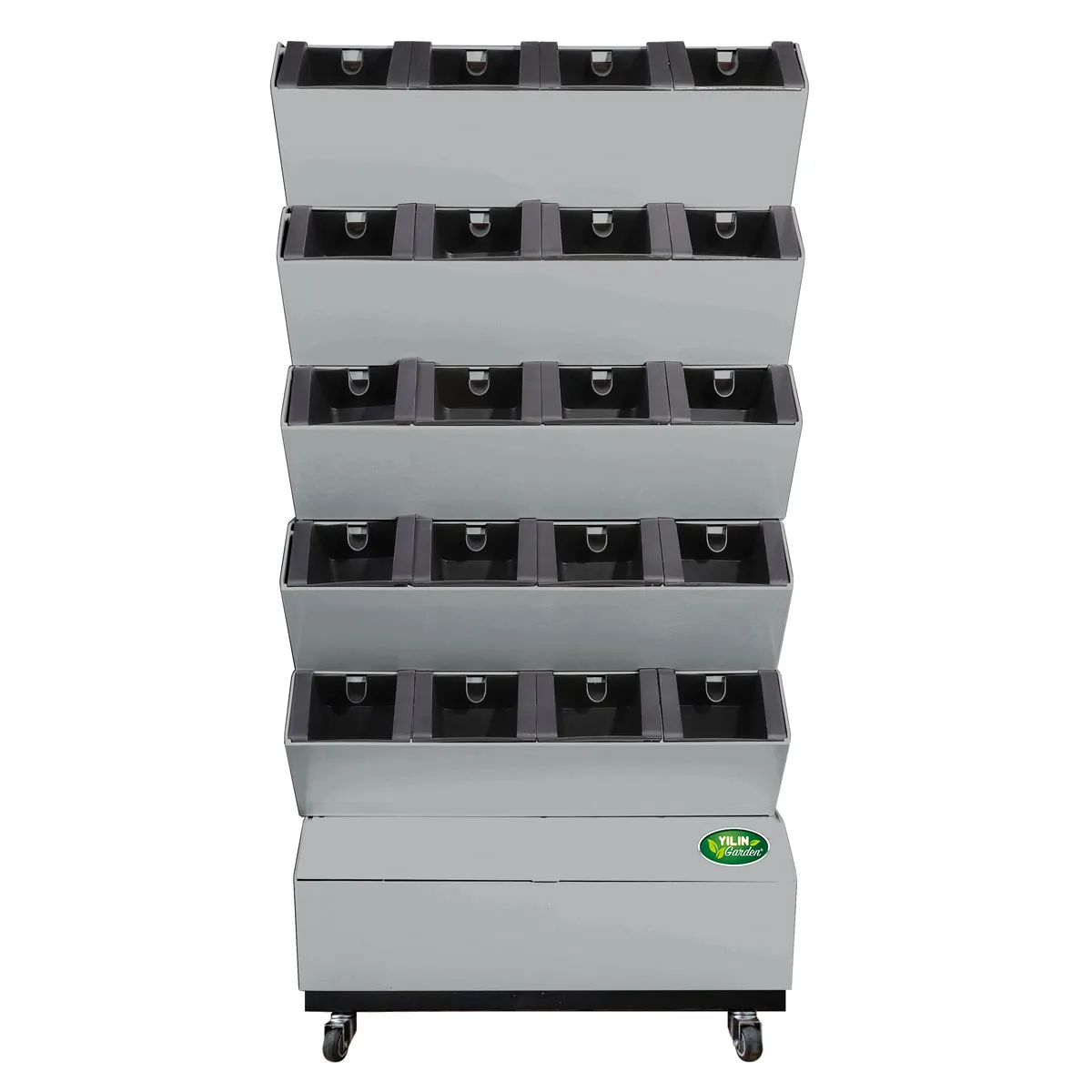
Managing pest control across large agricultural operations, commercial nurseries, or municipal green spaces requires equipment designed for efficiency, durability, and consistent performance. Wholesale garden sprayer solutions provide professional growers and facility managers with the scalable tools necessary to protect crops and ornamental plants from destructive insects, fungal diseases, and invasive weeds. When operations expand beyond residential gardening into commercial-scale applications, selecting appropriate sprayer technology becomes critical to maintaining plant health while controlling operational costs. Understanding the specific capabilities, capacity considerations, and performance characteristics of wholesale garden sprayer systems enables businesses to make informed procurement decisions that directly impact pest management effectiveness.
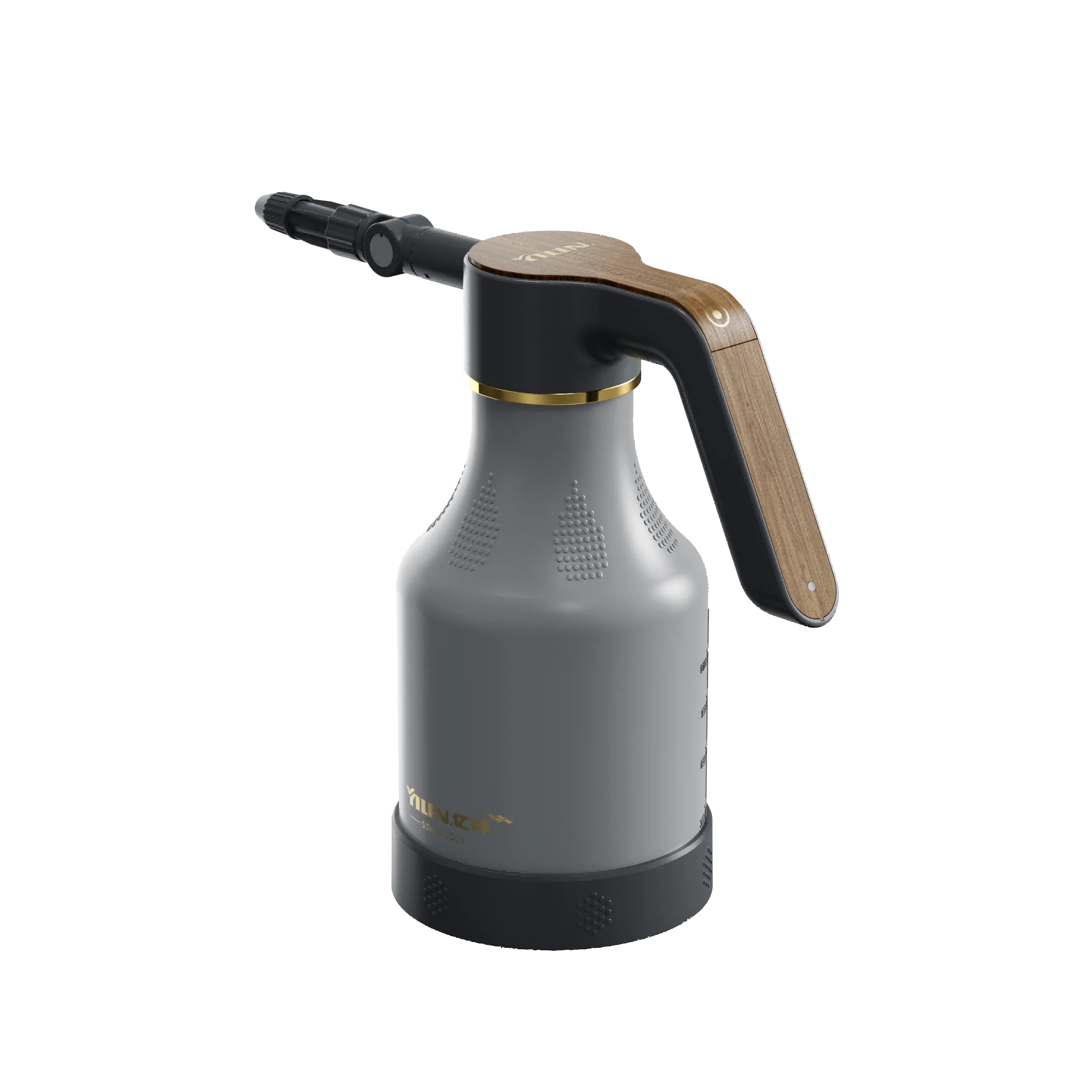
Large-scale pest control operations demand garden sprayer equipment that balances spray volume capacity with portability and application precision. Commercial growers purchasing wholesale garden sprayer inventory must evaluate pump mechanisms, tank construction materials, nozzle versatility, and maintenance requirements to ensure compatibility with their specific integrated pest management protocols. The distinction between consumer-grade garden sprayers and professional wholesale models lies in construction robustness, chemical resistance, replacement part availability, and the ability to withstand continuous daily use across multiple growing seasons. This comprehensive analysis examines the technical specifications, operational advantages, and procurement strategies that define effective wholesale garden sprayer solutions for enterprises requiring reliable, large-scale pest control capabilities.
Capacity and Volume Requirements for Commercial Pest Management
Determining Optimal Tank Capacity for Operational Efficiency
The most fundamental consideration when selecting wholesale garden sprayer solutions involves matching tank capacity to the acreage or facility size requiring treatment. Commercial operations typically require garden sprayer models ranging from fifteen to twenty-five liters for backpack-mounted applications, enabling operators to cover substantial ground before refilling becomes necessary. Larger operations may integrate wheeled cart-based sprayer systems with thirty to fifty-liter capacities, though these sacrifice the mobility advantages that make handheld and backpack garden sprayer designs valuable for navigating dense crop rows or greenhouse environments. Calculating the appropriate capacity involves assessing the concentration rates of pest control products, the recommended application volumes per square meter, and the practical limitations of operator fatigue when carrying fluid-filled equipment.
Professional-grade garden sprayer solutions designed for wholesale distribution typically feature ergonomic weight distribution systems that allow operators to work efficiently with fully loaded tanks. The eighteen-liter capacity range represents an optimal balance point where sufficient treatment volume justifies the effort of pressurizing and transporting the unit, while remaining within manageable weight limits for extended field work. Operations purchasing wholesale garden sprayer inventory should calculate their daily treatment area requirements and determine whether multiple smaller-capacity units or fewer larger-capacity systems better align with their workforce deployment strategies and refill station logistics.
Spray Duration and Refill Frequency Calculations
Operational efficiency in large-scale pest control directly correlates with minimizing downtime associated with refilling garden sprayer tanks. A properly sized wholesale garden sprayer enables operators to complete treatment zones without excessive interruptions, maintaining consistent application schedules that align with pest lifecycle vulnerabilities and optimal environmental conditions. Professional agricultural operations typically target continuous spray durations of twenty to thirty minutes before requiring refills, which allows operators to establish productive work rhythms while preventing physical strain from prolonged equipment carrying.
When evaluating wholesale garden sprayer solutions, procurement managers should consider the distance between treatment areas and water sources or mixing stations. Facilities with centralized chemical preparation areas benefit from standardized garden sprayer capacities that align with pre-measured pesticide concentrations, reducing mixing errors and chemical waste. The interaction between tank capacity, application pressure settings, and nozzle selection determines actual spray duration, with fine mist applications consuming less volume per minute compared to coarse droplet patterns used for herbicide applications. Wholesale buyers should request detailed flow rate specifications to accurately model refill frequency across their specific operational scenarios.
Pump Mechanism Performance for Continuous Commercial Use
Pressure Generation Systems in Professional Garden Sprayers
The pump mechanism represents the critical performance differentiator between consumer garden sprayers and professional wholesale models designed for commercial pest control. Manual pump-action garden sprayer systems intended for large-scale use incorporate reinforced piston assemblies, chemical-resistant seals, and pressure chambers engineered to maintain consistent output across extended pumping cycles. High-quality wholesale garden sprayer models utilize brass or stainless steel internal components rather than plastic alternatives, ensuring longevity when exposed to corrosive pesticides, fungicides, and herbicides formulated for agricultural applications.
Professional operators require garden sprayer systems capable of achieving and maintaining operating pressures between two and four bar, which enables effective atomization of treatment solutions into droplet sizes appropriate for foliar absorption or contact pest elimination. Wholesale garden sprayer solutions designed for continuous commercial use feature pressure relief valves that prevent over-pressurization while allowing operators to maintain optimal spray characteristics without constant re-pumping. The efficiency of the pump mechanism directly impacts operator fatigue, with superior designs requiring fewer strokes to achieve working pressure and maintaining that pressure longer during application.
Durability Considerations for High-Volume Applications
Commercial pest control operations subject garden sprayer equipment to substantially greater mechanical stress compared to occasional residential use. Wholesale garden sprayer models must withstand daily pressurization cycles, chemical exposure, temperature variations, and the physical demands of transport across rough terrain. Professional-grade pump assemblies incorporate replaceable seal kits and modular component designs that allow maintenance personnel to service garden sprayer units without complete equipment replacement, extending operational lifespan and protecting capital investment.
The material composition of pump components determines chemical compatibility and longevity in agricultural environments. Wholesale garden sprayer solutions featuring Viton or EPDM seals provide superior resistance to petroleum-based pesticides and solvent carriers compared to standard rubber seals that degrade rapidly under chemical exposure. Operators working with particularly aggressive formulations should prioritize garden sprayer models with comprehensive chemical resistance documentation, ensuring compatibility with their specific pest management product inventory. Professional wholesale suppliers typically provide detailed material compatibility charts that allow buyers to verify suitability before committing to large-quantity purchases.
Nozzle Technology and Application Versatility
Adjustable Spray Patterns for Diverse Treatment Scenarios
Effective large-scale pest control requires garden sprayer solutions with adaptable nozzle configurations that accommodate different target pests, plant structures, and treatment products. Wholesale garden sprayer systems designed for commercial applications typically include adjustable brass nozzles offering multiple spray patterns ranging from fine mist for foliar fungicide applications to concentrated streams for targeted weed treatment along fence lines or facility perimeters. The ability to modify spray characteristics without changing nozzle components increases operational flexibility and reduces the accessory inventory required to support diverse pest management protocols.
Professional operators benefit from garden sprayer nozzles featuring precise flow control mechanisms that maintain consistent droplet sizes across varying pressure levels. This consistency ensures uniform pesticide distribution, which directly impacts treatment efficacy and reduces waste from over-application or inadequate coverage. Wholesale garden sprayer procurement should prioritize models with clearly marked adjustment mechanisms and robust nozzle construction that withstands repeated field adjustments without losing calibration accuracy. The integration of anti-drip valves prevents chemical waste between treatment zones and minimizes environmental contamination from unintentional discharge.
Specialized Nozzle Configurations for Specific Pest Challenges
Certain pest control applications benefit from specialized nozzle attachments that extend the functional capabilities of standard garden sprayer equipment. Extension wands enable operators to treat tall crops, tree canopies, or building eaves without ladders, improving both safety and application efficiency. Wholesale garden sprayer solutions intended for greenhouse operations may include curved nozzle extensions that facilitate underside leaf treatment, which proves essential for controlling spider mites, whiteflies, and other pests that colonize protected plant surfaces.
Commercial operations managing diverse facility types should evaluate garden sprayer systems with interchangeable nozzle compatibility, allowing single equipment platforms to serve multiple treatment protocols. Flat fan nozzles provide efficient coverage for row crops and turf areas, while cone nozzles deliver superior penetration into dense foliage typical of ornamental shrubs and containerized nursery stock. The availability of replacement nozzles and extension accessories through wholesale channels ensures operational continuity and prevents treatment delays due to worn or damaged spray components. Professional garden sprayer suppliers typically offer complete accessory catalogs that allow operations to customize equipment configurations for their specific pest management requirements.
Material Construction and Chemical Resistance Standards
Tank Composition for Long-Term Pesticide Exposure
The structural integrity and chemical resistance of garden sprayer tanks directly influence equipment lifespan and operator safety in commercial pest control operations. Wholesale garden sprayer models designed for professional use typically employ high-density polyethylene or polypropylene tank construction, which provides excellent resistance to acidic and alkaline pesticide formulations while maintaining structural stability under pressure. Transparent or translucent tank materials allow operators to monitor solution levels without opening fill caps, reducing chemical exposure risks and enabling more accurate application rate calculations.
Professional-grade garden sprayer tanks incorporate reinforced mounting points for straps and carrying handles, distributing weight loads to prevent stress fractures that commonly develop in consumer models subjected to commercial workloads. Wholesale buyers should verify that garden sprayer tanks feature wide-mouth openings that facilitate thorough cleaning between applications, which proves essential when switching between different pesticide classes to prevent chemical incompatibility issues. The internal surface finish of quality garden sprayer tanks resists pesticide residue accumulation, simplifying decontamination procedures and reducing cross-contamination risks that could damage sensitive crops or compromise treatment efficacy.
Component Material Standards for Chemical Compatibility
Beyond tank construction, wholesale garden sprayer quality depends on the chemical resistance of all fluid-contact components including hoses, gaskets, pump seals, and valve assemblies. Professional garden sprayer systems utilize chemical-resistant hose materials that maintain flexibility across temperature ranges while resisting degradation from petroleum carriers, emulsifiers, and active pesticide ingredients. Reinforced hose construction prevents kinking and collapse under vacuum conditions that occur during spray application, ensuring consistent flow rates and preventing pressure fluctuations that compromise spray pattern uniformity.
Commercial operations should prioritize wholesale garden sprayer models with documented compatibility across broad pesticide categories including organophosphates, pyrethroids, neonicotinoids, systemic fungicides, and growth regulator herbicides. Manufacturers serving professional markets typically provide comprehensive chemical compatibility documentation that specifies safe exposure durations and recommended cleaning protocols for different pesticide formulations. Garden sprayer components manufactured from inferior materials may function adequately during initial use but fail rapidly when exposed to aggressive chemical formulations, resulting in costly equipment replacement and potential crop damage from spray equipment failure during critical treatment windows.
Maintenance Accessibility and Spare Parts Availability
Field Serviceability for Minimal Operational Disruption
Commercial pest control operations require garden sprayer equipment designed for rapid field maintenance and component replacement without specialized tools or extensive technical training. Wholesale garden sprayer models intended for professional use incorporate modular designs where pump assemblies, pressure chambers, and valve components can be accessed and serviced using common tools available in agricultural maintenance facilities. This serviceability reduces equipment downtime and allows operations to maintain backup component inventories rather than complete spare units, optimizing capital allocation.
Professional-grade garden sprayer systems feature clearly documented maintenance schedules and exploded-view diagrams that enable facility maintenance personnel to perform routine seal replacement, pressure valve adjustment, and nozzle cleaning without manufacturer assistance. Wholesale suppliers serving commercial markets typically offer comprehensive service training and technical support resources that help operations establish preventive maintenance programs tailored to their usage intensity. The availability of maintenance documentation and technical resources represents a critical evaluation criterion when comparing wholesale garden sprayer suppliers, as adequate support infrastructure directly impacts total cost of ownership across multi-year operational horizons.
Replacement Component Sourcing for Long-Term Fleet Management
Large-scale operations purchasing wholesale garden sprayer inventory must consider the long-term availability of replacement parts and consumable components. Professional suppliers maintain extensive parts inventories for current product lines and provide committed support periods for discontinued models, protecting buyer investments and preventing forced equipment replacement due to parts obsolescence. Garden sprayer fleet managers should establish relationships with wholesale suppliers offering guaranteed parts availability and reasonable lead times for critical wear components including pump seals, pressure relief valves, and hose assemblies.
The standardization of garden sprayer components across product lines enables operations to reduce parts inventory complexity and simplify maintenance procedures. Wholesale buyers should prioritize suppliers whose garden sprayer models utilize common pump seal kits, universal nozzle threads, and standardized hose fittings that allow component interchangeability across different capacity models. This standardization proves particularly valuable for operations managing mixed fleets of backpack, handheld, and wheeled garden sprayer units, as consolidated parts inventories reduce carrying costs while ensuring operational readiness across all equipment categories. Professional wholesale relationships should include access to bulk pricing on consumable components and expedited shipping options for emergency replacement needs during critical pest management periods.
Procurement Strategies for Wholesale Garden Sprayer Acquisition
Volume Pricing Structures and Contract Considerations
Commercial operations planning large-scale garden sprayer procurement should leverage wholesale pricing structures that reward volume commitments while ensuring sufficient equipment standardization to optimize training and maintenance efficiency. Professional wholesale suppliers typically offer tiered pricing that decreases per-unit costs as order quantities increase, with additional discounts available for multi-year supply agreements or exclusive supplier relationships. Garden sprayer fleet buyers should negotiate contract terms that balance competitive pricing with flexibility to adjust order quantities based on operational expansion or equipment performance evaluation results.
Wholesale garden sprayer acquisition strategies should incorporate total cost of ownership calculations that extend beyond initial purchase price to include expected maintenance costs, replacement parts expenses, and operational efficiency impacts. Lower-priced garden sprayer models may appear attractive initially but generate higher lifecycle costs through premature component failure, increased maintenance labor requirements, and reduced spray efficiency that increases pesticide consumption. Professional procurement teams should request detailed warranty coverage information, parts pricing schedules, and documented field reliability data when evaluating competing wholesale garden sprayer suppliers, enabling comprehensive cost comparisons that reflect true long-term value.
Quality Verification and Supplier Qualification Processes
Establishing reliable wholesale garden sprayer supply relationships requires thorough supplier qualification processes that verify manufacturing quality, regulatory compliance, and service capability. Commercial buyers should request sample units for field evaluation before committing to large-quantity purchases, allowing operations teams to assess spray performance, ergonomic characteristics, and maintenance accessibility under actual working conditions. Garden sprayer evaluation protocols should include pressure retention testing, nozzle pattern verification, and accelerated wear simulation to identify potential durability concerns before fleet-wide deployment.
Professional wholesale garden sprayer suppliers should demonstrate compliance with relevant safety standards and provide documentation of material certifications for chemical-contact components. Operations serving regulated industries including organic agriculture, food processing facilities, or municipal park systems may require garden sprayer equipment meeting specific certification standards regarding chemical residue limits or material composition. Supplier qualification should verify the availability of technical documentation, safety data sheets, and operator training resources that support safe equipment deployment and regulatory compliance. Establishing qualified supplier relationships provides procurement security and enables collaborative problem-solving when operational requirements evolve or specialized garden sprayer configurations become necessary.
FAQ
What capacity garden sprayer is most suitable for treating five to ten acres of commercial nursery space daily?
For commercial nursery operations treating five to ten acres daily, eighteen to twenty-liter backpack garden sprayer models provide optimal balance between treatment capacity and operator mobility. This capacity enables approximately thirty to forty minutes of continuous spraying depending on nozzle settings and application rates, which allows operators to complete substantial sections between refills while maintaining comfortable carrying weight. Operations should plan for multiple units to enable continuous work rotation while refilling and mixing, with total fleet size determined by crew size and simultaneous treatment area requirements. Larger wheeled garden sprayer systems may suit operations with paved pathways but sacrifice the maneuverability necessary for navigating dense container arrangements typical of nursery production environments.
How frequently should commercial garden sprayer pump seals be replaced under daily use conditions?
Under daily commercial use conditions with proper maintenance protocols, professional-grade garden sprayer pump seals typically require replacement every three to six months depending on chemical exposure intensity and pressurization frequency. Operations using aggressive pesticide formulations or maintaining consistently high operating pressures may experience shorter seal lifespans, while those primarily applying water-based biological controls can extend replacement intervals. Preventive seal replacement schedules prevent unexpected field failures and should be coordinated with seasonal pest management intensity, with major service intervals scheduled during low-demand periods. Maintaining adequate seal kit inventory and training maintenance personnel on replacement procedures minimizes operational disruption and extends overall garden sprayer equipment lifespan.
Can wholesale garden sprayer equipment be safely used with both herbicide and insecticide applications?
While wholesale garden sprayer equipment constructed with appropriate chemical-resistant materials can physically withstand both herbicide and insecticide formulations, professional pest management protocols strongly recommend dedicating separate equipment to each pesticide category. Herbicide residues remaining after cleaning can damage sensitive ornamental crops even at trace concentrations, making dedicated herbicide garden sprayer units essential for operations treating both weeds and valued plants. Operations requiring versatility should maintain clearly labeled equipment dedicated to specific pesticide classes, with comprehensive cleaning procedures documented and enforced between any applications involving different chemical categories. This dedicated approach prevents costly crop damage and liability exposure while ensuring regulatory compliance with pesticide label restrictions regarding equipment contamination.
What warranty coverage should buyers expect when purchasing professional garden sprayer equipment wholesale?
Professional wholesale garden sprayer suppliers typically offer warranty coverage ranging from one to three years on structural components including tanks and frames, with shorter coverage periods for wear items such as pump seals, hoses, and nozzles. Quality manufacturers stand behind their products with warranties covering material defects and workmanship failures while excluding damage from improper chemical use, inadequate maintenance, or physical abuse. Wholesale buyers should carefully review warranty terms regarding coverage duration, claim procedures, and replacement part logistics before finalizing large-quantity purchases. Extended warranty options may be available for additional cost and can provide value for operations lacking in-house repair capabilities or those deploying equipment in demanding environmental conditions that accelerate component wear.
Table of Contents
- Capacity and Volume Requirements for Commercial Pest Management
- Pump Mechanism Performance for Continuous Commercial Use
- Nozzle Technology and Application Versatility
- Material Construction and Chemical Resistance Standards
- Maintenance Accessibility and Spare Parts Availability
- Procurement Strategies for Wholesale Garden Sprayer Acquisition
-
FAQ
- What capacity garden sprayer is most suitable for treating five to ten acres of commercial nursery space daily?
- How frequently should commercial garden sprayer pump seals be replaced under daily use conditions?
- Can wholesale garden sprayer equipment be safely used with both herbicide and insecticide applications?
- What warranty coverage should buyers expect when purchasing professional garden sprayer equipment wholesale?
