
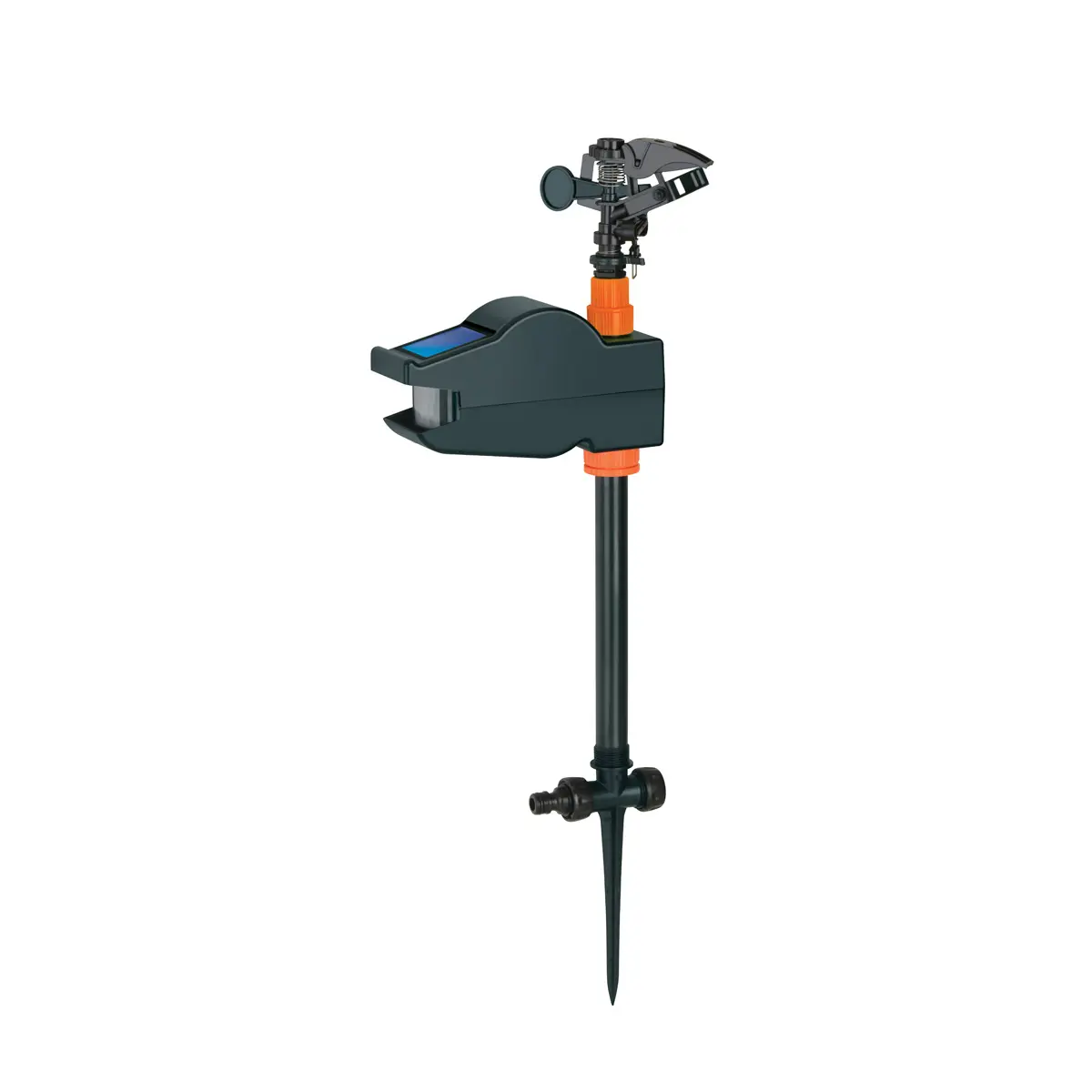
Commercial landscaping operations demand reliable, efficient equipment that can handle extensive daily use across multiple properties. When sourcing a battery-powered garden sprayer for professional landscaping work, contractors and facility managers face critical decisions that directly impact operational efficiency, labor costs, and service quality. Unlike residential models designed for occasional backyard use, commercial-grade battery-powered garden sprayers must deliver consistent performance throughout full work shifts, withstand harsh environmental conditions, and provide ergonomic advantages that reduce worker fatigue during repetitive application tasks. The procurement process requires careful evaluation of battery technology, tank capacity, spray pressure consistency, durability construction, and total cost of ownership to ensure the selected equipment aligns with business requirements and delivers acceptable return on investment.
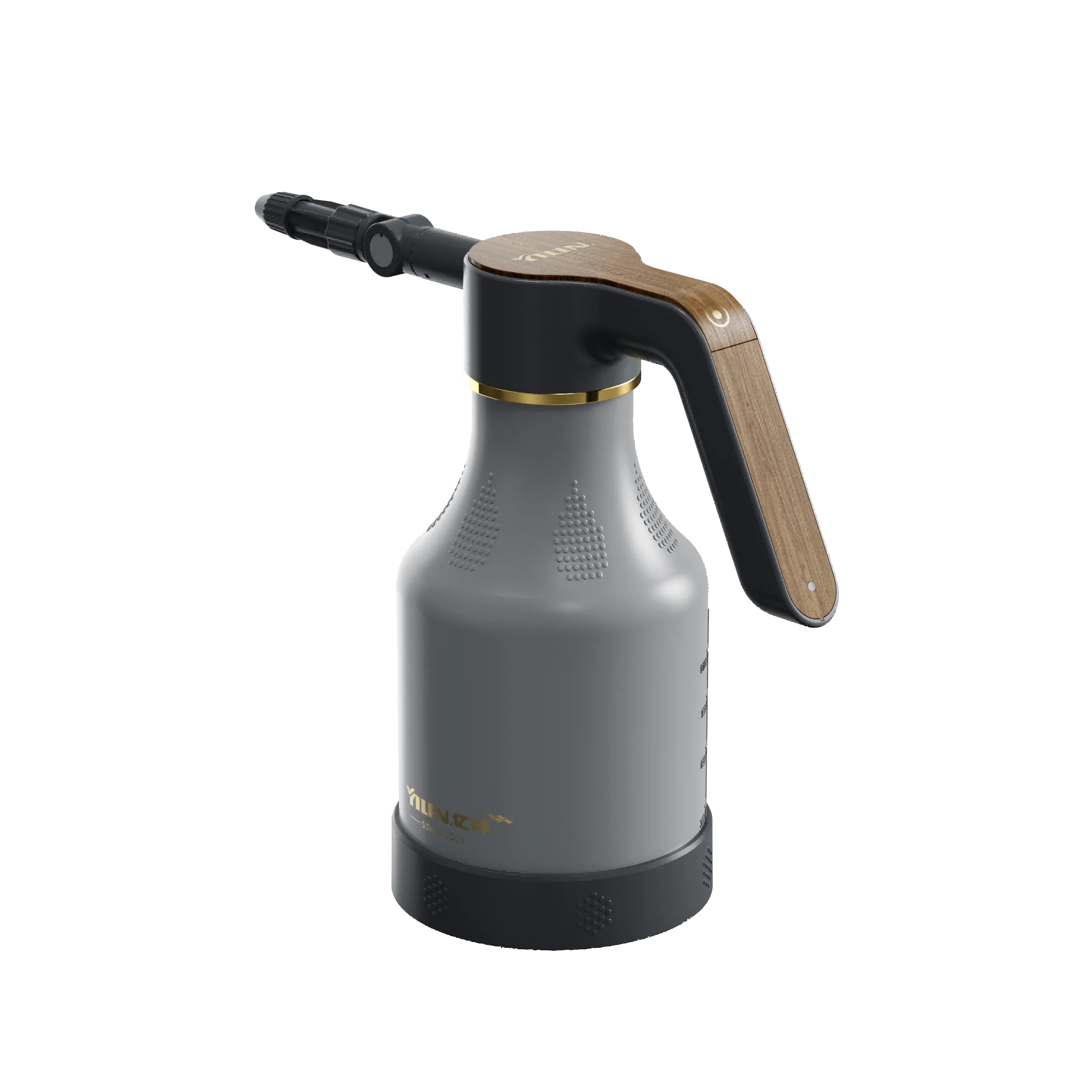
The transition from manual pump sprayers and gasoline-powered equipment to battery-powered garden sprayer technology represents a significant operational shift for landscaping businesses. This evolution addresses persistent industry challenges including worker compensation claims from repetitive strain injuries, noise ordinances in residential zones, emission regulations in environmentally sensitive areas, and the rising costs associated with fuel-dependent equipment maintenance. Professional landscapers applying fertilizers, herbicides, pesticides, and growth regulators across commercial properties, municipal parks, golf courses, and large residential estates require spraying systems that combine portability with professional-grade performance specifications that manual and traditional powered units struggle to match consistently.
Understanding Commercial-Grade Battery Sprayer Specifications
Tank Capacity Requirements for Professional Applications
Commercial landscaping operations typically require battery-powered garden sprayer units with tank capacities ranging from 12 to 20 liters to balance mobility with productivity. Smaller capacity units necessitate frequent refilling that disrupts workflow efficiency and increases labor time on larger properties, while excessively large tanks create ergonomic challenges that contribute to operator fatigue and potential injury. The optimal capacity depends on property size, application frequency, chemical concentration rates, and crew configuration. For example, a landscaping team servicing multiple residential properties throughout a day benefits from 15-18 liter capacity units that provide sufficient volume for several complete applications without requiring constant return trips to mixing stations, whereas crews working expansive commercial campuses may prefer 18-20 liter professional models despite increased weight when full.
Tank construction quality directly impacts chemical compatibility and equipment longevity in commercial settings. Professional-grade battery-powered garden sprayer models feature UV-resistant polyethylene or reinforced composite materials that resist degradation from prolonged exposure to concentrated herbicides, acidic fertilizer solutions, and alkaline cleaning agents. Translucent tank designs with graduated measurement markings enable accurate chemical mixing and remaining volume monitoring without opening the tank, reducing exposure risks and improving application precision. Wide-mouth openings facilitate thorough cleaning between different chemical applications, preventing cross-contamination that could damage sensitive landscape plants or violate pesticide label requirements for application equipment sanitation.
Battery Technology and Runtime Performance
Lithium-ion battery systems have become the industry standard for commercial battery-powered garden sprayer equipment due to superior energy density, minimal self-discharge rates, and absence of memory effect that plagued earlier nickel-cadmium technologies. Professional models typically incorporate 12-volt or 18-volt battery platforms that provide 2-4 hours of continuous operation under typical commercial application conditions. Battery runtime calculations must account for actual working pressure settings, nozzle flow rates, ambient temperature conditions, and battery age degradation rather than relying solely on manufacturer maximum runtime claims tested under ideal laboratory conditions. Commercial landscaping businesses should evaluate whether the battery-powered garden sprayer uses proprietary battery systems or industry-standard platforms that offer interchangeability with other cordless tools already in their equipment inventory.
Charging infrastructure considerations become critical for multi-crew operations running concurrent routes across different service areas. Fast-charging capabilities that restore 80 percent capacity within 60-90 minutes enable battery rotation strategies that maintain continuous operation throughout extended work shifts. Some commercial battery-powered garden sprayer systems offer dual battery configurations or hot-swappable battery designs that eliminate downtime during charging cycles. Landscaping contractors should calculate total battery inventory requirements based on crew size, daily application volume, charging cycle duration, and backup capacity needed to accommodate unexpected equipment issues without disrupting service schedules. Investment in redundant battery capacity typically proves more cost-effective than losing billable hours due to depleted batteries during peak seasonal demand periods.
Evaluating Pressure Performance and Application Precision
Consistent Pressure Delivery Systems
Professional-quality battery-powered garden sprayer equipment maintains consistent operating pressure throughout the discharge cycle, unlike manual pump sprayers that experience significant pressure decay between pumping intervals. Commercial applications requiring uniform coverage for effective pest control or even fertilizer distribution depend on stable pressure delivery that produces consistent droplet size and spray pattern geometry. Quality battery-powered models incorporate pressure regulation systems that maintain 40-60 PSI operating ranges regardless of tank fill level or battery charge state, ensuring application accuracy from the first spray to final tank volume. Pressure consistency directly affects chemical efficacy, as variations alter droplet spectrum and deposition characteristics that determine whether active ingredients reach target surfaces or drift beyond intended treatment areas.
Adjustable pressure controls enable operators to optimize spray characteristics for different application scenarios encountered in commercial landscaping work. Lower pressure settings between 20-30 PSI suit broadcast applications of liquid fertilizers across turf areas where larger droplet sizes minimize drift and maximize soil penetration. Higher pressure ranges approaching 60-80 PSI facilitate targeted pest control applications requiring fine droplet atomization to achieve thorough coverage on dense shrub foliage or penetrate thick ornamental grass canopies. The battery-powered garden sprayer should feature clearly marked pressure adjustment mechanisms that allow field modifications without requiring tools, enabling rapid adaptation as crews transition between different treatment tasks throughout their daily routes.
Nozzle Compatibility and Spray Pattern Versatility
Commercial battery-powered garden sprayer units must accommodate standard industry nozzle configurations to provide application flexibility across diverse landscaping tasks. Universal nozzle threads compatible with flat fan, hollow cone, adjustable cone, and specialized foam-generating tips enable single equipment platforms to handle broadcast herbicide applications, targeted insecticide treatments, soil drench fungicide applications, and foaming surfactant delivery without maintaining separate dedicated sprayers. Quick-disconnect wand assemblies with multiple nozzle holders allow rapid switching between spray patterns during application work, improving efficiency when servicing properties requiring varied treatment approaches within single service visits.
Extension wand options significantly expand the functional versatility of battery-powered garden sprayer equipment in commercial landscaping settings. Telescoping wands extending 36-48 inches enable ground-level operators to reach second-story building eaves, tall hedge tops, and elevated tree canopies without ladders, improving both safety and productivity. Curved wand attachments facilitate under-deck treatments, foundation perimeter applications, and beneath-shrub coverage that straight wands cannot effectively access. Professional landscapers should verify that battery-powered garden sprayer models support these common wand accessories and that pressure delivery remains adequate at extended distances where friction losses through additional hose length can significantly reduce effective working pressure at the nozzle tip.
Durability and Construction Quality for Field Conditions
Component Robustness for Professional Use Environments
Commercial landscaping exposes equipment to conditions far more demanding than residential gardening applications, requiring battery-powered garden sprayer construction that withstands daily transport, accidental impacts, exposure to concentrated chemicals, and operation in extreme weather conditions. Reinforced tank mounting systems prevent stress cracking at attachment points where vibration and impact forces concentrate during vehicle transport. Rubberized bumper guards protect critical components including battery housings, pressure switches, and pump assemblies from damage during loading, unloading, and field handling. Commercial-grade battery-powered garden sprayer models feature sealed electrical connections with IPX4 or higher ingress protection ratings that prevent moisture intrusion during operation in rain, morning dew conditions, or accidental spray exposure that would compromise residential-grade electronics.
Pump assembly construction quality determines equipment reliability and maintenance costs throughout the service life of battery-powered garden sprayer equipment. Diaphragm pumps with chemical-resistant Viton or EPDM materials provide superior durability compared to lower-cost alternatives when regularly exposed to harsh herbicide formulations and acidic liquid fertilizers common in commercial landscaping. Serviceable pump designs with readily available replacement diaphragms, check valves, and seal kits reduce long-term operating costs compared to sealed pump assemblies requiring complete replacement upon component failure. Landscaping contractors should evaluate whether replacement parts are readily available through local distributors or require extended lead times from overseas manufacturers that could sideline equipment during critical seasonal periods.
Ergonomic Design Features for Extended Daily Use
Worker comfort and fatigue reduction represent critical considerations when sourcing battery-powered garden sprayer equipment for commercial crews performing repetitive application tasks throughout extended shifts. Padded shoulder straps with wide load-distribution designs reduce pressure concentration that causes shoulder and neck discomfort during prolonged carrying. Contoured backpack frames with ventilated padding minimize heat buildup and perspiration accumulation that contributes to operator discomfort in warm weather conditions. Balanced weight distribution placing the loaded center of gravity close to the operator's back reduces strain and improves stability during walking across uneven terrain common in landscaping environments. Some advanced battery-powered garden sprayer designs incorporate hip belt systems that transfer significant load weight from shoulders to the stronger pelvic girdle, substantially reducing upper body fatigue during full-day application work.
Trigger and control placement significantly impacts operator comfort during the repetitive actuation cycles inherent in commercial spraying operations. Ergonomically shaped trigger handles with cushioned grips reduce hand fatigue and minimize vibration transmission to the operator. Lockable trigger mechanisms enable continuous flow operation during large-area broadcast applications without requiring sustained grip pressure that causes hand cramping and reduces application precision. Battery-powered garden sprayer models featuring adjustable wand angles and rotating nozzle heads reduce wrist strain associated with maintaining optimal spray angles across varied application scenarios. These ergonomic refinements may appear minor during brief evaluations but substantially impact worker productivity, comfort, and injury risk across thousands of annual trigger actuations during commercial landscaping operations.
Total Cost Analysis and Return on Investment
Acquisition Costs Versus Operational Savings
The higher initial purchase price of commercial-grade battery-powered garden sprayer equipment compared to manual pump sprayers or lower-cost consumer electric models requires careful financial justification based on operational savings and productivity improvements. Commercial units typically cost between two and four times the price of residential-grade alternatives, but this premium reflects construction quality, performance specifications, and durability that directly impact long-term cost-effectiveness in professional applications. Landscaping businesses should calculate payback periods considering labor time savings from eliminated manual pumping, reduced chemical waste from consistent application precision, decreased worker compensation claims from repetitive strain injury prevention, and avoided compliance penalties from improved application accuracy that reduces drift and off-target deposition.
Productivity analysis demonstrates that battery-powered garden sprayer technology enables individual operators to complete significantly more applications per shift compared to manual equipment. The elimination of pumping time combined with consistent pressure delivery that requires fewer passes for adequate coverage typically improves individual productivity by 25-40 percent for common landscape application tasks. This efficiency gain allows businesses to service more properties with existing crew sizes, reduce overtime expenses during peak seasons, or reassign labor to higher-value services that improve competitive positioning. When calculated across full seasonal application volumes, the labor cost savings alone often justify battery-powered garden sprayer investment within a single growing season for mid-sized commercial landscaping operations.
Maintenance Requirements and Lifecycle Costs
Proper maintenance protocols significantly extend battery-powered garden sprayer service life and preserve performance characteristics that justify the equipment investment. Regular post-use cleaning removes chemical residues that accelerate seal degradation and corrode metal components, while periodic lubrication of pump assemblies and pressure relief valves maintains smooth operation and prevents premature wear. Battery care practices including avoiding complete discharge cycles, storing at partial charge during off-season periods, and protecting from temperature extremes maximize lithium-ion cell longevity and preserve runtime capacity. Commercial operations should implement standardized maintenance checklists and assign responsibility for routine servicing to prevent neglect that compromises equipment reliability during critical application windows.
Lifecycle cost modeling should account for battery replacement expenses that represent the most significant recurring cost component for battery-powered garden sprayer equipment. Lithium-ion batteries typically provide 500-1000 charge cycles before capacity degradation necessitates replacement, translating to 2-4 years of service life depending on usage intensity. Replacement battery costs ranging from 30-50 percent of original equipment price must be factored into total ownership calculations alongside pump rebuild kits, replacement hoses, wand components, and nozzle inventory. Despite these recurring expenses, total lifecycle costs for quality battery-powered garden sprayer equipment generally prove lower than gasoline-powered alternatives when fuel costs, engine maintenance, carburetor rebuilds, and pull-start mechanism replacements are comprehensively accounted across equivalent service periods.
Supplier Selection and Procurement Strategy
Vendor Qualification and Support Capabilities
Sourcing battery-powered garden sprayer equipment requires evaluation of supplier capabilities beyond simply comparing unit prices and product specifications. Established vendors with demonstrated commercial landscaping market experience typically provide superior technical support, realistic performance expectations, and practical application guidance that generic retailers cannot match. Suppliers maintaining adequate inventory levels ensure replacement part availability and rapid equipment replacement during warranty periods, minimizing operational disruptions when equipment failures occur during critical application seasons. The ability to provide demonstration units for field evaluation allows landscaping contractors to validate performance claims under actual working conditions before committing to fleet-wide equipment purchases that represent substantial capital investments.
Warranty coverage and post-sale support quality represent critical supplier selection criteria for commercial battery-powered garden sprayer procurement. Comprehensive warranties covering manufacturing defects, component failures, and battery performance degradation for minimum 12-month periods provide financial protection against premature equipment failures. Responsive technical support with knowledgeable staff capable of troubleshooting application issues, recommending optimal settings for specific chemical formulations, and providing routine maintenance guidance adds substantial value beyond the physical equipment. Suppliers offering service and repair capabilities either in-house or through established regional service networks reduce equipment downtime compared to vendors requiring shipment to distant facilities for warranty repairs that may sideline equipment for weeks during peak operational periods.
Volume Purchasing and Fleet Standardization
Commercial landscaping operations deploying multiple crews across concurrent service routes benefit from fleet standardization on common battery-powered garden sprayer platforms. Uniform equipment simplifies training requirements, enables interchangeable battery and component inventory, and facilitates efficient parts stocking for routine maintenance needs. Volume purchasing negotiations for multi-unit orders typically yield 10-20 percent discounts compared to single-unit retail pricing, while also strengthening vendor relationships that may provide priority access to new product releases, seasonal promotional pricing, or preferential support during supply shortages. Fleet standardization also enables accurate performance benchmarking across crews and properties, identifying training needs or technique variations that impact application quality and chemical usage efficiency.
Strategic procurement timing can substantially impact battery-powered garden sprayer acquisition costs for commercial landscaping businesses. Off-season purchasing during late fall and winter months often coincides with manufacturer clearance programs and dealer inventory reduction incentives that yield significant savings compared to peak spring demand periods. Early-season ordering ensures equipment availability before supply constraints develop during March-April rush periods when most landscaping companies suddenly recognize equipment needs. Establishing ongoing supplier relationships with scheduled annual equipment upgrades creates predictable capital expenditure patterns while ensuring access to latest technology improvements that enhance operational efficiency and competitive capabilities in commercial landscaping markets.
FAQ
What tank capacity is most practical for commercial landscaping crews using battery-powered garden sprayers daily?
For most commercial landscaping operations, battery-powered garden sprayer units with 15-18 liter tank capacities provide optimal balance between productivity and ergonomics. This capacity range allows completion of multiple residential properties or substantial commercial landscape sections before requiring refilling, while maintaining manageable weight when fully loaded. Smaller 12-liter units necessitate too-frequent refilling that disrupts workflow efficiency, whereas 20-liter models create excessive operator fatigue during extended carrying. The ideal capacity also depends on crew configuration and service route density, with higher capacities suiting teams working large contiguous properties and smaller units better matching rapid-transition residential route structures.
How long do lithium-ion batteries typically last in commercial battery-powered garden sprayer applications before requiring replacement?
Lithium-ion batteries in commercial battery-powered garden sprayer equipment generally provide 500-1000 complete charge cycles before capacity degradation necessitates replacement, translating to approximately 2-4 years of service life depending on usage intensity and care practices. Daily commercial use during 6-8 month application seasons typically results in 150-200 annual charge cycles, placing most operations toward the lower end of this lifespan range. Proper battery care including avoiding complete discharge, storing at 40-60 percent charge during off-seasons, and protecting from temperature extremes can extend usable life toward the upper range. Landscaping businesses should budget for battery replacement as a predictable recurring expense and maintain spare battery inventory to prevent operational disruptions when capacity degradation becomes problematic.
Can battery-powered garden sprayers maintain adequate pressure for effective pest control applications on dense shrub foliage?
Quality commercial-grade battery-powered garden sprayer equipment maintains sufficient operating pressure, typically 40-60 PSI with burst capability to 80 PSI, for effective pest control applications requiring thorough coverage on dense ornamental shrubs and thick evergreen foliage. This pressure range produces adequate droplet atomization and spray penetration when paired with appropriate hollow cone or adjustable nozzle configurations. However, performance varies significantly between consumer-grade and professional models, making field evaluation under actual application conditions essential before committing to equipment purchases. Landscaping contractors should verify that prospective battery-powered garden sprayer models maintain consistent pressure throughout complete tank discharge cycles rather than experiencing significant pressure decay as battery charge depletes, as this degradation compromises application effectiveness during latter portions of tank volume.
What warranty coverage should commercial landscaping businesses expect when purchasing professional battery-powered garden sprayer equipment?
Professional-grade battery-powered garden sprayer equipment should include minimum 12-month comprehensive warranty coverage protecting against manufacturing defects, component failures, and premature battery capacity degradation under normal commercial use conditions. Quality manufacturers often provide extended 18-24 month coverage on pump assemblies and structural components while maintaining 12-month battery warranties reflecting the consumable nature of lithium-ion cells. Commercial buyers should carefully review warranty terms regarding coverage limitations, required maintenance documentation, and procedures for claiming warranty service to avoid disputes during equipment failures. Vendors offering advance replacement programs that ship substitute equipment before receiving failed units for evaluation provide superior value by minimizing operational disruptions compared to warranty processes requiring equipment return before replacement authorization.
Table of Contents
- Understanding Commercial-Grade Battery Sprayer Specifications
- Evaluating Pressure Performance and Application Precision
- Durability and Construction Quality for Field Conditions
- Total Cost Analysis and Return on Investment
- Supplier Selection and Procurement Strategy
-
FAQ
- What tank capacity is most practical for commercial landscaping crews using battery-powered garden sprayers daily?
- How long do lithium-ion batteries typically last in commercial battery-powered garden sprayer applications before requiring replacement?
- Can battery-powered garden sprayers maintain adequate pressure for effective pest control applications on dense shrub foliage?
- What warranty coverage should commercial landscaping businesses expect when purchasing professional battery-powered garden sprayer equipment?
