
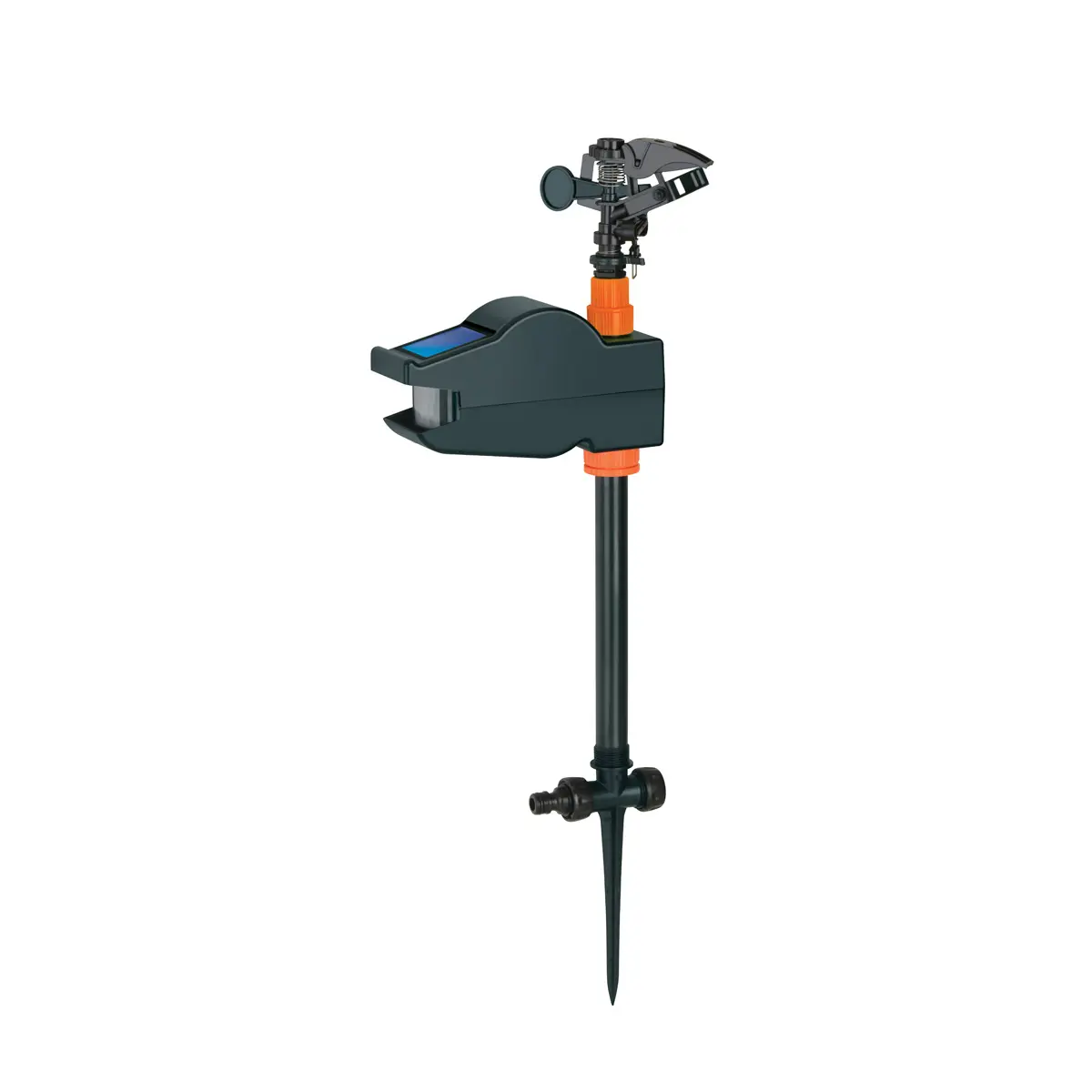
Commercial greenhouse operations require precise water management systems that deliver consistent results while maintaining cost efficiency at scale. Wholesale drip irrigation kits represent a strategic investment for greenhouse operators seeking to optimize crop yields, reduce water consumption, and streamline operational costs across multiple growing zones and seasonal cycles.
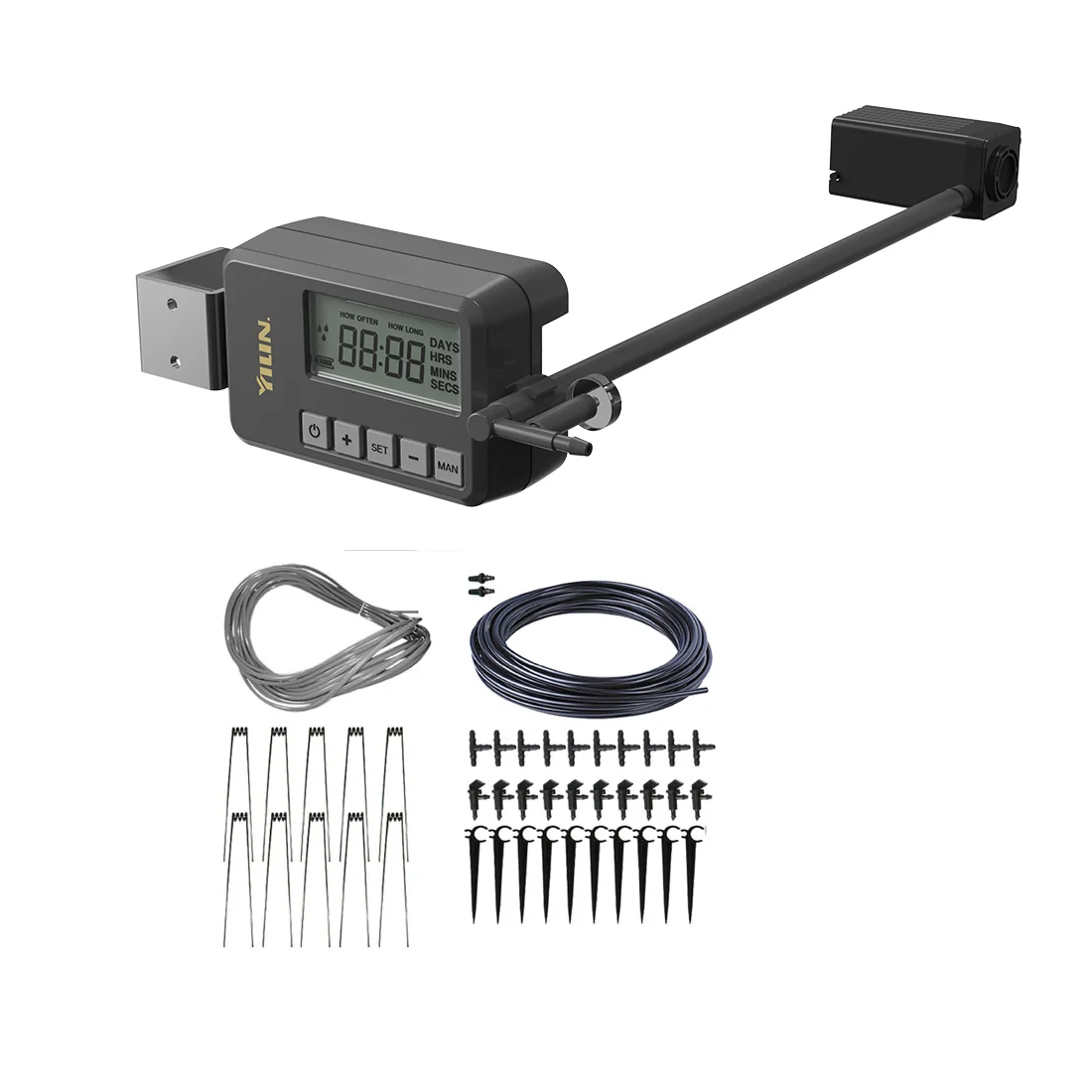
The adoption of wholesale drip irrigation kits in commercial greenhouse environments has transformed modern horticulture by enabling precise nutrient delivery, reducing labor requirements, and supporting sustainable growing practices. These comprehensive irrigation solutions provide greenhouse operators with the flexibility to customize watering schedules, monitor soil moisture levels, and maintain optimal growing conditions for diverse crop varieties throughout extended growing seasons.
Essential Components of Commercial Wholesale Drip Irrigation Kits
Primary Distribution Systems
Commercial wholesale drip irrigation kits include mainline distribution networks designed to handle high-volume water flow across extensive greenhouse facilities. These systems feature reinforced polyethylene tubing with pressure-rated fittings that maintain consistent water pressure throughout the entire irrigation network. The mainline components typically include pressure regulators, filtration systems, and flow control valves that ensure reliable operation under demanding commercial conditions.
Distribution manifolds serve as critical control points within wholesale drip irrigation kits, allowing greenhouse operators to segment watering zones based on crop requirements, growth stages, and environmental conditions. These manifolds incorporate shut-off valves, pressure gauges, and connection points for secondary distribution lines that feed individual growing areas or bench systems.
Emitter Technology and Delivery Mechanisms
Modern wholesale drip irrigation kits utilize precision emitters engineered for consistent water delivery rates across varying pressure conditions. Self-compensating emitters maintain uniform flow rates even when installed at different elevations or distances from the water source, ensuring equal water distribution throughout the greenhouse facility. These emitters are designed for easy maintenance and replacement, reducing downtime during critical growing periods.
Micro-sprinkler attachments included in comprehensive wholesale drip irrigation kits provide additional watering options for crops requiring broader coverage patterns. These components can be integrated into the existing drip system infrastructure, offering greenhouse operators flexibility to adapt their irrigation approach based on specific crop needs or seasonal growing requirements.
Operational Benefits for Commercial Greenhouse Facilities
Water Conservation and Resource Management
Wholesale drip irrigation kits deliver substantial water savings compared to traditional overhead sprinkler systems by targeting water delivery directly to plant root zones. This precision application reduces evaporation losses, minimizes runoff, and prevents water waste associated with overspray or uneven distribution patterns common in conventional irrigation methods.
The closed-loop design of professional wholesale drip irrigation kits enables greenhouse operators to implement water recycling systems that capture and reuse excess irrigation water. This approach significantly reduces overall water consumption while maintaining optimal growing conditions, supporting sustainable operations and reducing environmental impact.
Labor Efficiency and Operational Consistency
Automated wholesale drip irrigation kits eliminate the need for manual watering across large greenhouse facilities, freeing staff to focus on crop monitoring, pest management, and harvest activities. Timer-controlled systems ensure consistent watering schedules regardless of staff availability or seasonal labor fluctuations, maintaining optimal growing conditions throughout the production cycle.
Integration capabilities with greenhouse environmental control systems allow wholesale drip irrigation kits to respond automatically to changing humidity, temperature, and light conditions. This automation reduces the risk of human error in irrigation scheduling while optimizing water application timing based on real-time environmental data.
Installation and Configuration for Commercial Applications
System Planning and Layout Design
Successful implementation of wholesale drip irrigation kits requires comprehensive planning that considers greenhouse layout, crop spacing, and water source capacity. Professional installation begins with detailed measurements of growing areas, identification of water connection points, and assessment of existing infrastructure compatibility with new irrigation components.
Zoning strategies for wholesale drip irrigation kits should account for different crop types, growth stages, and watering requirements within the same greenhouse facility. This approach allows operators to customize irrigation schedules and water volumes for specific growing areas without affecting other zones, maximizing efficiency and crop performance across diverse production systems.
Integration with Existing Infrastructure
Modern wholesale drip irrigation kits are designed for compatibility with standard greenhouse plumbing systems, electrical controls, and environmental monitoring equipment. Integration protocols ensure seamless operation with existing timers, sensors, and automation systems while providing expansion capabilities for future facility growth or system upgrades.
Retrofit installations of wholesale drip irrigation kits in established greenhouse operations require careful consideration of existing growing systems, bench configurations, and overhead structures. Professional installation teams can adapt kit components to work around permanent fixtures while maintaining optimal water distribution patterns throughout the facility.
Maintenance and Long-term Performance Optimization
Preventive Maintenance Protocols
Regular maintenance of wholesale drip irrigation kits ensures consistent performance and extends system lifespan in demanding commercial environments. Scheduled inspections should include emitter cleaning, filter replacement, and pressure testing to identify potential issues before they impact crop production or system reliability.
Water quality management plays a crucial role in maintaining wholesale drip irrigation kits, particularly in areas with hard water or high mineral content. Filtration systems require regular monitoring and replacement to prevent clogging of emitters and maintain uniform water distribution across all irrigation zones.
System Monitoring and Performance Tracking
Digital monitoring capabilities integrated with wholesale drip irrigation kits provide real-time data on water flow rates, pressure levels, and system performance metrics. This information enables greenhouse operators to optimize irrigation schedules, identify maintenance needs, and track water usage patterns for improved resource management.
Performance analytics from wholesale drip irrigation kits help commercial operations identify trends in water consumption, system efficiency, and crop response patterns. This data supports informed decision-making for irrigation scheduling, system upgrades, and operational improvements that enhance overall greenhouse productivity.
Economic Considerations for Commercial Implementation
Cost Analysis and Return on Investment
Investment in wholesale drip irrigation kits generates measurable returns through reduced water costs, improved crop yields, and decreased labor requirements in commercial greenhouse operations. Cost analysis should include initial equipment purchase, installation expenses, and ongoing maintenance costs compared to potential savings in water usage, labor, and improved production efficiency.
Bulk purchasing of wholesale drip irrigation kits provides significant cost advantages for commercial operations planning multiple greenhouse installations or system expansions. Volume pricing typically includes extended warranties, technical support, and installation assistance that reduce total project costs while ensuring professional system implementation.
Financing and Budget Planning
Commercial wholesale drip irrigation kits qualify for various agricultural financing programs and sustainability incentives that offset initial investment costs. Many operators structure purchases through equipment financing arrangements that align payment schedules with projected savings from improved efficiency and reduced operational expenses.
Budget planning for wholesale drip irrigation kits should account for future expansion capabilities, replacement part availability, and system upgrade potential. Modular designs allow for phased implementation that spreads costs over multiple seasons while providing immediate benefits in completed installation areas.
FAQ
What size wholesale drip irrigation kit is needed for a commercial greenhouse operation?
The required size depends on your greenhouse square footage, crop types, and growing system configuration. A typical commercial greenhouse of 10,000 square feet requires a kit capable of serving 200-400 individual plants with adjustable flow rates between 0.5-2 gallons per hour per emitter. Consider consulting with irrigation specialists to determine the optimal kit size based on your specific growing requirements and facility layout.
How do wholesale drip irrigation kits integrate with automated greenhouse control systems?
Modern wholesale drip irrigation kits feature standard electrical connections and control interfaces that integrate seamlessly with most greenhouse automation systems. The kits typically include relay-controlled solenoid valves that respond to timer schedules, moisture sensors, and environmental control signals. Integration allows for automated irrigation cycles based on temperature, humidity, soil moisture, or predetermined schedules.
What maintenance schedule should be followed for commercial wholesale drip irrigation kits?
Commercial operations should perform weekly visual inspections of emitters and connections, monthly pressure testing and filter cleaning, and seasonal comprehensive system reviews including emitter calibration and replacement of worn components. High-usage facilities may require more frequent maintenance, particularly in areas with poor water quality or extreme environmental conditions that accelerate wear on system components.
Can wholesale drip irrigation kits be customized for different crop requirements within the same greenhouse?
Yes, wholesale drip irrigation kits support zone-based customization through multiple valve controls, variable emitter types, and adjustable flow rates. Different growing areas can be configured with specific emitters, timing schedules, and water volumes to accommodate varying crop needs, growth stages, and seasonal requirements while operating from the same main distribution system.
Table of Contents
- Essential Components of Commercial Wholesale Drip Irrigation Kits
- Operational Benefits for Commercial Greenhouse Facilities
- Installation and Configuration for Commercial Applications
- Maintenance and Long-term Performance Optimization
- Economic Considerations for Commercial Implementation
-
FAQ
- What size wholesale drip irrigation kit is needed for a commercial greenhouse operation?
- How do wholesale drip irrigation kits integrate with automated greenhouse control systems?
- What maintenance schedule should be followed for commercial wholesale drip irrigation kits?
- Can wholesale drip irrigation kits be customized for different crop requirements within the same greenhouse?
