
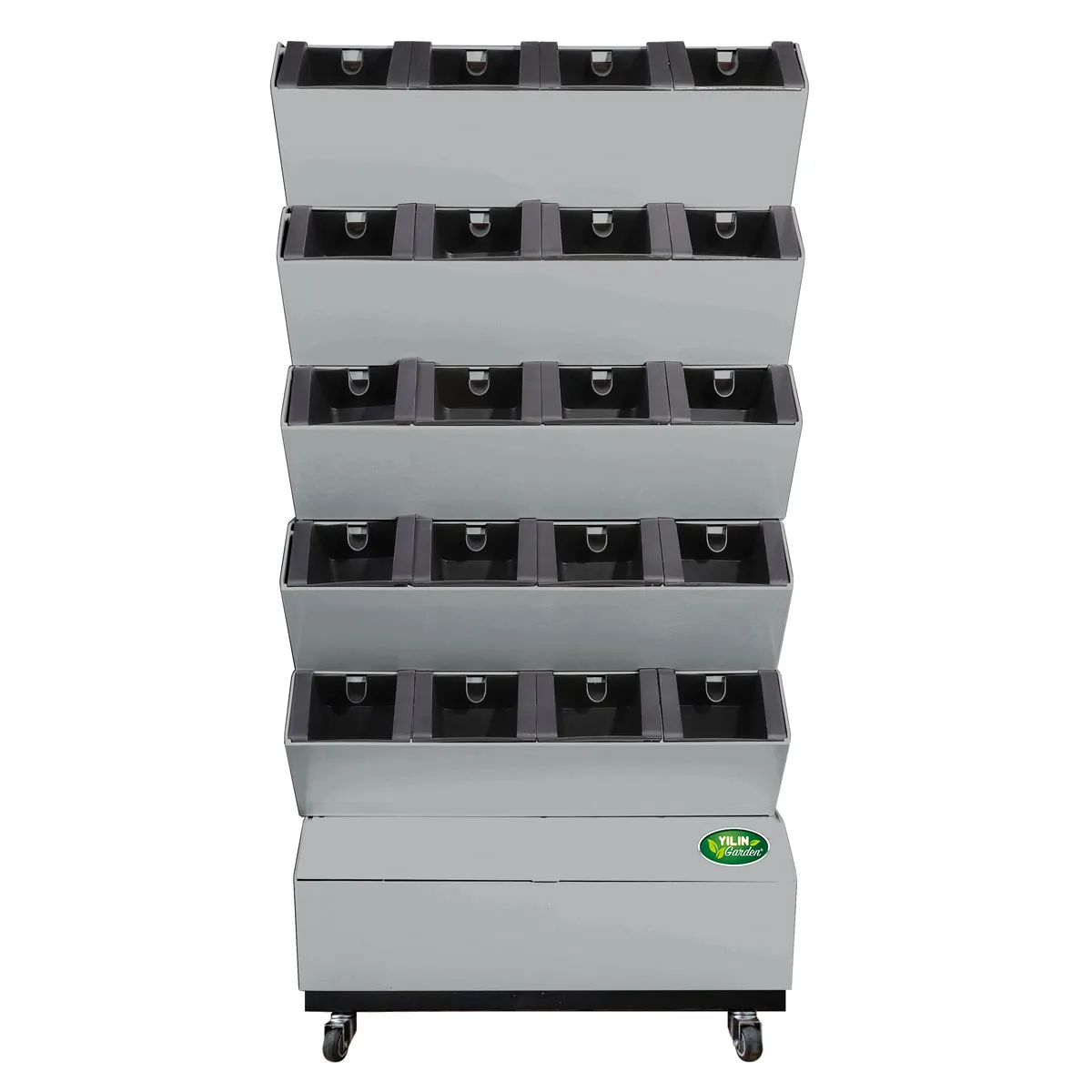
Modern precision agriculture demands innovative water management solutions that maximize crop yields while minimizing resource consumption. A specialized drip irrigation system manufacturer plays a crucial role in developing technologies that enable farmers to achieve precise water delivery, optimize nutrient distribution, and enhance overall agricultural productivity through advanced irrigation infrastructure.
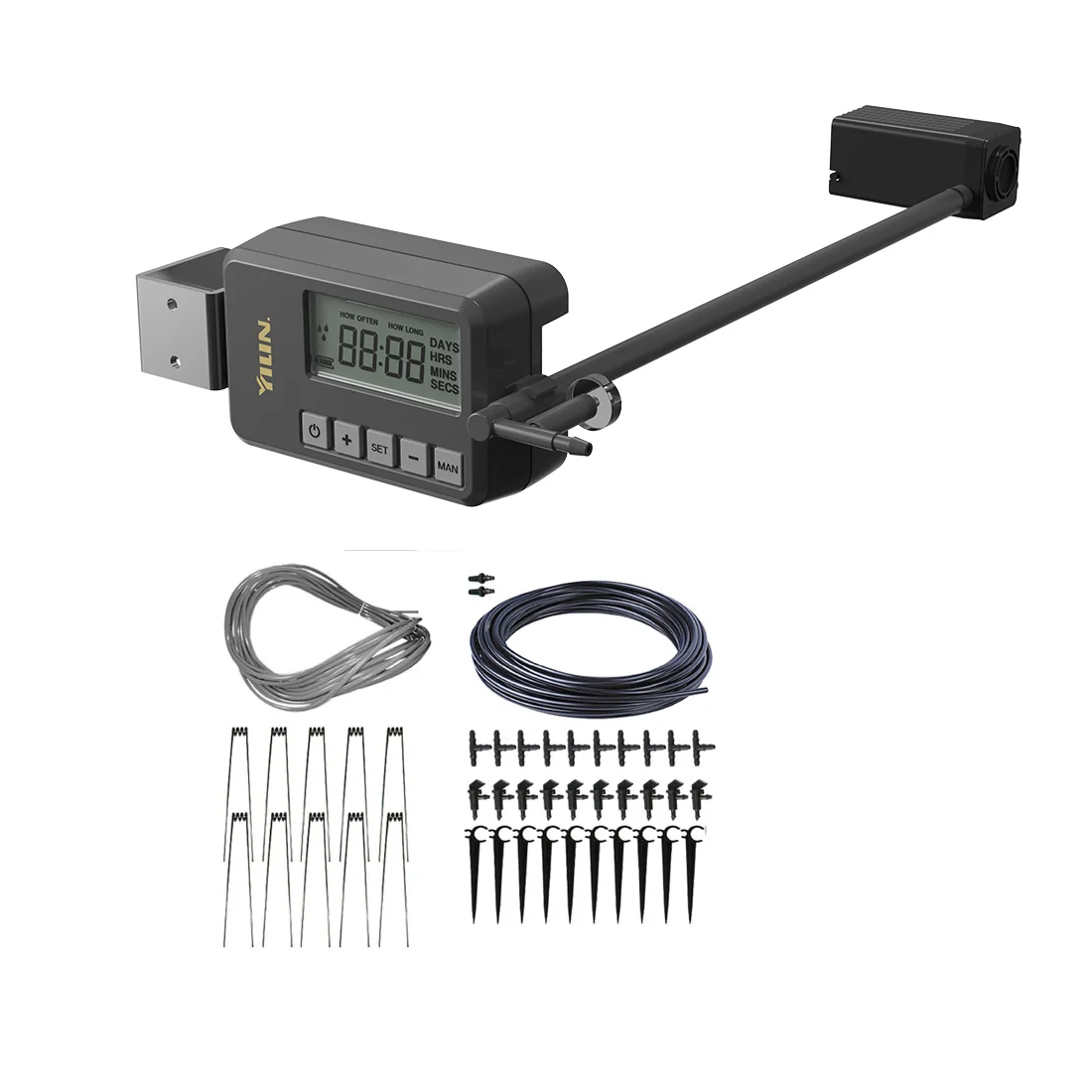
The selection of an appropriate drip irrigation system manufacturer significantly impacts farming operations, influencing everything from initial system design to long-term maintenance requirements. Understanding the manufacturing landscape, technological capabilities, and quality standards helps agricultural professionals make informed decisions that align with their precision farming objectives and operational requirements.
Core Manufacturing Capabilities of Precision Drip Irrigation Systems
Advanced Component Engineering and Production
A qualified drip irrigation system manufacturer must demonstrate expertise in producing precision-engineered components that withstand agricultural environments while maintaining consistent performance. Manufacturing capabilities typically encompass emitter production, tubing fabrication, filtration system assembly, and control mechanism integration. The manufacturing process requires sophisticated injection molding equipment, quality control laboratories, and specialized testing facilities to ensure component durability and flow rate accuracy.
Professional manufacturers invest heavily in research and development to advance emitter technology, focusing on self-compensating mechanisms, anti-clog features, and uniform water distribution characteristics. The production line typically includes automated assembly processes, precision calibration systems, and rigorous quality assurance protocols to maintain consistent product specifications across large manufacturing volumes.
Material selection represents a critical manufacturing consideration, with leading manufacturers utilizing UV-stabilized polymers, corrosion-resistant metals, and food-grade materials for agricultural applications. The manufacturing facility must maintain strict quality standards, including ISO certification, environmental compliance, and traceability systems that document component origin and performance characteristics throughout the production cycle.
Customization and Application-Specific Design
Effective drip irrigation system manufacturers offer customization capabilities to address diverse agricultural applications, crop requirements, and site-specific conditions. This manufacturing flexibility enables the production of specialized emitters for different flow rates, pressure compensation systems for varying terrain conditions, and integrated fertigation components for precise nutrient delivery applications.
The manufacturing process must accommodate various system configurations, including surface drip installations, subsurface applications, and greenhouse environments. Custom manufacturing often involves modified emitter spacing, specialized tubing dimensions, and integrated sensor compatibility to support precision agriculture monitoring systems and automated control mechanisms.
Manufacturing versatility extends to producing systems suitable for different crop types, from row crops requiring linear installations to orchard applications demanding specialized tree-specific configurations. The drip irrigation system manufacturer must maintain inventory flexibility and production capacity to support both standard product lines and custom engineering projects that address unique agricultural challenges.
Quality Standards and Manufacturing Excellence
Performance Testing and Validation Protocols
Reputable drip irrigation system manufacturers implement comprehensive testing protocols to validate product performance under various agricultural conditions. Testing procedures typically include flow rate uniformity assessments, pressure tolerance evaluations, chemical compatibility studies, and long-term durability testing that simulates years of field operation under controlled laboratory conditions.
Manufacturing quality control encompasses incoming material inspection, in-process monitoring, and final product validation to ensure consistent performance characteristics. Testing laboratories within manufacturing facilities conduct emitter flow rate verification, pressure compensation analysis, and clogging resistance evaluation using standardized test procedures that replicate field operating conditions.
Advanced manufacturers utilize accelerated aging tests, UV exposure chambers, and chemical resistance protocols to validate product longevity and performance stability. The testing regimen includes statistical process control methods, batch tracking systems, and performance documentation that provides agricultural customers with reliable product specifications and expected service life information.
Certification Standards and Industry Compliance
Leading drip irrigation system manufacturers maintain certifications from recognized industry organizations, including ISO 9001 quality management standards, environmental compliance certifications, and product safety approvals from agricultural regulatory bodies. These certifications demonstrate manufacturing commitment to quality consistency, environmental responsibility, and product safety for agricultural applications.
Manufacturing facilities typically undergo regular audits by third-party certification bodies to verify compliance with international quality standards, environmental regulations, and workplace safety requirements. The certification process includes documentation review, manufacturing process evaluation, and product testing verification to ensure ongoing compliance with industry standards.
Professional manufacturers also pursue agricultural equipment certifications specific to irrigation technology, including water efficiency ratings, environmental impact assessments, and compatibility certifications with precision agriculture systems. These specialized certifications provide agricultural customers with confidence in product performance and regulatory compliance for various farming applications and geographic regions.
Technology Integration and Innovation Capabilities
Smart Irrigation System Manufacturing
Modern drip irrigation system manufacturers increasingly focus on integrating smart technology capabilities into traditional irrigation infrastructure. Manufacturing processes now incorporate sensor mounting provisions, wireless communication modules, and automated control interfaces that enable precision agriculture monitoring and remote system management capabilities.
The manufacturing approach for smart irrigation systems requires additional production capabilities, including electronics assembly, software integration, and communication protocol compatibility testing. Manufacturers must maintain clean room facilities for electronic component assembly and specialized testing equipment for validating wireless connectivity and sensor accuracy under agricultural operating conditions.
Advanced manufacturing includes the production of integrated fertigation systems, pH monitoring capabilities, and automated flow adjustment mechanisms that respond to real-time soil moisture data and weather conditions. The manufacturing complexity increases significantly when incorporating these smart features while maintaining the reliability and durability required for agricultural environments.
Sustainable Manufacturing Practices
Environmental responsibility in drip irrigation system manufacturing encompasses material sourcing, production processes, and end-of-life product considerations. Manufacturers increasingly utilize recycled materials, implement energy-efficient production methods, and design products for recyclability to minimize environmental impact throughout the product lifecycle.
Sustainable manufacturing practices include water conservation in production facilities, waste reduction programs, and renewable energy utilization to align manufacturing operations with the environmental benefits provided by drip irrigation technology. Many manufacturers pursue carbon neutrality goals and implement circular economy principles in their production processes.
The manufacturing approach also considers packaging optimization, transportation efficiency, and local sourcing strategies to reduce the overall environmental footprint of drip irrigation system production and distribution. These sustainable practices often result in cost efficiencies while supporting the agricultural industry's broader sustainability objectives and environmental stewardship goals.
Global Manufacturing Network and Distribution
Manufacturing Facility Location and Logistics
Strategic drip irrigation system manufacturer facility location significantly impacts product availability, shipping costs, and customer support capabilities across different agricultural markets. Manufacturing hubs typically develop in regions with strong agricultural industries, favorable logistics infrastructure, and access to specialized manufacturing expertise and supply chain partners.
Global manufacturers often establish regional production facilities to serve local agricultural markets more effectively while reducing transportation costs and delivery timeframes. This distributed manufacturing approach enables customization for regional agricultural practices, climate conditions, and regulatory requirements while maintaining consistent quality standards across all production locations.
Manufacturing logistics encompass raw material sourcing, component inventory management, and finished product distribution networks that ensure consistent product availability during critical agricultural seasons. Effective manufacturers maintain strategic inventory levels and flexible production capacity to respond to seasonal demand variations and emergency replacement requirements for existing irrigation installations.
Technical Support and Service Infrastructure
Comprehensive drip irrigation system manufacturers provide extensive technical support infrastructure that includes installation guidance, maintenance training, and troubleshooting assistance for agricultural customers. The service network typically includes field representatives, technical documentation, and customer support systems that ensure proper system installation and optimal long-term performance.
Manufacturing companies often establish training centers and demonstration facilities where agricultural professionals can experience system operation firsthand and receive hands-on installation and maintenance instruction. This educational approach helps ensure proper system implementation and maximizes the agricultural benefits achievable through precision drip irrigation technology.
Advanced manufacturers provide ongoing technical support through digital platforms, remote monitoring capabilities, and predictive maintenance programs that help agricultural customers optimize system performance and extend equipment service life. This comprehensive support infrastructure demonstrates manufacturing commitment to customer success beyond the initial product sale.
FAQ
What should I look for when selecting a drip irrigation system manufacturer?
Focus on manufacturers with proven agricultural experience, comprehensive quality certifications, and robust testing protocols. Evaluate their technical support infrastructure, customization capabilities, and track record with similar agricultural applications. Consider manufacturers offering integrated smart technology features and sustainable production practices that align with modern precision agriculture requirements.
How do I verify the quality standards of a drip irrigation system manufacturer?
Request documentation of ISO certifications, industry compliance records, and third-party testing results. Review case studies from similar agricultural applications and seek references from existing customers. Evaluate the manufacturer's warranty terms, technical support availability, and replacement part accessibility as indicators of quality confidence and long-term commitment.
What manufacturing capabilities are essential for precision agriculture applications?
Essential capabilities include precision component manufacturing, customization flexibility, smart technology integration, and comprehensive testing facilities. The manufacturer should demonstrate expertise in emitter technology, pressure compensation systems, and compatibility with precision agriculture monitoring equipment. Look for manufacturers offering application-specific design services and extensive product validation protocols.
How important is local manufacturing presence for drip irrigation systems?
Local or regional manufacturing presence significantly impacts product availability, technical support responsiveness, and shipping costs. Manufacturers with regional facilities can better customize products for local agricultural conditions and provide faster emergency replacement services. However, global manufacturers with strong distribution networks can also provide effective support through established local partnerships and service infrastructure.
Table of Contents
- Core Manufacturing Capabilities of Precision Drip Irrigation Systems
- Quality Standards and Manufacturing Excellence
- Technology Integration and Innovation Capabilities
- Global Manufacturing Network and Distribution
-
FAQ
- What should I look for when selecting a drip irrigation system manufacturer?
- How do I verify the quality standards of a drip irrigation system manufacturer?
- What manufacturing capabilities are essential for precision agriculture applications?
- How important is local manufacturing presence for drip irrigation systems?
