
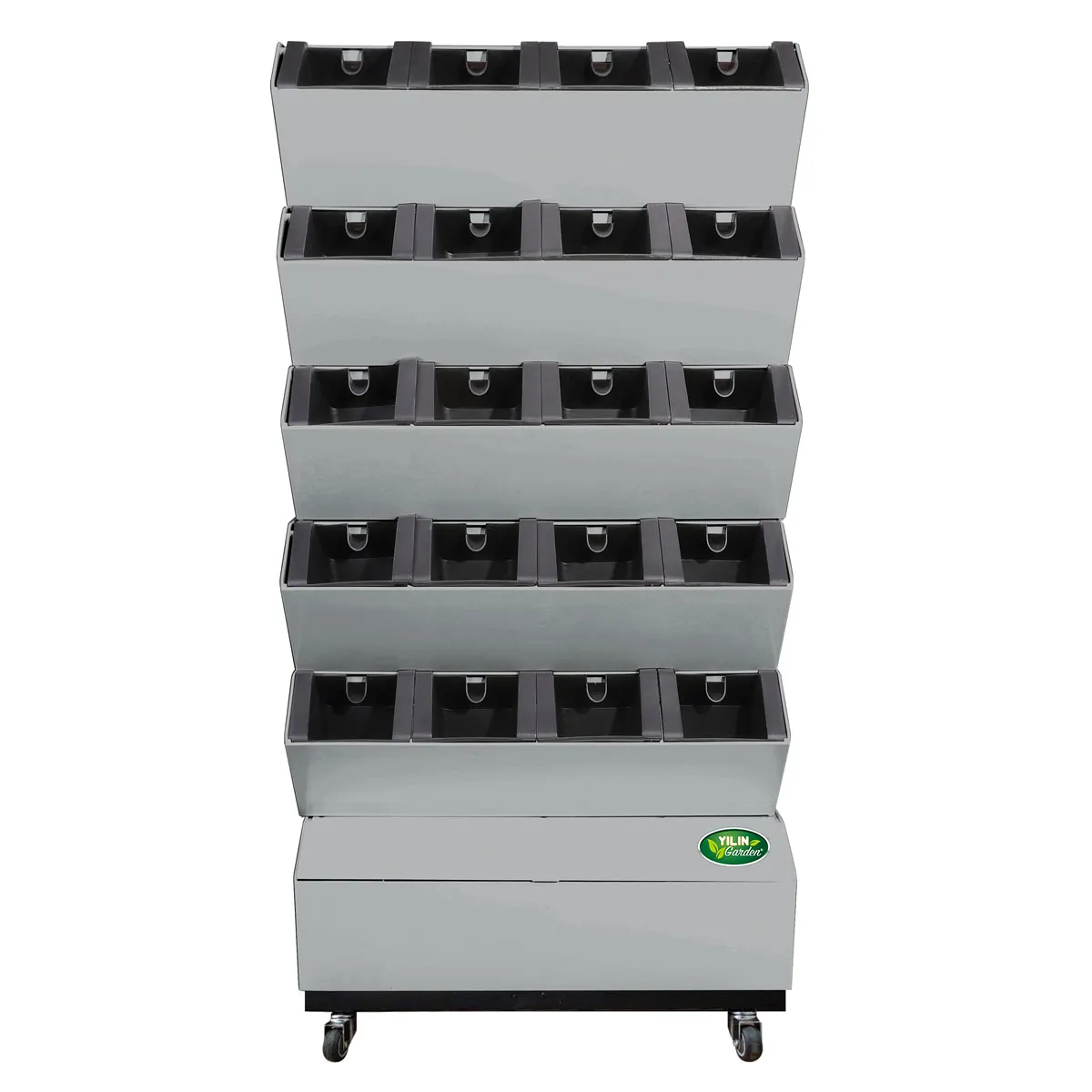
Urban landscapes are evolving rapidly, and vertical gardens have emerged as a transformative solution for integrating greenery into dense metropolitan environments. These living walls not only enhance aesthetic appeal but also contribute to air quality improvement, temperature regulation, and biodiversity. However, maintaining these vertical installations requires specialized irrigation infrastructure that addresses unique challenges such as uneven water distribution, gravity effects, and plant-specific hydration needs. Wholesale customizable sprinkler systems have become essential tools for landscape architects, property developers, and urban planners seeking reliable, scalable solutions that adapt to diverse vertical garden configurations while ensuring optimal plant health and water efficiency.
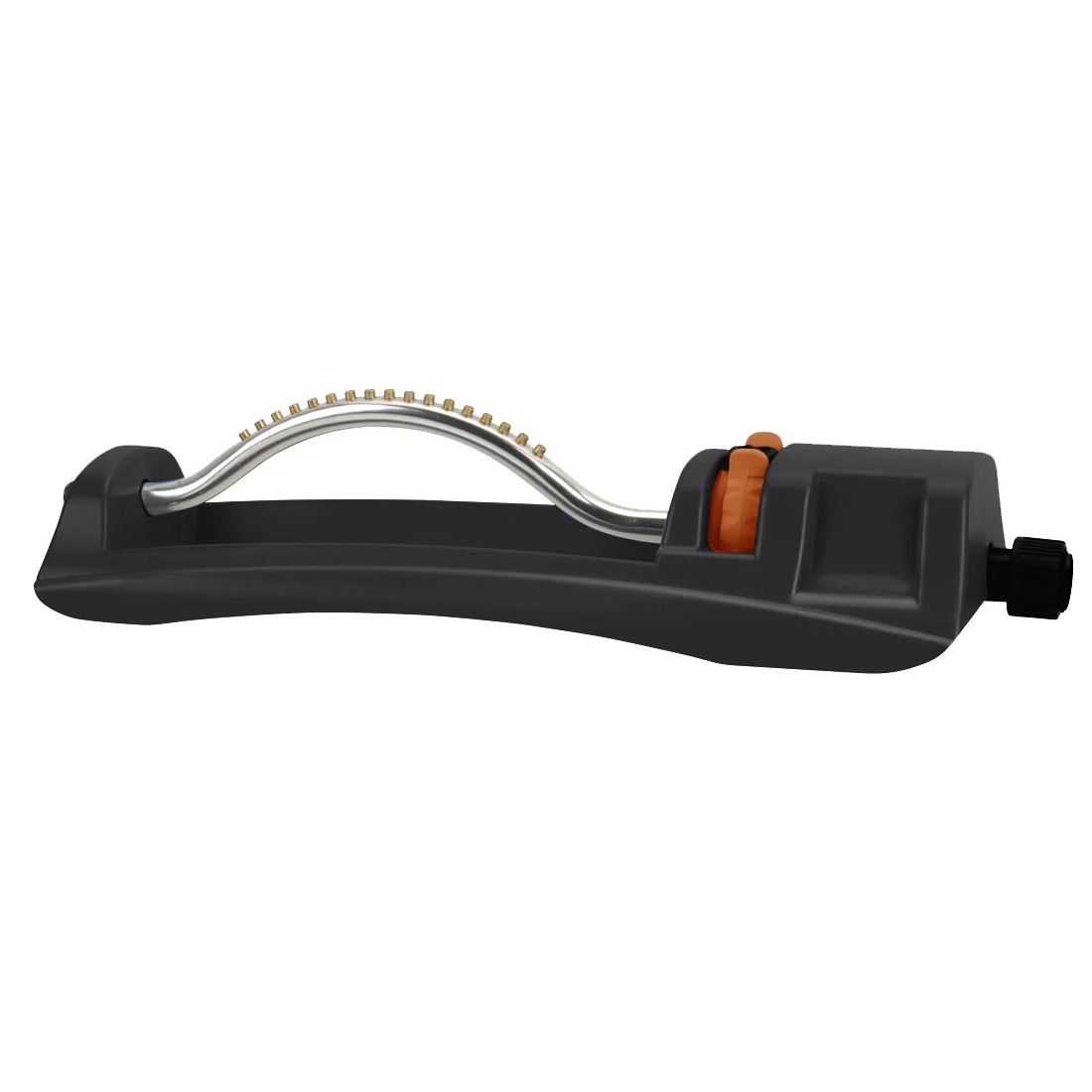
The integration of customizable sprinkler systems into vertical garden projects demands careful consideration of water pressure management, nozzle positioning, coverage uniformity, and maintenance accessibility. Traditional horizontal irrigation methods prove inadequate when applied to vertical structures, where gravitational forces create pressure differentials and uneven moisture distribution. Professional-grade wholesale systems address these complexities through adjustable flow mechanisms, multi-zone control capabilities, and modular component designs that accommodate various plant densities, wall heights, and architectural constraints. As urban design increasingly prioritizes sustainability and biophilic elements, understanding how to select and implement appropriate irrigation technology becomes critical for project success and long-term viability.
Understanding Vertical Garden Irrigation Challenges in Urban Environments
Gravitational Pressure Variations and Water Distribution
Vertical garden installations present distinct hydraulic challenges that conventional irrigation systems cannot adequately address. When water travels upward through piping networks, gravitational resistance reduces pressure at higher elevations, creating moisture gradients that leave upper sections under-watered while lower areas receive excess hydration. Customizable sprinkler systems designed for vertical applications incorporate pressure-compensating emitters and adjustable flow regulators that maintain consistent output across varying heights, ensuring uniform plant hydration regardless of position on the wall structure.
The physics of vertical water distribution requires irrigation equipment with sufficient pressure ratings to overcome gravitational head loss while avoiding excessive force that might damage delicate plant root systems or substrate materials. Professional wholesale customizable sprinkler systems feature calibrated nozzle assemblies with pressure ratings typically ranging from 15 to 40 PSI, allowing installers to match system specifications to specific vertical heights and plant requirements. This precision becomes particularly important in multi-story installations where pressure differentials can exceed 0.43 PSI per vertical foot, significantly impacting water delivery consistency.
Plant Diversity and Microclimate Considerations
Urban vertical gardens frequently incorporate diverse plant species with varying water requirements, from drought-tolerant succulents to moisture-dependent ferns and tropical specimens. Customizable sprinkler systems accommodate this diversity through zoned irrigation capabilities that allow independent control of different wall sections. Advanced wholesale systems include manifold configurations supporting multiple valve zones, enabling facility managers to program distinct watering schedules and flow rates based on species-specific needs and microclimate variations across the vertical surface.
Microclimatic factors such as sun exposure, wind patterns, and ambient temperature fluctuations create additional complexity in vertical garden irrigation planning. South-facing installations may experience significantly higher evapotranspiration rates than north-facing sections, while upper portions exposed to wind require different hydration strategies than sheltered lower areas. Wholesale customizable sprinkler systems with programmable controllers and sensor integration capabilities enable responsive irrigation management that adapts to these environmental variables, optimizing water usage while maintaining plant vitality across diverse conditions.
Architectural Integration and Aesthetic Coherence
Urban design projects demand irrigation solutions that complement architectural vision rather than compromising visual appeal. Customizable sprinkler systems manufactured for wholesale distribution offer various mounting configurations, discreet component profiles, and finish options that blend seamlessly with vertical garden frameworks. Low-profile spray heads, concealed piping channels, and color-matched fittings ensure that irrigation infrastructure remains functionally effective while preserving the aesthetic integrity of living wall installations.
The modular nature of professional wholesale systems provides design flexibility essential for accommodating unique architectural geometries, from curved facades to terraced structures and freestanding vertical elements. Component interchangeability allows installers to configure systems matching specific dimensional requirements without extensive custom fabrication, reducing installation complexity and project timelines. This adaptability proves particularly valuable in urban contexts where site constraints, building codes, and structural limitations often necessitate customized irrigation approaches.
Technical Specifications and Component Selection Criteria
Nozzle Types and Spray Pattern Optimization
The performance of customizable sprinkler systems depends fundamentally on nozzle selection and spray pattern configuration. Vertical garden applications typically utilize adjustable-arc nozzles with spray angles ranging from 90 to 180 degrees, allowing precise targeting of plant zones while minimizing overspray onto adjacent building surfaces. Wholesale systems often include interchangeable nozzle sets with varying orifice sizes, enabling installers to balance coverage area against application rate based on substrate capacity and plant water uptake characteristics.
Fine mist nozzles offer advantages for delicate foliage species and shallow-rooted plants common in vertical installations, delivering gentle hydration that minimizes substrate displacement and root exposure. Conversely, larger-droplet nozzles prove more suitable for deeper substrate systems and species requiring substantial water volumes. Professional-grade customizable sprinkler systems provide nozzle assortments accommodating these varied requirements, with flow rates typically ranging from 0.5 to 3.0 gallons per hour per emitter, allowing precise calibration to match plant community needs and environmental conditions.
Pressure Regulation and Flow Control Mechanisms
Maintaining consistent water delivery across extensive vertical surfaces requires sophisticated pressure management components integrated within customizable sprinkler systems. Pressure-compensating devices automatically adjust internal flow passages in response to inlet pressure variations, ensuring uniform output across all emitters regardless of system pressure fluctuations or elevation changes. Wholesale systems designed for commercial vertical garden applications typically incorporate built-in pressure compensation within individual sprinkler heads or through centralized pressure-reducing valves serving entire irrigation zones.
Flow control precision becomes particularly critical in vertical gardens where substrate retention capacity varies with wall angle, planting density, and media composition. Adjustable flow regulators within customizable sprinkler systems enable fine-tuning of application rates to match substrate infiltration characteristics, preventing runoff while ensuring adequate hydration. Systems featuring tool-free flow adjustment mechanisms facilitate seasonal optimization and ongoing maintenance, allowing facility managers to adapt irrigation parameters as plant communities mature and environmental conditions shift throughout operational lifecycles.
Material Durability and Environmental Resistance
Urban environments expose irrigation equipment to challenging conditions including UV radiation, temperature extremes, atmospheric pollutants, and physical impacts from maintenance activities. Wholesale customizable sprinkler systems manufactured for professional vertical garden applications utilize corrosion-resistant materials such as brass components, stainless steel fittings, and UV-stabilized polymers that maintain structural integrity and functional performance throughout extended service lives. Material selection directly impacts system longevity, maintenance requirements, and total ownership costs over project timespans often exceeding 15 to 20 years.
Component interchangeability represents another critical consideration in professional-grade customizable sprinkler systems, as standardized thread patterns, connection interfaces, and mounting dimensions simplify repairs and upgrades without requiring complete system replacement. Wholesale suppliers typically maintain extensive replacement part inventories for established product lines, ensuring long-term serviceability even as specific models evolve. This parts availability proves essential for facility managers responsible for maintaining operational vertical gardens where irrigation failure can result in rapid plant loss and expensive remediation efforts.
Installation Planning and System Configuration Strategies
Hydraulic Design and Pipe Sizing Calculations
Effective deployment of customizable sprinkler systems in vertical gardens begins with comprehensive hydraulic analysis that accounts for pressure requirements, flow demands, pipe friction losses, and elevation head. Professional installers utilize specialized calculation methods that determine appropriate mainline and lateral pipe diameters, ensuring adequate water delivery to all emitters while avoiding excessive velocities that accelerate component wear. Wholesale system specifications typically include detailed hydraulic performance charts facilitating accurate design calculations based on total emitter count, maximum run lengths, and available supply pressure.
Vertical garden installations often incorporate multiple irrigation circuits serving different wall sections or zones, requiring manifold assemblies that distribute water from centralized supply lines to individual control valves. Proper manifold sizing within customizable sprinkler systems prevents pressure losses that compromise uniform distribution, with professional designs typically limiting velocity within distribution headers to 5 feet per second or less. Wholesale systems designed for complex vertical applications include pre-engineered manifold assemblies supporting 4 to 12 zone connections, simplifying installation while ensuring hydraulic efficiency across extensive irrigation networks.
Control System Integration and Automation Capabilities
Modern vertical garden management increasingly relies on automated irrigation control integrating customizable sprinkler systems with programmable timers, weather stations, and soil moisture sensors. Wholesale systems compatible with industry-standard control interfaces enable seamless integration with building management systems and landscape irrigation controllers, allowing centralized oversight of multiple vertical garden installations across urban campuses or property portfolios. Advanced controllers support multi-program scheduling, seasonal adjustments, and rain delay functions that optimize water usage while accommodating dynamic environmental conditions.
Sensor integration within customizable sprinkler systems provides responsive irrigation management that adjusts watering based on actual plant needs rather than fixed schedules. Substrate moisture sensors installed at strategic vertical positions provide real-time feedback enabling controllers to modify irrigation duration and frequency, preventing both under-watering and excess application. Wholesale systems incorporating sensor-ready components with standardized wiring interfaces facilitate cost-effective sensor deployment, allowing gradual system sophistication as budgets permit while maintaining compatibility with existing irrigation infrastructure.
Maintenance Access and Serviceability Planning
Long-term operational success of vertical garden irrigation depends on maintenance accessibility designed into initial installations. Customizable sprinkler systems should incorporate service-friendly features such as accessible valve boxes, removable sprinkler heads, and clearly labeled zone circuits that simplify troubleshooting and component replacement. Wholesale systems designed for commercial applications typically include color-coded components, embossed identification markings, and standardized tool requirements that reduce maintenance complexity and technician training needs.
Vertical access challenges necessitate careful consideration of component placement within customizable sprinkler systems, balancing hydraulic efficiency against maintenance practicality. Installing critical components such as pressure regulators, filter assemblies, and control valves at ground level or accessible platforms minimizes the need for elevated work platforms during routine service activities. Wholesale system designs incorporating remote diagnostic capabilities and self-flushing mechanisms further reduce maintenance demands, particularly valuable in urban installations where access coordination involves building management protocols and operational disruptions.
Economic Considerations and Wholesale Procurement Advantages
Total Cost of Ownership Analysis
Evaluating customizable sprinkler systems for vertical gardens requires comprehensive cost analysis extending beyond initial equipment pricing to encompass installation labor, operational water consumption, maintenance expenses, and expected service life. Wholesale procurement of professional-grade systems typically offers 30 to 50 percent cost advantages compared to retail purchasing, particularly significant in large-scale urban projects involving multiple vertical garden installations. However, true economic value emerges from system reliability, water efficiency, and maintenance requirements that impact total ownership costs throughout operational lifecycles.
Water consumption represents an ongoing operational expense where efficient customizable sprinkler systems generate substantial savings over project lifespans. Systems incorporating pressure compensation, adjustable flow control, and sensor-responsive automation typically reduce water usage by 20 to 40 percent compared to basic fixed-output alternatives, translating to meaningful cost reductions in municipal water environments where consumption charges and wastewater fees continue escalating. Wholesale systems featuring these efficiency technologies deliver rapid return on incremental investment through reduced utility expenses and enhanced sustainability performance.
Scalability and Multi-Project Standardization
Organizations managing multiple urban vertical garden installations benefit significantly from standardizing on specific wholesale customizable sprinkler systems across their project portfolios. Component commonality simplifies maintenance staff training, enables consolidated spare parts inventories, and facilitates knowledge transfer between project teams. Wholesale suppliers typically offer volume pricing incentives, extended warranty terms, and dedicated technical support for customers committing to platform standardization, further enhancing economic advantages beyond per-unit cost reductions.
Scalability considerations within customizable sprinkler systems prove particularly important for urban developers and landscape contractors executing phased implementations or repeated vertical garden projects. Systems built on modular architectures with extensive component compatibility enable gradual expansion without obsoleting existing infrastructure, protecting capital investments while accommodating evolving project requirements. Wholesale procurement relationships with manufacturers committed to long-term product line stability provide assurance that replacement parts and expansion components remain available throughout extended operational horizons.
Warranty Coverage and Technical Support Resources
Professional-grade wholesale customizable sprinkler systems typically include comprehensive warranty coverage reflecting manufacturer confidence in product durability and performance. Standard warranty terms for commercial irrigation equipment range from 2 to 5 years on components such as valve bodies, pressure regulators, and sprinkler housings, with some manufacturers offering extended coverage on specific high-reliability components. Warranty provisions should encompass both material defects and performance guarantees, ensuring systems deliver specified flow rates, pressure compensation accuracy, and environmental resistance throughout coverage periods.
Access to knowledgeable technical support distinguishes premium wholesale suppliers from commodity equipment vendors, particularly valuable during system design, installation troubleshooting, and performance optimization phases. Reputable suppliers maintain engineering teams experienced in vertical garden irrigation challenges, offering application guidance, hydraulic calculations, and custom configuration recommendations that enhance installation success. This technical partnership proves especially important for contractors and facility managers encountering unique site conditions or integration requirements that exceed standard installation parameters.
Sustainability Performance and Environmental Impact
Water Conservation Technologies and Efficiency Metrics
Vertical gardens serve environmental objectives in urban design, and their irrigation systems must align with sustainability commitments through efficient water management. Advanced customizable sprinkler systems incorporate technologies such as pressure-compensating emitters, check valves preventing low-head drainage, and precision flow control that collectively minimize water waste while ensuring adequate plant hydration. Professional systems typically achieve distribution uniformity ratings exceeding 85 percent, substantially outperforming conventional irrigation approaches and reducing total water consumption by significant margins.
Efficiency metrics for customizable sprinkler systems extend beyond simple consumption measurements to encompass application uniformity, scheduling precision, and response to environmental conditions. Systems integrating weather-based controllers and soil moisture sensors adapt irrigation automatically to rainfall events, temperature variations, and seasonal plant requirements, avoiding unnecessary water application during periods of reduced demand. These intelligent management capabilities transform wholesale customizable sprinkler systems from basic delivery mechanisms into sophisticated water stewardship tools supporting verifiable sustainability outcomes.
Material Selection and Lifecycle Environmental Considerations
Environmental responsibility in vertical garden irrigation encompasses material sourcing, manufacturing processes, and end-of-life component disposition. Wholesale customizable sprinkler systems manufactured from recyclable materials such as brass, stainless steel, and identified polymer resins support circular economy principles and minimize landfill contributions when components eventually require replacement. Manufacturers committed to environmental stewardship increasingly provide material composition documentation, recycling guidance, and take-back programs that facilitate responsible disposal practices.
Durability represents perhaps the most significant environmental attribute of professional-grade customizable sprinkler systems, as extended service lives reduce replacement frequency and associated material consumption. Systems engineered for 15 to 20-year operational lifespans avoid the environmental impacts of premature failure and replacement cycles inherent in lower-quality alternatives. Wholesale procurement of robust, long-lived irrigation equipment aligns with sustainable urban design principles by minimizing resource consumption throughout project lifecycles while reducing maintenance activities and associated environmental footprints.
Integration with Rainwater Harvesting and Greywater Systems
Progressive urban projects increasingly incorporate alternative water sources such as rainwater harvesting and treated greywater into vertical garden irrigation strategies. Customizable sprinkler systems designed for wholesale distribution in commercial applications typically accommodate these alternative supplies through corrosion-resistant materials, filtration compatibility, and pressure tolerance suited to variable source conditions. Successful integration requires careful consideration of water quality parameters, filtration requirements, and system components capable of handling particulate levels and chemical characteristics differing from municipal supplies.
Rainwater and greywater systems often deliver variable pressures and flow rates depending on storage levels and pump operation, requiring customizable sprinkler systems with wider operating ranges than those connected to stable municipal supplies. Professional wholesale systems incorporating pressure regulation, check valve protection, and robust filtration assemblies maintain reliable performance across diverse source conditions while protecting sensitive components from damage or clogging. This versatility enables vertical gardens to maximize use of sustainable water sources, reducing municipal consumption and advancing environmental objectives central to contemporary urban design philosophy.
FAQ
What are the primary advantages of customizable sprinkler systems over fixed irrigation designs for vertical gardens?
Customizable sprinkler systems offer critical advantages in vertical garden applications through adjustable flow rates, interchangeable nozzle options, and modular configurations that accommodate diverse plant species, varying wall heights, and changing microclimate conditions. Unlike fixed systems, customizable designs enable facility managers to optimize water delivery as plant communities mature, seasonal requirements shift, or building modifications alter environmental conditions. This adaptability extends system useful life, improves water efficiency, and provides flexibility essential for long-term vertical garden management in dynamic urban environments where initial design assumptions may require adjustment based on operational experience.
How do pressure-compensating features in wholesale sprinkler systems improve vertical garden irrigation performance?
Pressure compensation technology integrated within professional-grade customizable sprinkler systems automatically regulates water flow to maintain consistent output across varying inlet pressures caused by elevation changes, supply fluctuations, or simultaneous zone operation. This capability proves essential in vertical installations where gravitational effects create substantial pressure differentials between upper and lower sections. By ensuring uniform water delivery regardless of system pressure variations, compensating emitters eliminate the moisture gradients that plague conventional irrigation designs, promoting consistent plant health across entire vertical surfaces while simplifying system design and reducing the need for complex pressure regulation infrastructure.
What maintenance considerations should facility managers anticipate with vertical garden irrigation systems?
Routine maintenance for customizable sprinkler systems in vertical gardens typically includes periodic nozzle cleaning to remove mineral deposits and organic debris, filter inspection and replacement based on water quality conditions, and seasonal system assessments verifying proper operation of all emitters and control components. Professional wholesale systems designed for commercial applications minimize maintenance demands through self-flushing capabilities, accessible component placement, and durable materials resistant to clogging and corrosion. Facility managers should establish inspection schedules aligned with manufacturer recommendations, typically quarterly for most installations, with more frequent attention during initial establishment periods and following extreme weather events that may affect system performance or plant water requirements.
Can existing vertical garden installations be retrofitted with modern customizable sprinkler systems?
Many existing vertical garden installations can successfully integrate modern customizable sprinkler systems through retrofitting approaches that leverage existing water supply infrastructure while upgrading distribution components and control capabilities. Retrofit feasibility depends on adequate supply pressure, acceptable pipe sizing, and physical access for component installation within established plant structures. Wholesale systems featuring modular designs and standardized connection interfaces simplify retrofit implementation, often allowing phased upgrades that address priority zones initially while spreading capital investment over multiple budget cycles. Professional irrigation contractors can assess existing installations, identify compatibility requirements, and develop retrofit strategies that enhance performance and efficiency without requiring complete system replacement or extensive plant disturbance.
Table of Contents
- Understanding Vertical Garden Irrigation Challenges in Urban Environments
- Technical Specifications and Component Selection Criteria
- Installation Planning and System Configuration Strategies
- Economic Considerations and Wholesale Procurement Advantages
- Sustainability Performance and Environmental Impact
-
FAQ
- What are the primary advantages of customizable sprinkler systems over fixed irrigation designs for vertical gardens?
- How do pressure-compensating features in wholesale sprinkler systems improve vertical garden irrigation performance?
- What maintenance considerations should facility managers anticipate with vertical garden irrigation systems?
- Can existing vertical garden installations be retrofitted with modern customizable sprinkler systems?
