
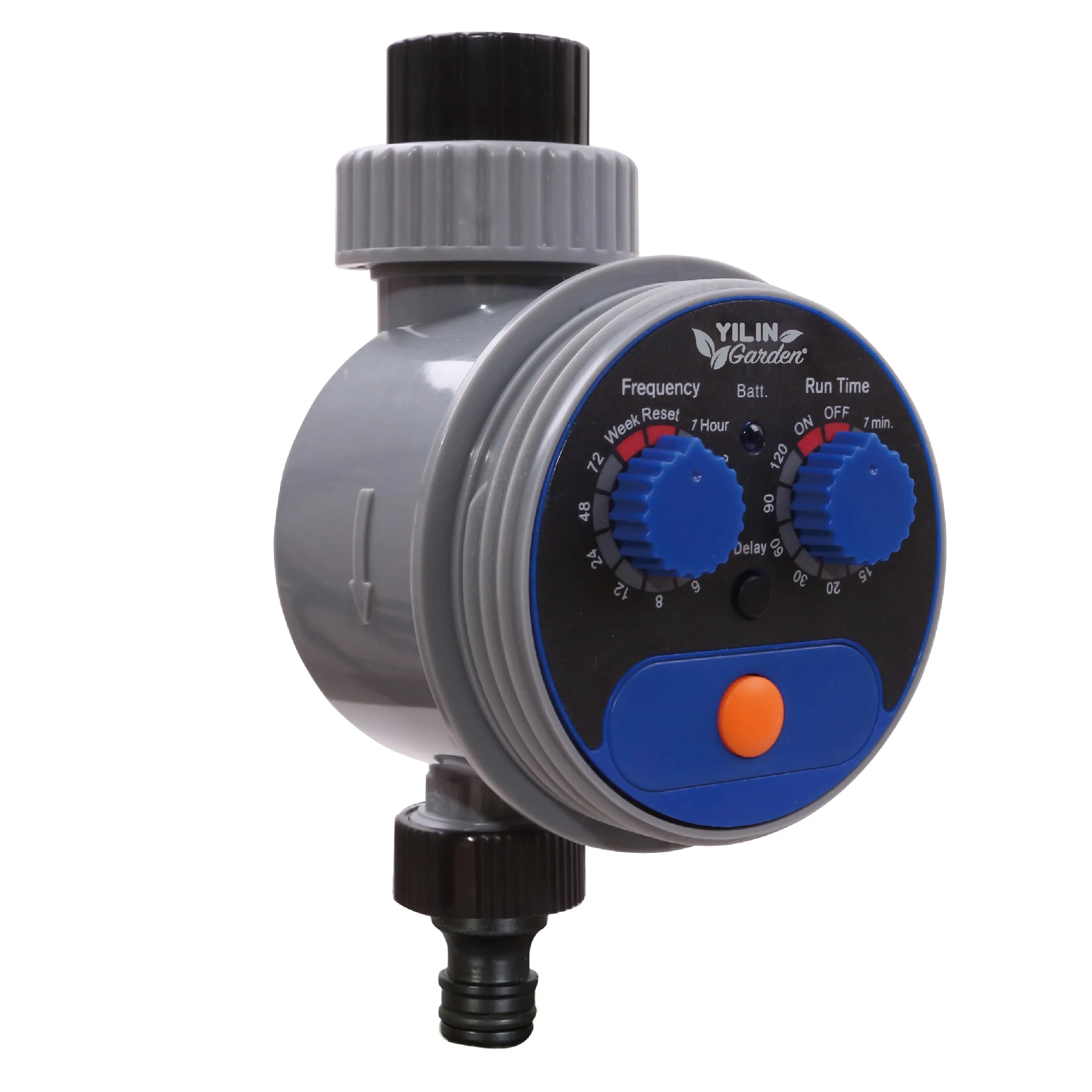
In today's competitive commercial landscape, sourcing high-quality hose end watering accessories has become crucial for businesses in the agricultural, landscaping, and horticultural sectors. These essential components serve as the critical connection points between water sources and irrigation systems, directly impacting operational efficiency and long-term cost management. Understanding the complexities of bulk procurement for hose end watering accessories requires comprehensive knowledge of material specifications, supplier relationships, and quality assurance protocols.
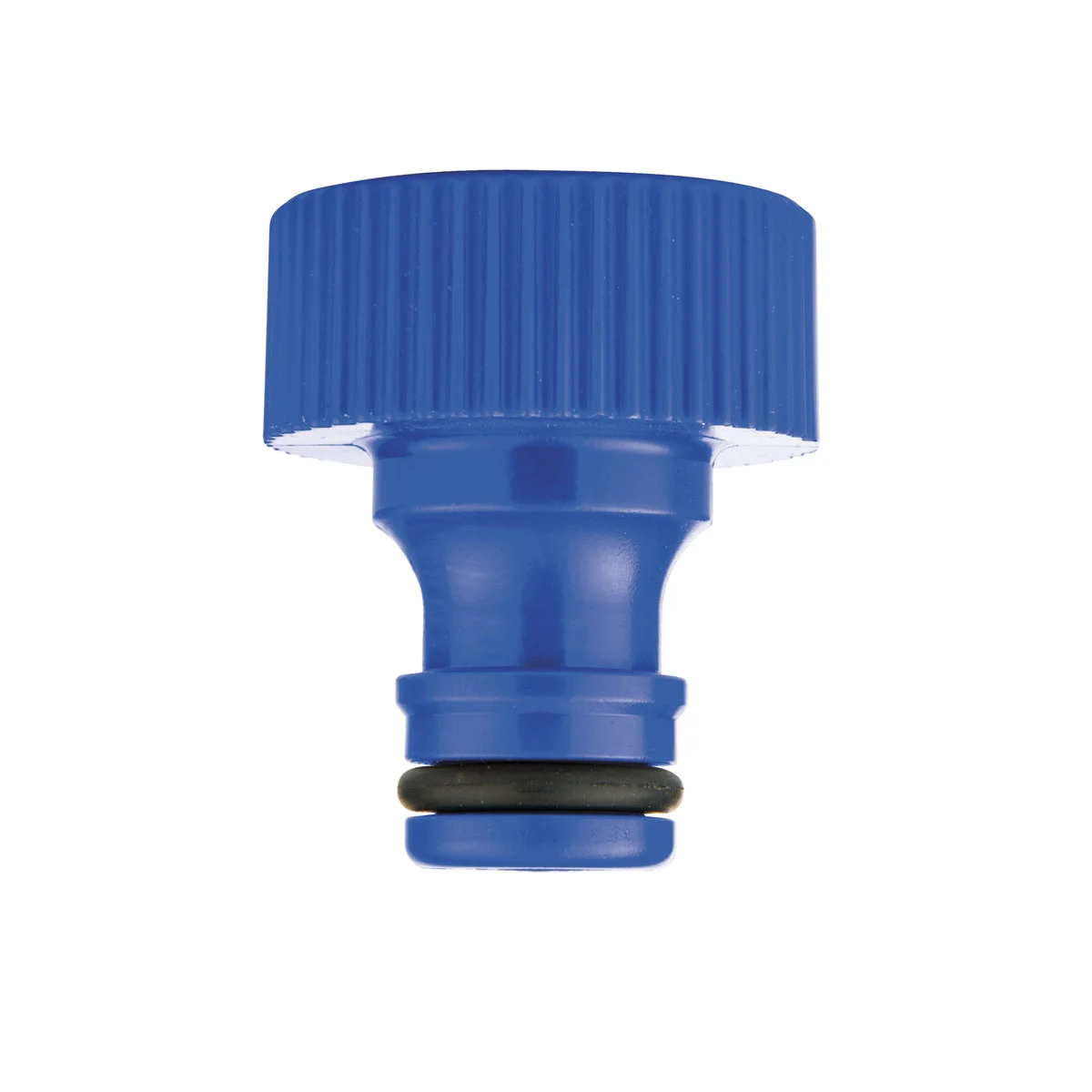
Professional buyers recognize that successful bulk purchasing of hose end watering accessories involves multiple considerations beyond initial pricing. Material durability, thread compatibility, pressure ratings, and environmental resistance all play significant roles in determining the total cost of ownership. Additionally, establishing reliable supply chains and maintaining consistent inventory levels becomes paramount when dealing with seasonal demand fluctuations and project-based requirements.
Material Selection and Quality Standards
Brass Components for Superior Performance
Brass construction remains the gold standard for premium hose end watering accessories due to its exceptional corrosion resistance and mechanical strength. When evaluating brass fittings for bulk procurement, buyers should examine the alloy composition, with lead-free formulations being essential for potable water applications. The manufacturing process also impacts quality, with forged brass typically offering superior durability compared to cast alternatives.
Professional-grade brass hose end watering accessories undergo rigorous testing protocols to ensure compliance with international standards. These specifications include pressure testing, thread accuracy verification, and environmental exposure assessments. Understanding these quality benchmarks enables procurement professionals to make informed decisions when comparing suppliers and negotiating bulk pricing structures.
Plastic and Composite Alternatives
Modern engineering plastics have revolutionized the hose end watering accessories market by providing cost-effective solutions without compromising performance. High-quality thermoplastics offer excellent chemical resistance and dimensional stability while maintaining competitive pricing for large-volume purchases. These materials prove particularly valuable for applications requiring frequent replacement or temporary installations.
Advanced composite materials combine the benefits of multiple substances to create hose end watering accessories with enhanced performance characteristics. Glass-reinforced polymers and metal-plastic hybrids deliver improved strength-to-weight ratios while maintaining cost advantages over traditional metallic options. These innovations enable bulk buyers to optimize their procurement strategies based on specific application requirements and budget constraints.
Supplier Evaluation and Partnership Development
Manufacturing Capacity Assessment
Evaluating potential suppliers for hose end watering accessories requires thorough analysis of their production capabilities and quality management systems. Manufacturing capacity directly impacts delivery schedules and pricing flexibility, particularly for large-volume orders. Buyers should assess equipment sophistication, automation levels, and workforce expertise to ensure suppliers can consistently meet demanding specifications and delivery timelines.
Quality certification standards provide valuable insights into supplier reliability and process control effectiveness. ISO 9001 certification, along with industry-specific accreditations, demonstrates commitment to systematic quality management. Additionally, examining supplier financial stability and market reputation helps mitigate risks associated with long-term partnership agreements and ensures consistent supply chain performance for hose end watering accessories.
Geographic Considerations and Logistics
Strategic supplier selection involves careful consideration of geographic factors affecting transportation costs, lead times, and regulatory compliance. Proximity to manufacturing facilities can significantly impact total procurement costs while reducing environmental footprint through shorter shipping distances. However, buyers must balance these advantages against factors such as labor costs, raw material availability, and local regulatory environments.
International sourcing of hose end watering accessories introduces additional complexities including customs procedures, trade regulations, and currency fluctuations. Successful bulk buyers develop comprehensive logistics strategies that account for these variables while maintaining competitive pricing and reliable delivery schedules. Establishing relationships with multiple suppliers across different regions provides valuable risk mitigation and negotiating leverage.
Technical Specifications and Compatibility
Thread Standards and Connection Systems
Thread compatibility represents a critical consideration when sourcing hose end watering accessories for diverse applications and markets. Different regions employ varying thread standards, with BSP, NPT, and metric systems being most common in commercial applications. Understanding these differences prevents costly compatibility issues and ensures seamless integration with existing infrastructure and equipment systems.
Precision manufacturing tolerances directly impact the performance and longevity of threaded connections in hose end watering accessories. Class specifications define acceptable dimensional variations, with tighter tolerances generally providing superior sealing performance and reduced maintenance requirements. Bulk buyers should specify appropriate tolerance classes based on application criticality and expected service life requirements.
Pressure Ratings and Safety Factors
Proper pressure rating selection ensures safe and reliable operation of hose end watering accessories under varying operating conditions. Working pressure specifications must account for system pressure spikes, temperature variations, and long-term material degradation effects. Safety factors provide additional margin against unexpected conditions while maintaining reasonable cost parameters for bulk procurement initiatives.
Testing and validation procedures verify that hose end watering accessories meet specified pressure requirements under controlled conditions. Hydrostatic testing, burst pressure evaluation, and fatigue cycling assessments provide comprehensive performance data for informed purchasing decisions. Understanding these testing methodologies enables buyers to evaluate supplier claims and negotiate appropriate warranty terms for bulk orders.
Cost Optimization Strategies
Volume Pricing Negotiations
Effective negotiation of volume pricing for hose end watering accessories requires comprehensive understanding of supplier cost structures and market dynamics. Material costs, manufacturing overhead, and profit margins all influence pricing flexibility. Buyers who demonstrate commitment to long-term partnerships and consistent volume levels often secure more favorable pricing arrangements and priority allocation during supply constraints.
Timing strategies can significantly impact procurement costs for hose end watering accessories, particularly when dealing with seasonal demand patterns. Off-season purchasing often yields substantial savings while providing adequate inventory levels for peak demand periods. However, buyers must balance these cost advantages against carrying costs and potential obsolescence risks associated with extended inventory holding periods.
Total Cost of Ownership Analysis
Comprehensive cost analysis extends beyond initial purchase prices to encompass installation, maintenance, and replacement costs throughout the product lifecycle. Premium hose end watering accessories may justify higher upfront costs through reduced maintenance requirements and extended service life. This analysis becomes particularly important for bulk purchases where small per-unit cost differences translate to significant total expenditures.
Warranty provisions and after-sales support represent important cost factors often overlooked in initial procurement decisions. Suppliers offering comprehensive warranty coverage and responsive technical support can reduce total ownership costs through reduced downtime and maintenance expenses. These considerations become increasingly important when sourcing hose end watering accessories for critical applications where reliability directly impacts operational success.
Quality Assurance and Inspection Protocols
Incoming Inspection Procedures
Establishing robust incoming inspection protocols ensures that bulk shipments of hose end watering accessories meet specified quality standards before deployment. Visual inspection procedures identify obvious defects while dimensional verification confirms conformance to technical specifications. Statistical sampling plans provide efficient quality assessment methods for large-volume shipments while maintaining acceptable risk levels.
Performance testing of representative samples validates critical functional characteristics under simulated operating conditions. Pressure testing, leak detection, and durability assessments provide confidence in product reliability and performance consistency. Documentation requirements ensure traceability and support warranty claims when quality issues arise in field applications of hose end watering accessories.
Supplier Quality Monitoring
Ongoing supplier performance monitoring maintains quality standards and identifies improvement opportunities throughout partnership relationships. Key performance indicators including defect rates, delivery performance, and customer satisfaction metrics provide objective assessment criteria. Regular supplier audits and quality reviews ensure continued compliance with specifications and identify potential issues before they impact product quality.
Collaborative improvement initiatives between buyers and suppliers can enhance quality while reducing costs for hose end watering accessories. Sharing performance data and implementing joint problem-solving approaches often yield superior results compared to adversarial relationships. These partnerships enable continuous improvement in product design, manufacturing processes, and quality management systems.
Inventory Management and Distribution
Demand Forecasting Methodologies
Accurate demand forecasting for hose end watering accessories requires analysis of historical usage patterns, seasonal variations, and project pipeline information. Statistical forecasting models provide baseline predictions while incorporating business intelligence and market trend analysis improves accuracy. Collaborative planning with end users and project managers enhances forecast reliability and reduces inventory holding costs.
Safety stock calculations must account for supply chain variability, demand uncertainty, and service level requirements. Lead time variations and supplier reliability directly impact required buffer inventory levels for hose end watering accessories. Advanced inventory management systems enable dynamic adjustment of safety stock levels based on changing market conditions and supplier performance metrics.
Warehouse and Distribution Optimization
Efficient warehouse layout and inventory organization minimize handling costs while maximizing storage density for hose end watering accessories. Product categorization by size, material, and usage frequency optimizes picking operations and reduces order fulfillment times. Automated storage and retrieval systems can further improve efficiency for high-volume distribution operations.
Distribution network design balances inventory investment against service level objectives and transportation costs. Regional distribution centers enable faster delivery times while consolidating inventory requirements for hose end watering accessories. Cross-docking operations can reduce inventory holding costs while maintaining service levels for predictable demand patterns.
FAQ
What factors should be considered when evaluating suppliers for bulk hose end watering accessories?
Key evaluation criteria include manufacturing capacity, quality certifications, financial stability, geographic location, and technical capabilities. Suppliers should demonstrate consistent quality performance, competitive pricing structures, and reliable delivery schedules. Additionally, consider their ability to provide technical support, warranty coverage, and responsiveness to changing requirements. Establishing relationships with multiple qualified suppliers provides risk mitigation and negotiating leverage for large-volume purchases.
How can buyers optimize total cost of ownership for hose end watering accessories?
Total cost optimization requires analysis of initial purchase price, installation costs, maintenance requirements, and expected service life. Premium materials and construction may justify higher upfront costs through reduced replacement frequency and lower maintenance expenses. Consider warranty provisions, supplier support capabilities, and compatibility with existing systems. Volume purchasing agreements and strategic timing can also significantly impact overall procurement costs while ensuring adequate inventory levels.
What quality standards should bulk buyers specify for hose end watering accessories?
Quality specifications should address material requirements, dimensional tolerances, pressure ratings, and environmental resistance characteristics. Industry standards such as ANSI, BSI, or DIN provide established benchmarks for thread specifications and performance criteria. Testing requirements including pressure testing, dimensional verification, and material composition analysis ensure compliance with specifications. Clear quality criteria enable objective supplier evaluation and provide basis for warranty claims when necessary.
How do seasonal demand patterns affect procurement strategies for hose end watering accessories?
Seasonal demand creates opportunities for cost savings through off-season purchasing while requiring careful inventory planning to avoid stockouts during peak periods. Forward buying strategies can secure favorable pricing but increase carrying costs and obsolescence risks. Demand forecasting must account for weather patterns, agricultural cycles, and construction seasonality. Flexible supply arrangements and strategic inventory positioning help balance cost optimization with service level requirements throughout annual demand cycles.
Table of Contents
- Material Selection and Quality Standards
- Supplier Evaluation and Partnership Development
- Technical Specifications and Compatibility
- Cost Optimization Strategies
- Quality Assurance and Inspection Protocols
- Inventory Management and Distribution
-
FAQ
- What factors should be considered when evaluating suppliers for bulk hose end watering accessories?
- How can buyers optimize total cost of ownership for hose end watering accessories?
- What quality standards should bulk buyers specify for hose end watering accessories?
- How do seasonal demand patterns affect procurement strategies for hose end watering accessories?
