
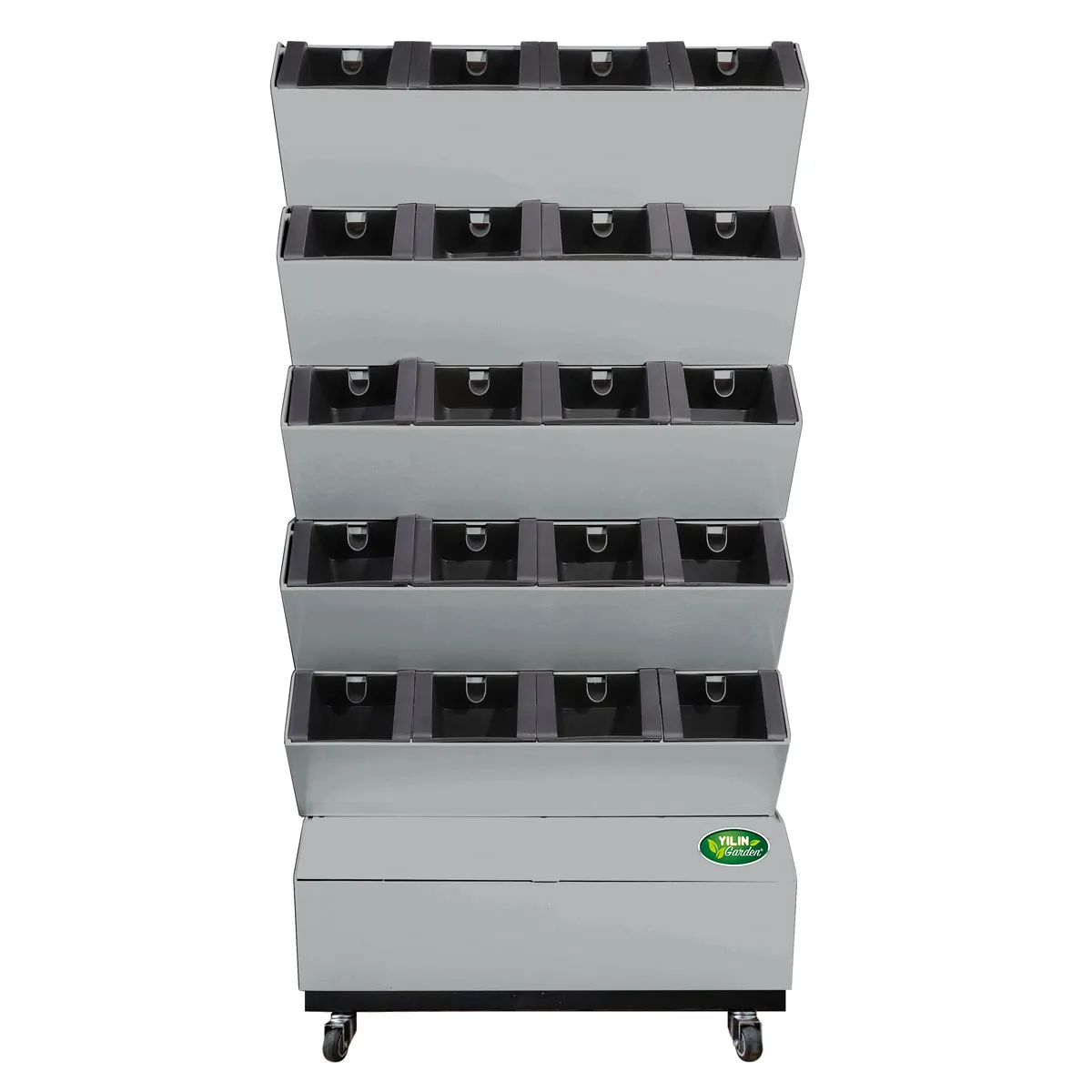
Selecting the right smart gardening equipment supplier can significantly impact your agricultural operations, sustainability goals, and long-term profitability. Whether you're managing a commercial greenhouse, overseeing municipal landscaping projects, or developing residential garden installations, partnering with a reliable smart gardening equipment supplier ensures access to cutting-edge technology, consistent product quality, and ongoing technical support. The decision extends beyond initial purchase considerations, encompassing factors like warranty coverage, scalability options, and the supplier's commitment to innovation in precision agriculture technologies.
Technical Expertise and Product Innovation
Advanced Automation Capabilities
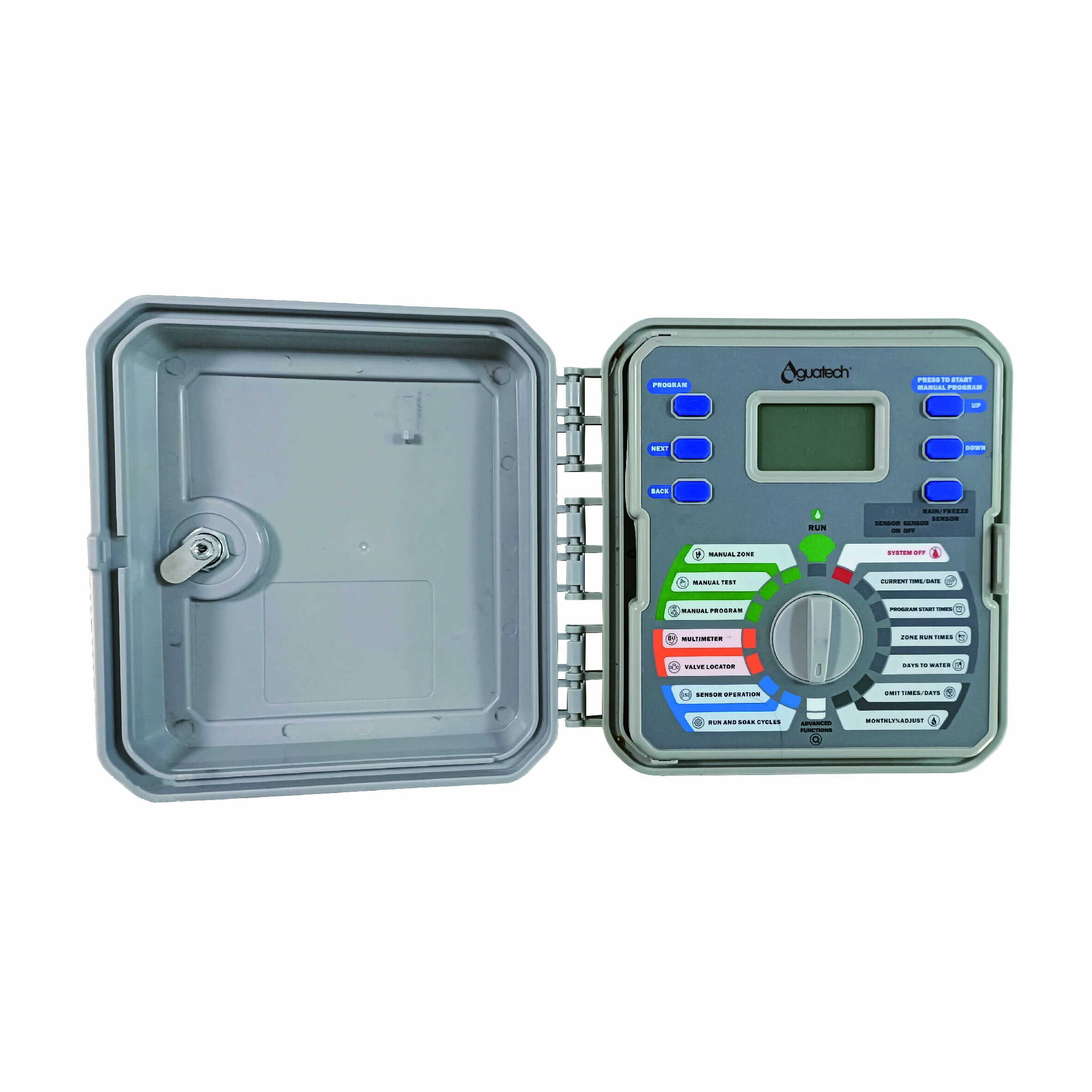
A distinguished smart gardening equipment supplier should demonstrate deep understanding of automated irrigation systems, environmental monitoring technologies, and integrated control platforms. Look for suppliers who offer comprehensive solutions including soil moisture sensors, weather station integration, and programmable irrigation controllers that can adapt to changing environmental conditions. The best suppliers invest heavily in research and development, continuously updating their product lines to incorporate emerging technologies like artificial intelligence, machine learning algorithms, and IoT connectivity features.
Evaluate whether your potential supplier provides equipment with advanced scheduling capabilities, remote monitoring options, and data analytics dashboards. These features enable precise water management, reduce resource waste, and optimize plant health outcomes. A professional smart gardening equipment supplier will offer detailed technical specifications, performance metrics, and compatibility information to help you make informed decisions about system integration and scalability.
Quality Assurance Standards
Reputable suppliers maintain rigorous quality control processes throughout their manufacturing and distribution operations. They should provide comprehensive product testing documentation, certification compliance records, and detailed warranty information. Look for suppliers who adhere to international standards such as ISO certifications, CE marking for European compliance, and FCC approval for wireless communication components. These certifications indicate commitment to product reliability, safety standards, and electromagnetic compatibility requirements.
Additionally, examine the supplier's quality assurance protocols for component sourcing, assembly procedures, and pre-shipment testing. A reliable smart gardening equipment supplier will provide detailed product manuals, installation guides, and troubleshooting resources to ensure proper system deployment and optimal performance throughout the equipment lifecycle.
Service and Support Infrastructure
Technical Support Availability
Comprehensive technical support is essential for maintaining operational continuity and maximizing equipment performance. Evaluate the supplier's support infrastructure including response times, availability hours, and communication channels. The ideal smart gardening equipment supplier offers multiple support options such as phone assistance, email ticketing systems, live chat capabilities, and remote diagnostic services. Consider whether they provide 24/7 emergency support for critical applications or seasonal peak periods when system reliability is paramount.
Assess the technical expertise level of support staff by inquiring about their training programs, certification requirements, and field experience. Quality suppliers invest in ongoing education for their support teams, ensuring they stay current with product updates, software enhancements, and troubleshooting techniques. They should offer detailed system diagnostics, performance optimization recommendations, and proactive maintenance guidance to prevent equipment failures and extend operational lifespan.
Training and Documentation Resources
Comprehensive training programs and documentation resources are crucial for successful system implementation and long-term operational success. A professional smart gardening equipment supplier should provide detailed installation manuals, user guides, video tutorials, and hands-on training sessions. These resources should cover system configuration, routine maintenance procedures, troubleshooting protocols, and software updates.
Evaluate whether the supplier offers certification programs for installers and end users, ensuring proper system deployment and operation. Look for suppliers who provide multilingual documentation, region-specific installation guidelines, and ongoing educational webinars or workshops. This commitment to education demonstrates the supplier's investment in customer success and long-term partnership development.
Product Portfolio and Scalability
Comprehensive Solution Offerings
A well-established smart gardening equipment supplier should offer a comprehensive product portfolio that addresses diverse application requirements and system configurations. This includes irrigation controllers, sensor networks, valve assemblies, filtration systems, and monitoring software platforms. Evaluate whether they provide modular solutions that can be customized for specific project requirements, from small residential installations to large commercial agricultural operations.
Consider the supplier's ability to provide integrated solutions that combine hardware and software components into cohesive systems. This integration capability reduces compatibility issues, simplifies installation procedures, and ensures optimal system performance. Look for suppliers who offer wireless and wired connectivity options, cloud-based management platforms, and mobile application interfaces for convenient system monitoring and control.
Future Expansion Capabilities
Scalability is a critical consideration when selecting a smart gardening equipment supplier for long-term partnerships. Evaluate whether their product lines can accommodate future expansion requirements, increased automation levels, and evolving technology standards. The supplier should offer modular system designs that allow incremental upgrades without requiring complete system replacement.
Assess the supplier's roadmap for product development and technology advancement. A forward-thinking smart gardening equipment supplier will provide insights into upcoming product releases, software enhancements, and compatibility with emerging industry standards. This transparency enables better planning for future investments and ensures long-term system viability as technology continues to evolve.
Financial Considerations and Value Proposition
Pricing Structure Transparency
Understanding the complete cost structure is essential for accurate budget planning and ROI calculations. A reputable smart gardening equipment supplier should provide transparent pricing information including equipment costs, installation fees, ongoing maintenance expenses, and software licensing requirements. Look for suppliers who offer detailed quotations with itemized components, avoiding hidden fees or unexpected charges that can impact project budgets.
Evaluate different pricing models such as purchase options, leasing arrangements, or subscription-based services. Some suppliers offer flexible payment terms, volume discounts, or seasonal pricing incentives that can provide significant cost advantages for larger projects. Consider the total cost of ownership including energy consumption, maintenance requirements, and expected equipment lifespan when comparing supplier options.
Return on Investment Analysis
A professional smart gardening equipment supplier should provide comprehensive ROI analysis tools and case studies demonstrating the financial benefits of their solutions. This includes water savings calculations, labor cost reductions, improved crop yields, and reduced maintenance expenses. Look for suppliers who offer performance monitoring capabilities that track actual savings against projected benefits.
Consider suppliers who provide detailed performance benchmarks, energy efficiency ratings, and operational cost comparisons. These metrics enable accurate assessment of potential cost savings and help justify equipment investments. The best smart gardening equipment supplier will offer ongoing performance monitoring and optimization recommendations to maximize ROI throughout the equipment lifecycle.
Reputation and Industry Standing
Market Experience and Track Record
Evaluate the supplier's experience in the smart gardening industry including years of operation, project portfolio, and client testimonials. Look for suppliers with proven track records in similar applications, geographic regions, and project scales. Experienced suppliers understand common implementation challenges, regulatory requirements, and best practices for successful system deployment.
Research the supplier's reputation through industry publications, trade associations, and peer reviews. A respected smart gardening equipment supplier will have positive relationships with distributors, contractors, and end users throughout the supply chain. They should be willing to provide references from recent projects and case studies demonstrating successful implementations.
Certifications and Industry Recognition
Professional certifications and industry awards indicate a supplier's commitment to excellence and continuous improvement. Look for suppliers who maintain relevant certifications from recognized industry organizations, environmental agencies, and technology standards bodies. These certifications demonstrate adherence to quality standards, environmental responsibility, and technological innovation.
Consider suppliers who actively participate in industry conferences, trade shows, and professional associations. This involvement demonstrates their commitment to staying current with industry trends, networking with peers, and contributing to industry advancement. A well-connected smart gardening equipment supplier can provide valuable insights into emerging technologies, regulatory changes, and market developments.
FAQ
How do I evaluate the reliability of a smart gardening equipment supplier?
Assess supplier reliability by examining their business history, financial stability, customer references, and warranty offerings. Request information about their manufacturing processes, quality control procedures, and supply chain management. A reliable smart gardening equipment supplier will provide transparent information about their operations, maintain consistent product availability, and demonstrate long-term commitment to customer support. Review their track record for on-time deliveries, product quality consistency, and responsiveness to customer issues.
What technical support should I expect from a professional supplier?
Professional suppliers should offer comprehensive technical support including installation assistance, system configuration guidance, troubleshooting help, and ongoing maintenance support. This includes multiple communication channels such as phone, email, and remote diagnostic capabilities. Expect detailed documentation, training resources, and access to technical specialists who understand your specific application requirements. The supplier should provide proactive support through software updates, performance monitoring, and preventive maintenance recommendations.
How important is scalability when choosing a smart gardening equipment supplier?
Scalability is crucial for long-term partnerships as it ensures your system can grow with changing requirements. A scalable smart gardening equipment supplier offers modular solutions that accommodate future expansions, technology upgrades, and increased automation levels. This flexibility prevents the need for complete system replacement as your operations evolve. Look for suppliers who provide clear upgrade paths, backward compatibility, and integration capabilities with emerging technologies.
What should I consider regarding warranty and maintenance services?
Evaluate warranty terms including coverage duration, component inclusion, labor costs, and replacement procedures. Professional suppliers offer comprehensive warranties that cover both hardware and software components, with clear procedures for warranty claims and repairs. Consider maintenance service options including preventive maintenance schedules, emergency repair services, and replacement part availability. A quality smart gardening equipment supplier will provide transparent maintenance costs, service level agreements, and ongoing support commitments that ensure long-term system reliability and performance.
