
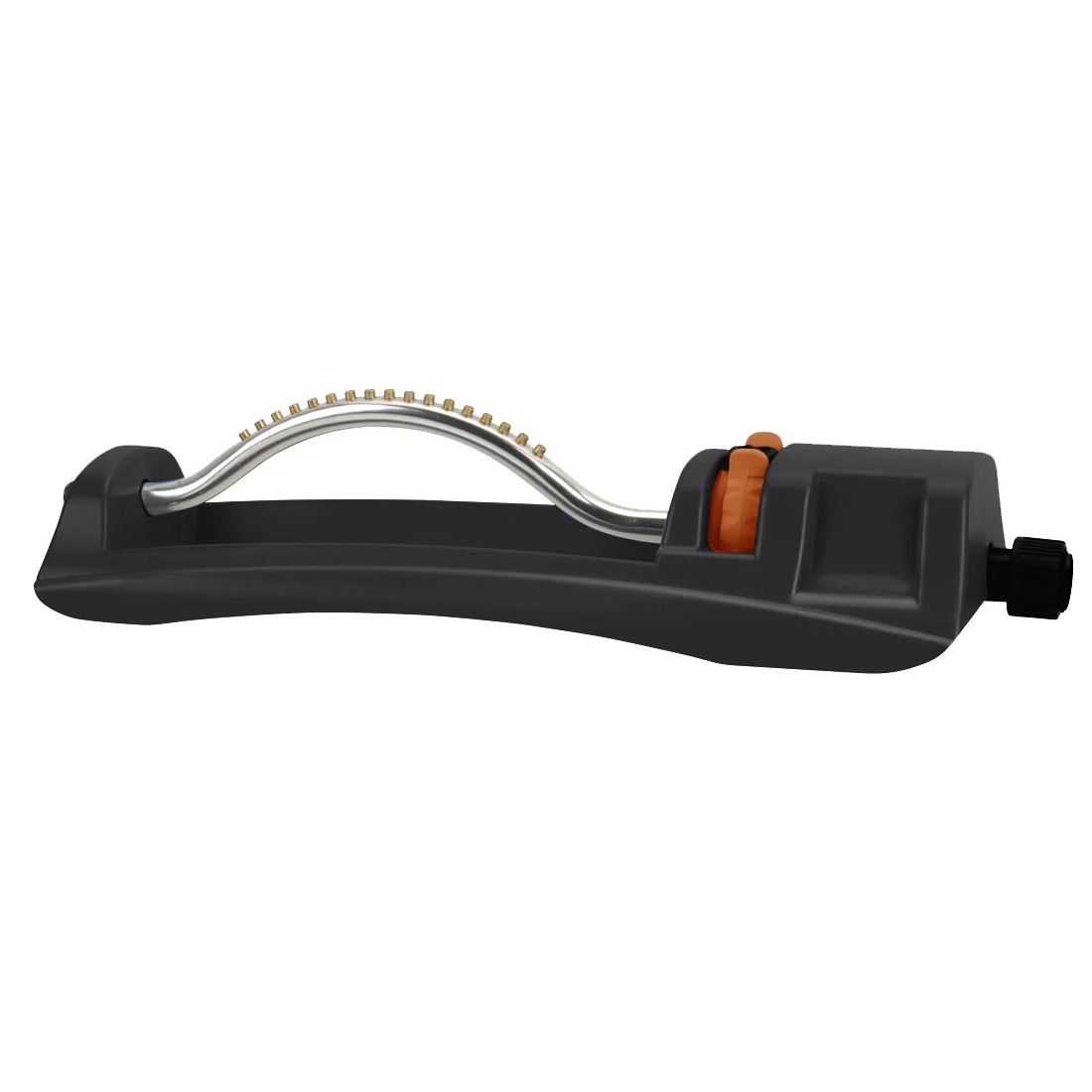
In today's competitive irrigation market, businesses that rely on standardized lawn sprinkler solutions often find themselves struggling to differentiate their offerings and meet specific customer requirements. Original Equipment Manufacturer (OEM) customization has emerged as a critical strategy for companies looking to establish a competitive edge in the lawn sprinkler industry. This approach allows businesses to tailor irrigation products to their exact specifications, ensuring that every lawn sprinkler meets unique performance standards, aesthetic preferences, and functional requirements that align with their brand identity and customer expectations.
Understanding OEM Customization in Lawn Irrigation Systems
Definition and Scope of OEM Services
OEM customization in the lawn sprinkler industry encompasses a comprehensive range of modifications that manufacturers can implement to create unique irrigation solutions. This process involves adapting existing lawn sprinkler designs or developing entirely new products based on specific client requirements. The customization scope extends beyond simple aesthetic changes to include fundamental alterations in spray patterns, coverage areas, material compositions, and operational mechanisms that define how each lawn sprinkler performs in real-world applications.
Professional lawn sprinkler manufacturers specializing in OEM services typically offer extensive customization options that include nozzle configurations, body materials, water flow rates, and pressure specifications. These modifications ensure that each lawn sprinkler system delivers optimal performance for its intended application, whether for residential gardens, commercial landscapes, or specialized agricultural environments. The flexibility inherent in OEM customization allows businesses to address market gaps that standard lawn sprinkler products cannot fill effectively.
Key Components Available for Customization
The customization process for lawn sprinkler systems typically focuses on several critical components that directly impact performance and user experience. Nozzle design represents one of the most significant areas for modification, as different spray patterns and droplet sizes can dramatically affect irrigation efficiency and coverage uniformity. Advanced lawn sprinkler OEM services often include precision-engineered nozzles that can be tailored to specific soil types, plant requirements, and climate conditions prevalent in target markets.
Material selection constitutes another crucial aspect of lawn sprinkler customization, with options ranging from traditional plastics to advanced composites and metals that offer enhanced durability and weather resistance. The choice of materials directly influences the longevity and reliability of each lawn sprinkler unit, making it essential for businesses to work closely with OEM partners to identify the most suitable options for their specific applications and budget constraints.
Strategic Advantages of Custom Lawn Sprinkler Solutions
Market Differentiation and Brand Identity
Custom lawn sprinkler products provide businesses with powerful tools for establishing distinct market positions that set them apart from competitors relying on generic solutions. When companies invest in OEM customization, they create lawn sprinkler systems that embody their brand values and technical expertise, resulting in products that customers immediately associate with quality and innovation. This differentiation becomes particularly valuable in saturated markets where standard lawn sprinkler offerings struggle to capture consumer attention or command premium pricing.
The ability to incorporate unique design elements, performance characteristics, and functional features into custom lawn sprinkler products enables businesses to tell compelling brand stories that resonate with target audiences. Companies can leverage these distinctive products to demonstrate their commitment to solving specific irrigation challenges, positioning themselves as thought leaders and innovative problem-solvers rather than mere distributors of commodity lawn sprinkler systems.
Enhanced Performance and Efficiency
Custom lawn sprinkler systems deliver superior performance compared to off-the-shelf alternatives because they are specifically engineered to address particular irrigation challenges and environmental conditions. This targeted approach results in more efficient water distribution, reduced waste, and improved plant health outcomes that directly translate into customer satisfaction and long-term business relationships. The precision inherent in custom lawn sprinkler design ensures optimal water coverage patterns that minimize dry spots and overwatering issues commonly associated with generic irrigation solutions.
Furthermore, custom lawn sprinkler products can incorporate advanced features and technologies that are not available in standard models, such as adjustable spray patterns, pressure compensation mechanisms, and specialized materials that enhance durability and performance consistency. These enhancements contribute to lower maintenance requirements, extended product lifecycles, and reduced total cost of ownership for end users, creating additional value propositions that support premium pricing strategies.
Technical Considerations for Lawn Sprinkler Customization
Engineering and Design Requirements
Successful lawn sprinkler customization requires careful consideration of numerous technical factors that influence product performance, manufacturability, and cost-effectiveness. Engineering teams must evaluate hydraulic principles, material properties, and manufacturing constraints to ensure that custom lawn sprinkler designs meet both functional requirements and production feasibility criteria. This process involves detailed analysis of water flow dynamics, pressure requirements, and spray pattern optimization to create lawn sprinkler systems that deliver consistent and reliable performance across varying operating conditions.
Design considerations for custom lawn sprinkler products also encompass aesthetic elements that align with brand guidelines and market preferences. The integration of functional and visual design requirements demands close collaboration between engineering and marketing teams to ensure that technical specifications support both performance objectives and commercial appeal. This holistic approach to lawn sprinkler customization helps create products that excel in both functionality and market acceptance.
Quality Assurance and Testing Protocols
Custom lawn sprinkler development necessitates comprehensive quality assurance programs that validate design specifications and ensure consistent manufacturing quality. Testing protocols for customized lawn sprinkler systems typically include hydraulic performance verification, durability assessments, and environmental stress testing to confirm that products meet specified requirements under various operating conditions. These rigorous evaluation processes help identify potential issues early in the development cycle, reducing the risk of costly recalls or customer dissatisfaction.
Quality assurance for custom lawn sprinkler products also involves establishing traceability systems that document material sources, manufacturing processes, and performance test results. This documentation provides valuable insights for continuous improvement initiatives and supports warranty claims and technical support activities. The investment in comprehensive quality assurance ultimately enhances the reputation and reliability of custom lawn sprinkler products, contributing to stronger customer relationships and market positioning.
Market Applications and Customer Benefits
Residential and Commercial Landscaping
Custom lawn sprinkler solutions address the diverse requirements of residential and commercial landscaping projects that demand specific irrigation performance characteristics. Residential applications often require lawn sprinkler systems that balance effective coverage with aesthetic considerations, leading to designs that integrate seamlessly with landscape architecture while delivering efficient water distribution. Commercial projects frequently involve larger scale installations with complex coverage requirements that benefit from customized lawn sprinkler configurations optimized for specific site conditions and maintenance protocols.
The flexibility offered by OEM customization allows landscape professionals to specify lawn sprinkler systems that precisely match project requirements, eliminating the compromises often necessary when using standard products. This precision translates into improved irrigation efficiency, reduced water consumption, and enhanced plant health outcomes that benefit both property owners and environmental sustainability initiatives.
Agricultural and Horticultural Applications
Agricultural and horticultural operations represent significant markets for custom lawn sprinkler solutions, as these applications often involve specialized crops and growing conditions that require precisely controlled irrigation patterns and water delivery rates. Custom lawn sprinkler systems designed for agricultural use can incorporate features such as variable flow rates, specialized nozzle geometries, and materials resistant to fertilizers and pesticides commonly used in farming operations.
The economic benefits of optimized irrigation in agricultural settings make custom lawn sprinkler investments highly attractive, as improved water efficiency and crop yields can quickly offset the additional costs associated with customization. These applications also benefit from the durability and reliability advantages of custom-designed lawn sprinkler components that are specifically engineered to withstand the demanding conditions typical of commercial growing operations.
Implementation Strategies and Best Practices
Partner Selection and Collaboration
Selecting the right OEM partner for lawn sprinkler customization projects requires careful evaluation of manufacturing capabilities, technical expertise, and quality assurance systems. Successful partnerships depend on clear communication of requirements, realistic timeline expectations, and ongoing collaboration throughout the development and production phases. Companies should seek OEM partners with demonstrated experience in lawn sprinkler manufacturing and a proven track record of delivering custom solutions that meet performance and quality standards.
Effective collaboration with OEM partners involves establishing clear project specifications, regular progress reviews, and feedback mechanisms that ensure custom lawn sprinkler products meet intended requirements. This collaborative approach helps prevent misunderstandings and delays while fostering innovation and continuous improvement in product design and manufacturing processes.
Cost Management and ROI Considerations
Managing costs associated with lawn sprinkler customization requires careful balance between desired features and budget constraints, with successful projects typically involving value engineering exercises that optimize performance while controlling expenses. Companies must evaluate the total cost of ownership for custom lawn sprinkler solutions, including development costs, tooling expenses, and production volumes needed to achieve acceptable unit costs.
Return on investment calculations for custom lawn sprinkler projects should consider both direct financial benefits and strategic advantages such as market differentiation and customer loyalty. The premium pricing opportunities available with unique lawn sprinkler products often justify the additional investments required for customization, particularly when products deliver demonstrable performance advantages or solve specific customer problems that standard solutions cannot address effectively.
Future Trends in Lawn Sprinkler Customization
Technology Integration and Smart Features
The integration of smart technology features represents a growing trend in custom lawn sprinkler development, with increasing demand for systems that can be controlled remotely and provide real-time performance data. These advanced lawn sprinkler systems incorporate sensors, wireless connectivity, and automated control algorithms that optimize irrigation schedules based on weather conditions, soil moisture levels, and plant requirements.
Future custom lawn sprinkler designs are likely to include even more sophisticated technology features, such as artificial intelligence algorithms that learn from usage patterns and environmental conditions to continuously improve irrigation efficiency. These technological advances create new opportunities for differentiation and value creation in the lawn sprinkler market while supporting sustainability initiatives and resource conservation goals.
Sustainability and Environmental Considerations
Environmental sustainability considerations are increasingly influencing custom lawn sprinkler design decisions, with growing emphasis on water conservation, renewable materials, and energy-efficient operation. Custom lawn sprinkler solutions can incorporate advanced water-saving technologies and eco-friendly materials that align with environmental regulations and customer preferences for sustainable products.
The trend toward sustainable lawn sprinkler design also creates opportunities for innovation in recycling programs, product lifecycle management, and manufacturing processes that minimize environmental impact. Companies that embrace these sustainability principles in their custom lawn sprinkler offerings are likely to gain competitive advantages as environmental awareness continues to grow among consumers and regulatory bodies.
FAQ
What are the typical lead times for custom lawn sprinkler development?
Lead times for custom lawn sprinkler development typically range from 6 to 16 weeks, depending on the complexity of modifications required and the OEM partner's production capacity. Simple customizations such as color changes or minor nozzle modifications may be completed in 6-8 weeks, while comprehensive redesigns involving new tooling and extensive testing can require 12-16 weeks or longer. Factors affecting lead times include prototype development requirements, tooling complexity, and quality assurance testing protocols.
What minimum order quantities are typically required for custom lawn sprinkler projects?
Minimum order quantities for custom lawn sprinkler manufacturing usually range from 500 to 5,000 units, depending on the extent of customization and tooling requirements. Simple modifications to existing lawn sprinkler designs may have lower minimum quantities, while completely new designs with unique tooling typically require larger initial orders to justify development costs. Many OEM partners offer flexible quantity tiers with different pricing structures to accommodate various business needs and budget constraints.
How do custom lawn sprinkler products affect warranty and support considerations?
Custom lawn sprinkler products typically receive warranty coverage similar to standard products, though specific terms may vary based on the nature and extent of customizations implemented. OEM partners usually provide technical support and replacement parts for custom lawn sprinkler designs throughout the agreed warranty period. Companies should establish clear warranty terms and support procedures with their OEM partners before beginning custom projects to ensure adequate protection and service availability.
What cost factors should be considered when evaluating lawn sprinkler customization projects?
Key cost factors for lawn sprinkler customization include development fees, tooling costs, material premiums, and minimum order quantity requirements. Development costs typically include engineering time, prototype production, and testing expenses, while tooling costs vary based on the complexity of modifications required. Material costs may be higher for custom specifications, and minimum order quantities affect per-unit pricing significantly. Companies should also consider ongoing costs such as inventory management, quality control, and technical support when evaluating total project economics.
Table of Contents
- Understanding OEM Customization in Lawn Irrigation Systems
- Strategic Advantages of Custom Lawn Sprinkler Solutions
- Technical Considerations for Lawn Sprinkler Customization
- Market Applications and Customer Benefits
- Implementation Strategies and Best Practices
- Future Trends in Lawn Sprinkler Customization
-
FAQ
- What are the typical lead times for custom lawn sprinkler development?
- What minimum order quantities are typically required for custom lawn sprinkler projects?
- How do custom lawn sprinkler products affect warranty and support considerations?
- What cost factors should be considered when evaluating lawn sprinkler customization projects?
