
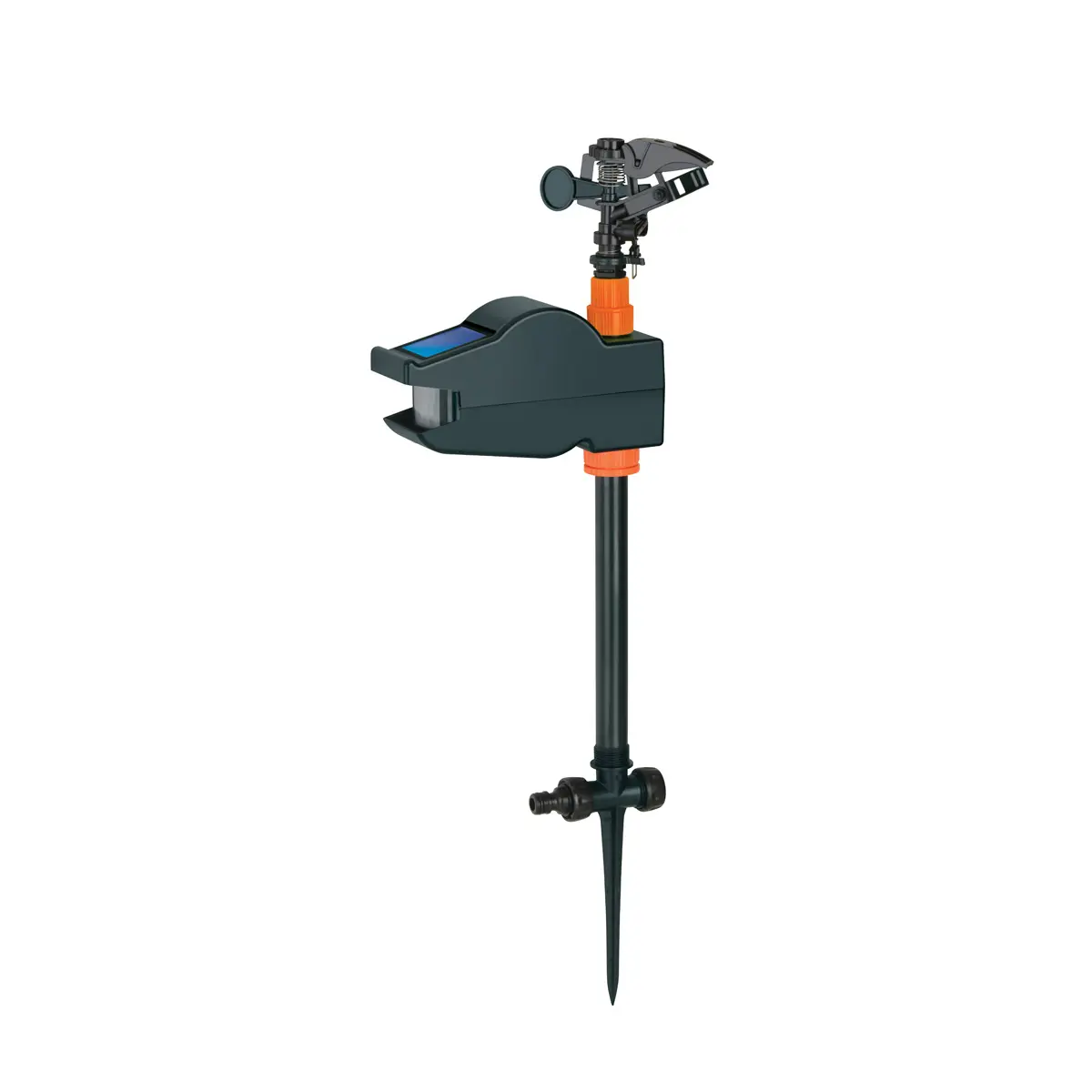
Agricultural operations rely heavily on robust water management systems that can withstand extreme pressures and harsh environmental conditions. Hose connectors form the critical junction points in these systems, determining whether water flow remains consistent or fails when farmers need it most. The durability of these essential components directly impacts crop yields, operational efficiency, and long-term maintenance costs across diverse farming applications.
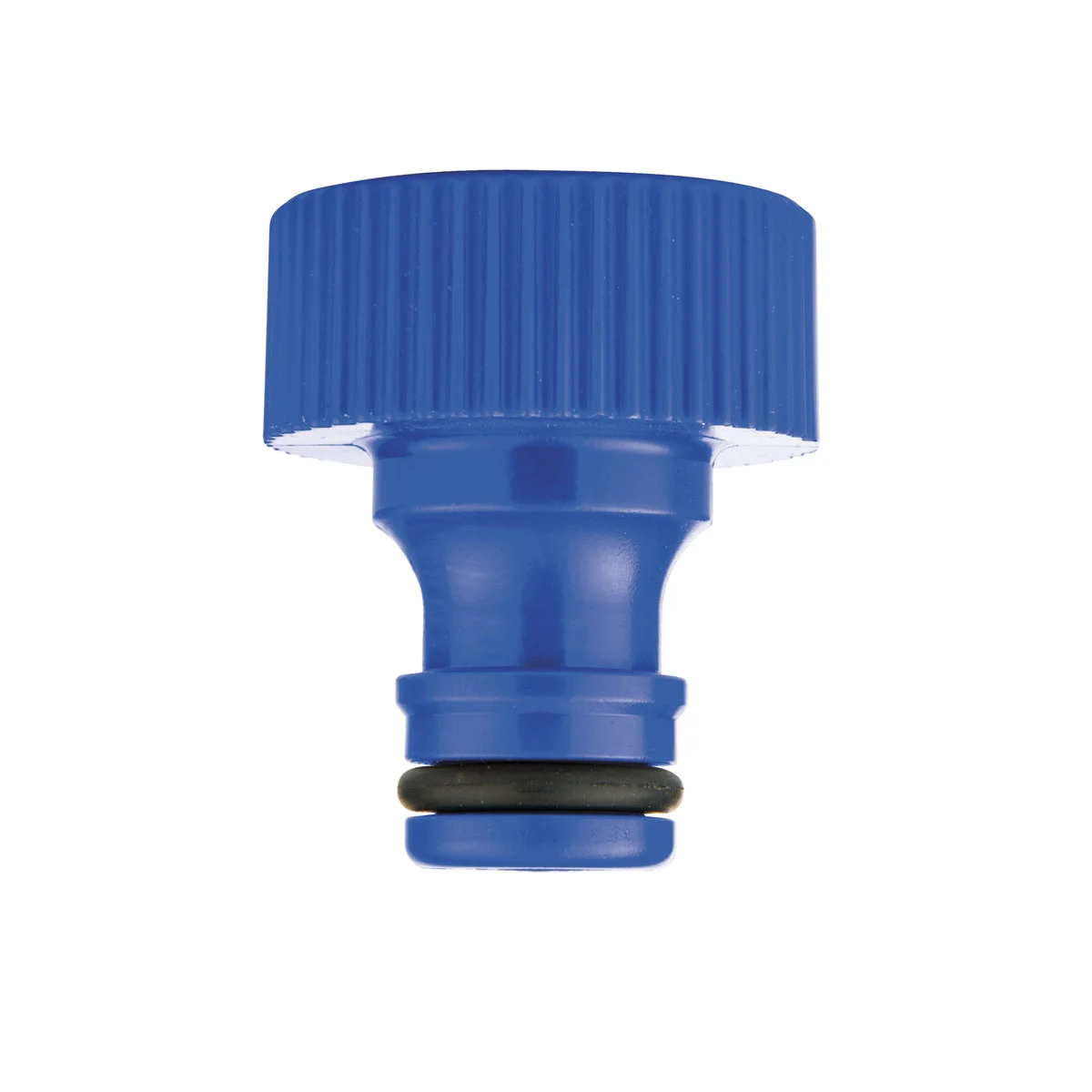
Modern agricultural environments present unique challenges that test the limits of standard plumbing components. High-pressure irrigation systems, chemical applications, and seasonal weather extremes create demanding conditions where ordinary connectors frequently fail. Understanding the specific requirements and performance characteristics of agricultural hose connectors enables farmers and equipment managers to make informed decisions about their water distribution infrastructure.
Material Composition and Durability Factors
Metal Alloy Construction Benefits
Premium hose connectors utilize advanced metal alloys specifically engineered for agricultural environments. Brass construction offers excellent corrosion resistance while maintaining structural integrity under high-pressure conditions. The copper content in quality brass connectors provides natural antimicrobial properties, reducing bacterial growth in water lines and extending system longevity.
Stainless steel variants deliver superior performance in coastal agricultural regions where salt exposure accelerates corrosion. These connectors maintain their mechanical properties across temperature fluctuations common in outdoor farming operations. The chromium content creates a protective oxide layer that prevents rust formation even when exposed to fertilizers and pesticides.
Polymer and Composite Innovations
Advanced polymer hose connectors incorporate reinforced materials that resist chemical degradation from agricultural inputs. High-density polyethylene and reinforced nylon compounds provide lightweight alternatives without compromising pressure ratings. These materials excel in applications involving acidic or alkaline solutions that would corrode traditional metal components.
Composite construction combines multiple materials to optimize performance characteristics. Fiber-reinforced polymers offer exceptional tensile strength while maintaining flexibility during thermal expansion cycles. This hybrid approach allows hose connectors to withstand mechanical stress while resisting environmental degradation over extended service periods.
Pressure Rating Specifications
Understanding PSI Requirements
Agricultural applications demand hose connectors capable of handling pressures ranging from 150 PSI for gravity-fed systems to over 1000 PSI for high-pressure spraying operations. The pressure rating represents the maximum working pressure under normal operating temperatures, with safety factors built into the specification. Exceeding these ratings leads to catastrophic failure and potential safety hazards.
Burst pressure ratings typically exceed working pressures by a factor of three to four, providing adequate safety margins for pressure spikes common in agricultural systems. Water hammer effects from rapid valve closures can create momentary pressure increases that stress connector components beyond their normal operating range. Quality hose connectors incorporate design features that accommodate these transient pressure events.
Temperature Compensation Factors
Temperature variations significantly affect pressure ratings and material performance in hose connectors. Cold weather reduces material flexibility while hot conditions can soften polymers and reduce pressure tolerance. Agricultural environments experience extreme temperature swings that challenge connector durability throughout seasonal cycles.
Thermal expansion coefficients vary between different materials, creating stress concentrations at connection points during temperature changes. Metal connectors expand at different rates than plastic hoses, potentially loosening threaded connections or creating leak paths. Understanding these thermal effects helps select appropriate hose connectors for specific climate conditions and seasonal variations.
Environmental Resistance Characteristics
Chemical Compatibility Standards
Agricultural chemicals pose significant challenges to hose connectors through direct contact and vapor exposure. Fertilizers containing nitrogen compounds can accelerate corrosion processes in metal components while creating crystalline deposits that interfere with proper sealing. Pesticide formulations often include organic solvents that attack rubber gaskets and polymer components.
Compatibility charts provide essential guidance for selecting hose connectors appropriate for specific chemical applications. EPDM rubber seals offer excellent resistance to acids and alkalis common in agricultural formulations. Viton seals provide superior performance with petroleum-based chemicals and high-temperature applications but require higher initial investment costs.
UV Degradation Protection
Ultraviolet radiation from prolonged sun exposure degrades polymer components in hose connectors over time. UV stabilizers incorporated into material formulations slow this degradation process but cannot eliminate it entirely. Carbon black additives provide natural UV protection while maintaining material strength characteristics.
Surface coatings and protective treatments extend the service life of hose connectors in high-UV environments. Anodized aluminum surfaces resist oxidation while providing decorative appearance options. Powder coating applications create barrier layers that protect base materials from both UV exposure and chemical contact.
Installation and Maintenance Considerations
Proper Threading Techniques
Correct installation procedures significantly impact the durability and performance of hose connectors in agricultural applications. Thread engagement depth must provide adequate mechanical strength while avoiding over-tightening that damages sealing surfaces. Hand tightening plus one-quarter turn typically provides optimal seal compression without exceeding material yield strengths.
Thread sealants and tapes prevent water infiltration into threaded connections while lubricating assembly processes. PTFE tape provides reliable sealing without chemical interaction with connector materials. Pipe dope compounds offer superior performance in high-vibration applications but require compatibility verification with specific hose connectors and system fluids.
Preventive Maintenance Protocols
Regular inspection schedules identify potential failure modes before they cause system disruptions. Visual examination reveals corrosion patterns, crack development, and seal deterioration that indicate replacement requirements. Pressure testing verifies connector integrity and identifies marginal components requiring attention.
Cleaning procedures remove chemical residues and mineral deposits that accelerate wear processes in hose connectors. Mild detergent solutions effectively remove organic contaminants without attacking connector materials. Vinegar solutions dissolve calcium and magnesium deposits common in hard water agricultural regions.
Performance Testing Standards
Industry Certification Requirements
Professional-grade hose connectors undergo rigorous testing protocols that verify performance claims under standardized conditions. ANSI specifications define minimum requirements for pressure ratings, temperature ranges, and material properties. NSF certification ensures components meet safety standards for potable water applications in agricultural settings.
Third-party testing laboratories provide independent verification of manufacturer specifications through standardized test procedures. Hydrostatic pressure testing subjects hose connectors to sustained pressure loads that exceed normal operating conditions. Cyclic testing simulates repeated pressure variations that occur during typical agricultural operations.
Quality Assurance Metrics
Manufacturing quality control processes ensure consistent performance across production runs of hose connectors. Statistical process control monitors critical dimensions and material properties that affect durability. Batch testing verifies that finished products meet established performance criteria before market release.
Traceability systems enable manufacturers to track component origins and identify potential quality issues affecting specific production lots. Material certificates document the chemical composition and mechanical properties of raw materials used in hose connectors. This documentation supports warranty claims and failure analysis investigations.
Cost-Benefit Analysis
Initial Investment Considerations
Premium hose connectors command higher initial costs but deliver superior long-term value through extended service life and reduced maintenance requirements. The price differential between standard and professional-grade connectors typically represents less than five percent of total system costs while significantly impacting reliability and durability.
Volume purchasing strategies reduce per-unit costs for hose connectors while ensuring compatibility across irrigation systems. Standardizing on specific connector types simplifies inventory management and maintenance procedures. Bulk purchasing agreements with suppliers often include technical support and warranty extensions that provide additional value.
Lifecycle Cost Evaluation
Total cost of ownership calculations must include replacement labor, system downtime, and potential crop losses from connector failures. Emergency repairs during critical growing periods incur premium labor costs and equipment rental fees. Preventive replacement during off-seasons minimizes operational disruptions and associated costs.
Energy efficiency considerations become important in large-scale irrigation systems where pressure losses from worn hose connectors increase pumping costs. Improved sealing performance reduces water waste while maintaining system pressure throughout the distribution network. These operational savings accumulate over multiple growing seasons to justify premium connector investments.
Selection Criteria Guidelines
Application-Specific Requirements
Different agricultural applications impose unique requirements on hose connectors that influence material selection and design preferences. Drip irrigation systems require low-pressure connectors with precise flow control capabilities. High-pressure washing applications demand robust construction with superior sealing performance under dynamic loading conditions.
Chemical injection systems require hose connectors with specialized sealing materials that resist degradation from concentrated fertilizers and pesticides. Temperature considerations become critical in greenhouse environments where ambient conditions may exceed normal outdoor ranges. These specialized requirements often justify higher costs for purpose-built connector designs.
Compatibility Assessment
Thread compatibility ensures proper fit between hose connectors and existing system components without requiring adapter fittings. NPT threading provides secure connections but may require additional sealant materials. Quick-connect systems offer rapid assembly advantages but may sacrifice pressure capability or long-term durability.
Hose compatibility verification prevents connection failures that result from mismatched materials or incompatible designs. Reinforced hoses require connectors designed to accommodate the increased wall thickness and stiffness characteristics. Specialized clamping mechanisms ensure secure attachment without damaging hose reinforcement materials.
Future Technology Trends
Smart Connector Integration
Emerging technologies incorporate sensors and monitoring capabilities directly into hose connectors to provide real-time performance data. Pressure sensors detect developing leaks or blockages before they cause system failures. Wireless communication capabilities enable remote monitoring of connector performance across large agricultural installations.
Predictive maintenance algorithms analyze sensor data to identify optimal replacement schedules for hose connectors based on actual usage patterns rather than calendar intervals. This approach minimizes unnecessary maintenance while preventing unexpected failures during critical operations. Integration with farm management software provides comprehensive system oversight capabilities.
Advanced Material Development
Nanotechnology applications promise enhanced performance characteristics in next-generation hose connectors through improved material properties at the molecular level. Self-healing polymers could automatically repair minor damage that would otherwise propagate into system failures. Antimicrobial treatments reduce biofilm formation that can restrict flow and harbor harmful bacteria.
Additive manufacturing techniques enable custom hose connectors designed for specific applications without requiring expensive tooling investments. Three-dimensional printing allows rapid prototyping of connector designs optimized for unique agricultural requirements. These manufacturing advances reduce lead times and enable economical production of specialized components.
FAQ
What pressure rating should I choose for my agricultural irrigation system
Select hose connectors with pressure ratings at least 50% above your system operating pressure to provide adequate safety margins for pressure spikes and water hammer effects. Most agricultural applications require ratings between 200-400 PSI, while high-pressure spraying systems may need connectors rated for 800+ PSI. Consider future system modifications that might increase pressure requirements when making your selection.
How often should hose connectors be replaced in agricultural applications
Replacement schedules depend on operating conditions, chemical exposure, and connector quality, but most agricultural hose connectors require replacement every 3-5 years under normal conditions. High-chemical exposure applications may require annual replacement, while premium connectors in clean water systems can last 7-10 years. Inspect connectors seasonally and replace any showing signs of corrosion, cracking, or seal deterioration.
Can I use standard garden hose connectors for high-pressure agricultural equipment
Standard garden hose connectors are not suitable for high-pressure agricultural applications and will fail catastrophically under excessive pressure, potentially causing injury and equipment damage. Agricultural applications require professional-grade hose connectors designed specifically for high-pressure service with appropriate safety certifications. The modest cost difference between consumer and commercial connectors is insignificant compared to potential failure consequences.
What maintenance procedures extend the life of hose connectors in agricultural systems
Regular cleaning removes chemical residues and mineral deposits that accelerate wear, while proper torque during installation prevents over-tightening damage to sealing surfaces. Store removable hose connectors in clean, dry locations during off-seasons to prevent corrosion and UV degradation. Apply appropriate thread sealants during installation and inspect connections monthly during active seasons for signs of leakage or deterioration.
Table of Contents
- Material Composition and Durability Factors
- Pressure Rating Specifications
- Environmental Resistance Characteristics
- Installation and Maintenance Considerations
- Performance Testing Standards
- Cost-Benefit Analysis
- Selection Criteria Guidelines
- Future Technology Trends
-
FAQ
- What pressure rating should I choose for my agricultural irrigation system
- How often should hose connectors be replaced in agricultural applications
- Can I use standard garden hose connectors for high-pressure agricultural equipment
- What maintenance procedures extend the life of hose connectors in agricultural systems
