
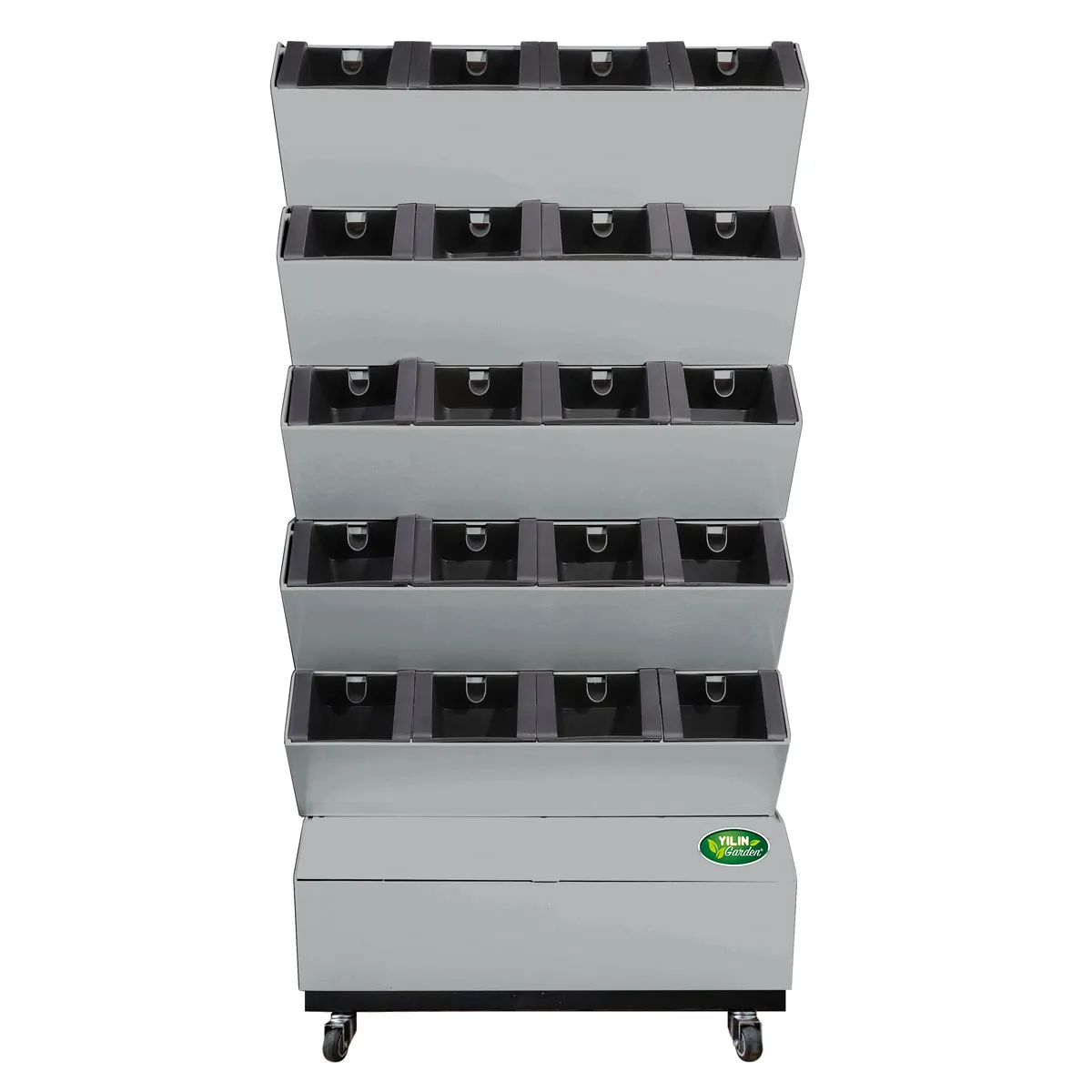
Water conservation has become a critical concern for agriculture, landscaping, and gardening professionals worldwide. Traditional irrigation methods often result in significant water waste through evaporation, runoff, and inefficient distribution patterns. Precision drip irrigation systems offer a revolutionary solution that can reduce water consumption by up to 30% while maintaining optimal plant health and productivity. These advanced systems deliver water directly to plant root zones through a network of tubes, emitters, and controllers, ensuring maximum efficiency and minimal waste.
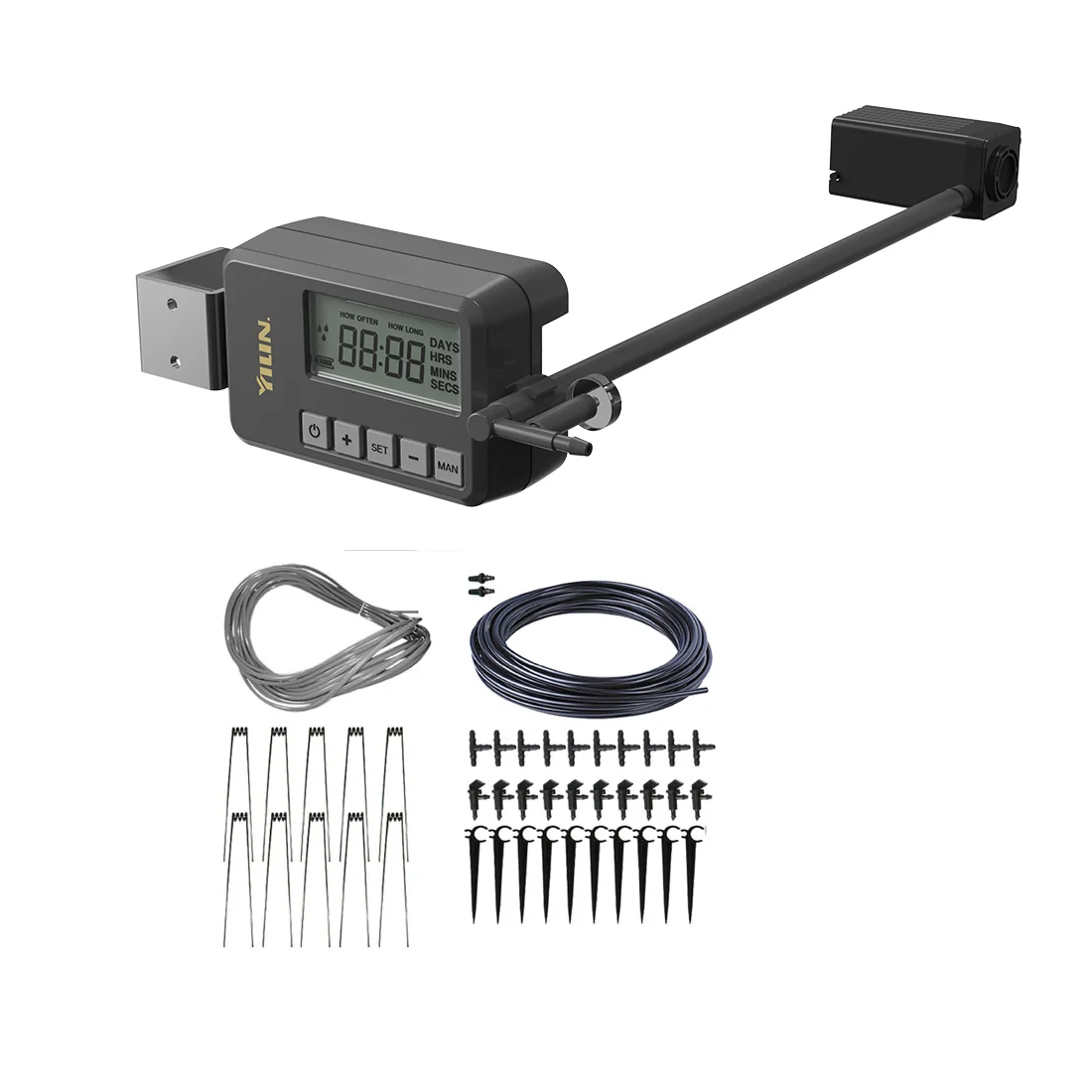
The agricultural sector consumes approximately 70% of global freshwater resources, making efficient irrigation practices essential for sustainable farming. Modern drip irrigation systems represent a significant advancement over conventional sprinkler and flood irrigation methods. By providing precise water delivery at controlled rates, these systems minimize evaporation losses and prevent water from reaching areas where it is not needed. This targeted approach not only conserves water but also reduces energy costs associated with pumping and distribution.
Understanding Precision Drip Irrigation Technology
Core Components and Operation
Precision drip irrigation systems consist of several interconnected components that work together to deliver water efficiently. The main water supply line connects to a filtration system that removes debris and sediments that could clog emitters. A pressure regulator maintains consistent water pressure throughout the system, while a timer or controller manages watering schedules automatically. Distribution tubing carries water from the main line to individual plant locations, where specialized emitters release water at predetermined rates.
The emitters themselves are engineered to provide uniform water distribution regardless of minor pressure variations or elevation changes. These devices can be pressure-compensating, ensuring consistent flow rates across the entire system. Some advanced drip irrigation systems incorporate self-flushing emitters that prevent clogging by periodically clearing debris from internal pathways. The precision of these components allows for water application rates as low as 0.5 gallons per hour per emitter, enabling extremely efficient water usage.
Smart Control Technologies
Modern drip irrigation systems integrate sophisticated control technologies that optimize water delivery based on real-time conditions. Soil moisture sensors monitor moisture levels at various depths and locations, providing data to automated controllers that adjust watering schedules accordingly. Weather stations connected to the system can modify irrigation timing based on rainfall, temperature, humidity, and wind conditions. These smart features ensure that plants receive adequate water without over-irrigation.
Advanced controllers can manage multiple zones simultaneously, allowing different areas to receive customized watering schedules based on plant types, soil conditions, and sun exposure. Some systems incorporate remote monitoring capabilities, enabling operators to adjust settings and monitor performance from mobile devices or computers. This level of automation and control significantly reduces water waste while maintaining optimal growing conditions for various plant species.
Water Conservation Benefits and Efficiency Gains
Quantifiable Water Savings
Research studies consistently demonstrate that drip irrigation systems achieve water savings of 20-50% compared to conventional irrigation methods. The precise delivery mechanism eliminates much of the water loss associated with evaporation and runoff. In agricultural applications, farmers report average water savings of 30-40% when transitioning from flood or sprinkler irrigation to drip systems. These savings translate to reduced water bills, lower pumping costs, and decreased strain on local water resources.
The efficiency gains are particularly pronounced in arid and semi-arid regions where water scarcity is a persistent challenge. Commercial greenhouse operations using drip irrigation systems often achieve water use efficiency rates exceeding 95%, meaning that nearly all applied water reaches plant root zones. This level of efficiency is impossible to achieve with traditional irrigation methods, making drip irrigation systems essential for sustainable agriculture in water-limited environments.
Reduced Environmental Impact
Beyond water conservation, drip irrigation systems provide significant environmental benefits that support sustainable farming practices. Reduced water usage decreases pressure on groundwater aquifers and surface water sources, helping maintain ecological balance in watersheds. The precise application of water also minimizes nutrient runoff, preventing fertilizers and chemicals from contaminating nearby waterways and groundwater supplies.
The targeted watering approach of drip irrigation systems reduces weed growth in areas between plants, decreasing the need for herbicides and manual weeding. This selective watering pattern promotes healthier soil ecosystems by maintaining appropriate moisture levels in root zones while keeping surrounding areas drier. The result is improved soil structure, enhanced beneficial microbial activity, and reduced erosion compared to flood irrigation methods.
Installation and Design Considerations
System Planning and Layout
Successful implementation of drip irrigation systems requires careful planning and design to maximize water efficiency and plant health. Site analysis begins with soil evaluation to determine infiltration rates, water-holding capacity, and drainage characteristics. These factors influence emitter selection, spacing, and flow rates to ensure uniform water distribution throughout the root zone. Topographical surveys identify elevation changes that may affect pressure distribution and require pressure-compensating components.
Plant spacing and mature size considerations determine the optimal layout for distribution tubing and emitter placement. Different plant types may require separate irrigation zones with customized watering schedules and flow rates. The design process also considers future expansion possibilities, maintenance access requirements, and integration with existing infrastructure. Professional design services ensure that drip irrigation systems are properly sized and configured for maximum efficiency and longevity.
Component Selection and Quality
The performance and durability of drip irrigation systems depend heavily on component quality and proper selection. High-quality filtration systems prevent clogging issues that can reduce efficiency and require frequent maintenance. Pressure regulators and flow control devices must be sized appropriately for the system capacity and operating conditions. Emitter selection considers factors such as flow rate requirements, pressure compensation needs, and soil infiltration characteristics.
Tubing materials should be UV-resistant and designed for long-term exposure to outdoor conditions. The internal diameter of distribution tubing affects pressure loss and flow uniformity, particularly in longer runs or systems with multiple emitters. Quality fittings and connectors ensure leak-free operation and ease of maintenance over the system's lifespan. Investing in superior components reduces long-term operating costs and maintains optimal water efficiency throughout the system's operational life.
Maintenance and Optimization Strategies
Preventive Maintenance Protocols
Regular maintenance is essential for maintaining the water-saving performance of drip irrigation systems over time. Filtration systems require periodic cleaning or replacement to prevent debris accumulation that can reduce flow rates and cause emitter clogging. Visual inspections of tubing and fittings help identify potential leaks or damage before they significantly impact system performance. Emitter cleaning protocols remove mineral deposits and organic matter that can restrict water flow.
Seasonal maintenance tasks include system flushing to remove accumulated sediments and verification of pressure settings throughout the distribution network. Timer and controller settings should be reviewed and adjusted based on changing seasonal conditions and plant growth stages. Soil moisture monitoring helps verify that drip irrigation systems are delivering appropriate water quantities to maintain optimal growing conditions while maximizing conservation benefits.
Performance Monitoring and Adjustment
Continuous monitoring of system performance ensures that drip irrigation systems maintain peak efficiency throughout their operational life. Flow meters and pressure gauges provide quantitative data on system performance, helping identify changes that may indicate maintenance needs or component failures. Regular uniformity testing measures water distribution consistency across different zones and emitter locations.
Advanced monitoring systems can track water usage patterns and identify opportunities for further optimization. Data logging capabilities allow operators to analyze historical performance trends and make informed decisions about system adjustments or upgrades. Remote monitoring technologies enable real-time performance assessment and rapid response to system issues, minimizing water waste and maintaining optimal growing conditions.
Economic Benefits and Return on Investment
Cost-Benefit Analysis
The initial investment in drip irrigation systems is typically offset by significant long-term savings in water costs, energy expenses, and labor requirements. Water savings of 30% or more translate directly to reduced utility bills, particularly important in regions with high water costs or water restrictions. Reduced pumping requirements lower energy consumption and extend pump life, providing additional operational savings.
Labor savings result from automated operation and reduced maintenance requirements compared to manual irrigation methods. The precision of drip irrigation systems often improves crop yields and quality, increasing revenue potential for commercial operations. Reduced fertilizer and pesticide usage, enabled by targeted application methods, further contributes to operational cost reductions. Most agricultural operations achieve full return on investment within 2-4 years of installation.
Long-term Value Proposition
Beyond immediate cost savings, drip irrigation systems provide long-term value through improved resource sustainability and operational reliability. Reduced water consumption helps ensure continued access to irrigation water resources, particularly important in regions facing increasing water scarcity. The precision and consistency of automated systems reduce crop stress and improve overall plant health, leading to more predictable yields and quality.
Property values often increase with the installation of efficient irrigation infrastructure, particularly in commercial agricultural operations. The environmental benefits of reduced water usage and chemical runoff support sustainable farming certifications that can command premium prices for agricultural products. These long-term benefits make drip irrigation systems an essential investment for forward-thinking agricultural operations focused on sustainability and profitability.
FAQ
How much water can drip irrigation systems actually save compared to traditional methods
Drip irrigation systems typically save 20-50% of water compared to conventional sprinkler or flood irrigation methods, with average savings of 30-40% being most common. The exact amount depends on factors such as soil type, plant species, climate conditions, and the previous irrigation method used. In controlled agricultural environments, water use efficiency can exceed 95%, meaning nearly all applied water reaches plant root zones rather than being lost to evaporation or runoff.
What is the typical lifespan of drip irrigation system components
High-quality drip irrigation systems can operate effectively for 10-15 years with proper maintenance. Emitters typically last 5-8 years before requiring replacement, while distribution tubing may need replacement every 8-12 years depending on UV exposure and soil conditions. Control systems and filtration components often have longer lifespans of 15-20 years with regular maintenance. The key to maximizing component life is using quality materials, proper installation, and following recommended maintenance schedules.
Can drip irrigation systems work effectively in all soil types
Drip irrigation systems can be adapted to work effectively in most soil types, but the system design must be customized based on soil characteristics. Sandy soils require closer emitter spacing and higher flow rates due to rapid water infiltration, while clay soils need wider spacing and lower flow rates to prevent surface ponding. Proper soil analysis during system design ensures optimal emitter selection and spacing for maximum water efficiency regardless of soil type.
What maintenance is required to keep drip irrigation systems operating at peak efficiency
Regular maintenance includes monthly filter cleaning, seasonal system flushing, and annual inspection of all components for wear or damage. Emitters should be checked quarterly for clogging and cleaned as needed. Timer and controller settings require seasonal adjustment based on weather conditions and plant growth stages. Pressure and flow monitoring helps identify performance issues before they significantly impact water efficiency. Most maintenance tasks can be performed by farm staff with basic training, though annual professional inspections are recommended for complex systems.
Table of Contents
- Understanding Precision Drip Irrigation Technology
- Water Conservation Benefits and Efficiency Gains
- Installation and Design Considerations
- Maintenance and Optimization Strategies
- Economic Benefits and Return on Investment
-
FAQ
- How much water can drip irrigation systems actually save compared to traditional methods
- What is the typical lifespan of drip irrigation system components
- Can drip irrigation systems work effectively in all soil types
- What maintenance is required to keep drip irrigation systems operating at peak efficiency
