
Urban landscapes face unprecedented challenges as cities expand and water resources become increasingly scarce. Traditional irrigation methods are proving inadequate for modern sustainability goals, leading property managers and landscape architects to seek innovative approaches. Smart irrigation solutions represent a revolutionary shift in how we manage water usage for urban greenery, combining advanced technology with environmental responsibility. These sophisticated systems leverage sensors, weather data, and automated controls to optimize water delivery, ensuring plants receive precisely what they need while minimizing waste. As municipalities and businesses prioritize sustainable practices, smart irrigation solutions are emerging as essential tools for creating resilient, water-efficient urban environments.
The Technology Behind Modern Irrigation Systems
Sensor Integration and Data Collection
Modern smart irrigation solutions utilize an extensive network of sensors to gather real-time environmental data. Soil moisture sensors monitor hydration levels at various depths, while weather stations track temperature, humidity, and rainfall patterns. These devices communicate wirelessly with central control units, creating a comprehensive picture of landscape conditions. The integration of multiple data sources enables systems to make informed decisions about watering schedules, adjusting automatically based on actual plant needs rather than predetermined timers.
Advanced smart irrigation solutions also incorporate evapotranspiration calculations, which measure water loss from soil and plant surfaces. This scientific approach ensures that irrigation schedules align with natural water cycles, preventing both under-watering and over-watering scenarios. The continuous monitoring capability allows for immediate adjustments when conditions change, such as unexpected rainfall or temperature fluctuations that affect plant water requirements.
Automated Control and Remote Management
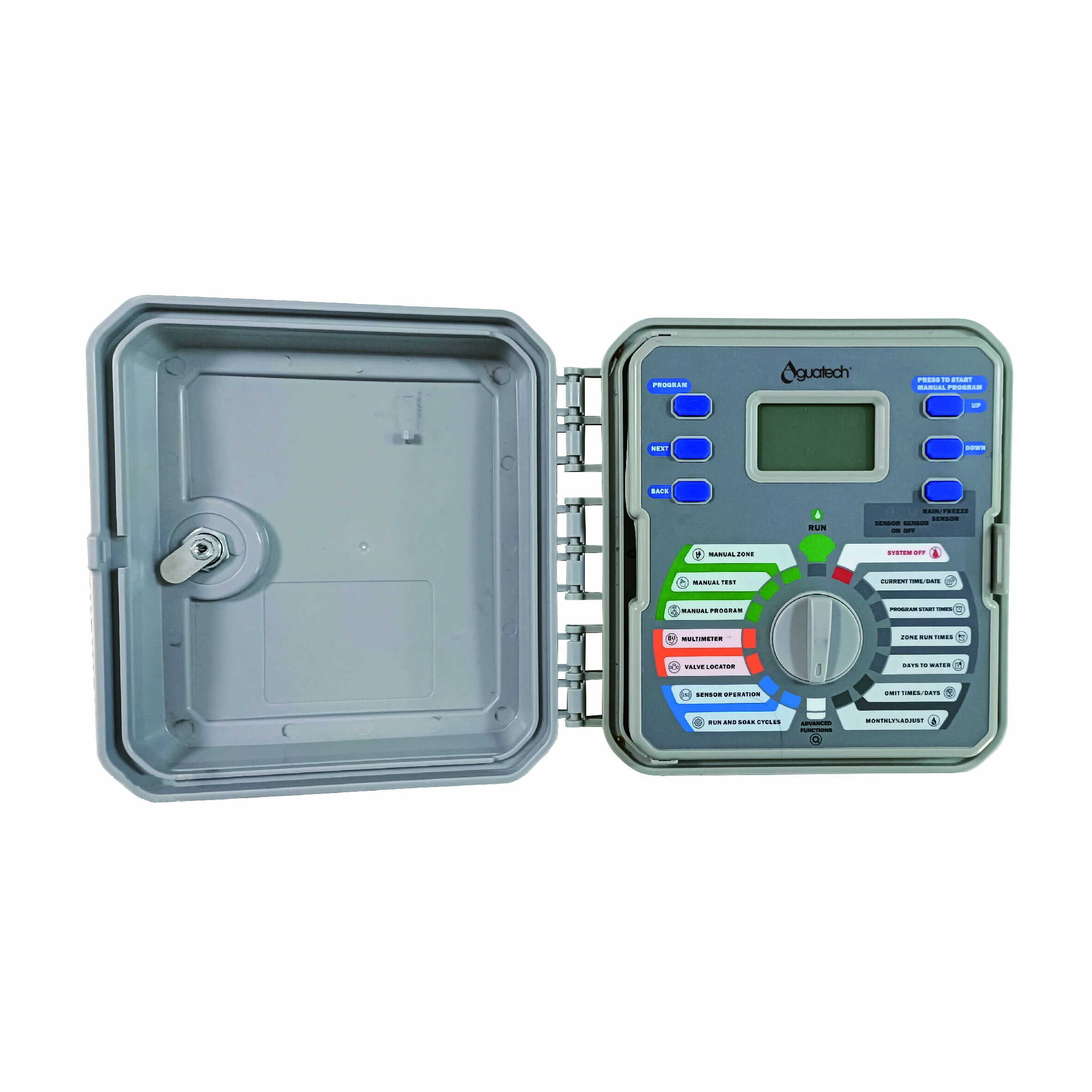
The automation capabilities of smart irrigation solutions extend far beyond simple scheduling. These systems can independently adjust water pressure, flow rates, and application duration based on zone-specific requirements. Different plant species and landscape areas receive customized watering programs that account for their unique characteristics. Property managers can monitor and control entire irrigation networks remotely through smartphone applications or web-based interfaces.
Remote management features enable real-time system diagnostics, allowing maintenance teams to identify and address issues before they become costly problems. Smart irrigation solutions provide detailed reporting on water usage, system performance, and potential inefficiencies. This level of control and visibility empowers landscape professionals to optimize operations continuously while reducing labor costs associated with manual irrigation management.
Environmental Benefits of Smart Irrigation Technology
Water Conservation and Resource Management
Smart irrigation solutions deliver substantial water conservation benefits, typically reducing consumption by 30-50% compared to conventional systems. By eliminating overwatering and ensuring precise application timing, these technologies help preserve valuable water resources while maintaining healthy landscapes. The environmental impact extends beyond immediate water savings, as reduced pumping and treatment requirements decrease energy consumption throughout municipal water systems.
The precision of smart irrigation solutions also minimizes runoff and soil erosion, protecting local waterways from contamination. When water is applied at optimal rates and times, soil absorption improves significantly, reducing the likelihood of nutrients and chemicals being washed into storm drains. This careful resource management contributes to broader watershed protection efforts and supports sustainable urban development initiatives.
Carbon Footprint Reduction
The efficiency gains achieved through smart irrigation solutions translate directly into reduced carbon emissions. Lower water consumption means decreased demand on treatment facilities and distribution systems, both of which require significant energy inputs. Additionally, healthier landscapes maintained through optimal irrigation practices enhance carbon sequestration, as well-maintained vegetation absorbs more atmospheric carbon dioxide than stressed or poorly managed plants.
Smart irrigation solutions support urban heat island mitigation by maintaining robust green spaces that provide natural cooling effects. Properly irrigated vegetation helps regulate local temperatures, reducing the need for energy-intensive cooling systems in nearby buildings. This environmental benefit creates positive feedback loops, where efficient irrigation supports landscape health that, in turn, contributes to broader climate resilience in urban areas.
Economic Advantages for Property Owners
Operational Cost Reduction
Property owners implementing smart irrigation solutions typically experience significant reductions in operational expenses. Water bills decrease substantially due to optimized usage patterns, while automated systems reduce labor costs associated with manual irrigation management. The precision control offered by these technologies also minimizes plant replacement costs by preventing damage from over-watering or drought stress.
Maintenance expenses decline as smart irrigation solutions provide early detection of system malfunctions and inefficiencies. Preventive maintenance scheduling based on actual system performance data helps avoid costly emergency repairs and extends equipment lifespan. The comprehensive monitoring capabilities allow facility managers to address minor issues before they escalate into major problems requiring extensive intervention.
Property Value Enhancement
Well-maintained landscapes supported by smart irrigation solutions significantly enhance property values and marketability. Consistent, healthy vegetation creates attractive outdoor spaces that appeal to tenants, customers, and potential buyers. The sustainability credentials associated with efficient irrigation systems also appeal to environmentally conscious stakeholders and may qualify properties for green building certifications.
Commercial properties benefit from improved curb appeal and professional image when landscapes remain consistently attractive throughout varying weather conditions. The reliability of smart irrigation solutions ensures that landscaping investments maintain their visual impact over time, protecting the return on landscape development expenditures. This consistency in appearance contributes to positive brand perception and customer satisfaction in retail and hospitality environments.
Implementation Strategies for Urban Applications
System Design and Zone Planning
Successful implementation of smart irrigation solutions begins with comprehensive site analysis and zone design. Different areas of urban landscapes have varying water requirements based on plant types, sun exposure, soil conditions, and usage patterns. Professional designers create irrigation zones that group plants with similar needs, enabling more precise water delivery and system efficiency. This strategic approach ensures that smart irrigation solutions can optimize performance across diverse landscape conditions.
The integration of smart irrigation solutions with existing landscape infrastructure requires careful planning to minimize disruption and maximize effectiveness. Retrofit installations can often utilize existing pipe networks while upgrading control systems and adding sensor networks. New installations provide opportunities to implement cutting-edge technologies from the ground up, incorporating the latest advances in sensor technology and communication protocols.
Integration with Building Management Systems
Modern smart irrigation solutions can integrate seamlessly with comprehensive building management systems, creating unified control platforms for all property operations. This integration allows facility managers to monitor irrigation alongside HVAC, lighting, and security systems through single interfaces. The consolidated approach improves operational efficiency and enables coordinated responses to changing conditions that may affect multiple building systems simultaneously.
Data sharing between smart irrigation solutions and other building systems creates opportunities for advanced optimization strategies. Weather data used for irrigation scheduling can also inform HVAC operations, while occupancy sensors might trigger adjusted watering schedules in high-traffic areas. This holistic approach maximizes the value of technology investments and supports comprehensive sustainability initiatives across property portfolios.
Future Developments in Irrigation Technology
Artificial Intelligence and Machine Learning
The next generation of smart irrigation solutions will incorporate artificial intelligence and machine learning algorithms to predict irrigation needs with unprecedented accuracy. These systems will analyze historical data patterns, weather forecasts, and plant growth cycles to optimize watering schedules proactively. Machine learning capabilities will enable systems to improve performance continuously, adapting to local conditions and seasonal variations more effectively than current rule-based approaches.
Predictive analytics integrated into smart irrigation solutions will help property managers anticipate maintenance needs and system upgrades. AI-powered diagnostics will identify potential failures before they occur, enabling preventive interventions that minimize downtime and repair costs. The learning capabilities of these advanced systems will also optimize energy usage, water pressure management, and nutrient delivery timing for maximum plant health and resource efficiency.
IoT Connectivity and Smart City Integration
Internet of Things connectivity will enable smart irrigation solutions to participate in broader smart city initiatives, sharing data with municipal water management systems and environmental monitoring networks. This connectivity will support city-wide water conservation efforts and enable coordinated responses to drought conditions or water supply disruptions. The integration of irrigation data with urban planning systems will inform policy decisions and infrastructure investments.
Future smart irrigation solutions will leverage expanded sensor networks and communication protocols to create more responsive and efficient systems. Edge computing capabilities will enable faster local decision-making while cloud connectivity provides access to advanced analytics and system optimization services. This technological evolution will make sophisticated irrigation management accessible to smaller properties while enhancing capabilities for large-scale commercial and municipal applications.
FAQ
How much water can smart irrigation solutions actually save compared to traditional systems
Smart irrigation solutions typically reduce water consumption by 30-50% compared to traditional timer-based systems. The exact savings depend on factors such as local climate, soil conditions, plant types, and the sophistication of the installed technology. Properties with previously inefficient irrigation often see even greater reductions, sometimes exceeding 60% water savings while maintaining or improving landscape health.
What is the typical payback period for investing in smart irrigation solutions
Most commercial smart irrigation solutions pay for themselves within 2-4 years through reduced water bills, lower maintenance costs, and decreased plant replacement expenses. Properties in areas with high water costs or strict water usage regulations often see faster payback periods. The return on investment improves over time as water rates continue to increase and system efficiency gains compound through continuous optimization.
Do smart irrigation solutions work effectively in all climate zones
Modern smart irrigation solutions adapt effectively to diverse climate conditions, from arid desert environments to humid subtropical regions. The key is proper system configuration and sensor selection appropriate for local conditions. These systems actually perform better in challenging climates where precise water management is most critical, providing greater value in areas with water restrictions or extreme weather variability.
Can existing irrigation systems be upgraded with smart technology
Most existing irrigation systems can be retrofitted with smart irrigation solutions through controller upgrades and sensor additions. The existing pipe network and sprinkler infrastructure typically remain functional, reducing upgrade costs significantly. Professional assessment helps determine the most cost-effective upgrade path, which might involve phased implementation to spread costs while delivering immediate efficiency benefits in priority zones.
Table of Contents
- The Technology Behind Modern Irrigation Systems
- Environmental Benefits of Smart Irrigation Technology
- Economic Advantages for Property Owners
- Implementation Strategies for Urban Applications
- Future Developments in Irrigation Technology
-
FAQ
- How much water can smart irrigation solutions actually save compared to traditional systems
- What is the typical payback period for investing in smart irrigation solutions
- Do smart irrigation solutions work effectively in all climate zones
- Can existing irrigation systems be upgraded with smart technology
