
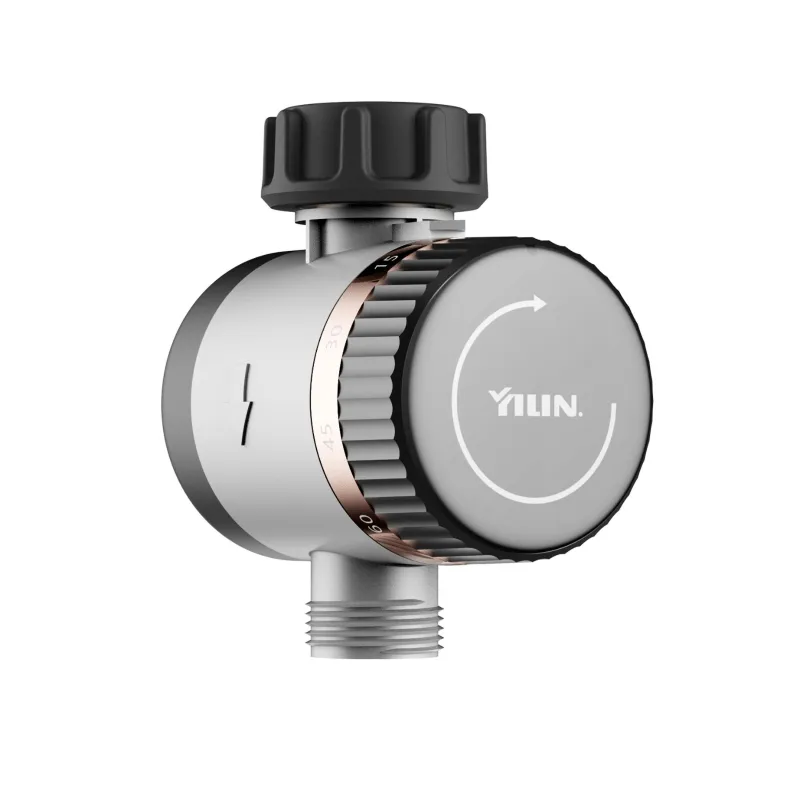
Precision in spray delivery has become a defining competitive advantage for garden sprayer suppliers in today's quality-conscious market. As end users demand more controlled application of fertilizers, pesticides, and water, suppliers must engineer nozzle systems that deliver consistent droplet sizes, uniform coverage patterns, and minimal drift. The optimization of nozzle precision involves sophisticated design choices, material selection, manufacturing tolerances, and quality control protocols that distinguish leading suppliers from generic manufacturers. Understanding how garden sprayer suppliers achieve and maintain nozzle precision reveals the technical depth required to serve both professional landscapers and discerning home gardeners who expect reliable performance across diverse application scenarios.
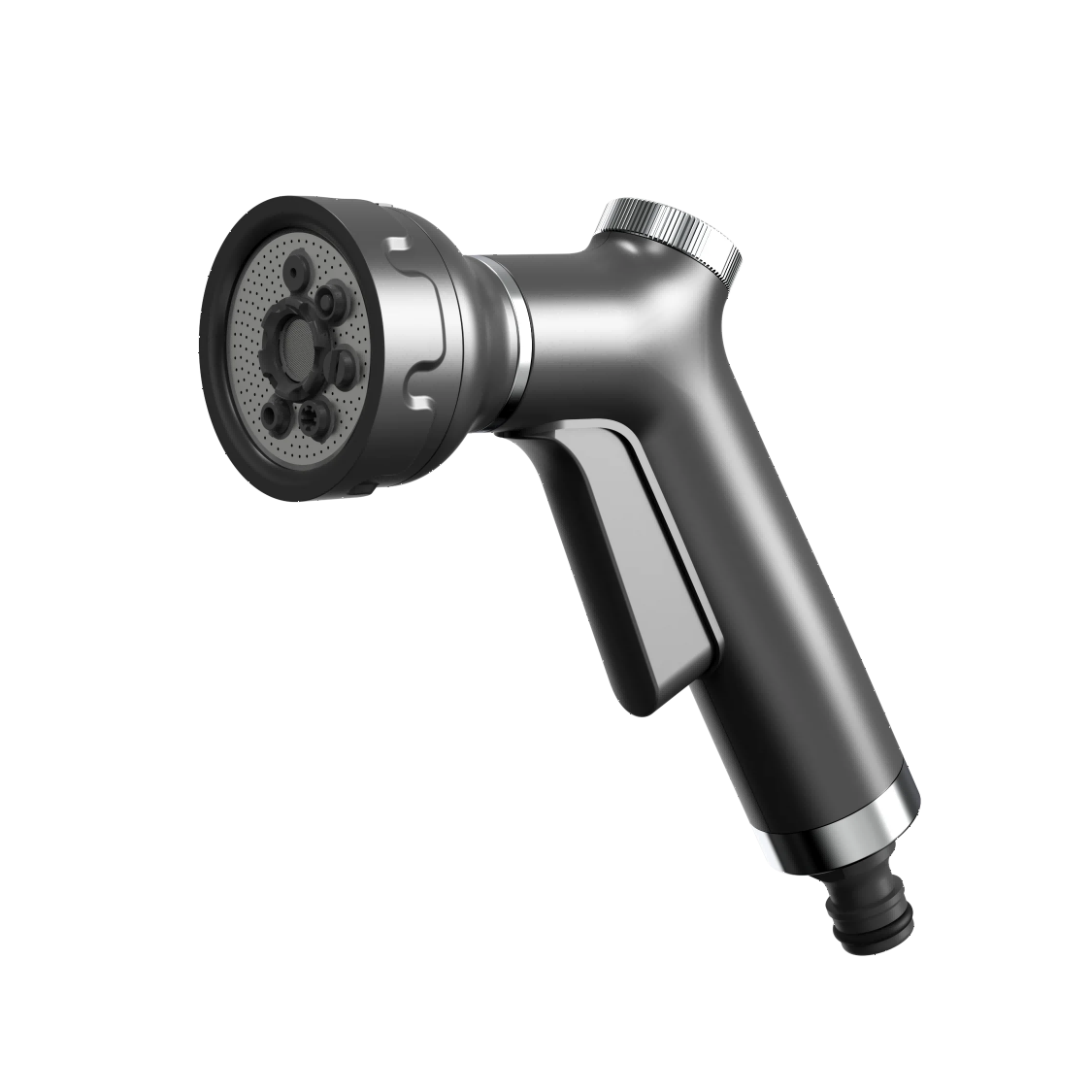
The pathway to superior nozzle precision begins with engineering fundamentals that inform every aspect of sprayer design. Forward-thinking garden sprayer suppliers invest heavily in computational fluid dynamics modeling to predict spray behavior before physical prototypes reach production. This digital-first approach enables iterative refinement of internal nozzle geometries, orifice dimensions, and flow channel configurations that collectively determine droplet formation characteristics. By simulating thousands of design variations, suppliers can identify optimal configurations that balance fine atomization with energy efficiency, ensuring that the final product delivers precise coverage without requiring excessive pump pressure or creating undesirable misting effects that waste product and pose environmental concerns.
Engineering Foundations That Enable Precision Spray Delivery
Advanced Nozzle Geometry Design Principles
Sophisticated garden sprayer suppliers employ multi-stage nozzle geometries that progressively condition fluid flow from turbulent entry conditions to controlled laminar exit streams. The internal architecture typically features expansion chambers that reduce velocity while increasing pressure uniformity, followed by precision-machined orifices where final droplet formation occurs. Leading suppliers utilize computer numerical control machining with tolerances measured in micrometers to ensure that each nozzle produces identical spray characteristics across production batches. This geometric precision directly translates to field performance, enabling users to predict coverage rates, application uniformity, and effective spray distances with confidence regardless of which unit they select from inventory.
The transition zone where pressurized liquid exits the nozzle orifice represents the critical interface where precision either succeeds or fails. Garden sprayer suppliers optimize this boundary layer interaction through careful selection of edge geometries, surface finishes, and exit angle configurations. Sharp-edged orifices produce fine atomization suitable for foliar applications, while rounded exits generate larger droplets that resist wind drift during broadcast spraying. By offering multiple nozzle options within a single sprayer platform, suppliers provide application flexibility while maintaining the precision standards that professional users demand. The ability to swap nozzles without sacrificing spray quality reflects the systematic approach that distinguishes engineered solutions from basic commodity products.
Material Science Contributions to Consistent Performance
Material selection profoundly impacts long-term precision maintenance across operational lifecycles. Premium garden sprayer suppliers specify engineering polymers and corrosion-resistant metals that resist chemical degradation from fertilizers, acidic formulations, and alkaline cleaning agents. Polypropylene and acetyl resins offer excellent dimensional stability across temperature ranges while resisting swelling or warping that would alter spray patterns. Stainless steel inserts at high-wear points prevent erosion that gradually enlarges orifice diameters and degrades precision over time. This materials engineering ensures that spray characteristics measured during initial quality testing remain consistent through hundreds of operating hours, protecting the supplier's reputation and the end user's investment in reliable equipment.
Surface treatments applied to nozzle components further enhance precision longevity. Garden sprayer suppliers increasingly adopt plasma coating technologies that create ultra-smooth internal surfaces with reduced friction coefficients. These treatments minimize turbulence-inducing irregularities while preventing particulate adhesion that can partially obstruct flow paths and create asymmetric spray patterns. Electropolishing processes remove microscopic surface defects that serve as nucleation sites for mineral deposits when hard water is used. By addressing wear and fouling mechanisms at the material science level, suppliers reduce maintenance requirements and extend the operational window during which precision specifications remain valid, delivering superior total cost of ownership for commercial applicators who depend on consistent results.
Precision Manufacturing Processes and Quality Gates
The transformation from engineering design to physical product requires manufacturing processes capable of reproducing micro-scale features with extreme consistency. Leading garden sprayer suppliers implement statistical process control protocols that monitor critical dimensions throughout production runs, automatically flagging deviations before non-conforming units reach assembly stages. Injection molding parameters including melt temperature, cavity pressure, and cooling rates are tightly controlled to prevent dimensional variations that would compromise nozzle precision. Automated optical inspection systems verify that each orifice meets diameter specifications within established tolerance bands, rejecting components that fall outside acceptable ranges regardless of visual appearance or functional adequacy for less demanding applications.
Assembly processes incorporate precision alignment fixtures that ensure nozzle components mate with exact concentricity and perpendicularity. Even minor angular misalignments between internal flow conditioners and exit orifices can introduce asymmetries that distort spray patterns and reduce coverage uniformity. Garden sprayer suppliers who maintain precision standards utilize torque-controlled fastening, adhesive bonding with dimensional stability guarantees, and ultrasonic welding protocols validated for each material combination. Post-assembly testing subjects every unit to functional spray pattern verification under controlled pressure and temperature conditions, creating documentation that traces performance back to specific production batches. This rigorous quality architecture transforms precision from an aspirational goal into a measurable, repeatable manufacturing outcome.
Hydraulic System Integration for Stable Spray Characteristics
Pressure Regulation and Flow Stabilization Technologies
Nozzle precision depends critically on receiving fluid at stable pressure and flow rates regardless of pump cycling, tank level variations, or user triggering dynamics. Sophisticated garden sprayer suppliers integrate pressure regulator assemblies that maintain constant nozzle inlet conditions across the operational pressure range. Diaphragm regulators with spring-loaded bypass circuits automatically adjust flow routing to compensate for pressure fluctuations, ensuring that spray characteristics remain unchanged whether the tank is full or nearly empty. This hydraulic stability eliminates the guesswork and constant adjustment that plague basic sprayers, enabling users to achieve consistent application rates simply by maintaining steady walking speeds or boom travel velocities during broadcast operations.
Flow stabilization extends beyond simple pressure regulation to address pulsation dampening and air elimination. Garden sprayer suppliers incorporate accumulator chambers that absorb pump discharge pulses, transforming discontinuous flow into smooth, continuous delivery at the nozzle. Automatic air release valves prevent vapor lock conditions that create sputtering spray patterns and unpredictable droplet sizes. By engineering complete hydraulic circuits rather than simply mounting nozzles on basic pump outputs, suppliers ensure that precision designed into nozzle geometry translates into precision delivered in field conditions. This systems-level thinking reflects the technical maturity that separates professional-grade equipment from consumer-oriented products where performance variability is tolerated.
Multi-Pattern Nozzle Systems and Adjustment Mechanisms
Versatility in application scenarios requires nozzle systems that offer pattern adjustability without sacrificing precision at any setting. Advanced garden sprayer suppliers develop rotating collar mechanisms that sequentially engage different internal flow paths, each optimized for specific spray geometries including focused streams, flat fans, hollow cones, and wide-angle floods. Precision in multi-pattern systems demands that each position delivers repeatable performance with clearly defined transitions between settings. Detent mechanisms provide tactile feedback confirming pattern selection, while labeling and color coding eliminate ambiguity during operation. The engineering challenge lies in packaging multiple precision flow paths within compact nozzle assemblies that remain easy to clean and service throughout extended operational lifecycles.
Adjustable flow rate controls integrated into nozzle assemblies allow users to fine-tune application intensity without changing spray pattern characteristics. Garden sprayer suppliers achieve this through variable restriction mechanisms that alter effective orifice size while maintaining geometric relationships that preserve spray angle and droplet distribution. Graduated adjustment scales with positive locking positions enable repeatable settings that users can document and reproduce across multiple application sessions. This combination of pattern versatility and flow adjustability, delivered with maintained precision at every configuration point, represents a significant value proposition for professional users who face diverse tasks ranging from targeted weed treatment to broad-area fertilization within single work sessions.
Filter Integration and Contamination Prevention Strategies
Precision nozzle performance degrades rapidly when contaminated fluids introduce particulates that partially obstruct flow paths or erode critical surfaces. Proactive garden sprayer suppliers incorporate multi-stage filtration systems positioned strategically throughout the hydraulic circuit. Coarse intake strainers prevent debris from entering pump chambers, while fine mesh filters immediately upstream of nozzle assemblies capture particles small enough to pass through earlier stages but large enough to disrupt spray patterns. Filter elements specified for garden sprayer applications balance retention efficiency against pressure drop, ensuring adequate protection without requiring excessive pump capacity or creating back pressure that reduces flow rates below optimal nozzle operating ranges.
Maintenance accessibility for filtration components directly impacts long-term precision sustainability. Garden sprayer suppliers design quick-release filter housings with tool-free access, encouraging regular inspection and cleaning that prevents gradual contamination buildup. Transparent or translucent filter bowls provide visual indication of debris accumulation, prompting timely servicing before nozzle performance degrades. Color-coded replacement elements and clearly labeled micron ratings eliminate confusion during maintenance procedures, reducing the risk of installing incorrect filters that either provide inadequate protection or create excessive flow restriction. This attention to filtration system usability reflects an understanding that precision is maintained not just through initial design excellence but through supporting the proper care practices that preserve performance over equipment lifespans measured in years rather than seasons.
Testing Protocols That Validate and Document Precision
Laboratory Spray Pattern Characterization Methods
Rigorous garden sprayer suppliers establish controlled laboratory environments where spray pattern analysis occurs free from environmental variables that complicate field testing. Patternator tables capture spray distribution across collection channels positioned at standardized distances from nozzle exits, quantifying volumetric deposition as a function of lateral position. Digital imaging systems photograph spray plumes against contrasted backgrounds, enabling analysis of spray angle uniformity, edge definition, and central density characteristics. Laser diffraction instruments measure droplet size distributions, generating quantitative metrics including volume median diameter, span values, and percentage of spray volume contained in specific droplet size ranges. These laboratory characterizations create baseline performance signatures against which production units are compared, ensuring that manufacturing processes consistently reproduce designed precision levels.
Environmental chamber testing extends precision validation across temperature and humidity ranges encountered in actual use conditions. Garden sprayer suppliers subject nozzle assemblies to thermal cycling between freezing and elevated temperatures, verifying that material expansion coefficients remain compatible and that spray patterns stabilize quickly after temperature transitions. Humidity exposure testing assesses whether hygroscopic materials absorb moisture that alters dimensional stability or whether condensation promotes internal corrosion that degrades precision over time. By systematically exploring the operational envelope through controlled testing, suppliers identify performance boundaries and establish confident specifications that users can rely upon across diverse climatic zones and seasonal conditions. This testing rigor transforms precision from a nominal claim into a validated, documented product attribute.
Field Performance Validation and Application Testing
Laboratory precision must translate into field effectiveness, prompting professional garden sprayer suppliers to conduct extensive application trials in representative use environments. Water-sensitive papers positioned within canopy structures capture actual deposition patterns, revealing coverage uniformity and penetration depth that correlate with pest control efficacy and fertilizer uptake efficiency. Fluorescent tracer dyes enable visual assessment of spray distribution across complex foliage geometries, identifying gaps or overlaps that affect treatment outcomes. Side-by-side comparisons against established reference sprayers provide objective performance benchmarks, demonstrating whether precision improvements translate into measurable application quality advantages that justify premium positioning in competitive markets.
User feedback integration completes the validation cycle, capturing performance insights from professional applicators operating equipment under real commercial pressures. Garden sprayer suppliers establish structured feedback channels that collect data on spray consistency across tank volumes, pattern stability during extended operation periods, and precision maintenance requirements under varied chemical formulations. Field failure analysis of returned units identifies wear patterns, contamination sources, and use case stresses that laboratory testing may not fully replicate. This continuous improvement loop, feeding field intelligence back into design refinement and manufacturing process adjustment, ensures that precision optimization remains responsive to actual user needs rather than theoretical performance ideals disconnected from practical application realities.
Certification Standards and Performance Documentation
Third-party certification provides independent validation of precision claims, building user confidence in supplier assertions. Leading garden sprayer suppliers pursue testing to recognized standards including ISO specifications for agricultural spraying equipment and regional pesticide application equipment certifications. Documented compliance with spray drift reduction classifications demonstrates that nozzle precision contributes to environmental stewardship goals beyond simple application efficiency. Test reports from accredited laboratories carry credibility that manufacturer self-testing cannot match, particularly when supplying institutional buyers or commercial applicators subject to regulatory oversight requiring certified equipment for certain chemical applications or sensitive area treatments.
Comprehensive documentation packages accompany precision-oriented products, providing users with performance curves, application charts, and maintenance schedules that preserve specified precision throughout equipment lifespans. Garden sprayer suppliers publish spray angle measurements at defined pressures, flow rate tables across adjustment ranges, and droplet size distribution data for each pattern setting. Troubleshooting guides help users diagnose precision degradation symptoms and identify corrective actions ranging from filter cleaning to nozzle component replacement. By equipping users with knowledge resources that support proper operation and maintenance, suppliers extend the effective precision window and reduce premature obsolescence caused by neglect or misuse rather than inherent design limitations. This documentation commitment reflects a partnership approach where supplier expertise continues supporting user success long after initial product purchase.
Market Differentiation Through Precision Innovation
Targeting Professional User Segments With Precision Requirements
Commercial landscapers, greenhouse operators, and agricultural professionals represent user segments where nozzle precision directly impacts economic outcomes. Garden sprayer suppliers who successfully serve these markets develop products with precision specifications that enable predictable chemical usage rates, reducing waste from over-application and improving efficacy through optimal droplet sizes for specific pest or disease pressures. Precision also supports regulatory compliance in applications near sensitive areas where drift control determines whether treatments can proceed. By aligning product development with the operational requirements and economic drivers of professional users, suppliers create defendable market positions less vulnerable to price-based competition from generic alternatives lacking comparable precision capabilities.
Product differentiation extends beyond precision specifications to encompass application versatility that serves diverse professional workflows. Garden sprayer suppliers develop modular systems where precision nozzle assemblies interchange across handheld, backpack, and cart-mounted platforms, allowing users to standardize on precision technology while scaling capacity to task requirements. Quick-connect couplings with positive sealing eliminate the precision degradation that occurs with threaded connections subject to cross-threading or incomplete tightening. Color-coded nozzle identification systems prevent misapplication errors when operators switch between formulations requiring different droplet characteristics. These ecosystem approaches transform precision from an isolated component feature into a comprehensive solution architecture that addresses real operational complexity faced by professional applicators managing multiple sites, diverse plant materials, and varied treatment protocols.
Premium Positioning Strategies Justified by Performance Advantages
Precision excellence enables garden sprayer suppliers to command premium pricing by demonstrating total cost advantages despite higher initial purchase prices. Detailed economic analysis tools provided to potential buyers illustrate how precision reduces chemical costs through improved application efficiency, decreases labor costs by eliminating re-treatment of missed areas, and minimizes regulatory risk through documented drift control. Case studies featuring testimonials from professional users quantify savings realized through precision equipment adoption, transforming abstract technical specifications into concrete financial benefits that resonate with budget-conscious commercial operators. This value-based selling approach positions precision as an investment rather than an expense, appealing to sophisticated buyers who evaluate equipment based on lifecycle economics rather than purchase price alone.
Brand building around precision excellence requires consistent messaging that educates markets about the technical factors differentiating precision-engineered products from commodity alternatives. Garden sprayer suppliers invest in technical content marketing, webinars, and demonstration programs that showcase precision testing methodologies and performance validation protocols. Transparent communication about design choices, material selections, and manufacturing quality control builds credibility with technically informed audiences. Industry partnerships with agronomic advisors, extension services, and professional associations amplify precision messaging through trusted third-party voices. By establishing thought leadership around spray application science, suppliers elevate brand perception beyond transactional product sales into advisory relationships where users seek guidance on optimizing application outcomes through precision equipment deployment.
Continuous Innovation Cycles That Advance Precision Capabilities
Sustained market leadership requires ongoing precision improvements that outpace competitive copying of existing technologies. Forward-thinking garden sprayer suppliers maintain active research relationships with academic institutions studying spray physics, fluid dynamics, and application science. These collaborations identify emerging opportunities including pulsed spray technologies that improve canopy penetration, electrostatic charging systems that enhance droplet deposition on plant surfaces, and sensor-integrated nozzles that provide real-time feedback on spray quality. Early adoption of breakthrough technologies positions suppliers as innovation leaders while creating intellectual property barriers that delay competitive responses. The pipeline of next-generation precision enhancements assures customers that current investments participate in a continuous improvement trajectory rather than representing mature technologies vulnerable to obsolescence.
Customer co-development programs accelerate precision innovation by incorporating user insights directly into product development cycles. Garden sprayer suppliers establish technical advisory boards comprising professional applicators who provide feedback on prototype designs, suggest feature enhancements addressing unmet needs, and validate that precision improvements translate into practical field advantages. Beta testing programs place pre-production units into commercial operations, generating real-world performance data under conditions laboratory testing cannot replicate. This collaborative innovation approach ensures that precision advancements align with actual user priorities rather than reflecting engineering preferences disconnected from market requirements. The resulting products exhibit precision characteristics optimized for genuine application challenges, enhancing market acceptance and reducing the risk of developing technically sophisticated features that users neither value nor utilize effectively.
FAQ
What specific precision measurements define high-quality spray nozzle performance?
High-quality spray nozzle precision is quantified through multiple measurable parameters including spray angle consistency within plus or minus two degrees across pressure ranges, coefficient of variation below fifteen percent for droplet size distribution, and pattern uniformity where no individual collection zone deviates more than ten percent from mean deposition. Flow rate stability across repeated cycles and resistance to pattern distortion under wind conditions also characterize precision performance that professional garden sprayer suppliers document through standardized testing protocols.
How do garden sprayer suppliers prevent precision degradation during extended use?
Precision maintenance strategies employed by quality garden sprayer suppliers include specifying wear-resistant materials for high-friction contact points, designing self-cleaning flow geometries that resist particulate accumulation, incorporating replaceable orifice inserts that restore original precision when wear occurs, and providing clear maintenance schedules with accessible service procedures. Chemical compatibility testing ensures that common formulations do not degrade polymer components, while corrosion-resistant metallurgy prevents oxidation that alters internal surface characteristics affecting spray formation.
Can nozzle precision be verified by users without specialized testing equipment?
Users can conduct practical precision assessments using simple methods including spraying onto level pavement to visually evaluate pattern symmetry and edge definition, comparing coverage on water-sensitive paper positioned at equal distances to assess uniformity, and measuring flow rates by collecting spray volume over timed intervals to verify consistency with published specifications. Garden sprayer suppliers provide performance benchmarks and troubleshooting guides enabling users to identify precision degradation symptoms including pattern distortion, flow rate reduction, or droplet size changes that indicate necessary maintenance or component replacement.
What role does pump technology play in maintaining nozzle precision during operation?
Pump selection profoundly impacts delivered nozzle precision because pressure stability, flow consistency, and pulsation characteristics all originate at the pump. Superior garden sprayer suppliers specify diaphragm or piston pumps with minimal pulsation, adequate flow capacity to prevent pressure drop during continuous operation, and chemical compatibility ensuring long-term reliability. Pressure regulation systems downstream of pumps compensate for inherent output variations, but pump quality establishes the baseline stability upon which regulation systems build to deliver the consistent inlet conditions that precision nozzles require for optimal performance across varied operating scenarios and user demands.
Table of Contents
- Engineering Foundations That Enable Precision Spray Delivery
- Hydraulic System Integration for Stable Spray Characteristics
- Testing Protocols That Validate and Document Precision
- Market Differentiation Through Precision Innovation
-
FAQ
- What specific precision measurements define high-quality spray nozzle performance?
- How do garden sprayer suppliers prevent precision degradation during extended use?
- Can nozzle precision be verified by users without specialized testing equipment?
- What role does pump technology play in maintaining nozzle precision during operation?
