
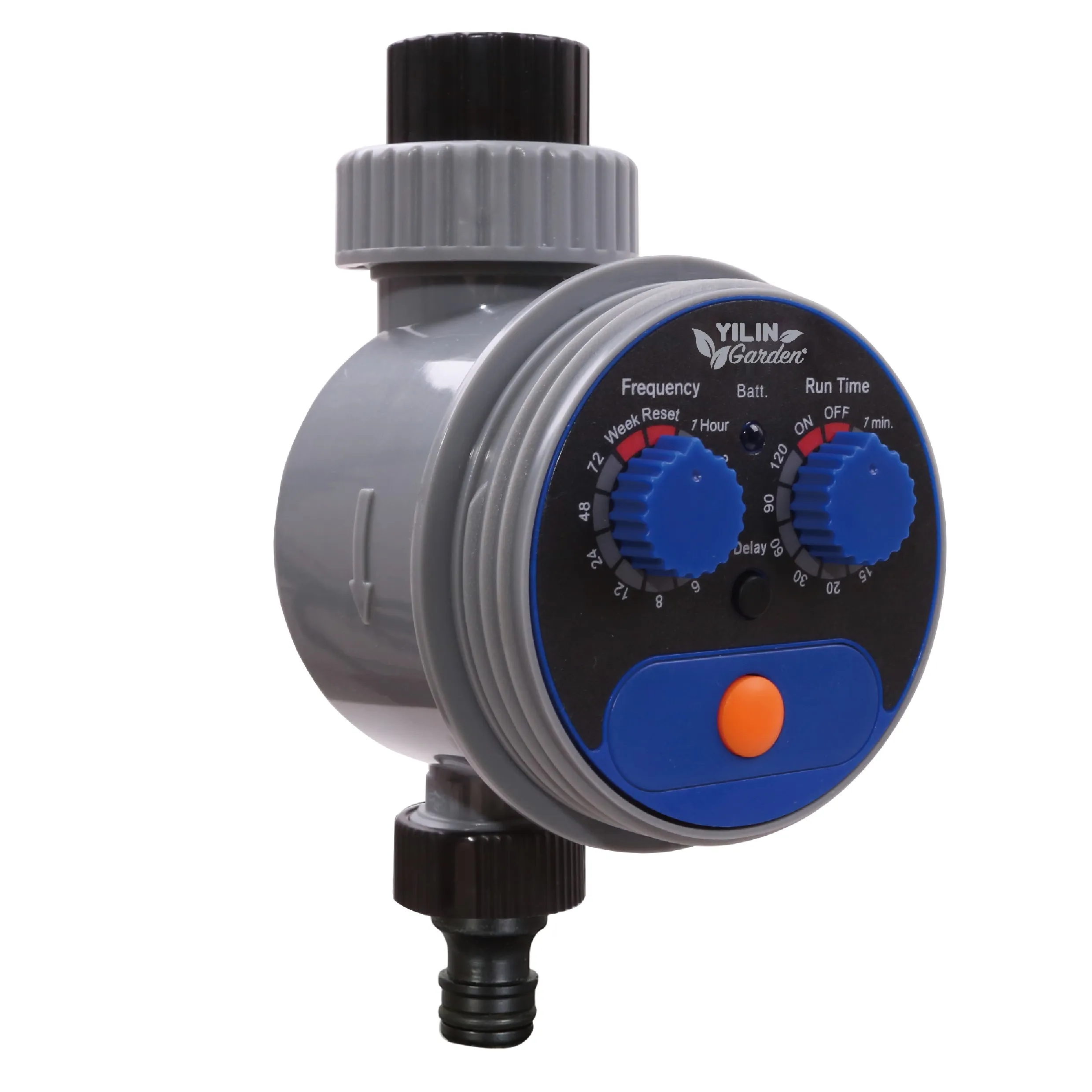
Automated watering systems have transformed agricultural and landscape management by delivering precise irrigation control while reducing labor costs and water waste. At the core of these systems lies a critical component that governs fluid flow with electrical precision: the industrial solenoid valve. As a manufacturer specializing in automated irrigation solutions, understanding the engineering requirements, operational reliability, and application-specific design considerations of industrial solenoid valves becomes essential for system integrators, agricultural engineers, and facility managers seeking dependable performance in demanding environments.
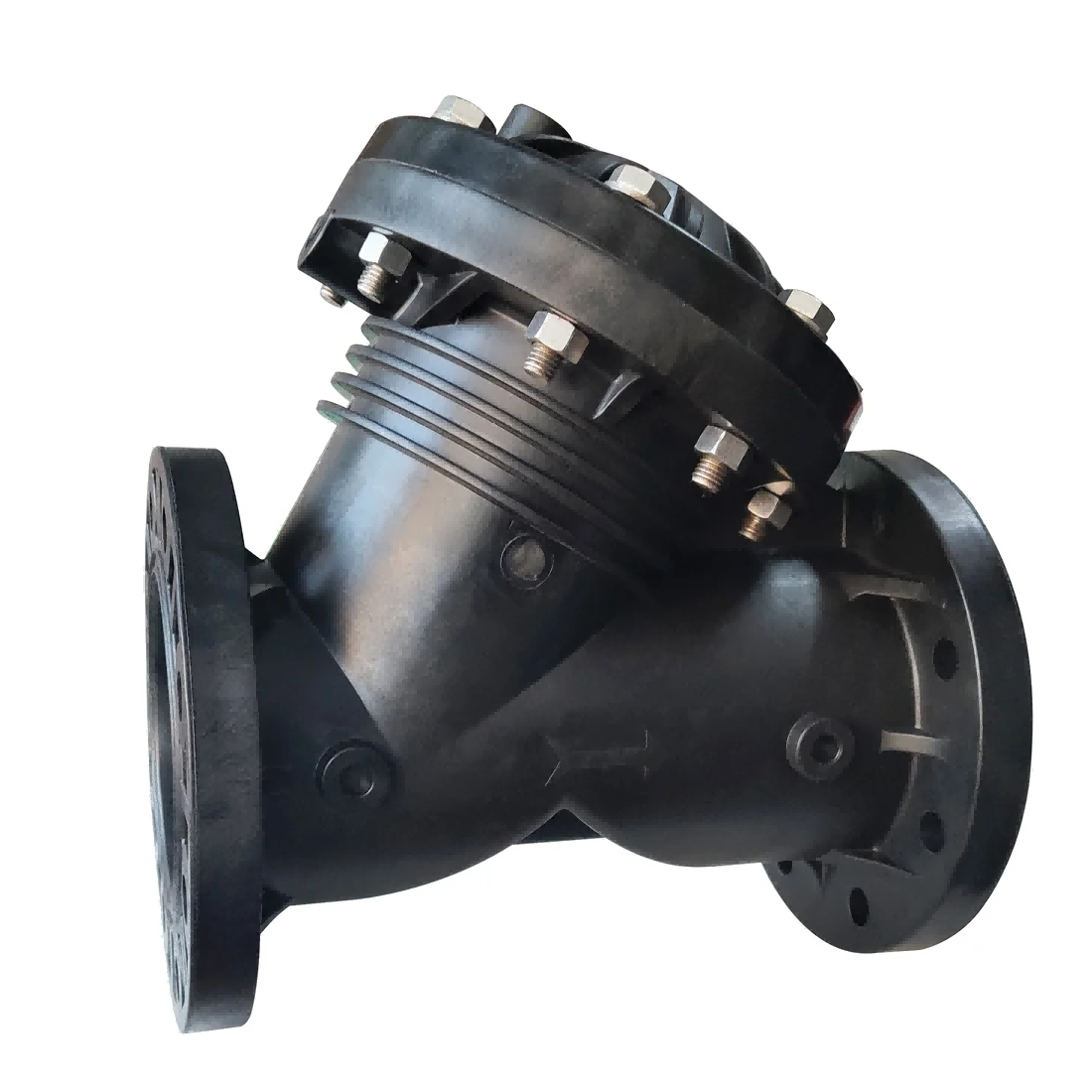
The selection of an industrial solenoid valve manufacturer directly impacts system longevity, maintenance intervals, and operational costs across the lifecycle of automated watering infrastructure. Unlike consumer-grade components, industrial-grade solenoid valves must withstand continuous duty cycles, exposure to fertilizers and minerals in water, temperature fluctuations, and voltage variations while maintaining consistent actuation performance. This article examines the critical manufacturing capabilities, design specifications, quality control processes, and application engineering expertise that distinguish professional industrial solenoid valve manufacturers serving the automated irrigation industry.
Manufacturing Capabilities Required for Industrial Irrigation Solenoid Valves
Material Selection and Corrosion Resistance Engineering
Industrial solenoid valve manufacturers serving automated watering applications must demonstrate advanced material science capabilities to address the corrosive nature of irrigation water. Agricultural water often contains dissolved minerals, fertilizers, pesticides, and organic matter that accelerate component degradation. Professional manufacturers utilize corrosion-resistant materials including marine-grade stainless steel for valve bodies, glass-filled nylon for diaphragms, and EPDM or Viton seals engineered for chemical compatibility. The material selection process must account for regional water chemistry variations, with manufacturers maintaining specification flexibility to accommodate different hardness levels, pH ranges, and chemical additive profiles.
The wetted path components of an industrial solenoid valve require particular attention during material engineering. Manufacturers must ensure that valve seats, diaphragms, springs, and internal flow passages resist scale buildup, biological growth, and chemical attack throughout extended service intervals. Advanced manufacturers employ accelerated corrosion testing protocols that simulate years of exposure to various water conditions, validating material performance before production release. This testing capability distinguishes manufacturers who understand real-world irrigation conditions from those producing generic industrial valves adapted for water service.
Electromagnetic Coil Design and Power Efficiency
The electromagnetic coil assembly represents the actuating heart of every industrial solenoid valve, converting electrical signals from irrigation controllers into mechanical valve movement. Manufacturers specializing in automated watering systems optimize coil designs for low power consumption while maintaining sufficient magnetic force for reliable actuation across voltage variations typical in field installations. Industrial-grade coils feature Class F or Class H insulation systems rated for continuous duty at elevated temperatures, ensuring operational stability in outdoor enclosures and valve boxes subject to solar heating.
Professional industrial solenoid valve manufacturers implement advanced coil winding techniques that maximize magnetic flux density while minimizing electrical resistance and heat generation. The coil housing design must provide environmental protection against moisture ingress, with potted or encapsulated constructions that prevent water penetration through wiring conduits. Voltage tolerance becomes critical in irrigation applications where long wire runs and transformer-based power supplies create voltage drop conditions. Quality manufacturers specify coils with operational ranges spanning plus or minus fifteen percent of nominal voltage, ensuring consistent performance across typical field installation scenarios.
Precision Machining and Assembly Quality Control
The manufacturing precision of valve body components directly influences flow capacity, pressure drop characteristics, and sealing reliability in industrial solenoid valve assemblies. Advanced manufacturers employ CNC machining centers with tight tolerance controls to produce valve seats, orifices, and sealing surfaces that maintain dimensional accuracy within microns. Surface finish quality on sealing interfaces determines leak-tight performance and wear resistance, requiring specialized grinding or lapping operations that consumer-grade manufacturers typically omit.
Assembly processes for industrial solenoid valves demand controlled environments and systematic quality verification at each production stage. Professional manufacturers implement torque-controlled fastening procedures, automated seal installation systems, and 100-percent functional testing protocols that verify actuation performance, pressure ratings, and flow characteristics before shipment. Traceability systems track component lots through assembly, enabling rapid root cause analysis if field issues emerge. This manufacturing discipline ensures consistency across production runs and supports the reliability expectations of automated irrigation system designers.
Application Engineering Expertise for Automated Watering Systems
Flow Capacity Sizing and Hydraulic Performance Optimization
Industrial solenoid valve manufacturers with irrigation expertise provide comprehensive flow capacity data and hydraulic performance curves that enable precise system design. Automated watering systems require valves sized to deliver specific flow rates at available system pressures while maintaining acceptable velocity limits that prevent water hammer and erosion. Professional manufacturers publish detailed flow coefficient (Cv) values, pressure drop curves, and velocity calculations that allow engineers to select valves matching zone requirements without oversizing, which wastes energy and increases installed costs.
The relationship between valve size, flow capacity, and operating pressure becomes particularly critical in large-scale irrigation installations where multiple industrial solenoid valves operate simultaneously. Manufacturers must understand cumulative pressure loss effects and provide engineering support for master valve selection, zone valve coordination, and pump station integration. Advanced manufacturers offer computational tools or selection software that accounts for pipe friction losses, elevation changes, and simultaneous operation patterns, enabling system designers to optimize valve selection across entire irrigation networks.
Environmental Rating and Outdoor Installation Durability
Automated watering systems install industrial solenoid valves in challenging outdoor environments ranging from underground valve boxes subject to flooding to exposed mounting positions experiencing extreme temperature swings and UV radiation. Manufacturers must engineer enclosures and sealing systems rated for IP65 or higher ingress protection, preventing moisture and particulate contamination from degrading electrical connections and internal components. UV-stabilized materials and corrosion-resistant hardware ensure aesthetic and functional durability throughout multi-decade service lives typical of commercial irrigation infrastructure.
Temperature rating specifications distinguish manufacturers who understand irrigation application demands from those serving general industrial markets. Industrial solenoid valves for automated watering must operate reliably across temperature ranges from sub-freezing winterization scenarios to desert summer conditions exceeding fifty degrees Celsius. Manufacturers achieve this performance through material selection, seal compound formulation, and thermal testing protocols that validate operation across specified environmental extremes. Professional manufacturers also provide winterization guidance and drain port configurations that facilitate seasonal shutdown procedures without valve damage.
Electrical Interface Compatibility and Control Integration
The electrical interface design of industrial solenoid valves must accommodate diverse irrigation controller technologies ranging from mechanical timers to sophisticated web-enabled systems with pulse-width modulation output. Manufacturers serving automated watering applications offer multi-voltage coil options including 24VAC, 24VDC, and 120VAC configurations that match common controller outputs without requiring external transformers or adapters. Inrush current specifications and holding power requirements influence controller sizing and battery backup calculations, making transparent electrical performance data essential for system integration.
Advanced manufacturers recognize the growing integration of industrial solenoid valves with smart irrigation controllers featuring flow sensing, leak detection, and weather-based adjustment capabilities. Valve designs incorporating flow sensors, pressure transducers, or position feedback enable closed-loop control strategies that optimize water application while detecting system faults. Manufacturers providing these integrated solutions demonstrate application engineering depth that extends beyond basic valve production into complete irrigation automation system architecture.
Quality Assurance and Certification Standards
International Standards Compliance and Testing Protocols
Professional industrial solenoid valve manufacturers maintain compliance with international quality and safety standards governing fluid control components. Certifications including ISO 9001 quality management systems, NSF/ANSI 61 drinking water system component approval, and UL or CE electrical safety listings provide objective verification of manufacturing discipline and product safety. These certifications require ongoing surveillance audits and testing protocols that ensure consistency across production batches and manufacturing facilities.
Testing protocols for industrial solenoid valves extend beyond basic functional verification to include endurance cycling, burst pressure validation, dielectric strength confirmation, and environmental exposure simulation. Manufacturers dedicated to irrigation applications conduct extended cycle testing that simulates years of daily actuation, identifying wear modes and predicting maintenance intervals. Salt spray exposure, thermal cycling, and vibration testing validate durability under realistic field conditions, providing confidence that published specifications reflect actual service performance rather than initial factory testing results.
Manufacturing Process Documentation and Traceability
Industrial solenoid valve manufacturers serving critical infrastructure applications implement comprehensive documentation systems that track materials, processes, and inspections throughout production. Component traceability enables rapid identification of affected units if material defects or process deviations occur, minimizing field disruption and facilitating targeted remediation. Professional manufacturers maintain detailed assembly procedures, inspection checklists, and test records that support warranty claims analysis and continuous improvement initiatives.
The availability of technical documentation including dimensional drawings, materials certifications, performance test data, and maintenance procedures distinguishes manufacturers committed to long-term customer support from commodity suppliers. Automated watering systems often operate for decades, requiring access to replacement parts, retrofit kits, and technical guidance long after initial installation. Manufacturers maintaining comprehensive product lifecycle support demonstrate the institutional stability and customer commitment essential for infrastructure component suppliers.
Technical Support and Application Engineering Services
Pre-Installation Design Assistance and Product Selection
Industrial solenoid valve manufacturers with irrigation market expertise provide pre-sales engineering support that helps system designers select optimal components for specific applications. This consultation addresses flow requirements, pressure conditions, water quality considerations, electrical interface compatibility, and environmental exposure factors that influence valve selection. Manufacturers offering sizing calculators, hydraulic modeling assistance, and application-specific product recommendations enable efficient system design while reducing the risk of component misapplication.
The complexity of large-scale automated watering systems often requires custom valve configurations combining standard platform designs with application-specific modifications. Professional manufacturers maintain engineering teams capable of evaluating special requirements including non-standard port configurations, integrated sensors, specialized materials, or unique voltage specifications. This customization capability allows irrigation system integrators to optimize designs without compromising reliability or supportability, leveraging manufacturer expertise to address challenging application demands.
Installation Guidance and Commissioning Support
Proper installation of industrial solenoid valves significantly influences operational reliability and service life in automated watering systems. Manufacturers providing detailed installation instructions address orientation requirements, pipe support recommendations, strainer placement, electrical connection procedures, and commissioning verification steps. Clear documentation reduces installation errors that cause premature failures or performance degradation, protecting both manufacturer reputation and system owner investments.
Field commissioning support from manufacturers helps irrigation contractors verify system performance during startup and troubleshoot unexpected operational issues. This assistance may include remote technical support, on-site field service, or training programs that educate installers about proper techniques and common pitfalls. Manufacturers investing in customer education demonstrate commitment to successful installations rather than simply fulfilling product orders, building long-term relationships that generate repeat business and positive market reputation.
Maintenance Resources and Troubleshooting Assistance
Industrial solenoid valves in automated watering systems require periodic maintenance including cleaning, seal replacement, and performance verification to ensure continued reliability. Manufacturers supporting these maintenance needs provide detailed service procedures, spare parts availability, and troubleshooting guides that enable cost-effective component servicing without complete valve replacement. Exploded assembly diagrams, parts lists with ordering information, and recommended maintenance intervals help facility managers plan preventive maintenance programs that maximize component utilization.
Technical troubleshooting support from manufacturers assists maintenance personnel in diagnosing operational problems ranging from electrical actuation failures to hydraulic performance degradation. Manufacturers maintaining responsive technical support channels including phone assistance, email consultation, and online knowledge bases reduce system downtime and minimize diagnostic costs. This ongoing support relationship extends beyond the initial sale into a partnership supporting successful long-term system operation.
Supply Chain Considerations and Manufacturer Selection Criteria
Production Capacity and Delivery Reliability
Large automated watering installations require substantial quantities of industrial solenoid valves delivered according to project schedules that coordinate with construction timelines and seasonal installation windows. Manufacturers must demonstrate production capacity adequate to fulfill project requirements without extended lead times that delay installations. Professional manufacturers maintain inventory levels of standard configurations while offering expedited production for urgent requirements, balancing cost efficiency with responsiveness to customer needs.
Supply chain resilience has gained importance as global disruptions affect component availability and shipping reliability. Industrial solenoid valve manufacturers with diversified supplier networks, strategic inventory positioning, and flexible logistics capabilities provide greater delivery certainty than those dependent on single-source components or constrained production facilities. System designers increasingly evaluate manufacturer supply chain strength alongside product specifications when selecting components for critical infrastructure projects.
Warranty Coverage and Product Liability Protection
Warranty terms offered by industrial solenoid valve manufacturers reflect confidence in product reliability and willingness to stand behind performance claims. Professional manufacturers provide comprehensive warranties covering material defects and workmanship failures for periods ranging from one to five years, with clear documentation of coverage terms and claim procedures. Warranty provisions addressing installation errors, water quality impacts, and environmental exposure limitations help system owners understand coverage boundaries and maintenance responsibilities.
Product liability insurance and quality control discipline protect both manufacturers and customers from risks associated with component failures in critical irrigation systems. Manufacturers maintaining substantial liability coverage and implementing rigorous testing protocols demonstrate financial stability and quality commitment that reduce risk exposure for system designers and owners. These protections become particularly important in agricultural applications where irrigation system failures can damage crops or in municipal installations where service interruptions affect public spaces.
Total Cost of Ownership Analysis Beyond Initial Price
Industrial solenoid valve selection based solely on initial purchase price often leads to higher total cost of ownership when factoring maintenance requirements, service life, energy consumption, and replacement frequency. Professional manufacturers provide lifecycle cost analysis tools that account for operational expenses including power consumption, maintenance labor, spare parts costs, and expected replacement intervals. These analyses reveal that premium industrial solenoid valves with superior reliability and efficiency often deliver lower total costs despite higher initial investment.
Energy efficiency differences between industrial solenoid valve designs impact operational costs significantly in large automated watering systems operating thousands of valve-hours annually. Low-power coil designs reduce electrical consumption while decreasing heat generation that can shorten component life. Manufacturers publishing detailed power consumption specifications enable accurate operating cost projections that inform value-based purchasing decisions rather than price-focused commodity procurement.
FAQ
What distinguishes industrial-grade solenoid valves from residential irrigation valves?
Industrial solenoid valves feature heavier construction materials, higher-rated electrical components, and enhanced corrosion resistance compared to residential models. They undergo more rigorous testing protocols including extended cycle validation and environmental exposure simulation. Industrial designs typically offer broader voltage tolerance, higher pressure ratings, and larger flow capacities required for commercial and agricultural applications. Manufacturing quality control processes for industrial solenoid valves include complete functional testing and documented traceability, whereas residential valves may receive only sample-based inspection. These differences result in significantly longer service life and greater reliability under continuous duty cycles typical of automated watering systems serving commercial properties, athletic fields, golf courses, and agricultural operations.
How do I determine the correct size industrial solenoid valve for my automated watering zone?
Proper sizing requires calculating the total flow demand of all emitters or sprinklers in the zone, then selecting a valve with flow capacity exceeding this requirement at available system pressure. Manufacturers provide flow coefficient data and pressure drop curves enabling precise calculations. Consider that velocity through the valve should remain below seven feet per second to prevent water hammer and erosion. Account for pressure loss through the valve itself when calculating available pressure at emitters. For zones with varying elevation, ensure the valve can deliver adequate flow at the highest pressure point while not exceeding velocity limits. Professional manufacturers offer sizing calculators or engineering support to assist with complex calculations involving multiple zones, master valves, and pump coordination.
What maintenance intervals should I expect for industrial solenoid valves in irrigation applications?
Maintenance requirements depend on water quality, operating frequency, and environmental conditions, but industrial solenoid valves typically require inspection and cleaning annually in agricultural applications with moderate water quality. Systems using untreated surface water or highly mineralized well water may require more frequent service intervals. Routine maintenance includes removing debris from strainers, cleaning valve seats and diaphragms, inspecting seals for wear, and verifying electrical connections. Professional manufacturers provide maintenance procedures and spare parts kits facilitating cost-effective servicing. Well-designed industrial solenoid valves can operate for five to ten years between major component replacements when properly maintained, with coil assemblies and valve bodies often lasting the entire system lifecycle while seals and diaphragms require periodic replacement based on water chemistry and operating hours.
Can industrial solenoid valves operate reliably with variable voltage from solar-powered irrigation controllers?
Quality industrial solenoid valves designed for irrigation applications feature coils rated for voltage variations typically ranging from plus or minus fifteen percent of nominal voltage, accommodating the fluctuations common in solar-powered systems as battery charge levels vary. Some manufacturers offer specialized low-power coil designs optimized for battery-operated controllers, reducing current draw to extend operating time between charges. When specifying valves for solar installations, verify that inrush current and holding power requirements remain within controller output capacity across the battery voltage range. Latching solenoid valve designs requiring only pulse power for actuation offer particular advantages in solar applications by eliminating continuous power draw. Consult manufacturer specifications and consider controller compatibility when selecting industrial solenoid valves for off-grid automated watering systems to ensure reliable operation throughout daily and seasonal solar availability cycles.
Table of Contents
- Manufacturing Capabilities Required for Industrial Irrigation Solenoid Valves
- Application Engineering Expertise for Automated Watering Systems
- Quality Assurance and Certification Standards
- Technical Support and Application Engineering Services
- Supply Chain Considerations and Manufacturer Selection Criteria
-
FAQ
- What distinguishes industrial-grade solenoid valves from residential irrigation valves?
- How do I determine the correct size industrial solenoid valve for my automated watering zone?
- What maintenance intervals should I expect for industrial solenoid valves in irrigation applications?
- Can industrial solenoid valves operate reliably with variable voltage from solar-powered irrigation controllers?
