
Modern gardening faces an ongoing challenge with unwanted animal visitors that can devastate carefully cultivated plants and landscapes. Traditional chemical deterrents pose environmental risks and health concerns, while physical barriers often prove inadequate against determined wildlife. A solar-powered pest repeller offers an innovative solution that combines advanced technology with eco-friendly operation, providing continuous protection without harmful chemicals or expensive maintenance requirements. This revolutionary approach to garden protection harnesses renewable solar energy to create an effective deterrent system that operates around the clock, safeguarding your outdoor spaces while maintaining environmental responsibility.
Understanding Solar-Powered Pest Control Technology
Advanced Ultrasonic Detection Systems
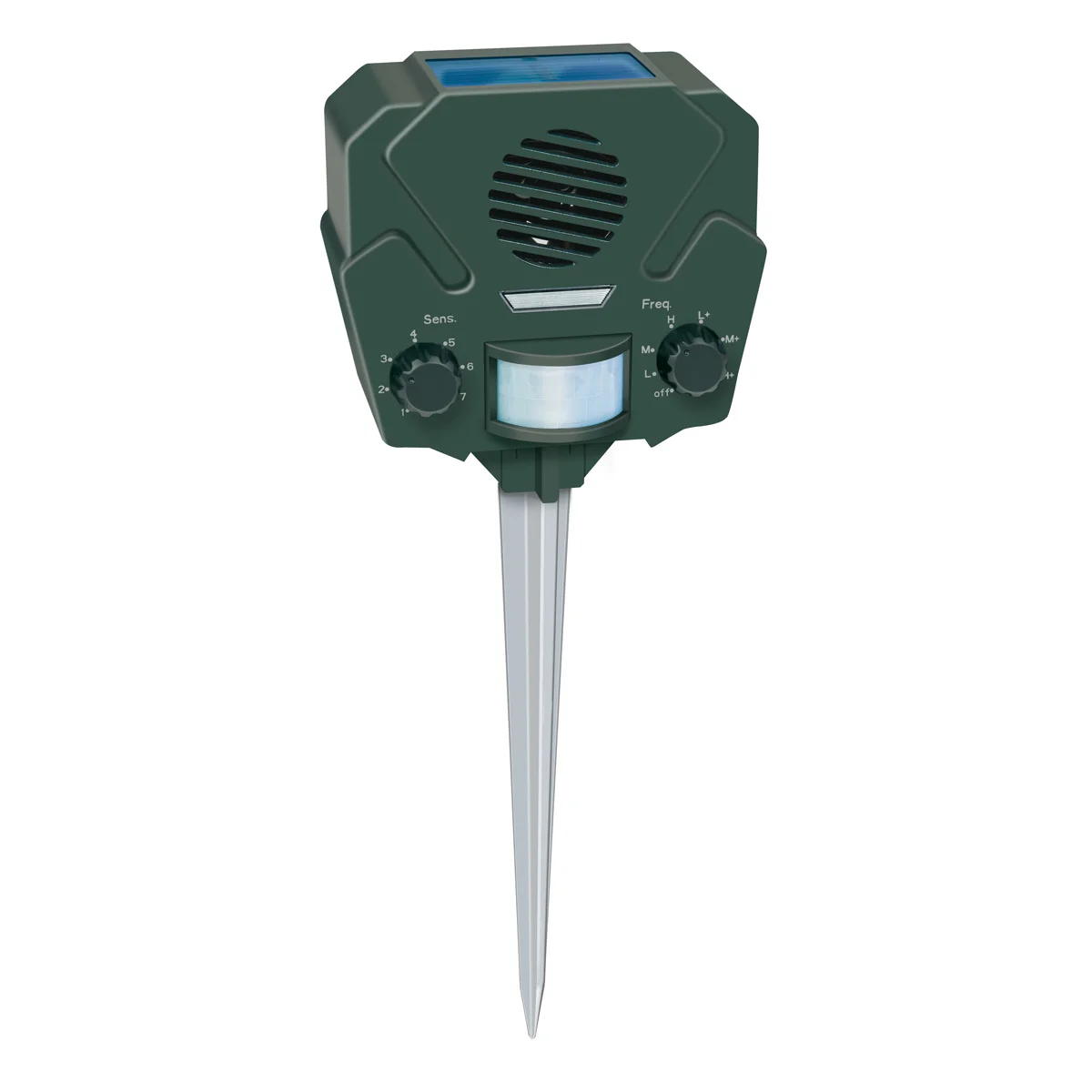
The core technology behind a solar-powered pest repeller relies on sophisticated ultrasonic frequency generation that creates sound waves inaudible to humans but highly effective against various garden pests. These devices utilize passive infrared motion sensors to detect animal movement within a predetermined range, typically extending up to 30 feet in optimal conditions. When triggered, the system emits targeted ultrasonic pulses at frequencies specifically calibrated to deter common garden intruders including rabbits, squirrels, raccoons, and cats. The intelligent sensor technology ensures energy conservation by activating only when necessary, maximizing battery life and operational efficiency.
Modern solar-powered pest repeller units incorporate multiple frequency settings that can be adjusted based on the specific types of animals causing problems in your garden. Different animal species respond to varying ultrasonic ranges, with smaller mammals typically affected by higher frequencies while larger animals require lower-pitched deterrent signals. This versatility allows gardeners to customize their pest control approach based on observed wildlife activity patterns and seasonal variations in animal behavior.
Sustainable Solar Energy Integration
The solar charging component represents a significant advancement in pest control sustainability, eliminating the need for electrical connections or frequent battery replacements. High-efficiency photovoltaic panels convert sunlight into stored electrical energy throughout daylight hours, ensuring continuous operation during nighttime periods when many garden pests are most active. Advanced battery management systems prevent overcharging while maintaining optimal power levels for consistent performance regardless of weather conditions.
Weather-resistant solar panels are designed to withstand various environmental challenges including rain, snow, and temperature fluctuations, ensuring reliable energy collection throughout different seasons. The integrated charging system typically provides several days of operation even during periods of limited sunlight, making the solar-powered pest repeller particularly suitable for regions with variable weather patterns. This energy independence reduces operational costs while supporting environmental sustainability goals.
Comprehensive Garden Protection Benefits
Chemical-Free Environmental Safety
One of the most significant advantages of implementing a solar-powered pest repeller system is the complete elimination of toxic chemicals from your garden protection strategy. Traditional pest control methods often rely on harmful substances that can contaminate soil, groundwater, and food crops, creating long-term environmental damage and potential health risks for families and pets. Ultrasonic deterrent technology provides effective animal control without introducing any chemical residues into the ecosystem.
The absence of chemical pesticides or repellents means that beneficial insects, pollinators, and soil microorganisms remain unaffected by the deterrent system. This selective approach preserves the natural balance necessary for healthy plant growth while specifically targeting problematic animal species. Organic gardeners particularly benefit from this chemical-free solution that aligns with sustainable cultivation practices and environmental stewardship principles.
Cost-Effective Long-Term Operation
Installing a solar-powered pest repeller represents a one-time investment that provides years of reliable garden protection without ongoing operational expenses. Unlike chemical repellents that require regular reapplication or mechanical traps that need constant maintenance, solar-powered systems operate independently with minimal user intervention. The absence of electrical consumption costs and replacement chemical purchases results in significant long-term savings.
Durability engineering ensures that quality solar-powered pest repeller units withstand multiple seasons of outdoor exposure without performance degradation. Weather-resistant construction materials and corrosion-proof components contribute to extended operational lifespans that justify the initial investment through years of effective pest deterrence. The low-maintenance design requires only occasional cleaning of solar panels and periodic battery checks to maintain optimal performance levels.
Installation and Placement Strategies
Optimal Positioning for Maximum Coverage
Strategic placement of your solar-powered pest repeller determines the effectiveness of the entire protection system, requiring careful consideration of animal movement patterns and garden layout characteristics. The device should be positioned to cover primary access routes that animals typically use when entering garden areas, including fence lines, pathway borders, and natural corridors between landscaping features. Elevation placement at approximately three to four feet above ground level provides optimal sensor range while ensuring adequate solar panel exposure.
Understanding the detection range and coverage area helps determine how many units are necessary for complete garden protection. Most solar-powered pest repeller systems provide effective coverage for areas up to 5000 square feet, though actual range may vary based on terrain features, vegetation density, and environmental conditions. Multiple unit installations should overlap coverage zones slightly to eliminate gaps where determined animals might find entry opportunities.
Environmental Considerations for Solar Efficiency
Solar panel orientation significantly impacts charging efficiency and overall system performance, making location selection crucial for reliable operation. The device should receive direct sunlight for at least six hours daily to maintain adequate battery charge levels, avoiding placement in heavily shaded areas or under overhanging structures. South-facing positions in northern hemispheres typically provide optimal solar exposure throughout most of the year.
Seasonal sun angle changes may require periodic repositioning of the solar-powered pest repeller to maintain optimal charging performance. Winter months often necessitate clearing nearby vegetation that might cast shadows on solar panels, while summer positioning should account for dense foliage that could obstruct both solar collection and sensor detection capabilities. Regular monitoring ensures consistent system performance regardless of seasonal variations.
Targeted Animal Species and Effectiveness
Common Garden Pest Deterrence
A properly configured solar-powered pest repeller effectively deters a wide range of common garden invaders through species-specific ultrasonic frequencies and motion-activated responses. Rabbits, which can cause extensive damage to vegetable gardens and flower beds, typically respond well to higher-frequency ultrasonic emissions combined with LED flash deterrents. The sudden activation of both sound and light creates an unpleasant experience that encourages these animals to seek alternative feeding locations.
Larger mammals including deer, raccoons, and stray cats require different frequency settings and may benefit from additional deterrent features such as water spray attachments or alarm sounds. The versatility of modern solar-powered pest repeller systems allows users to experiment with various settings to determine the most effective combination for their specific pest problems. Documentation of animal behavior changes helps optimize system configuration for maximum deterrent effect.
Seasonal Behavior Adaptation
Animal activity patterns change significantly throughout different seasons, requiring adaptive approaches to pest deterrence strategies. Spring months often bring increased animal activity as wildlife seeks food sources and nesting materials, making this period particularly important for solar-powered pest repeller activation. The device should be fully operational before growing season begins to establish territorial boundaries that discourage animal habituation to garden areas.
Fall seasons present unique challenges as animals prepare for winter by seeking high-calorie food sources, potentially making them more persistent in overcoming deterrent systems. During these periods, the solar-powered pest repeller may need supplementation with physical barriers or alternative deterrent methods to maintain effective garden protection. Understanding these behavioral patterns helps gardeners anticipate and prepare for seasonal pest pressure variations.
Maintenance and Performance Optimization
Routine System Care Requirements
Maintaining optimal performance from your solar-powered pest repeller requires minimal but consistent attention to key system components. Monthly cleaning of the solar panel surface removes dust, debris, and weather residue that can reduce charging efficiency by up to 25 percent. A soft cloth and mild soap solution effectively removes accumulated grime without damaging the photovoltaic surface or protective coatings.
Battery performance monitoring helps identify potential issues before complete system failure occurs, allowing proactive replacement of power storage components when necessary. Most solar-powered pest repeller units provide battery level indicators or performance alerts that signal when maintenance attention is required. Annual battery replacement typically ensures consistent operation, though high-quality rechargeable batteries may provide extended service life under optimal conditions.
Weather Protection and Durability
Extreme weather conditions can impact both immediate performance and long-term durability of solar-powered pest repeller systems, requiring appropriate protective measures during severe storms or extended harsh weather periods. While these devices are designed for all-weather operation, temporary relocation during hurricanes, severe hailstorms, or extreme winter conditions helps preserve system integrity and extends operational lifespan.
Waterproof ratings and construction materials determine the device's ability to withstand various weather conditions without performance degradation. Quality solar-powered pest repeller units feature IP65 or higher waterproof ratings, ensuring protection against rain, snow, and humidity exposure. Regular inspection of sealing gaskets and mounting hardware helps maintain weather resistance and prevents moisture infiltration that could damage internal electronics.
Integration with Sustainable Gardening Practices
Complementing Organic Growing Methods
The chemical-free operation of a solar-powered pest repeller aligns perfectly with organic gardening principles and sustainable cultivation practices. This technology supports integrated pest management approaches that prioritize environmental health while maintaining effective pest control capabilities. Organic gardeners can confidently protect their crops without compromising certification requirements or introducing synthetic chemicals into their growing systems.
Companion planting strategies work synergistically with ultrasonic pest deterrence to create multiple layers of natural protection. Certain plant varieties naturally repel specific animal species through scent or taste characteristics, while the solar-powered pest repeller provides backup protection against persistent intruders. This combined approach maximizes pest control effectiveness while maintaining ecosystem balance and biodiversity.
Supporting Wildlife Conservation Goals
Unlike lethal pest control methods that eliminate wildlife populations, the humane approach of solar-powered pest repeller systems encourages animal relocation rather than harm. This preservation-minded strategy supports local ecosystem health by maintaining wildlife populations while redirecting their activity away from cultivated garden areas. The non-lethal deterrence method respects animal welfare while protecting property investments.
Educational opportunities arise from observing animal behavior changes in response to ultrasonic deterrence, helping gardeners better understand local wildlife patterns and needs. This knowledge can inform habitat modification strategies that provide alternative food sources and shelter options away from garden areas, creating long-term coexistence solutions. The solar-powered pest repeller becomes part of a broader environmental stewardship approach that benefits both gardeners and wildlife communities.
FAQ
How effective is a solar-powered pest repeller against different types of garden pests
Solar-powered pest repeller effectiveness varies depending on the target animal species and environmental conditions, with success rates typically ranging from 70 to 90 percent for common garden pests. Smaller mammals such as rabbits, squirrels, and cats generally respond well to ultrasonic frequencies, while larger animals like deer may require additional deterrent features or higher power settings. The device works best when combined with proper placement strategies and regular maintenance to ensure optimal sensor function and battery performance.
What happens during extended periods of cloudy weather or winter months
Modern solar-powered pest repeller systems include backup battery storage that provides several days of continuous operation even without direct sunlight exposure. High-capacity rechargeable batteries typically store enough energy for 3 to 7 days of normal operation during cloudy periods, while energy-efficient components minimize power consumption. During winter months with reduced daylight hours, the system automatically adjusts operational patterns to conserve battery life while maintaining essential protection functions.
Can the ultrasonic frequencies harm pets or beneficial wildlife
Quality solar-powered pest repeller devices are designed with frequency ranges that target specific pest species while minimizing impact on domestic pets and beneficial wildlife. Dogs and cats may initially notice the ultrasonic emissions but typically adapt quickly without long-term behavioral effects. Birds, beneficial insects, and pollinators generally remain unaffected by the ultrasonic frequencies, making this technology safe for use in gardens that support diverse wildlife populations and ecosystem health.
How long does a typical solar-powered pest repeller system last before requiring replacement
A well-maintained solar-powered pest repeller system typically provides 5 to 8 years of reliable service before requiring major component replacement or system upgrade. The solar panels generally have the longest lifespan at 15 to 20 years, while rechargeable batteries may need replacement every 2 to 4 years depending on usage patterns and environmental conditions. Weather-resistant construction and quality components contribute to extended operational life, making the initial investment cost-effective over many growing seasons of garden protection.
Table of Contents
- Understanding Solar-Powered Pest Control Technology
- Comprehensive Garden Protection Benefits
- Installation and Placement Strategies
- Targeted Animal Species and Effectiveness
- Maintenance and Performance Optimization
- Integration with Sustainable Gardening Practices
-
FAQ
- How effective is a solar-powered pest repeller against different types of garden pests
- What happens during extended periods of cloudy weather or winter months
- Can the ultrasonic frequencies harm pets or beneficial wildlife
- How long does a typical solar-powered pest repeller system last before requiring replacement
