
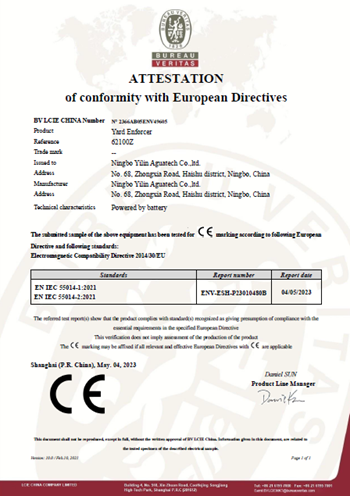
Finding a certificated factory is a process of verifying evidence, not simply accepting a certificate image or sales assurance. To meet your compliance needs, first define the requirements that apply to your product, market, and business relationship. Then check that the factory’s documented approvals, operating controls, and production scope align with those requirements.
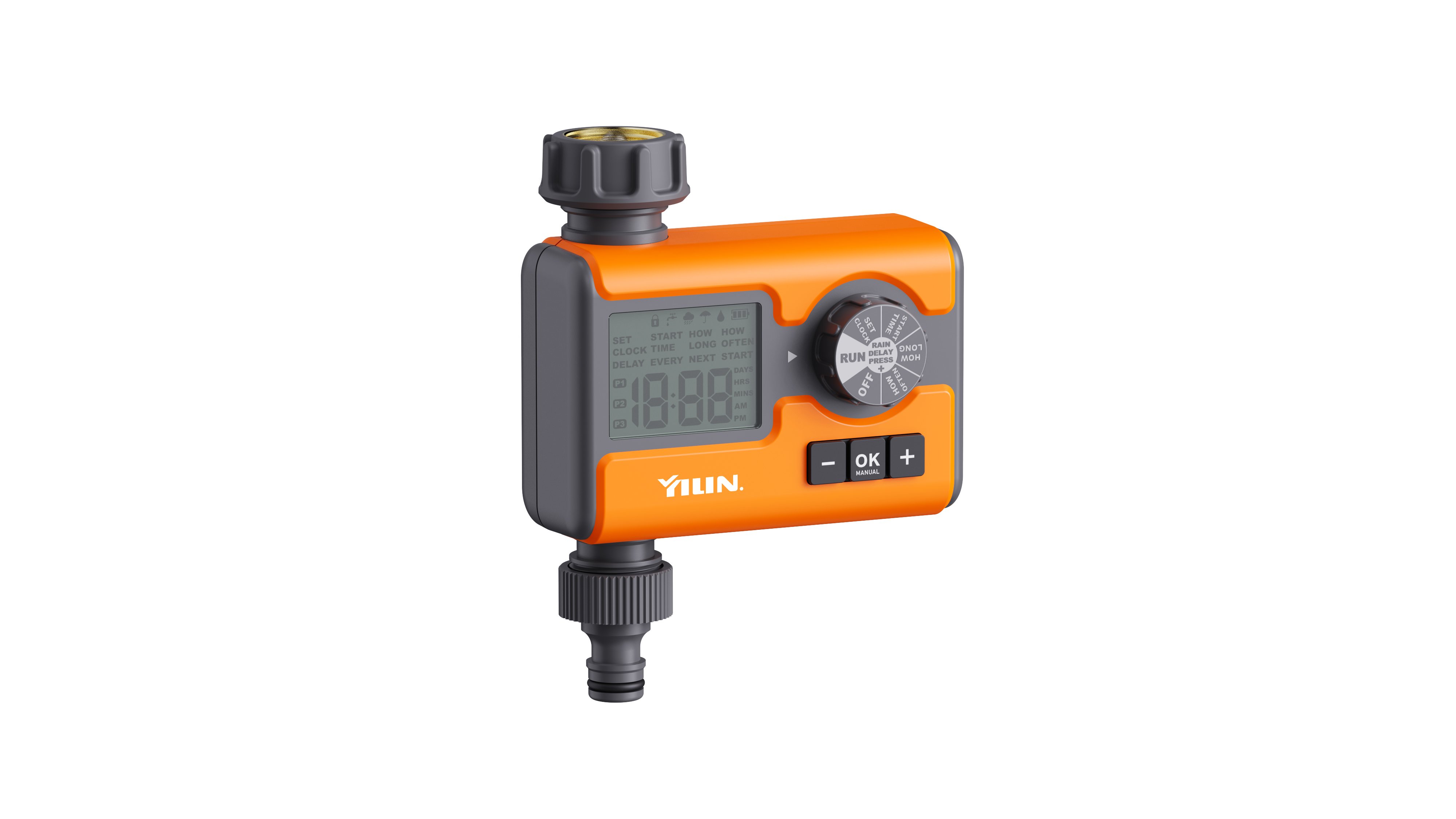
A certificated factory can support a stronger compliance process, but certification alone does not prove that every product or production line is covered. Use a consistent sequence: set acceptance criteria, authenticate documents, connect certificate scope to the goods you plan to source, and confirm that controls operate in practice. This approach helps you identify gaps before they affect purchasing or delivery decisions.
Define the compliance target before searching
Translate obligations into factory requirements
Start by identifying the rules and customer requirements relevant to the product, destination market, and intended use. Separate mandatory legal obligations from voluntary standards and internal purchasing conditions. A certificated factory should be assessed against this defined set, rather than against a vague claim of being compliant. Write down what evidence you need and who will review it.
Requirements may concern product safety, materials, labeling, environmental management, worker practices, or quality processes. The applicable combination depends on your specific product and supply chain. Ask whether the certificated factory holds approvals relevant to the work it will perform, and whether those approvals are required for the product itself, the facility, or a management system.
Set a clear evidence threshold
Before contacting candidates, decide what constitutes acceptable proof. For each requirement, specify the document type, issuing or assessment body details, validity period, facility address, and relevant scope. This gives every certificated factory the same request and makes responses easier to compare. It also reduces the risk of selecting a candidate based on polished paperwork that does not answer your actual compliance questions.
Create a record for open issues, responsible reviewers, and decision deadlines. If your company has legal, quality, or sustainability teams, involve them early so their criteria are not added after commercial discussions are advanced. A certificated factory should be able to explain how its evidence connects to your requirements. Clarify whether additional product testing, declarations, or customer-specific checks remain necessary.
Verify certificates and confirm their scope
Authenticate the documents directly
Request complete, legible copies rather than cropped images, and record the certificate holder, facility address, certificate number, issue date, expiry date, and stated scope. Check names and addresses against the factory’s business information. A certificated factory may operate more than one site, so confirm that the document applies to the location involved in your production rather than another office or facility.
Where a verification service or issuing body provides a way to validate a certificate, use it and retain the result. Confirm that the document is current and has not been suspended or withdrawn, when that information is available. Do not assume a logo proves validity. Ask the certificated factory to clarify discrepancies in writing, and pause approval if identity, dates, or scope cannot be reconciled.
Match certificate scope to the planned work
Scope is central to deciding whether a certificated factory meets your needs. Review the activities, products, processes, and locations covered by each document, then compare them with the work described in your specification and purchase plan. A certificate for a management system, for example, does not automatically establish that every product meets a particular technical regulation or customer standard.
Ask who will manufacture, inspect, pack, and release the goods, including whether subcontractors will perform any of those steps. Confirm how the certificated factory controls outsourced work and keeps traceable records. If production moves between buildings or sites, determine whether the relevant scope covers each location. Resolve any mismatch before a purchase order makes the arrangement difficult to change.
For a first review, a structured request can help you collect consistent evidence; a certificated factory should be able to identify the documents and facility details that relate to its role. Treat this as a starting point, not final approval. Your team still needs to verify authenticity, relevance, and any product-level obligations through the appropriate channels.
Assess real operating controls and maintain oversight
Test whether documented systems work in practice
Documents show what a certificated factory is expected to do; operational evidence helps show whether the process is followed. Review relevant procedures, training records, inspection results, corrective actions, and traceability examples. Choose records tied to the products or processes you plan to use. Look for consistency across records and ask how staff handle nonconforming inputs, production changes, and customer complaints.
A site visit or independent audit may be appropriate when risk, order value, product complexity, or internal policy warrants closer review. Define the audit scope in advance so the assessment addresses your compliance concerns rather than providing only a general tour. A certificated factory should explain access arrangements and how findings are corrected. Record evidence and unresolved issues, then assign owners and due dates.
Build compliance checks into the relationship
Approval should not be treated as permanent. Agree how the certificated factory will notify you about certificate expiry, changes to ownership, site, process, materials, or subcontracting. Decide which changes require advance review and which records must be refreshed. Keep copies of current documents with revision dates, and make renewal checks part of supplier qualification rather than a last-minute administrative task.
Your purchase terms and quality procedures can define change notification, record access, corrective-action expectations, and re-evaluation triggers. The certificated factory should know which product specifications and compliance conditions apply to each order. Review performance and evidence periodically, with greater attention after a serious deviation or a change in applicable requirements. This keeps oversight proportionate while preserving a clear audit trail.
A practical decision should reflect evidence quality as well as open risk. If a certificated factory meets the defined scope, supplies verifiable records, and demonstrates relevant operating controls, document the basis for approval. If evidence is incomplete, set conditions and deadlines or defer qualification. If a critical mismatch remains unresolved, do not treat a certificate as a substitute for meeting the requirement.
FAQ
Does a certificate prove that every product is compliant?
No. A certificate applies only to its stated scope and conditions. A certificated factory may hold a management-system certificate that does not certify each product. Check product-specific requirements separately, confirm the covered activities and site, and obtain any testing or declarations your product and market require.
What should I check first on a factory certificate?
Start with the certificate holder, facility address, number, validity dates, issuing information, and scope. Compare these details with the actual production site and work. Then verify the document through an available official channel. A certificated factory should explain any differences, but independent verification remains an important part of your review.
When should I reassess an approved factory?
Reassess on a planned schedule and whenever a meaningful change or risk event occurs. Certificate expiry, a new facility, process changes, subcontracting, repeated quality issues, or revised compliance obligations can all trigger review. Keep the certificated factory approval record current and document why continued qualification remains appropriate.
