
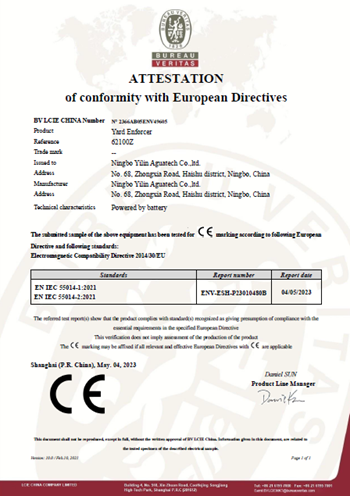
Choosing an irrigation supplier in China for 2026 requires more than comparing quotations. A certificated factory can provide evidence of documented systems and controlled production, but buyers still need to verify whether its scope, processes, and product records fit their requirements. This guide explains how to assess a certificated factory for irrigation equipment, with a focus on practical due diligence rather than unsupported rankings.
The right choice depends on the product, destination market, and risks your organization must manage. A certificated factory is not automatically the right factory for every irrigation project: certificates have defined scopes, while controllers, valves, sensors, and related equipment can involve different technical and compliance needs. Use the steps below to assess evidence, manufacturing capability, and communication before making a sourcing decision.
Verify certification and its relevance
Match documents to the actual factory
Begin by requesting current certificates and checking the legal entity, site address, issuing body, scope, and validity dates. A certificated factory should be able to explain how each document applies to the manufacturing location and product category being discussed. A certificate held by a trading entity, sister company, or separate site may not establish that the factory making your goods is covered.
Ask for the full document rather than relying on a logo in a brochure. Confirm the certificate through the issuing organization’s verification channel where available, and note any exclusions or limitations. When evaluating a certificated factory, distinguish a management-system certificate from a product approval: they address different questions and should not be treated as interchangeable evidence.
The certificate scope should make sense for the proposed work. If the order involves irrigation controllers, ask whether the documented activities include the relevant design, assembly, testing, or production operations. A certificated factory that manufactures other electrical products may still be capable, but its general certificate alone does not prove that every irrigation model meets your requirements.
Connect certification to market requirements
Identify the countries where the equipment will be sold or installed, then determine the applicable regulatory and customer requirements with qualified compliance support. A certificated factory can provide declarations, test reports, and technical files when these are available, but the importer or brand owner may retain responsibilities. Ask who prepares each document and how product changes are reviewed.
For a certificated factory, check that model numbers and revisions in supporting records correspond to the products in your quotation. Test results for a similar model may not cover changed components, firmware, enclosure materials, or power specifications. Request clarification whenever a report uses a different designation, and keep the response with your approval records.
Treat document review as an ongoing control, not a one-time onboarding task. A certificated factory should tell you how it manages certificate renewal, customer-specific records, and changes that might affect compliance. Agree on who will notify whom, what evidence will be supplied, and whether production must pause pending approval when a material change occurs.
Assess production capability and quality controls
Check whether the process fits the product
A useful factory assessment follows the product through the work it actually requires. For irrigation controllers, discuss component sourcing, board assembly, enclosure production, software loading, calibration where applicable, and final inspection. A certificated factory should describe which operations occur on site and which are subcontracted, including how external processes are monitored.
Ask for a process flow and traceability explanation suited to the product. Can the factory connect incoming components to a production batch and finished units? What records are kept for rework, inspection, and release? These questions help reveal whether a certificated factory has repeatable controls or relies mainly on informal operator experience.
Review the inspection plan rather than accepting a general promise of quality. Discuss functional checks, sample criteria, acceptance limits, and how failures are recorded and investigated. For a certificated factory, ask how it separates nonconforming product and confirms corrective action before release. The appropriate checks depend on product design and agreed specifications, not just on the certificate label.
If a supplier offers a product that resembles your specification, verify the details that influence fit: electrical input, output configuration, connectivity, environmental conditions, and control functions. A certificated factory should be able to identify the approved configuration and explain how custom requests are controlled. Written specifications prevent assumptions from turning into production disputes.
Evaluate capacity, consistency, and change control
Capacity is not simply a monthly output figure. Ask how the factory plans materials, allocates production lines, handles seasonal demand, and manages an order that changes in volume. A certificated factory should support capacity discussions with a realistic production schedule and describe constraints that could affect lead time or inspection availability.
For consistency, request examples of batch records or inspection documents with sensitive customer information removed. Check whether the records identify models, dates, results, and responsible personnel. A certificated factory with clear documentation makes it easier to investigate a field issue, compare successive batches, and agree on a corrective response.
Change control deserves particular attention in electronics. Ask how component substitutions, software revisions, and process changes are assessed, approved, and recorded. A certificated factory should not treat a change as harmless simply because the external appearance remains the same. Define which changes require advance notice, a new sample, or renewed testing before shipment.
A site visit or independent audit can add useful evidence when order value or operational risk justifies it. Prepare questions around the production stages relevant to your product, and compare observed practice with supplied records. If an in-person visit is not practical, a remote review can still clarify procedures, but it cannot verify every physical condition at a certificated factory.
Choose a supplier that fits the project
Compare evidence against business needs
Build a decision around documented requirements rather than a broad claim of being the best. Compare the same points for each candidate: relevant certificates, product-specific records, process coverage, traceability, change control, capacity, and responsiveness. A certificated factory is a stronger fit when its evidence directly answers the risks and obligations defined for your project.
Consider how much engineering support you need. A standard product may require clear specifications and stable production, while a customized controller can require sample review, interface confirmation, and controlled firmware revisions. Ask a certificated factory to define what it will deliver at each approval stage so your team can plan technical review and purchasing decisions.
Communication is part of operational fit. Evaluate whether answers are specific, consistent, and supported by records, especially when you ask about an exception. A certificated factory should be willing to state what it cannot confirm yet and identify the next verification step. Clear limits are more useful than assurances that do not resolve a technical or compliance question.
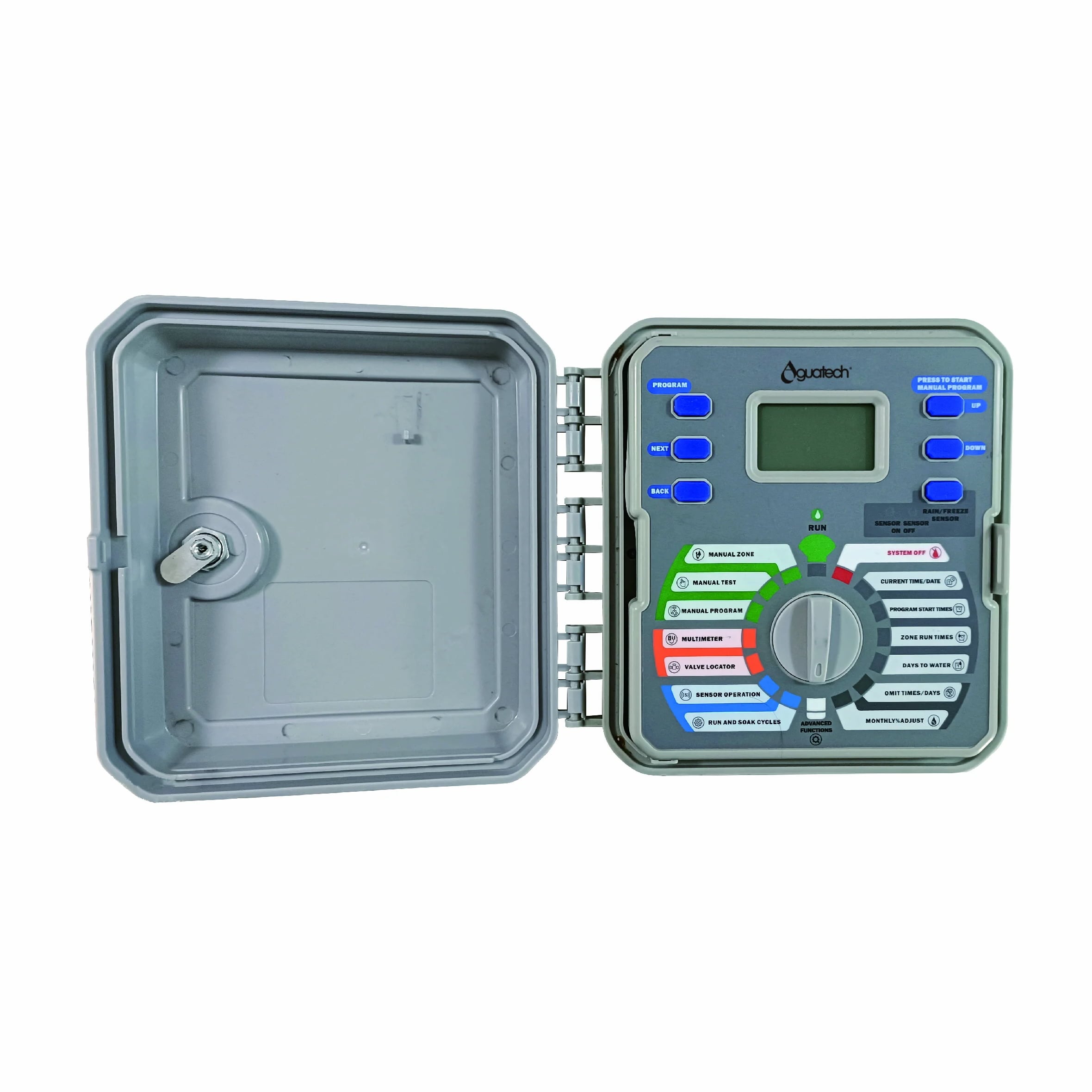
For example, when assessing a smart irrigation controller, ask for the exact model configuration, installation information, operating requirements, and available functional test evidence. You can review a certificated factory product page as a starting point for product questions, then confirm details directly against your application and purchasing specification.
Set approval gates before placing an order
Before a purchase order, record the approved model, drawings or specifications, packaging, required documents, inspection criteria, and change-notification rules. Ask the certificated factory to acknowledge these requirements in writing. This reduces ambiguity about what counts as an acceptable shipment and gives both parties a reference if a discrepancy appears during production or receiving inspection.
Use a sample or pilot order when the product is new, customized, or operationally critical. Confirm that the sample represents the production configuration and document any unresolved deviations. A certificated factory should explain how approved samples are identified and retained. Do not assume that a visually similar sample proves that internal components or software will remain unchanged.
After production begins, review agreed status updates and records at sensible milestones. The right frequency depends on order complexity and risk; the goal is early visibility, not unnecessary reporting. Keep evidence of approvals, test outcomes, and any accepted deviations so that a certificated factory relationship can be managed consistently across repeat orders.
Finally, revisit the assessment when the manufacturing site, product design, certificate scope, or destination-market requirements change. A previous approval is useful context, but it does not automatically cover a new configuration. Treat the certificated factory as a partner in a defined control process: verify evidence, document decisions, and reassess when the facts change.
FAQ
What should buyers verify on a factory certificate?
Check the legal entity, site address, issuing body, validity, and scope, then confirm that the document applies to the work being sourced. A certificated factory should also clarify whether product-specific approvals and test records are separate from its management-system certificate.
Does certification guarantee that every irrigation product is compliant?
No. Certification has a defined scope and does not automatically demonstrate that every model meets every destination-market requirement. Confirm the exact product, revision, and applicable evidence with the certificated factory, and establish who is responsible for remaining compliance obligations.
When should a buyer audit a certificated factory?
Consider an audit when product risk, customization, order value, or process complexity makes additional verification worthwhile. A focused review can check whether records and production practices support the claims made by the certificated factory, while the audit method should suit your access, schedule, and risk criteria.
