
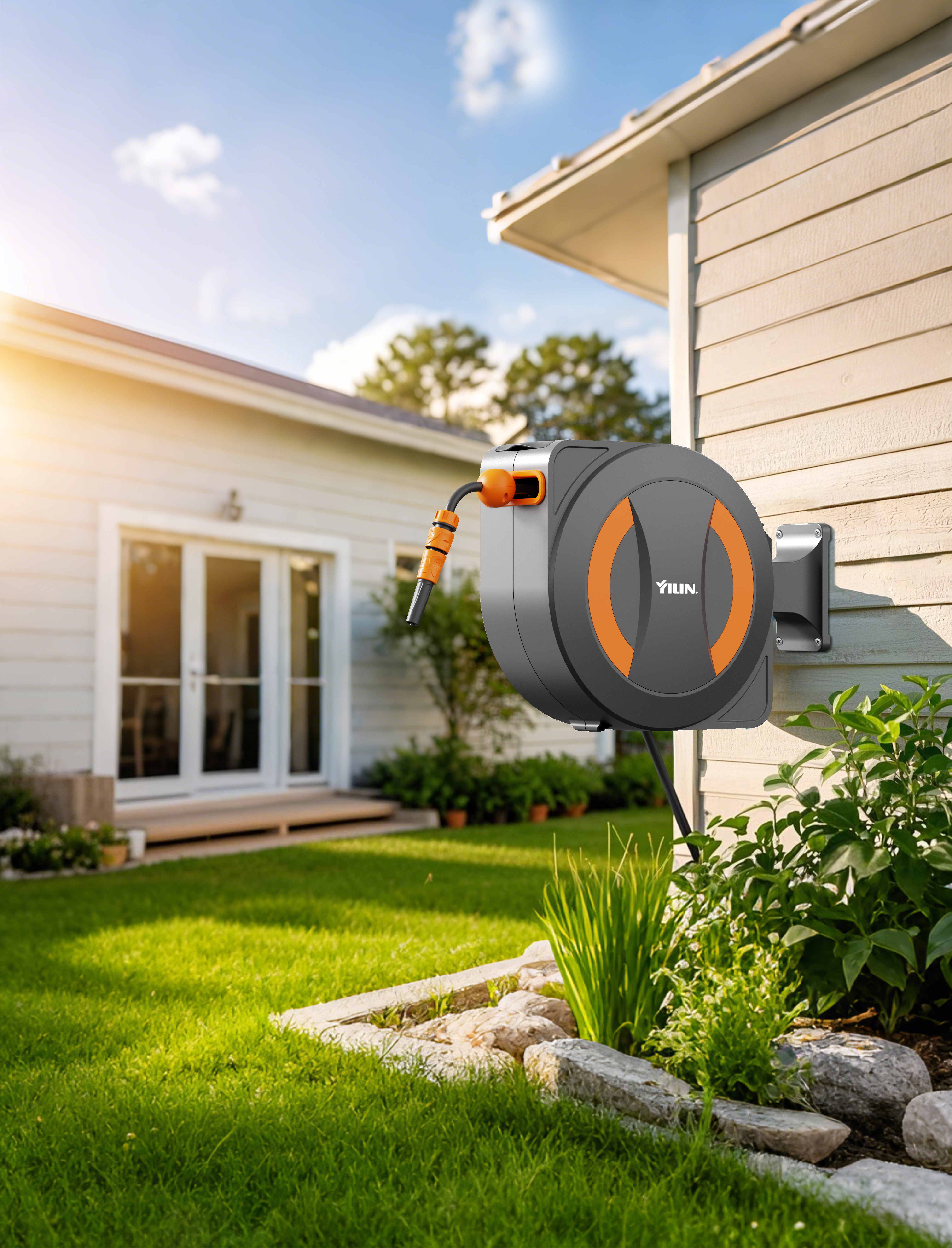
Choosing a wholesale garden products supplier for 2026 means finding a distributor whose range, ordering terms, and delivery model suit your business. A useful shortlist should compare capabilities rather than rely on an unsupported ranking. For a wholesale buyer, the right partner is the one that reliably fits customer demand, operating capacity, and seasonal plans.
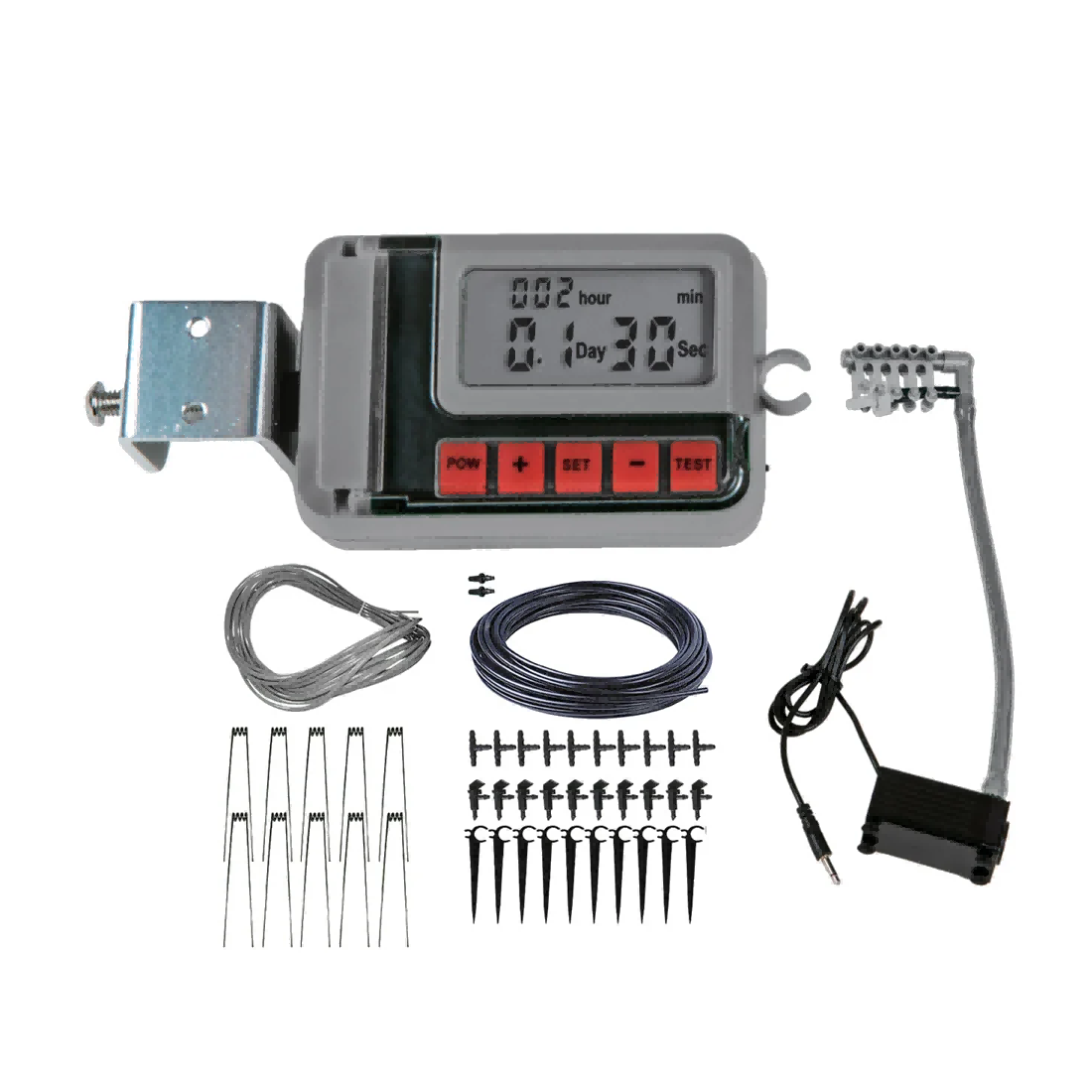
This guide explains how to assess five useful distributor profiles and turn them into a practical shortlist, without treating an unverified list as a universal top five. A wholesale partner should make product sourcing, replenishment, and planning easier to manage. Comparing each wholesale option against the same business requirements helps reveal which relationship deserves a closer review.
Define the distributor fit before comparing options
Match the product range to your sales mix
Start by mapping the garden categories your customers actually buy, then assess whether each wholesale catalog supports that mix. A distributor focused on irrigation may suit a retailer serving growers, while a broad garden assortment can help a store with varied seasonal demand. The wholesale range matters less for its size than for its relevance, depth, and consistency across the products you need.
Ask how frequently core items are available, whether related accessories can be ordered together, and how product changes are communicated. A wholesale catalog that looks extensive may still create gaps if essential components are unavailable at the same time. Review sample product information and confirm that specifications, packaging details, and ordering identifiers are clear enough for your purchasing and inventory workflows.
Compare five distributor profiles against your needs
A useful five-part shortlist can include a broadline garden distributor, an irrigation specialist, a seasonal products distributor, a live-goods focused operation, and a regional fulfillment partner. These are profiles to investigate, not ranked recommendations. Each wholesale model serves different buying priorities, so identify which capabilities matter most before approaching potential partners or comparing their terms.
For example, an irrigation-focused wholesale operation may be relevant when watering equipment and compatible fittings form a meaningful part of your range. A seasonal specialist may fit buyers whose assortment changes with planting cycles or outdoor living trends. A broadline distributor can reduce order fragmentation, while a regional partner may better align with local delivery requirements. Verify the fit directly rather than assuming a profile guarantees service quality.
Evaluate commercial terms and operational reliability
Review costs beyond the unit price
Compare wholesale pricing alongside freight, minimum order quantities, payment terms, and any charges tied to small or mixed orders. These conditions affect the real cost of replenishment and can change whether a product remains viable at your planned retail price. Ask for written terms, including how promotions, price changes, and order adjustments are handled, so your comparison reflects the full purchasing relationship.
A low quoted wholesale price is not enough to establish value if ordering conditions force excess inventory or frequent special shipments. Model a normal order and a peak-season order using your own demand assumptions. Check whether the wholesale distributor can explain its policies clearly and whether those policies fit your cash flow, storage space, and purchasing cadence. Clear terms make financial planning more dependable.
Test fulfillment and communication processes
Ask how orders are confirmed, how stock availability is represented, and how delays or substitutions are communicated. For wholesale garden products, timing can matter because buying windows may follow planting or seasonal retail plans. Establish who handles order questions and what information is supplied when an item cannot ship as expected. A defined process is more useful than a general promise of responsive service.
Where practical, evaluate a wholesale relationship with a modest initial order before shifting a large share of purchasing. Track order accuracy, packaging condition, delivery coordination, and the time required to resolve issues. This trial does not predict every future outcome, but it gives your team concrete evidence about routine execution. Record the results consistently so each distributor is assessed against the same operational measures.
Build a defensible shortlist for 2026
Check documentation and business fit
Before advancing a wholesale candidate, review its product documentation, returns process, warranty information where applicable, and account requirements. Confirm that the business can support your intended sales channels and that product details are usable in your catalog or online store. For watering equipment, examine compatibility information and installation guidance so staff can answer practical buyer questions without relying on assumptions.
Also consider how a wholesale distributor handles assortment updates and discontinued items. Frequent changes can affect listings, replenishment plans, and customer expectations, so ask how advance notice is provided. Evaluate whether product data is delivered in a format your team can work with and whether the wholesale contact can clarify technical questions. Documentation quality is part of day-to-day service, not an administrative extra.
Use a consistent decision process
Create a simple internal scorecard using the factors that matter to your operation: assortment fit, landed cost, order flexibility, delivery process, and communication. Give each shortlisted wholesale profile the same review, and note any evidence still missing. This keeps the decision grounded in business needs rather than presentation or a distributor’s broad claims. Revisit the scorecard when your product strategy or order volume changes.
For a new supplier relationship, begin with a defined assortment and a replenishment plan that your team can monitor. Keep records of lead times, fill rates, unexpected charges, and issue resolution. These observations help determine whether the wholesale partner remains suitable as the season progresses. A shortlist is most useful when it leads to a controlled decision and regular review, not a one-time label of best fit.
FAQ
How should a buyer interpret a top-five distributor list?
Treat a top-five list as a starting point for research, not a guarantee that every option suits your operation. Compare each wholesale candidate using your assortment, order size, delivery needs, and commercial terms. Request current details directly, since availability and conditions can change.
What should a wholesale garden buyer check first?
Begin with product fit and complete purchasing terms, then confirm fulfillment and communication processes. A wholesale catalog should support the categories you sell, while its minimums, freight, and ordering rules should fit your business. Check documentation for technical items such as watering systems.
When should a business review its distributor choice?
Review a wholesale relationship when your assortment, seasonal demand, delivery needs, or purchasing volume changes. It is also sensible to reassess after repeated fulfillment problems or unclear cost changes. Use order records and documented terms to decide whether the current fit still supports your plans.
