
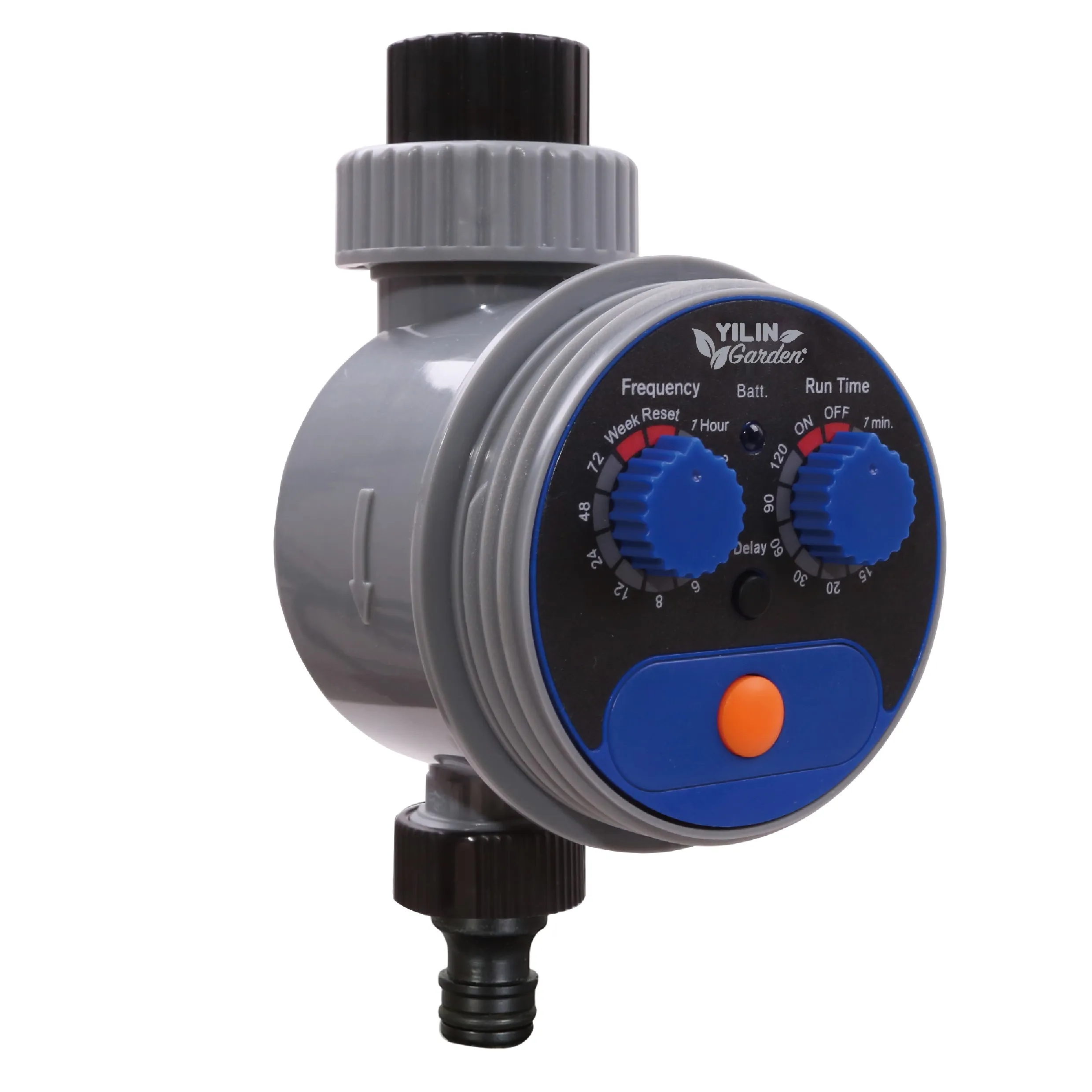
Modern agriculture faces mounting pressure to optimize water resources while maintaining productive crop yields across diverse growing environments. High-efficiency watersaving agricultural irrigation components represent a critical technological advancement that enables growers to achieve precise water delivery, reduce operational costs, and meet increasingly stringent environmental regulations. As global water scarcity intensifies and farming operations seek sustainable competitive advantages, the role of specialized manufacturers who design and produce advanced irrigation technology has become strategically essential for agricultural success.
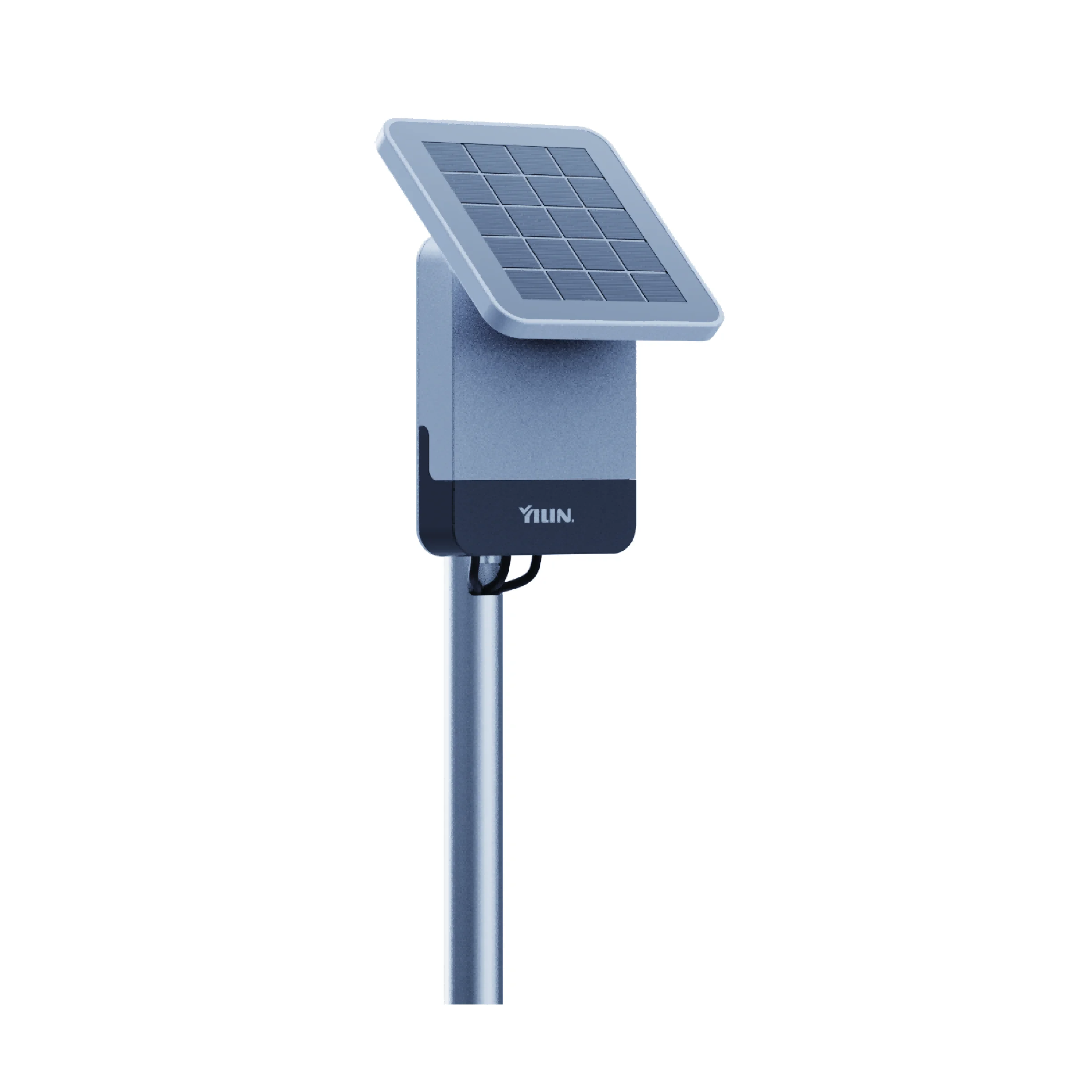
Manufacturers specializing in high-efficiency watersaving agricultural irrigation components combine engineering expertise with agricultural science to create systems that address the practical challenges farmers encounter daily. These companies focus on developing precision-engineered products that minimize water waste through advanced flow control, pressure regulation, and intelligent distribution mechanisms. The distinction between conventional irrigation suppliers and dedicated high-efficiency manufacturers lies in their commitment to continuous innovation, rigorous testing protocols, and comprehensive understanding of field-level hydraulic dynamics that directly impact water conservation outcomes.
Engineering Foundations of Water-Efficient Irrigation Manufacturing
Precision Manufacturing Processes for Flow Control Components
High-efficiency agricultural irrigation components require exceptionally tight manufacturing tolerances to achieve consistent water delivery performance across thousands of operational hours. Manufacturers employ advanced injection molding techniques, precision machining, and automated quality control systems to produce drippers, emitters, valves, and fittings that maintain uniform flow rates despite variations in water pressure and field conditions. The material selection process involves extensive testing of polymer compounds that resist chemical degradation from fertilizers, withstand ultraviolet exposure, and maintain structural integrity under temperature fluctuations common in agricultural environments.
The production of pressure-compensating drippers exemplifies the technical sophistication required in manufacturing agricultural irrigation components. These devices incorporate flexible diaphragm mechanisms or labyrinth pathways that automatically adjust internal flow resistance as inlet pressure changes, ensuring each plant receives identical water volumes regardless of its position along the irrigation line. Manufacturers must calibrate these mechanisms with micron-level precision while ensuring mass production scalability that keeps costs economically viable for commercial farming operations.
Quality assurance protocols in specialized manufacturing facilities include continuous flow testing, pressure cycling experiments, and accelerated aging simulations that predict component performance over multiple growing seasons. This commitment to durability directly translates to reduced maintenance requirements and lower total cost of ownership for agricultural operations investing in high-efficiency irrigation infrastructure.
Material Science Innovations for Agricultural Applications
Leading manufacturers of agricultural irrigation components invest significantly in material science research to develop compounds that address the unique challenges of agricultural water delivery systems. Standard plastics often fail prematurely when exposed to agricultural chemicals, mineral-laden water sources, and intense solar radiation. Advanced polymer formulations incorporate UV stabilizers, antioxidants, and mineral fillers that extend component lifespan while maintaining the flexibility necessary for installation and thermal expansion management.
The development of anti-clogging technologies represents another critical material innovation area. Manufacturers engineer filtration media, screen geometries, and surface treatments that minimize sediment accumulation and biological growth within irrigation pathways. Some advanced agricultural irrigation components feature self-flushing mechanisms or turbulent flow patterns that continuously remove particulate matter, reducing maintenance intervals and ensuring consistent water distribution throughout the irrigation season.
Corrosion resistance becomes particularly important in coastal agricultural regions or areas with high-salinity water sources. Manufacturers select materials and apply protective coatings that prevent electrochemical degradation of metallic components while ensuring compatibility with plastic elements throughout the irrigation system. This integrated materials approach ensures long-term system reliability across diverse agricultural environments and water quality conditions.
Product Development Focused on Water Conservation Performance
Hydraulic Optimization for Uniform Distribution
Manufacturers of high-efficiency agricultural irrigation components employ computational fluid dynamics modeling and extensive field testing to optimize hydraulic performance across their product lines. The goal extends beyond simply delivering water to ensuring uniform distribution that minimizes both over-irrigation and under-irrigation zones within agricultural fields. This precision directly impacts crop quality, yield consistency, and overall water use efficiency at the farm level.
Advanced agricultural irrigation components incorporate features such as pressure regulation, flow compensation, and anti-drain valves that work synergistically to maintain optimal delivery rates throughout the irrigation cycle. Manufacturers design these systems to accommodate varying topography, pipe lengths, and simultaneous zone operation without compromising distribution uniformity. The engineering challenge involves balancing hydraulic efficiency with installation simplicity and cost-effectiveness for diverse farming operations.
Field validation programs conducted by responsible manufacturers involve partnerships with agricultural research institutions and progressive farming operations. These collaborations generate real-world performance data that informs iterative design improvements and helps establish application guidelines for different crop types, soil conditions, and climate zones. The resulting product specifications provide farmers with reliable performance expectations that support informed purchasing decisions and system design planning.
Integration Capabilities with Digital Agriculture Systems
Contemporary manufacturers of agricultural irrigation components increasingly develop products with built-in compatibility for digital control and monitoring systems. This design philosophy recognizes that water efficiency optimization requires not only precision hardware but also intelligent control algorithms that respond to real-time crop water requirements, weather conditions, and soil moisture levels. Components feature standardized electrical interfaces, communication protocols, and sensor integration points that facilitate automation implementation.
The production of electronically-actuated valves, flow sensors, and pressure transducers specifically designed for agricultural environments requires manufacturers to combine irrigation expertise with electronics engineering. These components must maintain reliability despite exposure to dust, moisture, temperature extremes, and electrical interference common in field installations. Manufacturers conduct extensive environmental testing and apply conformal coatings, sealed enclosures, and robust connector systems to ensure long-term functionality in challenging agricultural settings.
Forward-thinking manufacturers provide technical support for system integration, offering compatibility specifications, wiring diagrams, and communication protocol documentation that simplify automation implementation. This comprehensive approach transforms individual agricultural irrigation components into elements of intelligent precision irrigation systems capable of achieving water savings that exceed thirty percent compared to conventional approaches while maintaining or improving crop outcomes.
Manufacturing Capabilities That Support Agricultural Scale Requirements
Production Capacity and Supply Chain Management
Successful manufacturers of agricultural irrigation components maintain production facilities capable of supplying the substantial component volumes required for commercial farming operations. A single large-scale agricultural project may require hundreds of thousands of individual drippers, thousands of meters of distribution tubing, and numerous control valves and filtration units. Manufacturers must balance maintaining adequate inventory levels with the seasonal demand patterns characteristic of agricultural markets where orders concentrate around planting seasons.
Supply chain resilience has become increasingly important as agricultural operations seek reliable component availability to meet tight planting schedules and replacement part requirements. Leading manufacturers maintain strategic material inventories, diversified supplier relationships, and flexible production scheduling that can accommodate urgent orders during critical agricultural periods. This operational capability directly supports farmer success by ensuring irrigation system installation and maintenance proceed without component availability delays that could compromise planting timing or crop water management.
The logistics infrastructure required to deliver agricultural irrigation components efficiently across diverse geographic markets involves regional distribution centers, bulk packaging options, and transportation partnerships optimized for agricultural supply chains. Manufacturers who understand agricultural timelines and regional growing patterns provide value beyond product quality through supply chain services that align with farming operational requirements.
Customization and Application-Specific Engineering
While standardized agricultural irrigation components serve many general applications effectively, certain farming operations require customized solutions to address unique water sources, crop requirements, or field conditions. Manufacturers with in-house engineering capabilities can modify existing product designs or develop entirely new components that solve specific agricultural challenges. This flexibility proves particularly valuable for specialty crop production, challenging topography, or operations using treated wastewater or other non-conventional water sources.
The customization process typically begins with detailed consultation where manufacturers analyze water quality data, field layouts, crop water requirements, and operational constraints. Engineering teams then propose component modifications or system configurations that optimize water efficiency for the specific application. This consultative approach demonstrates the technical depth that distinguishes specialized agricultural irrigation component manufacturers from generic industrial suppliers.
Prototyping capabilities allow manufacturers to produce limited quantities of custom agricultural irrigation components for field testing before committing to full production runs. This iterative development process ensures the final product delivers the intended performance improvements while maintaining cost-effectiveness and compatibility with existing irrigation infrastructure. Farmers benefit from access to optimized solutions rather than compromising with generic products that may not fully address their water conservation objectives.
Quality Standards and Performance Validation in Component Manufacturing
Industry Certifications and Testing Protocols
Reputable manufacturers of agricultural irrigation components pursue third-party certifications that validate product performance claims and demonstrate compliance with international quality standards. Certifications from organizations such as the International Organization for Standardization provide independent verification of manufacturing process consistency, quality management systems, and product performance testing protocols. These credentials offer farmers confidence that purchased components will deliver advertised water efficiency performance and durability.
Performance testing for agricultural irrigation components includes flow uniformity measurements, pressure-flow relationship characterization, clogging resistance evaluation, and accelerated aging studies. Manufacturers document these test results and make performance data available to support system design and component selection. The transparency regarding technical specifications enables agricultural engineers and farmers to make evidence-based decisions when comparing different agricultural irrigation components and planning irrigation system investments.
Ongoing quality monitoring during production involves statistical process control methods that detect variations in component dimensions, material properties, or performance characteristics before defective products reach customers. Manufacturers maintain detailed production records that enable traceability and facilitate continuous improvement initiatives. This commitment to quality consistency protects farmers from the costly consequences of component failures during critical irrigation periods.
Field Performance Monitoring and Product Evolution
Leading manufacturers establish feedback mechanisms that capture field performance data from installed irrigation systems using their agricultural irrigation components. This information reveals how products perform across diverse real-world conditions, identifies opportunities for design refinements, and validates claimed water savings under actual farming conditions. The continuous learning cycle enables manufacturers to evolve product lines in response to emerging agricultural challenges and changing farming practices.
Warranty programs backed by manufacturers demonstrate confidence in product durability and provide farmers with financial protection against premature component failure. Comprehensive warranty coverage typically includes replacement of defective parts and may extend to labor costs for reinstallation. The terms and duration of warranty protection serve as indirect indicators of manufacturing quality and expected component lifespan.
Technical support services provided by manufacturers help farmers optimize system performance throughout operational lifecycles. Support may include troubleshooting assistance, maintenance guidance, system expansion planning, and performance optimization recommendations. This ongoing relationship between manufacturer and end-user creates value beyond the initial component purchase and supports long-term water conservation success.
Economic and Environmental Value Creation Through Advanced Manufacturing
Total Cost of Ownership Considerations
When evaluating agricultural irrigation components, sophisticated farmers and agricultural managers analyze total cost of ownership rather than focusing exclusively on initial purchase price. Manufacturers of high-efficiency components create economic value through reduced water consumption, lower energy costs for pumping, decreased labor requirements for system maintenance, and extended component lifespans that delay replacement capital expenditures. The cumulative financial benefits often substantially exceed the incremental cost premium for precision-engineered components.
Water cost savings represent the most direct economic benefit of high-efficiency agricultural irrigation components. In regions where water pricing reflects scarcity or where pumping costs are significant, even modest improvements in irrigation efficiency generate substantial annual savings. Manufacturers provide water consumption modeling tools and case study data that help farmers quantify expected savings based on their specific crop types, field sizes, and water sources.
Maintenance cost reduction emerges from the durability and reliability engineered into quality agricultural irrigation components. Components that resist clogging, withstand chemical exposure, and maintain performance over multiple seasons reduce the labor hours and replacement part expenses that farming operations must allocate to irrigation system upkeep. This operational efficiency allows farm labor to focus on higher-value agronomic activities rather than repetitive irrigation maintenance tasks.
Environmental Stewardship and Regulatory Compliance
Manufacturers of water-efficient agricultural irrigation components contribute to environmental sustainability by enabling farming operations to reduce freshwater extraction, minimize agricultural runoff, and maintain productive agriculture in water-scarce regions. These environmental benefits align with regulatory trends in many agricultural regions where water use restrictions, discharge permits, and sustainability reporting requirements increasingly influence farming practices. High-efficiency irrigation technology helps farmers meet compliance obligations while maintaining economic viability.
The reduction of nutrient runoff represents an often-overlooked environmental benefit of precision irrigation systems utilizing advanced agricultural irrigation components. By delivering water more uniformly and avoiding over-irrigation, these systems minimize the leaching of fertilizers beyond crop root zones. This precision reduces nutrient pollution in watersheds while simultaneously improving fertilizer use efficiency and reducing input costs for farmers. The dual economic and environmental benefits exemplify how advanced manufacturing serves multiple stakeholder interests.
Energy consumption associated with agricultural water pumping contributes substantially to farming operations' carbon footprints. High-efficiency irrigation systems require less water pumping volume to achieve equivalent crop production, directly reducing energy consumption and associated greenhouse gas emissions. Manufacturers who quantify and communicate these climate benefits help farmers understand the broader value proposition of investing in advanced agricultural irrigation components beyond immediate operational considerations.
FAQ
What distinguishes high-efficiency agricultural irrigation component manufacturers from general industrial suppliers?
Specialized manufacturers focus exclusively on agricultural water delivery challenges and invest in agronomic research, field testing, and design optimization specifically for farming applications. They understand crop water requirements, soil hydraulic properties, and agricultural operational constraints that general industrial suppliers may not adequately address. These manufacturers typically offer technical support for system design, provide performance data specific to agricultural conditions, and engineer products to withstand chemical exposure, UV radiation, and other environmental factors unique to farming environments. Their product development cycles incorporate feedback from actual field installations and collaboration with agricultural research institutions.
How do quality differences in agricultural irrigation components impact long-term farm profitability?
Premium agricultural irrigation components engineered by reputable manufacturers deliver consistent water distribution uniformity that directly impacts crop yield and quality across entire fields. Poor-quality components may exhibit variable flow rates, premature clogging, or mechanical failure that creates irrigation non-uniformity, resulting in yield losses in under-irrigated zones and water waste in over-irrigated areas. The cumulative effect over multiple growing seasons includes reduced revenue from lower yields, increased water and energy costs, higher maintenance labor requirements, and more frequent component replacement. Quality components from established manufacturers typically deliver return on investment through improved crop performance, reduced operational costs, and extended service life that offsets their higher initial cost.
Can high-efficiency irrigation components integrate with existing conventional irrigation infrastructure?
Most manufacturers design agricultural irrigation components with backward compatibility to facilitate retrofitting existing systems and gradual upgrades rather than requiring complete infrastructure replacement. Standard pipe dimensions, thread specifications, and connection methods enable integration of advanced components such as pressure-compensating drippers, precision valves, and filtration systems into conventional layouts. However, achieving optimal system performance may require hydraulic analysis to ensure existing pumps, pipes, and water sources can support the flow rates and pressures required by high-efficiency components. Manufacturers typically provide technical guidance for retrofit applications and may offer hybrid solutions that bridge conventional and advanced technologies during transition periods.
What maintenance requirements should farmers expect with high-efficiency agricultural irrigation components?
Quality agricultural irrigation components from reputable manufacturers generally require less maintenance than conventional systems due to anti-clogging features, durable materials, and self-cleaning mechanisms. Typical maintenance involves periodic filter cleaning or replacement, visual inspection of components for damage, and end-of-season system flushing to remove accumulated sediment. Manufacturers provide maintenance schedules and procedures specific to their product lines, with intervals depending on water quality, system operating hours, and environmental conditions. Preventive maintenance performed according to manufacturer guidelines significantly extends component lifespan and maintains water distribution uniformity. Some advanced systems with electronic controls require additional attention to sensors, controllers, and power supplies, though manufacturers design these elements for minimal maintenance in agricultural environments.
Table of Contents
- Engineering Foundations of Water-Efficient Irrigation Manufacturing
- Product Development Focused on Water Conservation Performance
- Manufacturing Capabilities That Support Agricultural Scale Requirements
- Quality Standards and Performance Validation in Component Manufacturing
- Economic and Environmental Value Creation Through Advanced Manufacturing
-
FAQ
- What distinguishes high-efficiency agricultural irrigation component manufacturers from general industrial suppliers?
- How do quality differences in agricultural irrigation components impact long-term farm profitability?
- Can high-efficiency irrigation components integrate with existing conventional irrigation infrastructure?
- What maintenance requirements should farmers expect with high-efficiency agricultural irrigation components?
