
Commercial landscaping projects demand water management systems that balance operational efficiency, environmental responsibility, and cost control. Traditional irrigation approaches often result in water waste, inconsistent coverage, and labor-intensive manual adjustments that fail to respond to changing weather conditions or plant requirements. Advanced smart irrigation solutions address these challenges by integrating sensors, controllers, communication technologies, and data analytics to deliver precise water application tailored to real-time landscape needs. These systems not only optimize resource usage but also enhance plant health, reduce operational expenses, and support sustainability goals that increasingly define modern commercial property management.
The evolution of smart irrigation solutions has transformed how landscape professionals manage large-scale installations across corporate campuses, municipal parks, retail centers, and hospitality properties. Unlike residential systems that serve small areas with uniform conditions, commercial landscaping projects involve diverse plant zones, varied soil types, microclimates, and complex water distribution networks. Advanced systems leverage wireless communication protocols, cloud-based management platforms, and predictive algorithms to coordinate irrigation schedules across multiple zones while adapting to local weather forecasts, soil moisture levels, and historical water usage patterns. This level of sophistication enables facility managers to maintain aesthetic standards while achieving water savings that can exceed thirty percent compared to conventional timer-based systems.
Core Components of Advanced Smart Irrigation Systems
Intelligent Controllers and Communication Infrastructure
The foundation of any advanced smart irrigation solution lies in its control architecture. Modern controllers utilize microprocessor-based logic to process inputs from multiple sensors, weather services, and user-defined parameters to determine optimal irrigation schedules. These devices have evolved beyond simple timers to become sophisticated data processors capable of executing complex decision algorithms. Communication infrastructure plays an equally critical role, with wireless technologies such as LoRa, 4G cellular, and Wi-Fi enabling remote access, real-time monitoring, and system adjustments without physical site visits. This connectivity allows landscape managers to oversee multiple properties from centralized dashboards, respond immediately to system alerts, and analyze performance trends across their entire portfolio.
The choice of communication protocol significantly impacts system scalability and reliability. Low-power wide-area networks like LoRa provide extended range and battery efficiency ideal for large commercial sites with distributed irrigation zones. Cellular-based smart irrigation solutions offer broader coverage and easier deployment in locations without existing network infrastructure, though they incur ongoing data service costs. Hybrid approaches combining multiple communication methods ensure redundancy and maintain operational continuity even when individual networks experience disruptions. Advanced controllers also incorporate local processing capabilities that allow continued autonomous operation based on stored programs and sensor data even during connectivity interruptions, preventing irrigation failures that could damage valuable landscape investments.
Sensor Technologies and Environmental Monitoring
Precision irrigation depends on accurate environmental data collection. Soil moisture sensors represent the most fundamental monitoring component, measuring volumetric water content at various depths to determine actual plant water availability rather than relying on estimated schedules. Capacitance-based sensors provide reliable readings across different soil types, while tensiometers measure soil water tension to indicate how easily plants can extract moisture. Rain sensors prevent unnecessary irrigation during precipitation events, and flow meters detect leaks or broken lines by monitoring water volume against expected delivery rates. Temperature sensors help adjust irrigation timing to minimize evaporation losses during hot periods and prevent frost damage during cold weather.
Advanced smart irrigation solutions integrate weather station data and online meteorological services to incorporate evapotranspiration calculations into scheduling decisions. These systems analyze temperature, humidity, wind speed, solar radiation, and precipitation forecasts to estimate plant water loss and adjust irrigation accordingly. Some implementations use on-site weather stations for hyperlocal data, while others rely on regional weather services combined with site-specific adjustment factors. The integration of multiple environmental inputs creates a comprehensive understanding of actual landscape water requirements, enabling controllers to reduce irrigation during cool, humid periods and increase application during hot, windy conditions. This dynamic responsiveness maintains optimal soil moisture levels while eliminating the wasteful over-watering common in fixed-schedule systems.
Zone Management and Hydraulic Design Integration
Commercial landscaping projects typically encompass diverse planting areas with distinct water requirements. Advanced systems manage these complexities through sophisticated zone configuration that accounts for plant types, sun exposure, soil characteristics, slope, and irrigation hardware capabilities. Each zone receives customized scheduling based on its specific parameters rather than applying uniform irrigation across the entire site. Controllers coordinate valve sequencing to maintain adequate system pressure, prevent hydraulic surges, and operate within available water supply capacity. This coordination becomes particularly important in large installations where simultaneous operation of all zones would exceed infrastructure limits.
The integration of smart irrigation solutions with landscape hydraulic design ensures efficient water delivery throughout the system. Proper design matches precipitation rates to soil infiltration capacity, prevents runoff on slopes, and accounts for pressure variations across elevation changes. Advanced controllers can adjust run times for individual zones to compensate for differences in sprinkler discharge rates, emitter flow, or microclimate conditions. Some systems incorporate pressure regulation and flow monitoring at individual valve stations, providing granular control and immediate detection of malfunctions such as broken pipes or stuck valves. This level of hydraulic integration transforms irrigation from a simple on-off operation into a precisely managed water distribution process that maximizes efficiency while protecting system components from damaging pressure fluctuations.
Implementation Strategies for Commercial Properties
Site Assessment and System Specification
Successful deployment of advanced smart irrigation solutions begins with comprehensive site assessment. Landscape professionals evaluate existing irrigation infrastructure, water sources, electrical power availability, communication coverage, and maintenance access. This assessment identifies opportunities to retrofit existing systems with smart components versus complete replacement requirements. Soil analysis determines moisture retention characteristics that inform sensor placement and irrigation programming. Plant inventory categorizes landscape materials by water requirements, allowing creation of hydrozones that group similar plants for efficient irrigation management. Microclimate mapping identifies areas with distinct sun exposure, wind patterns, or drainage characteristics requiring specialized treatment.
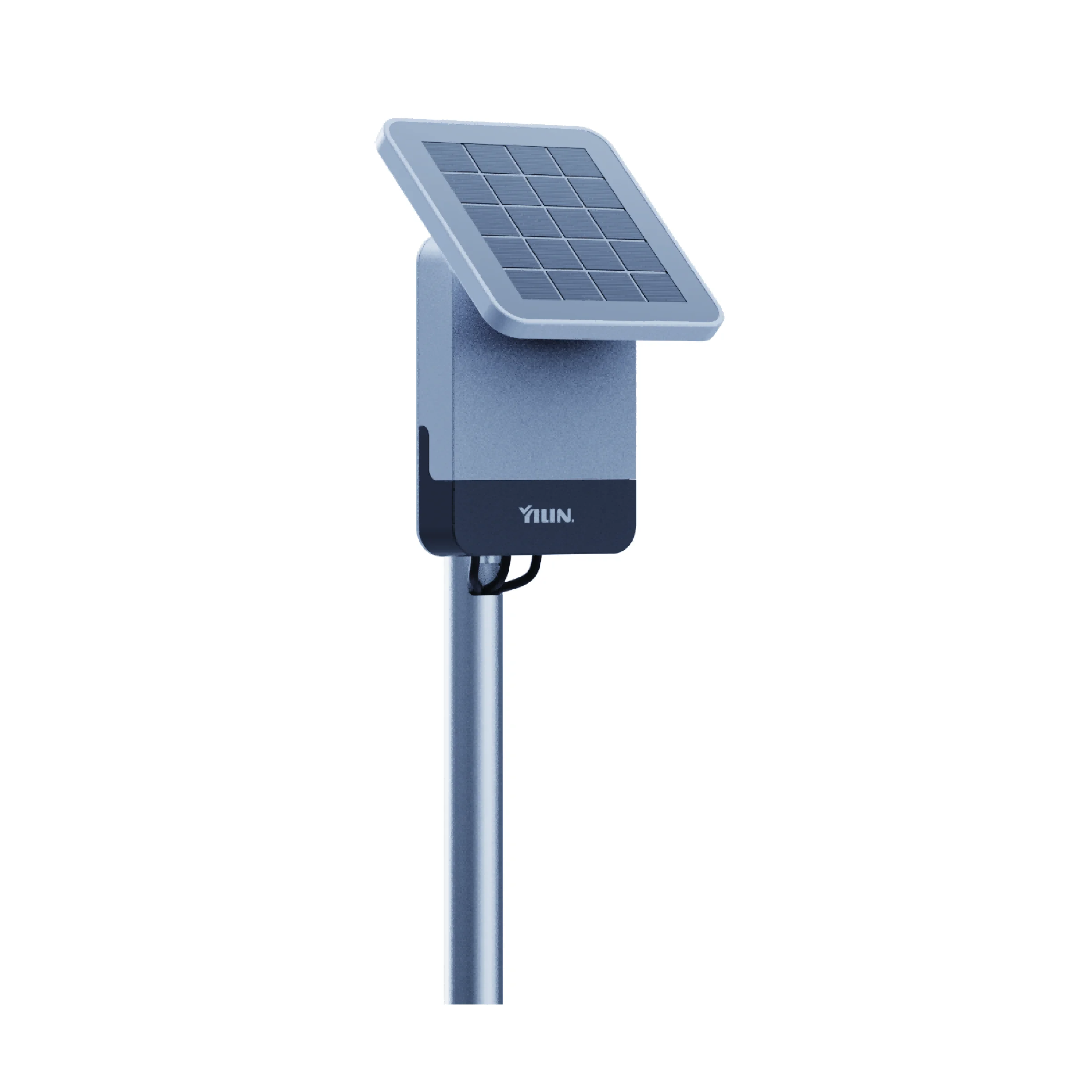
System specification translates site assessment findings into technical requirements. Controller selection considers the number of zones, communication needs, integration capabilities with existing building management systems, and user interface preferences. Sensor specifications address soil types, installation depths, and the number of monitoring points needed for representative data collection. Communication infrastructure planning ensures adequate coverage across the entire property, possibly requiring repeaters, signal boosters, or multiple base stations for large sites. Power supply planning addresses battery life for wireless sensors, solar charging options, or AC power availability for controllers and communication hubs. Proper specification balances performance requirements against budget constraints while ensuring scalability for future expansion as properties develop or irrigation needs evolve.
Professional Installation and Commissioning
Installation quality directly impacts the long-term performance of smart irrigation solutions. Professional installers position controllers in protected locations with adequate ventilation, appropriate temperature ranges, and accessibility for maintenance. Sensor placement follows agronomic best practices, installing moisture sensors in root zones at depths appropriate for plant types, avoiding rocks or construction debris that could affect readings, and positioning weather sensors away from buildings or trees that might create false microclimates. Communication equipment receives proper mounting with attention to antenna orientation, line-of-sight requirements for wireless signals, and protection from weather exposure.
System commissioning involves thorough testing and calibration to ensure accurate operation. Each irrigation zone undergoes manual testing to verify proper coverage, check for leaks or misdirected spray patterns, and confirm valve operation. Sensors receive calibration against known moisture levels or comparison with laboratory-grade reference instruments. Communication links undergo range testing and signal strength verification at maximum distances. Controllers receive programming based on site-specific parameters including soil types, plant water requirements, sun exposure factors, and seasonal adjustment curves. Initial programs typically run in monitoring mode where the system logs recommendations without automatically controlling valves, allowing operators to verify decision logic before enabling full autonomous operation. This phased commissioning approach builds confidence in system performance while providing opportunities to refine settings based on observed results.
Integration with Property Management Systems
Advanced smart irrigation solutions deliver maximum value when integrated into broader property management infrastructure. Many commercial properties utilize building automation systems that coordinate HVAC, lighting, security, and other facility functions. Integrating irrigation controllers into these platforms creates unified dashboards where facility managers view all building systems through single interfaces. This integration enables correlation between irrigation activities and other operational data, such as adjusting outdoor watering schedules around events, maintenance activities, or occupancy patterns. Some implementations link irrigation systems with utility monitoring platforms to track water consumption trends, benchmark efficiency improvements, and validate conservation initiatives.
Cloud-based management platforms extend integration capabilities beyond individual properties. Multi-site portfolio managers gain consolidated visibility across all locations, comparing performance metrics, identifying best practices, and standardizing operational protocols. These platforms often provide mobile applications allowing landscape managers to monitor systems and make adjustments from any location. Advanced analytics features identify optimization opportunities, predict maintenance needs based on usage patterns, and generate compliance reports for water district regulations or sustainability certifications. Application programming interfaces enable custom integrations with enterprise resource planning systems, work order management platforms, or tenant communication tools. This comprehensive integration transforms smart irrigation solutions from standalone systems into strategic components of total facility operations.
Operational Benefits and Performance Optimization
Water Conservation and Cost Reduction
The primary value proposition of smart irrigation solutions centers on substantial water savings. By delivering irrigation based on actual plant needs rather than fixed schedules, these systems eliminate the over-watering that characterizes traditional approaches. Studies across various commercial installations document water reductions ranging from twenty to fifty percent depending on previous practices, climate conditions, and landscape characteristics. These savings translate directly to lower utility costs, particularly significant in regions with tiered water pricing where usage above baseline thresholds incurs premium rates. Properties in areas facing water restrictions benefit from reduced consumption that helps maintain compliance while preserving landscape quality.
Beyond direct water cost savings, smart irrigation solutions reduce operational expenses through decreased labor requirements. Automated scheduling eliminates manual timer adjustments, while remote monitoring reduces the frequency of site visits needed to check system operation. Leak detection capabilities identify problems immediately rather than waiting for visible damage or unexpectedly high water bills. Preventive maintenance alerts notify managers when sensors require cleaning, batteries need replacement, or valves show performance degradation. These operational efficiencies allow landscape crews to focus on higher-value activities such as plant health management, aesthetic improvements, and customer service rather than routine irrigation system babysitting. Over typical system lifespans of ten to fifteen years, operational savings often equal or exceed initial technology investments.
Enhanced Landscape Health and Aesthetic Quality
Proper irrigation management significantly impacts plant health and landscape appearance. Smart irrigation solutions maintain optimal soil moisture levels that support vigorous root development, disease resistance, and stress tolerance. Unlike over-watering that creates anaerobic soil conditions promoting root rot and fungal diseases, precision irrigation maintains the moisture balance that encourages deep root systems and drought hardiness. Consistent moisture availability eliminates the stress cycles caused by alternating wet and dry periods in poorly managed systems. Plants experience fewer pest problems, better color, improved flowering, and extended seasonal interest when grown under optimal irrigation regimes.
The aesthetic benefits extend beyond individual plant health to overall landscape quality. Uniform water distribution prevents the brown patches and inconsistent growth patterns that result from malfunctioning sprinklers or inadequate coverage. Precise scheduling maintains the manicured appearance expected in commercial settings while avoiding the soggy turf and standing water that create negative impressions. Seasonal adjustment capabilities ensure appropriate irrigation as plants enter dormancy or spring growth phases. These quality improvements enhance property values, support tenant satisfaction, and strengthen brand image for businesses where landscape appearance influences customer perceptions. Property managers increasingly recognize that advanced smart irrigation solutions represent investments in property differentiation rather than mere operational expenses.
Environmental Stewardship and Sustainability Compliance
Corporate sustainability initiatives and regulatory requirements increasingly drive adoption of water-efficient technologies. Smart irrigation solutions provide documented evidence of environmental responsibility through detailed usage reporting, conservation metrics, and compliance documentation. Many green building certification programs including LEED award points for water-efficient irrigation systems, making advanced controllers valuable contributors to sustainability goals. Properties pursuing certifications benefit from the data logging and reporting capabilities that demonstrate ongoing conservation performance rather than simple equipment installation.
Beyond formal certifications, water conservation aligns with broader corporate environmental commitments and stakeholder expectations. Institutional investors, corporate tenants, and municipal partners increasingly evaluate properties based on sustainability performance. Advanced smart irrigation solutions support environmental, social, and governance reporting by providing quantifiable water savings data, demonstrating responsible resource stewardship, and contributing to climate adaptation strategies. In regions facing water scarcity, conservation measures help ensure long-term resource availability for communities while reducing pressure on overtaxed aquifers and surface water supplies. Property owners recognize that environmental responsibility increasingly influences tenant attraction, regulatory approval, and social license to operate in water-stressed regions.
Technology Selection and Vendor Evaluation
System Architecture and Scalability Considerations
Selecting appropriate smart irrigation solutions requires careful evaluation of system architecture. Centralized architectures employ single controllers managing all irrigation zones through wired valve connections, suitable for compact sites with concentrated landscaping. Distributed architectures utilize multiple satellite controllers communicating with central management platforms, appropriate for large campuses or properties with separated landscape areas. Hybrid approaches combine elements of both, providing redundancy and flexibility. Architecture selection impacts installation costs, communication infrastructure requirements, system reliability, and future expansion capabilities. Properties anticipating growth benefit from scalable architectures that accommodate additional zones without wholesale system replacement.
Compatibility and integration capabilities represent critical evaluation criteria. Open protocol systems utilizing industry-standard communication methods offer flexibility to incorporate components from multiple manufacturers and avoid vendor lock-in. Proprietary systems may provide tighter integration and optimized performance but limit future options if vendors discontinue support or business relationships change. Evaluation should assess compatibility with existing irrigation hardware, integration capabilities with property management systems, and availability of third-party sensors or accessories. Long-term technology roadmaps matter; vendors with demonstrated innovation records and ongoing development investments provide better assurance of continued product evolution and support availability throughout system operational lifespans.
Service and Support Infrastructure
Technology sophistication increases dependence on quality vendor support. Evaluation should examine training availability for installation contractors and maintenance personnel, technical support responsiveness, warranty terms, and parts availability. Vendors with established distribution networks and local service partners typically provide faster issue resolution than those requiring factory-direct support. Documentation quality influences long-term operational success; comprehensive installation guides, programming manuals, troubleshooting resources, and tutorial videos enable effective system management. Online user communities and knowledge bases provide valuable peer support and application examples beyond formal vendor resources.
Service agreement options deserve careful consideration. Some vendors offer monitoring services where their teams oversee system performance and make remote adjustments, effectively outsourcing irrigation management. Others provide annual maintenance contracts covering sensor calibration, software updates, and preventive inspections. These services can be particularly valuable for properties without specialized irrigation expertise or those managing multiple locations. Cost-benefit analysis should compare service agreements against internal capability development, considering that smart irrigation solutions require different skill sets than traditional systems. The optimal approach often involves initial vendor support during implementation and training periods, transitioning to internal management as staff develops competency, with vendor relationships maintained for complex troubleshooting or major system modifications.
Total Cost of Ownership Analysis
Smart irrigation solutions require investment analysis beyond initial purchase prices. Total cost of ownership encompasses equipment costs, installation labor, communication service fees, software subscriptions, sensor replacement, battery maintenance, and ongoing support expenses. These costs must be weighed against water savings, labor reductions, landscape health improvements, and avoided costs from leak damage or system failures. Payback periods typically range from two to five years depending on water rates, previous system efficiency, and climate conditions. Properties in high-cost water districts or those replacing particularly inefficient systems realize faster returns than those in low-cost areas upgrading from already-efficient installations.
Financial analysis should also consider operational risk reduction. Traditional systems often waste substantial water through malfunctions that go undetected until damage becomes visible. Smart irrigation solutions with flow monitoring and leak detection prevent these losses, avoiding not just water costs but also landscape replacement expenses and potential liability issues from flooding or property damage. Insurance implications merit consideration; some carriers offer premium reductions for properties with leak detection systems or water damage prevention technologies. Budget analysis should extend across realistic system lifespans, typically ten to fifteen years, accounting for component replacement cycles, technology refresh requirements, and anticipated water rate increases that improve conservation economics over time.
Future Developments and Emerging Technologies
Artificial Intelligence and Predictive Analytics
Emerging smart irrigation solutions incorporate artificial intelligence and machine learning algorithms that continuously improve performance through pattern recognition and predictive modeling. These systems analyze historical data to identify relationships between weather conditions, soil moisture patterns, and optimal irrigation outcomes. Over time, algorithms refine scheduling recommendations based on observed plant responses rather than generic programming. Predictive capabilities extend to anticipating maintenance needs by detecting gradual performance degradation, forecasting seasonal water requirements for budget planning, and identifying optimization opportunities across multiple properties. As these technologies mature, irrigation systems will transition from reactive tools responding to current conditions toward proactive platforms that anticipate needs and continuously self-optimize.
Advanced analytics also enable benchmarking and best practice identification across property portfolios. Machine learning algorithms compare performance across sites with similar characteristics, identifying high-performing installations and analyzing factors contributing to their success. These insights inform standards development and guide system tuning at underperforming properties. Anomaly detection algorithms automatically flag unusual patterns that might indicate equipment problems, unauthorized water use, or landscape stress before visible symptoms appear. The integration of artificial intelligence transforms smart irrigation solutions from programmed tools into learning systems that become progressively more effective through operational experience.
Integration with Precision Agriculture Technologies
Commercial landscaping increasingly adopts technologies originally developed for precision agriculture. Drone-based multispectral imaging provides detailed vegetation health mapping that identifies stressed areas requiring irrigation adjustment before visual symptoms appear. Satellite imagery offers cost-effective monitoring for large properties, tracking vegetation indices that correlate with water stress. These remote sensing technologies integrate with smart irrigation solutions to create targeted interventions rather than uniform treatment across diverse landscape areas. Ground-based robots equipped with sensors may eventually conduct automated landscape surveys, collecting high-resolution data about soil conditions, plant health, and irrigation performance that inform system optimization.
Precision technologies also enable variable rate irrigation where systems adjust application amounts within individual zones based on real-time needs. Rather than treating each valve zone uniformly, future smart irrigation solutions may control individual sprinkler heads or groups of emitters to account for microclimate variations, soil differences, or plant maturity stages within zones. This granular control maximizes efficiency while accommodating the inherent variability present in commercial landscapes. As component costs decline and control sophistication increases, precision irrigation will extend from agricultural applications into mainstream commercial landscaping, further improving water use efficiency and landscape quality.
Sustainability Integration and Circular Economy Approaches
Future smart irrigation solutions will increasingly integrate with broader sustainability systems. Connections with rainwater harvesting systems allow controllers to prioritize captured precipitation, supplementing with municipal water only when stored supplies deplete. Greywater recycling integration enables use of treated wastewater for irrigation while managing water quality parameters and adjusting application methods appropriately. Coordination with on-site renewable energy systems optimizes pump operation during periods of solar generation excess. These integrations transform irrigation from isolated water delivery systems into components of comprehensive resource management strategies that maximize efficiency across multiple utility streams.
Circular economy principles influence system design and operation. Manufacturers increasingly design controllers and sensors for modularity, enabling component replacement rather than complete system disposal when upgrades become necessary. Software-defined functionality allows feature additions through updates rather than hardware replacement. Take-back programs and recycling initiatives address end-of-life disposal for electronic components. Water reuse considerations influence landscape design, favoring plant selections and irrigation methods that enable use of alternative water sources. As environmental regulations tighten and resource costs increase, smart irrigation solutions will evolve toward comprehensive platforms that optimize total environmental impact rather than focusing narrowly on water efficiency alone.
FAQ
What differentiates smart irrigation solutions from traditional timer-based systems in commercial applications?
Smart irrigation solutions utilize sensors, weather data, and intelligent controllers to deliver water based on actual landscape needs rather than fixed schedules. Traditional timer systems apply irrigation according to predetermined programs regardless of rainfall, temperature changes, or soil moisture levels, often resulting in significant over-watering. Advanced systems continuously monitor environmental conditions and adjust automatically, achieving water savings typically between twenty and fifty percent while improving plant health through optimal moisture management. Commercial properties benefit from remote monitoring capabilities, leak detection, and detailed reporting that traditional systems cannot provide.
How do communication technologies impact smart irrigation system reliability and performance?
Communication infrastructure enables remote access, real-time monitoring, and coordination across distributed irrigation zones. Wireless technologies like LoRa provide long-range connectivity with minimal power consumption suitable for large properties, while cellular connections offer broad coverage without site-specific network installation. Reliable communication allows immediate response to system alerts, remote programming adjustments, and centralized management of multiple properties. Advanced controllers incorporate local processing that maintains autonomous operation during connectivity interruptions, preventing irrigation failures. The choice of communication protocol affects installation complexity, ongoing service costs, and system scalability as properties expand.
What implementation challenges do commercial properties commonly encounter with advanced irrigation systems?
Common challenges include inadequate site assessment leading to improper sensor placement, insufficient attention to communication coverage resulting in connectivity gaps, and inadequate staff training causing under-utilization of system capabilities. Integration with existing irrigation infrastructure sometimes reveals hydraulic limitations or electrical supply issues requiring remediation. Initial programming requires understanding site-specific factors including soil characteristics, plant water requirements, and microclimate variations. Properties achieve best results by working with experienced integrators who conduct thorough assessments, provide comprehensive commissioning, and deliver training that enables staff to effectively manage system sophistication. Phased implementation approaches allow organizations to develop expertise gradually while proving value before full-scale deployment.
How should facility managers evaluate return on investment for smart irrigation technology upgrades?
Return on investment analysis should encompass direct water cost savings, reduced labor expenses from automated operation, avoided costs from leak damage prevention, and landscape quality improvements that enhance property values. Calculation requires baseline water consumption data, current utility rates, and realistic savings estimates based on climate conditions and existing system efficiency. Total cost of ownership includes equipment, installation, communication services, and ongoing maintenance balanced against operational savings over ten to fifteen year system lifespans. Properties in high-cost water districts or those replacing inefficient systems typically achieve payback within two to five years. Analysis should also consider non-financial benefits including sustainability compliance, regulatory requirement satisfaction, and corporate environmental goal contributions that provide strategic value beyond direct cost savings.
Table of Contents
- Core Components of Advanced Smart Irrigation Systems
- Implementation Strategies for Commercial Properties
- Operational Benefits and Performance Optimization
- Technology Selection and Vendor Evaluation
- Future Developments and Emerging Technologies
-
FAQ
- What differentiates smart irrigation solutions from traditional timer-based systems in commercial applications?
- How do communication technologies impact smart irrigation system reliability and performance?
- What implementation challenges do commercial properties commonly encounter with advanced irrigation systems?
- How should facility managers evaluate return on investment for smart irrigation technology upgrades?
