
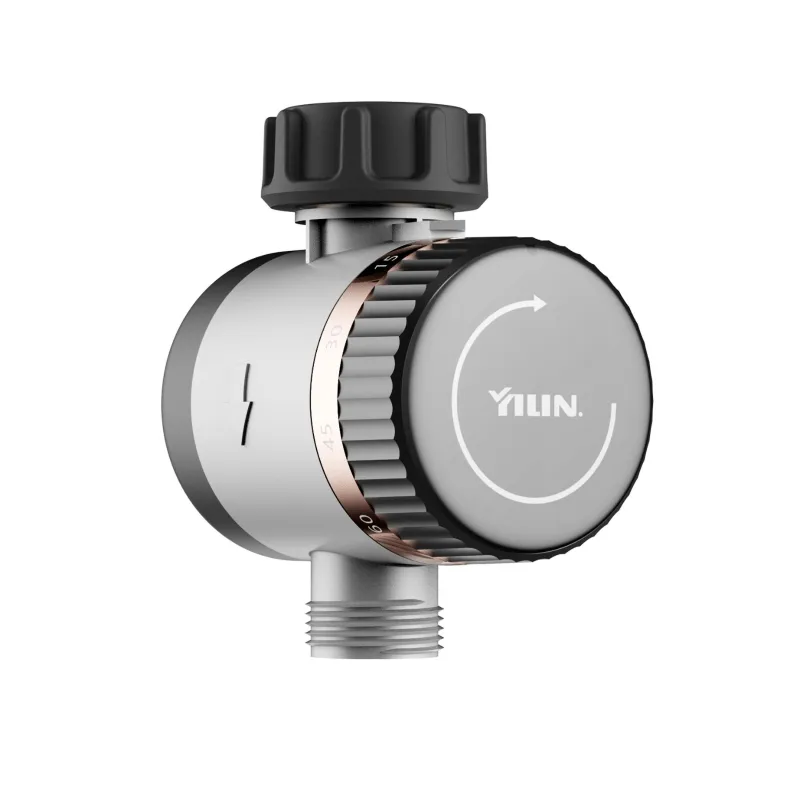
Water timer suppliers face the critical challenge of engineering products that deliver consistent performance across diverse environmental conditions while maintaining extended battery life. The success of automatic irrigation systems depends heavily on the reliability and longevity of the timing mechanisms, making battery optimization and durability engineering core competencies for manufacturers in this specialized market. Professional water timer suppliers understand that their products must withstand temperature extremes, moisture exposure, and continuous operation cycles while providing years of dependable service to agricultural, commercial, and residential customers.
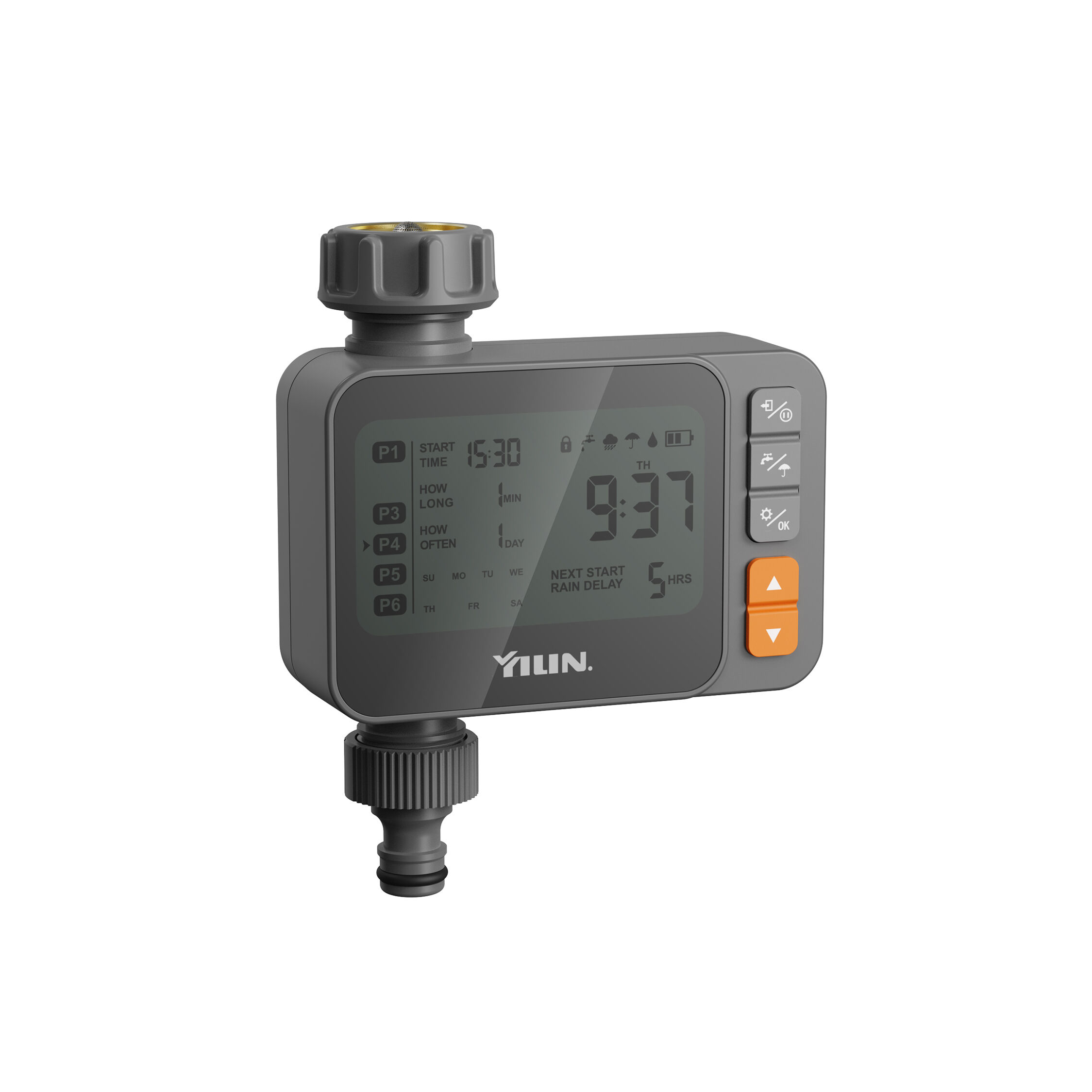
The engineering methodologies employed by water timer suppliers directly impact operational costs and customer satisfaction in irrigation applications. Advanced suppliers implement sophisticated power management protocols, utilize high-grade materials resistant to environmental degradation, and conduct extensive field testing to validate product longevity claims. Understanding how these manufacturers approach battery life optimization and durability enhancement provides valuable insights for procurement professionals, system integrators, and end users evaluating irrigation timing solutions for critical applications.
Power Management Engineering Strategies
Low-Power Microcontroller Selection and Programming
Leading water timer suppliers prioritize microcontroller selection based on ultra-low power consumption characteristics rather than processing speed alone. These manufacturers specify microcontrollers with multiple sleep modes, allowing the device to consume minimal current during inactive periods between watering cycles. The programming architecture includes intelligent power management routines that activate only essential functions during operation, reducing overall power draw by up to 80% compared to conventional timing circuits.
Advanced water timer suppliers implement dynamic frequency scaling in their microcontroller programming, automatically adjusting processing speed based on operational requirements. During simple timing functions, the processor operates at reduced frequencies to conserve battery power, while switching to higher speeds only when complex calculations or communication protocols are required. This adaptive approach significantly extends battery life without compromising functionality or user interface responsiveness.
Professional suppliers also integrate wake-on-demand protocols that minimize unnecessary power consumption during standby periods. The timer remains in deep sleep mode until specific trigger events occur, such as scheduled watering times or user interface activation. This selective activation strategy ensures that battery power is conserved for essential operations while maintaining precise timing accuracy throughout extended deployment periods.
Battery Chemistry Optimization and Selection
Experienced water timer suppliers carefully evaluate battery chemistry options to match specific application requirements and environmental conditions. Lithium-ion batteries are frequently selected for their high energy density and stable voltage characteristics across temperature ranges, while alkaline batteries may be chosen for cost-sensitive applications with moderate performance requirements. The selection process considers discharge curves, temperature coefficients, and self-discharge rates to optimize total system performance.
Quality water timer suppliers conduct extensive battery performance testing under simulated field conditions, including temperature cycling, humidity exposure, and vibration stress. These tests validate battery life predictions and identify potential failure modes before products reach market deployment. The testing protocols typically span 12-24 months of accelerated aging to simulate multiple years of actual field service.
Some advanced suppliers implement hybrid power systems combining primary batteries with energy harvesting technologies such as small solar panels or kinetic energy capture. These supplementary power sources extend overall system life and provide backup power during peak demand periods, ensuring continuous operation even when primary batteries reach low charge states.
Environmental Protection and Material Durability
Weather-Resistant Housing Design and Materials
Professional water timer suppliers engineer housing systems using UV-stabilized polymers and corrosion-resistant materials to withstand prolonged outdoor exposure. The material selection process evaluates resistance to temperature cycling, UV degradation, chemical exposure from fertilizers and pesticides, and mechanical stress from installation and maintenance activities. High-grade ABS plastics with UV inhibitors and glass-filled nylon components provide excellent durability while maintaining cost-effectiveness for volume production.
Sealing systems represent critical design elements for water timer suppliers focused on long-term reliability. Multi-stage sealing approaches include primary O-ring seals, secondary gasket barriers, and conformal coatings on electronic components to prevent moisture ingress. The sealing design must accommodate thermal expansion and contraction cycles while maintaining weatherproof integrity throughout the product service life.
Advanced suppliers implement IP65 or higher ingress protection ratings through comprehensive testing protocols that exceed standard certification requirements. These enhanced protection levels ensure reliable operation in extreme weather conditions, including heavy rainfall, snow accumulation, and high humidity environments common in agricultural and landscape irrigation applications.
Electronic Component Protection and Longevity
Reliable water timer suppliers select electronic components with extended temperature ratings and enhanced moisture resistance specifications. Military-grade components or automotive-qualified parts are often specified for critical circuit elements to ensure stable operation across the full environmental range expected in outdoor irrigation applications. Component derating practices extend service life by operating parts well below their maximum rated specifications.
Conformal coating application represents a standard practice among quality water timer suppliers to protect printed circuit boards from moisture, dust, and chemical contaminants. These protective coatings create barriers against corrosive elements while allowing normal component operation and heat dissipation. The coating selection and application process requires specialized equipment and quality control procedures to ensure uniform coverage and adhesion.
Professional suppliers also implement redundant circuit protection including surge suppressors, reverse polarity protection, and overcurrent limiting to prevent damage from electrical anomalies. These protection circuits add minimal cost while significantly improving field reliability and reducing warranty claims from electrical stress failures.
Quality Assurance and Field Testing Protocols
Accelerated Life Testing Methodologies
Leading water timer suppliers utilize accelerated aging chambers to simulate years of field exposure in compressed timeframes, enabling rapid evaluation of design improvements and material selections. These environmental chambers cycle temperature, humidity, and UV exposure according to established industrial standards while monitoring product performance parameters continuously. The testing protocols typically compress 5-10 years of normal service into 6-12 months of accelerated exposure.
Battery life validation requires specialized testing equipment that monitors power consumption patterns under various operating scenarios including normal watering cycles, extended standby periods, and fault conditions. Water timer suppliers maintain detailed databases of battery performance data to refine power management algorithms and validate marketing claims about product service life. This testing data also supports warranty policies and customer expectations management.
Mechanical durability testing includes vibration exposure, drop testing, and cyclic loading to simulate installation stresses and field handling conditions. Water timer suppliers recognize that product damage during installation or maintenance can significantly impact customer satisfaction and brand reputation, making mechanical robustness a critical design parameter.
Field Performance Monitoring and Feedback Integration
Professional water timer suppliers establish field monitoring programs with key customers to collect real-world performance data and identify potential improvement opportunities. These programs include regular site visits, performance data collection, and failure analysis protocols to understand how products perform under actual application conditions. The feedback collected from field monitoring directly influences future product development priorities and design modifications.
Customer feedback integration systems allow water timer suppliers to rapidly identify emerging issues and implement corrective actions before problems become widespread. This proactive approach includes warranty claim analysis, customer service feedback evaluation, and systematic review of returned products to identify common failure modes or performance limitations.
Advanced suppliers implement remote monitoring capabilities in premium product lines, enabling continuous performance assessment and predictive maintenance recommendations. These connected systems provide valuable data about actual usage patterns, environmental conditions, and component aging trends that inform future product development and customer support strategies.
Manufacturing Quality Control and Consistency
Production Testing and Calibration Standards
Established water timer suppliers implement comprehensive production testing protocols that verify battery life, timing accuracy, and environmental protection performance for every manufactured unit. These testing procedures include initial calibration verification, power consumption measurement, and functional testing under controlled conditions. Automated test equipment ensures consistent evaluation criteria and reduces testing time while maintaining thorough quality verification.
Timing accuracy verification requires precision reference standards and controlled environmental conditions to ensure that water timer suppliers deliver products meeting advertised performance specifications. The calibration process includes temperature compensation adjustment, crystal oscillator trimming, and software parameter optimization to achieve specified timing tolerances across the operating temperature range.
Statistical process control methodologies help water timer suppliers maintain consistent quality levels while identifying trends that might indicate equipment wear, material variations, or process drift. These control systems include real-time monitoring of critical parameters and automatic alerts when measurements approach specification limits, enabling proactive corrective actions before defective products are shipped.
Supply Chain Quality Management
Professional water timer suppliers maintain rigorous vendor qualification programs that evaluate component suppliers based on quality systems, technical capability, and long-term business stability. The qualification process includes on-site audits, sample testing protocols, and ongoing performance monitoring to ensure consistent component quality throughout the product lifecycle.
Incoming inspection procedures verify that components meet specifications before integration into water timer assemblies, preventing quality issues that could impact battery life or durability performance. These inspection protocols include dimensional verification, electrical testing, and material composition analysis for critical components that directly affect product reliability.
Traceability systems enable water timer suppliers to track component lots and manufacturing dates through the entire production and distribution process, facilitating rapid response to quality issues and supporting customer warranty claims with detailed product history information.
FAQ
How long do batteries typically last in professional water timers?
Professional water timer suppliers design their products to deliver 12-24 months of battery life under normal operating conditions, with some advanced models achieving 3-5 years through sophisticated power management systems. Battery life depends on watering frequency, environmental conditions, display usage, and specific component selections, with lithium battery systems generally providing longer service life than alkaline alternatives.
What environmental conditions pose the greatest challenges for water timer durability?
Temperature cycling represents the most significant environmental stress factor for water timers, as repeated expansion and contraction can compromise sealing systems and electronic component reliability. UV exposure, moisture ingress, and chemical exposure from fertilizers and pesticides also contribute to long-term degradation, requiring careful material selection and protective design features from experienced water timer suppliers.
How do water timer suppliers validate their battery life claims?
Reputable water timer suppliers conduct extensive accelerated life testing using environmental chambers that simulate years of field exposure in compressed timeframes, while also monitoring actual power consumption under various operating scenarios. This testing data, combined with field performance monitoring programs and customer feedback analysis, provides the foundation for accurate battery life predictions and warranty policies.
What should customers look for when evaluating water timer supplier capabilities?
Customers should evaluate water timer suppliers based on their quality control systems, field testing protocols, component selection criteria, and warranty support programs rather than focusing solely on initial product cost. Suppliers with comprehensive testing capabilities, established customer feedback programs, and transparent technical documentation typically deliver superior long-term value through reduced maintenance requirements and extended product service life.
Table of Contents
- Power Management Engineering Strategies
- Environmental Protection and Material Durability
- Quality Assurance and Field Testing Protocols
- Manufacturing Quality Control and Consistency
-
FAQ
- How long do batteries typically last in professional water timers?
- What environmental conditions pose the greatest challenges for water timer durability?
- How do water timer suppliers validate their battery life claims?
- What should customers look for when evaluating water timer supplier capabilities?
