
Choosing gardening items to simplify your daily routine starts with noticing which tasks consume the most time. The right gardening items help you handle recurring jobs with less effort, while unsuitable choices can add storage, setup, and maintenance work. Begin with your real garden needs, not a long shopping list.
A useful selection reflects your planting area, available time, and preferred way of working. Prioritize gardening items that reduce repeated steps, such as carrying water or searching for tools, while still fitting your plants and layout. This practical approach keeps routine care manageable through changing seasons.
Start with the Tasks That Repeat
Track daily and weekly garden work
Before choosing gardening items, observe your routine for a week. Note when you water, remove spent growth, inspect leaves, and move supplies. This simple audit reveals whether your main difficulty is frequent watering, awkward tool access, or a series of small jobs that interrupt other work. It also prevents buying gardening items for occasional tasks while the daily bottleneck remains.
Group jobs by frequency and location. Gardening items used every day should be easy to reach and simple to put away; equipment used once each season can be stored elsewhere. If several beds need attention in one visit, arrange gardening items around that route, so you are not crossing the garden repeatedly. A little observation makes each purchase purposeful.
Match the item to the source of effort
Choose gardening items that address a specific inconvenience. If you lose time fetching a hose, a watering solution suited to the bed layout may help. If routine pruning feels difficult, check that the tool fits the plant size and your grip. The best gardening items are not necessarily the most complex; they remove a recurring obstacle without creating another chore.
Write down the task, the problem, and the change you expect before shopping. This quick test separates useful gardening items from attractive extras. For example, a storage caddy can help when small tools are repeatedly misplaced, but it adds little value if everything already has a nearby place. Use gardening items to improve a real workflow, not to build one around new equipment.
Fit Gardening Items to Your Garden
Consider layout, plants, and water access
Garden size alone does not determine which gardening items will save time. Bed shape, containers, plant spacing, slope, and water access all affect the work. A compact balcony may benefit from lightweight, easy-to-store gardening items, while a spread-out plot may call for solutions that reduce walking between beds. Measure the space and notice obstacles before deciding.
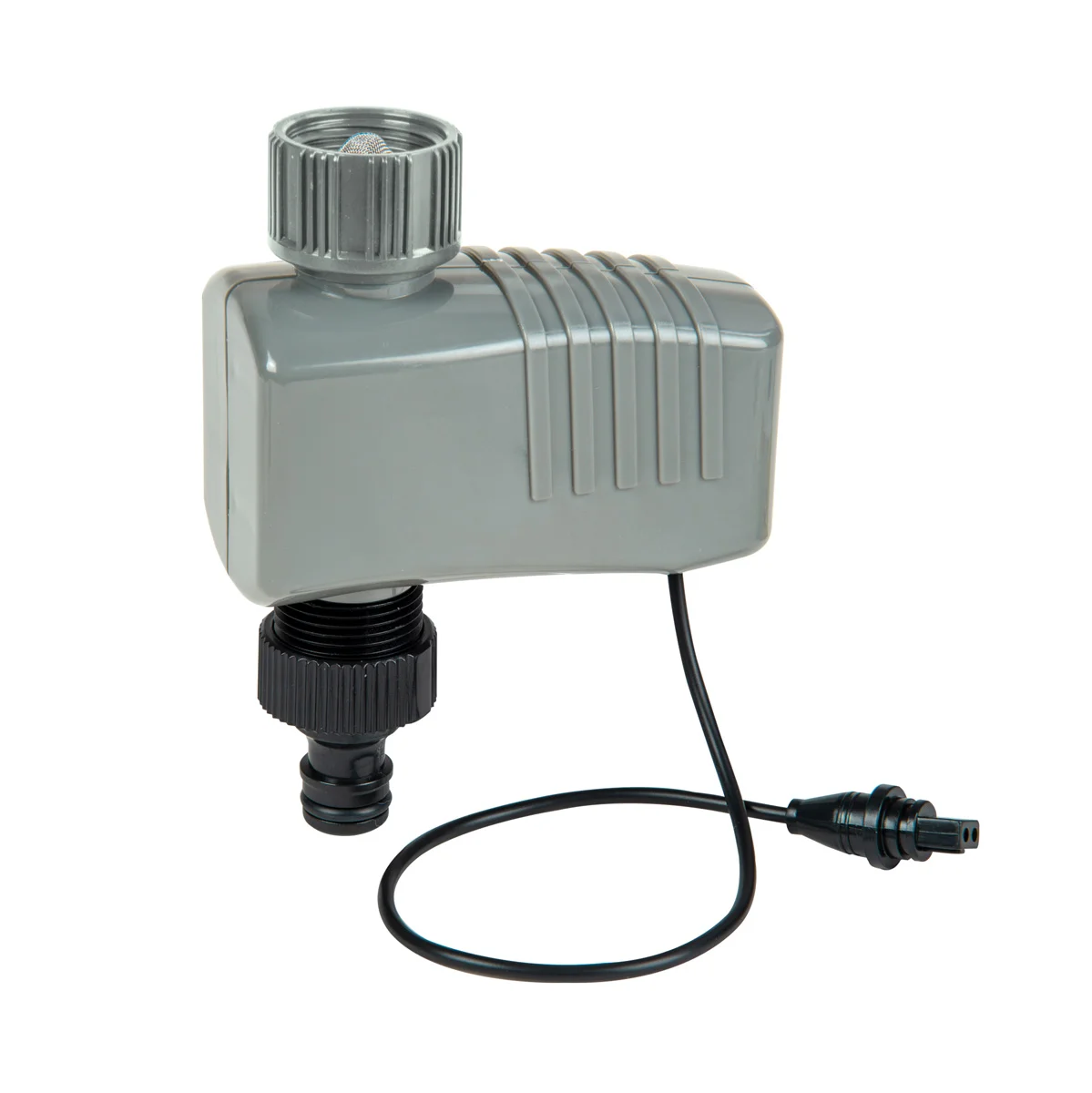
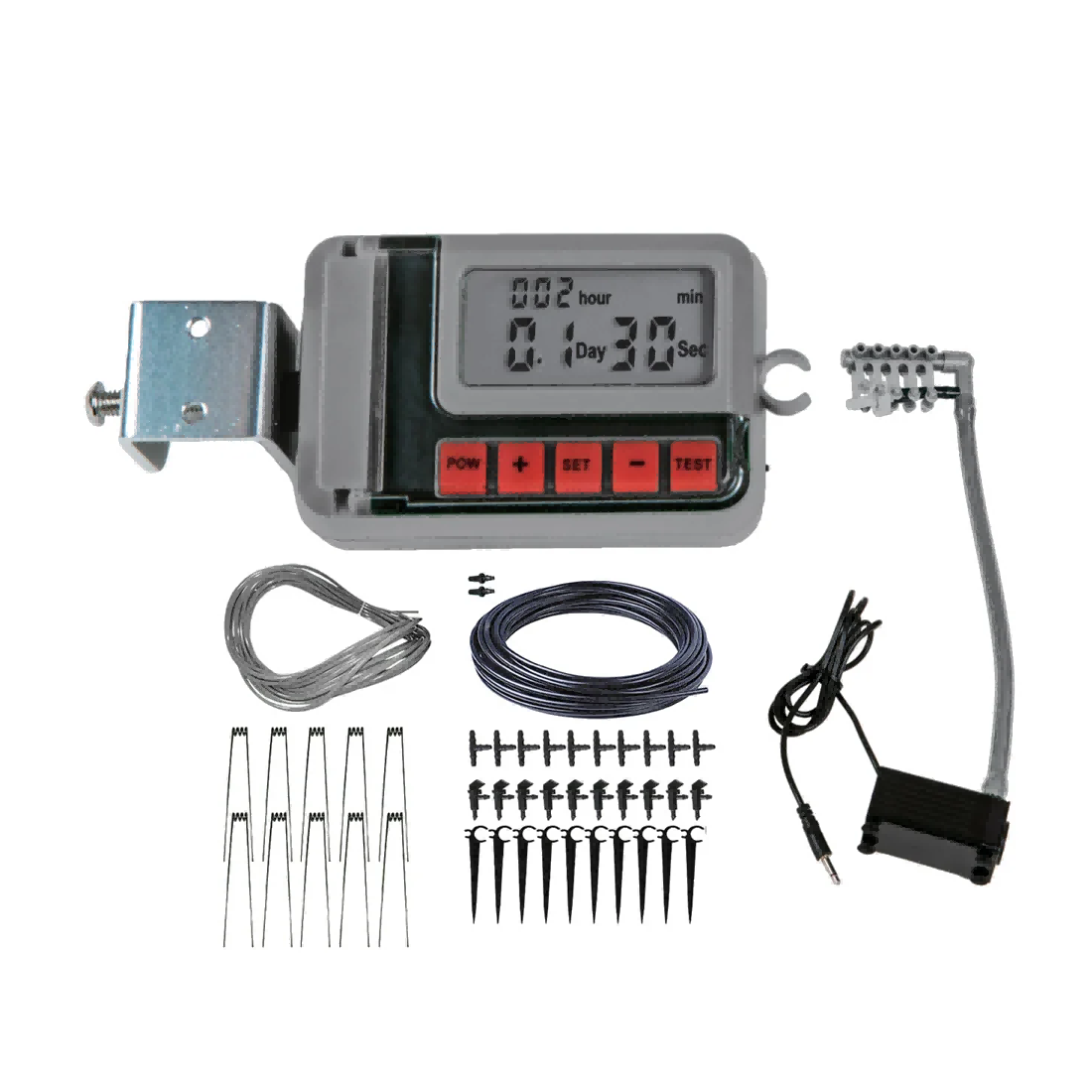
Watering deserves close attention because plant needs and site conditions vary. Check which areas dry quickly, where a tap is located, and whether containers need different attention from in-ground beds. Gardening items should support an appropriate watering routine rather than apply the same approach everywhere. A system is useful only when its setup fits your layout and is practical to inspect.
Choose features that reduce routine steps
Compare gardening items by the steps they remove, not by the number of features they offer. For a watering setup, consider connection points, coverage, adjustment, and access for cleaning. An gardening items option may suit a recurring watering task when its arrangement works with the garden and your schedule. Confirm what installation and ongoing checks involve.
For hand tools and storage, prioritize comfortable handling, appropriate size, and a clear home near the work area. Gardening items that are cumbersome to carry or awkward to clean can slow a routine even when they perform their main function. Before choosing gardening items, imagine using them on a typical busy day, including setup, cleanup, and storage.
Build a Routine That Stays Simple
Check maintenance and seasonal changes
A time-saving choice should remain manageable after purchase. Ask how gardening items are cleaned, stored, and checked between uses. Watering equipment may need inspection for blockages, leaks, or changed plant coverage; cutting tools benefit from appropriate cleaning and safe storage. If a product requires more attention than the task it replaces, the overall routine may not improve.
Account for seasonal changes before settling on gardening items. Plant growth can alter spacing, water needs, and access, while winter conditions may require equipment to be drained or stored indoors. Choose gardening items that can be adjusted or put away without a complicated process. This flexibility helps keep routine care practical as the garden develops.
Test choices against everyday use
Once you identify likely gardening items, evaluate them against a normal week rather than an ideal one. Can you use the item when time is limited? Can another person understand its setup? Is it easy to reach, clean, and return to storage? These questions expose friction that a product description cannot answer and help you select gardening items you will actually use.
Introduce one change at a time and review the result after several routine cycles. Notice whether gardening items reduce trips, setup steps, or missed tasks without making plant care less attentive. Keep what works and reconsider anything that creates extra maintenance. This measured approach makes gardening items part of a reliable workflow, rather than another collection to manage.
FAQ
Which gardening items should I choose first?
Start with gardening items for the task that repeats most often or causes the greatest delay. A brief routine audit can show whether watering, tool access, or cleanup is the first problem to solve.
How can I tell whether a garden item will save time?
Compare the time and effort it removes with its setup, cleaning, and storage needs. Gardening items are useful when the full routine becomes easier, not just when the main task looks simpler.
Should I choose different items for containers and garden beds?
Often, yes. Containers and beds can differ in access, drainage, and watering needs, so select gardening items to suit each area. Check coverage and handling in the actual space before committing to a new routine.
