
Choosing garden products for a first growing season is easier when each purchase solves a clear task. Beginners do not need a shed full of equipment; they need dependable basics for preparing soil, planting, watering, and maintaining healthy growth. The right garden products also fit the available space, time, and budget.
This guide presents ten practical garden products for beginners in 2026, grouped by how they support everyday garden work. The essentials include hand tools, watering equipment, growing media, containers, seeds, and labels. Select garden products according to your site rather than buying every option at once, and prioritize items that will be used repeatedly.
Hand tools for confident planting and care
Gloves, a trowel, and a hand fork
A comfortable pair of gloves protects hands during weeding, digging, and handling rough materials, making it one of the most useful garden products for a new grower. Choose a fit that preserves finger movement and suits the work. Well-fitting garden products are easier to reach for than bulky gear that limits dexterity.
A sturdy hand trowel helps dig planting holes, transfer seedlings, and move potting mix in containers. Look for a secure handle and a blade suited to your soil conditions. Among essential garden products, this simple tool often earns frequent use, so clean soil from the blade after work and store it somewhere dry.
A hand fork loosens compacted soil and lifts small weeds around established plants without requiring a large digging tool. It is especially useful in raised beds or tight planting areas. These garden products make careful work more manageable, and a beginner can learn their feel by working gently around roots rather than forcing the soil.
Pruners for tidy, controlled trimming
Hand pruners are useful for removing small dead stems, harvesting herbs, and trimming suitable soft growth. Choose a tool that opens and closes comfortably, then match its cutting capacity to the plants you grow. These garden products should make clean cuts without crushing stems; keep blades clean and follow plant-specific pruning guidance.
The best beginner routine is to use pruners only when a plant needs trimming, not to cut every stem for appearance. Garden products such as sharp pruners support precise maintenance when handled with care. Check the tool before each session, keep fingers clear of the blade, and store it safely after use.
Together, gloves, a trowel, a hand fork, and pruners cover many small-garden tasks without adding unnecessary complexity. These garden products are a sensible starting group for patios, beds, and modest plots. When comparing garden products, favor durable construction and comfortable handling over extra features that do not match your regular gardening work.
Water and soil essentials for steady growth
Watering equipment that fits the site
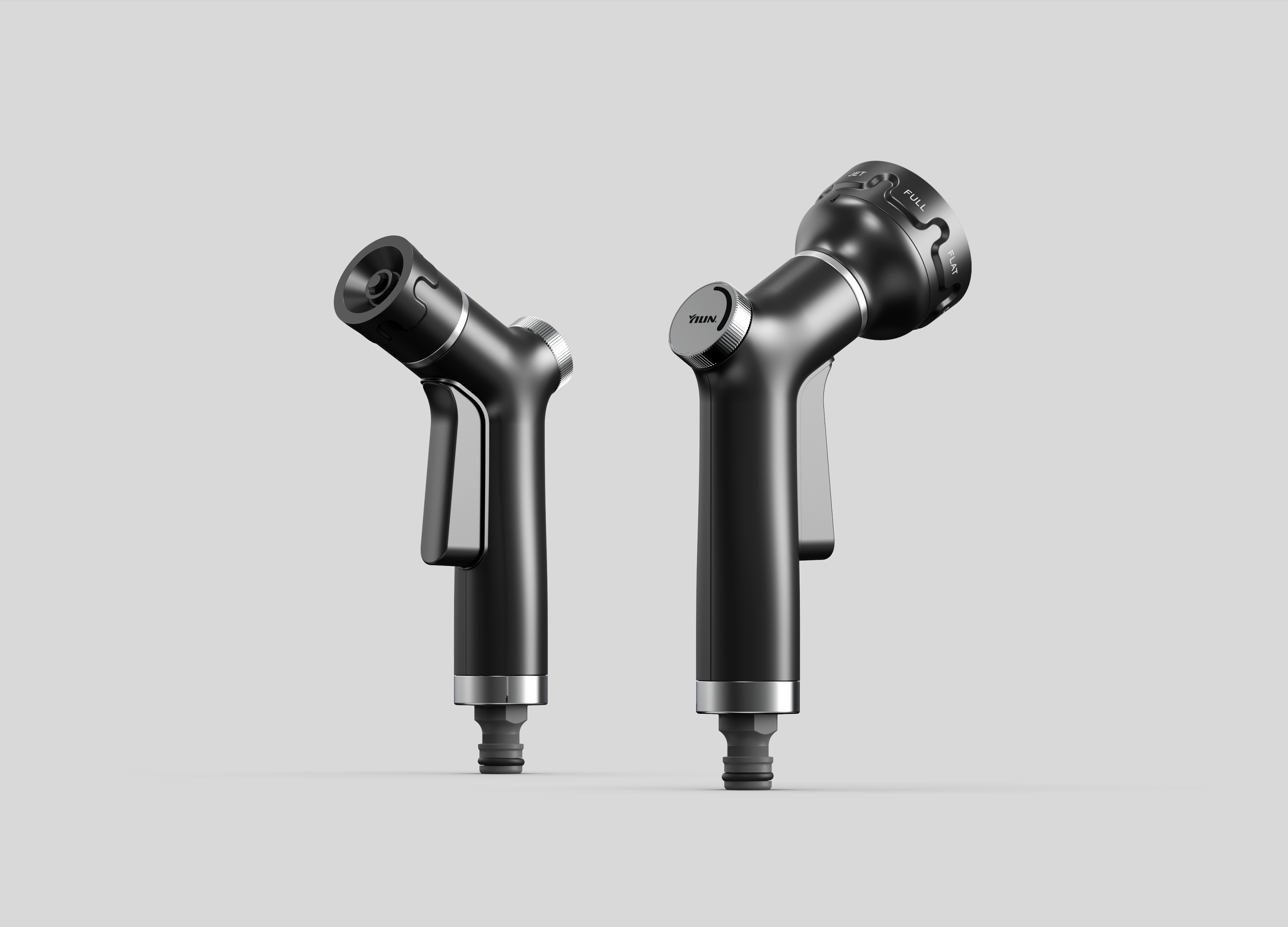
A watering can or hose provides basic control over how water reaches plants. The choice depends on distance, water access, and the number of containers or beds. These garden products should be easy to carry or position, while a gentle flow helps avoid washing seeds away or exposing roots in loose soil.
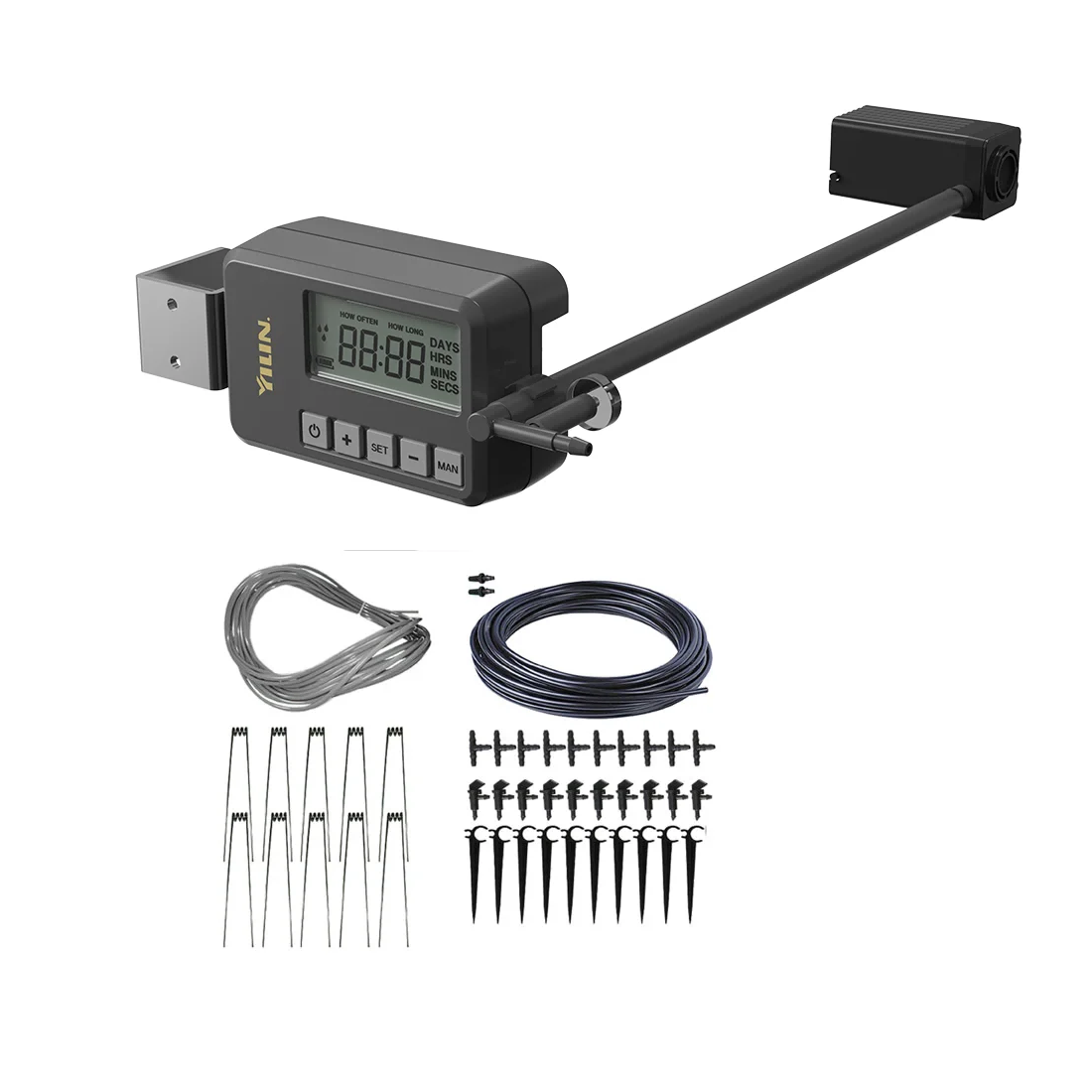
A drip-watering kit can deliver water near plant roots and may help simplify routine watering in beds or container groups. Review connection requirements, layout, and maintenance before choosing one. Among garden products for beginners, a kit is most useful when it matches the garden footprint and the grower can check emitters regularly.
For a compact growing area, a garden products option such as a drip kit can make watering more organized. Compare hose length, fittings, and placement with the actual bed plan. Garden products should support a consistent routine, but they do not replace checking soil moisture and adjusting for weather.
Growing medium and soil improvement
Suitable soil or potting mix gives roots the physical environment they need to establish. Match the growing medium to the container or bed and the plants you intend to raise. These garden products are not interchangeable in every setting, so read the package guidance and avoid assuming one mix suits every crop.
Compost can add organic matter to garden soil when used appropriately, while finished compost may also be part of a container-growing plan. Choose garden products based on the existing soil and crop needs rather than applying amendments automatically. Beginners can start with a modest amount, observe plant response, and improve the approach over time.
Watering tools and growing media work together: good equipment cannot compensate for unsuitable soil, and quality mix still needs sensible watering. Garden products in this group should be selected as a system, considering drainage, access to water, and plant spacing. This practical check can prevent avoidable setup changes once seedlings are established.
Growing setup and organization essentials
Containers, beds, seeds, and young plants
Containers or a raised bed define where plants will grow and help beginners organize limited space. Choose a size that suits the site and confirm that containers can drain properly. These garden products make planting more approachable, but the growing area should also receive light appropriate to the chosen plants.
Seeds offer variety and a rewarding way to learn how plants develop, while young plants can provide a simpler starting point for some crops. Select varieties suited to the season and local conditions. Garden products such as seeds and seedlings are best chosen after checking their light, spacing, and care requirements.
Labels help identify varieties and planting dates, especially when several seedlings look alike. A simple, weather-resistant marker can prevent mix-ups during care. Among low-cost garden products, labels provide useful organization, and they work best when information is written clearly and placed where it remains visible during watering.
Building a useful beginner kit
These ten essentials form a practical kit: gloves, trowel, hand fork, pruners, watering can or hose, drip kit, growing medium with compost, containers or a bed, seeds or young plants, and labels. Garden products can be bought in stages, starting with tools and setup materials needed for the first planting.
Before purchasing, measure the growing area and note where water is available, how much sunlight reaches the site, and what plants are realistic to maintain. This prevents garden products from being selected in isolation. A small patio garden may need containers and hand watering, while a longer bed could benefit from a planned irrigation layout.
Set a reasonable care routine alongside the equipment: inspect plants, check moisture, remove weeds, and clean tools after use. Garden products are most valuable when they support repeatable habits rather than promise effortless results. Keep the kit accessible, review what gets used through the season, and expand only when a genuine need becomes clear.
FAQ
Which garden products should a beginner buy first?
Start with gloves, a trowel, suitable growing medium, and a way to water plants. Add garden products such as pruners, containers, or labels as your growing plan takes shape. The best first purchase is the item that addresses an immediate task at your site.
Is a drip-watering kit necessary for a small garden?
Not always. A can or hose may be enough for a few pots, while a drip kit can suit a larger or regularly watered bed. Compare garden products with your layout and schedule, and remember that any system still needs inspection and moisture checks.
How can beginners avoid buying unnecessary equipment?
Plan the planting area, choose plants, and identify their basic care needs before shopping. Buy garden products in stages and note which tools are used often. This approach keeps garden products relevant to the work, limits clutter, and makes later purchases easier to justify.
