
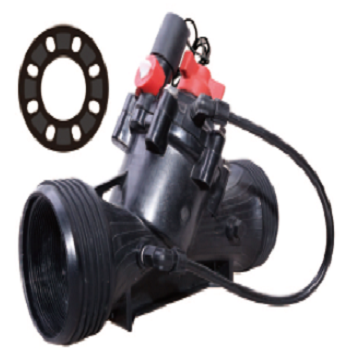
Choosing between a normally open and normally closed solenoid valve is one of the most critical decisions in fluid control system design. The solenoid valve configuration you select directly impacts system safety, energy consumption, reliability, and operational flexibility. Understanding the fundamental differences between these two solenoid valve types and their practical implications will help you make an informed decision that aligns with your specific application requirements and safety protocols.
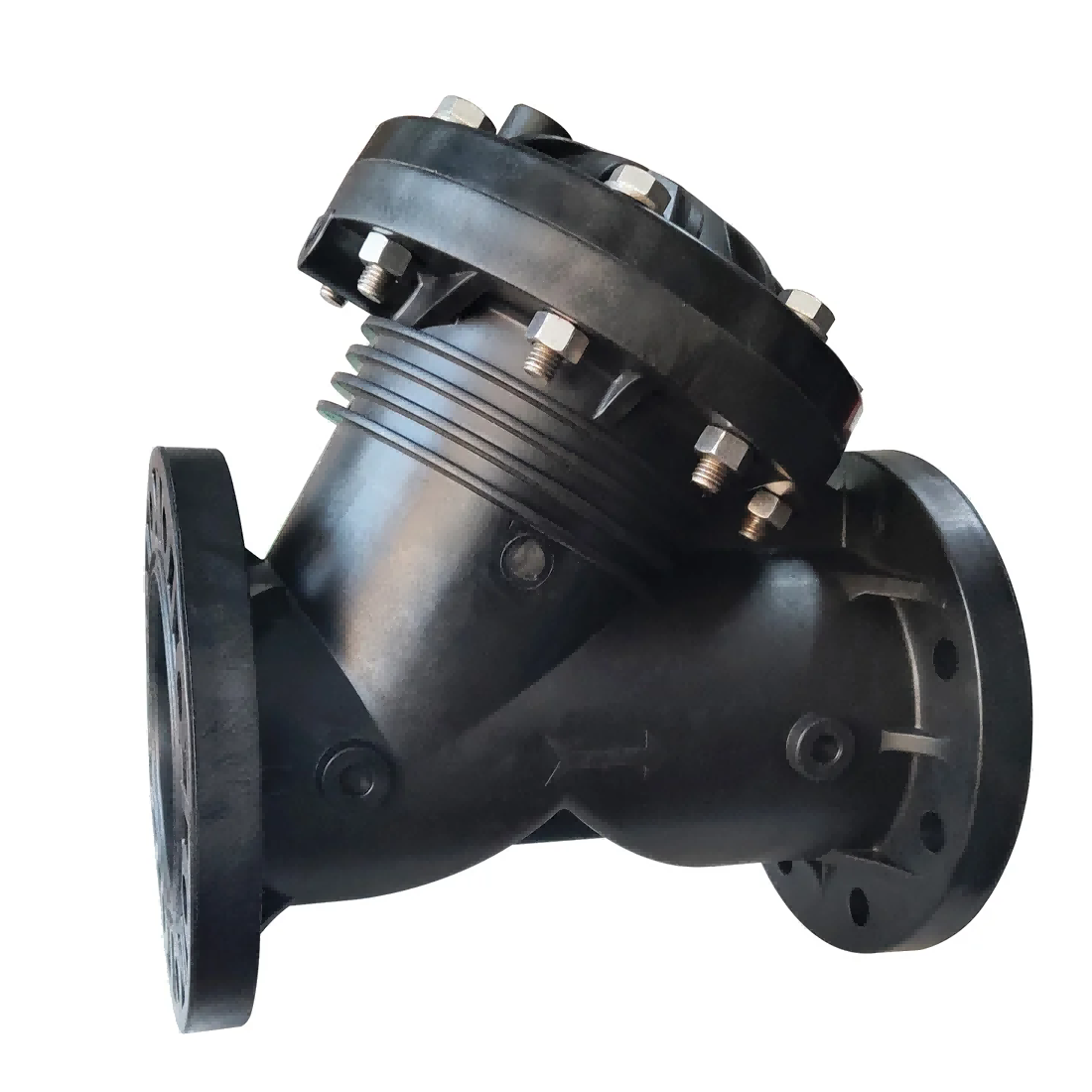
A solenoid valve operates through electromagnetic actuation to control fluid or gas flow. The terms 'normally open' and 'normally closed' refer to the valve's default state when no electrical power is supplied. This distinction is far more than a technical classification—it fundamentally shapes how your solenoid valve responds to power loss, influences energy efficiency, and determines suitability for fail-safe applications. Industrial systems, irrigation networks, and safety-critical applications depend heavily on selecting the correct solenoid valve configuration.
Understanding Normally Open Solenoid Valve Design
Default Flow State and Operation
A normally open solenoid valve allows fluid flow in its unpowered state. When you energize this solenoid valve, the electromagnetic coil pulls the plunger upward, closing the valve and stopping flow completely. This solenoid valve design means continuous fluid passage until electrical power activates closure. Many industrial processes prefer this solenoid valve configuration when interrupting flow requires active control, such as in cooling systems where you want default circulation unless cooling is not needed.
Safety and Energy Implications
The normally open solenoid valve consumes electrical power only during closure periods, making it energy-efficient for applications requiring flow in most operational cycles. However, this solenoid valve type poses potential safety risks if power loss occurs—the valve reverts to its open state, allowing uncontrolled fluid discharge. Systems using a normally open solenoid valve must incorporate secondary safety mechanisms or acceptance of default flow as a fail-safe condition. Critical applications often avoid this solenoid valve design unless fail-safe-open is the intended protective behavior.
Understanding Normally Closed Solenoid Valve Design
Default Blocking and Energized Response
A normally closed solenoid valve blocks all fluid passage in its unpowered state. Applying electrical power energizes the solenoid coil, which pulls the plunger and opens the valve to permit flow. This solenoid valve configuration means fluid remains blocked until you actively command flow by sending electrical signals. Industrial applications heavily favoring this solenoid valve type include hazardous material systems, emergency shutoff applications, and processes where default blockage provides inherent safety.
Fail-Safe and Control Advantages
The normally closed solenoid valve offers superior fail-safe behavior because power loss immediately closes the valve, stopping any flow. This solenoid valve design consumes power only while flow is permitted, and sudden power interruption automatically cuts off fluid passage. Industries handling dangerous chemicals, high-pressure systems, or critical medical applications overwhelmingly specify this solenoid valve configuration. The normally closed solenoid valve provides peace of mind that loss of electrical supply cannot cause catastrophic fluid release or system malfunction.
Selecting the Right Solenoid Valve Type for Your Application
Application-Specific Decision Criteria
Determining whether your system needs a normally open solenoid valve or a normally closed solenoid valve requires careful analysis of your operational needs and risk profile. If your solenoid valve must protect against hazardous discharge during power failure, normally closed is mandatory. If your solenoid valve supports continuous utility systems like water distribution where default flow is acceptable, normally open may suffice with supplementary controls. Irrigation and agricultural applications frequently use normally open solenoid valve designs because unpowered states simply maintain system hydration.
Power Consumption and Cost Factors
Operating costs and energy budgets differ significantly between solenoid valve types. A normally open solenoid valve energizes only during blocking periods, potentially consuming less power in high-flow-time applications. A normally closed solenoid valve energizes during all flow periods, consuming more continuous power. However, this solenoid valve power difference often matters less than fail-safe requirements or safety compliance. Many industrial facilities choose normally closed solenoid valve designs despite higher energy costs because regulatory mandates or insurance requirements demand fail-safe-closed behavior from their solenoid valve systems.
FAQ
What happens if power fails in a normally open solenoid valve?
When electrical power is lost, a normally open solenoid valve reverts to its default open state, allowing fluid to flow freely. This solenoid valve behavior can be dangerous in applications handling hazardous materials or high pressures. However, some systems intentionally design processes around fail-safe-open operation because fluid circulation during emergencies may prevent equipment damage or maintain critical cooling function despite power interruption. The solenoid valve response to power loss must align with your system's specific safety design philosophy.
Can I use a normally closed solenoid valve in place of a normally open solenoid valve?
Physical installation may allow a normally closed solenoid valve to substitute for a normally open solenoid valve mechanically, but the operational consequences are significant. Your control logic must reverse—you energize the solenoid valve to permit flow instead of to block it. This solenoid valve substitution increases power consumption during normal operation and changes fail-safe behavior entirely. If your original system design depended on fail-safe-open characteristics, replacing it with a normally closed solenoid valve creates safety issues unless control systems are reprogrammed and fail-safe protections are redesigned accordingly.
Which solenoid valve type is better for emergency shutdown systems?
Normally closed solenoid valve designs are strongly preferred for emergency shutdown applications because power loss or emergency signal automatically closes the solenoid valve and stops fluid passage. This solenoid valve configuration ensures that system malfunctions, fire events, or electrical failures all result in safe shutdown rather than uncontrolled discharge. Some safety-critical applications use dual-redundant normally closed solenoid valve banks or solenoid valve configurations with manual override capabilities to guarantee shutdown reliability even if primary solenoid valve mechanisms fail.
