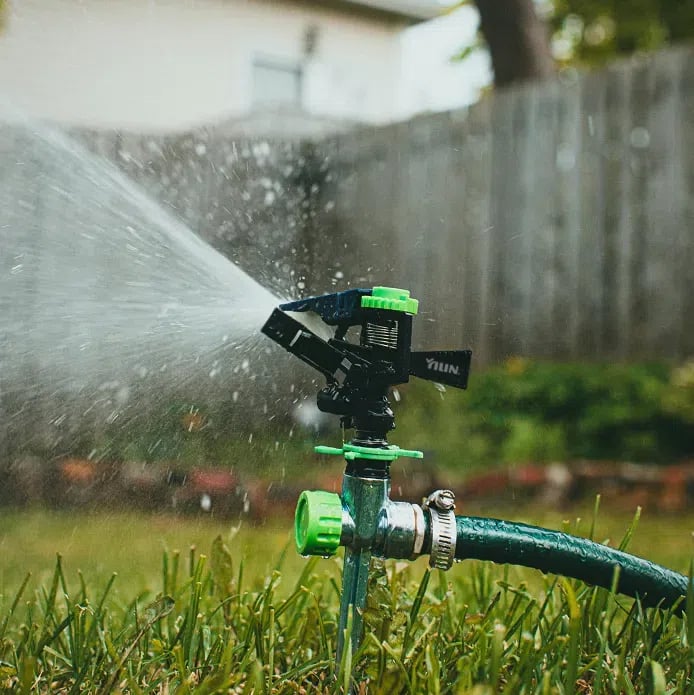
A smart irrigation controller transforms how homeowners manage garden watering by automating schedules based on weather conditions, soil moisture, and plant needs. Unlike traditional timers that run on fixed schedules regardless of rainfall or temperature changes, a smart irrigation controller adapts in real time, reducing water waste while maintaining healthy plants. For home gardeners seeking efficiency, cost savings, and environmental responsibility, choosing the right smart irrigation controller has become essential in 2026.
The modern smart irrigation controller market offers diverse options tailored to different garden sizes, climates, and technical comfort levels. From WiFi-enabled systems that integrate with mobile apps to weather-responsive devices that require minimal setup, homeowners can now select a smart irrigation controller that fits their specific landscape and lifestyle. Understanding the key features, installation requirements, and performance metrics helps ensure you invest in a solution that delivers measurable results.
How a Smart Irrigation Controller Works
Weather-Based Intelligence and Adaptive Scheduling
A smart irrigation controller connects to local weather data through WiFi or cellular networks, automatically adjusting watering schedules when rain is forecasted or temperatures drop. This weather-responsive capability is the core innovation that separates a smart irrigation controller from conventional timers. Real-time data integration means your system reduces irrigation during rainy periods, preventing overwatering and protecting root systems from disease and rot.
The smart irrigation controller analyzes historical weather patterns, seasonal changes, and local climate forecasts to predict optimal watering windows. Machine learning algorithms embedded in premium smart irrigation controller models improve accuracy over time, learning your garden's specific drainage patterns and plant composition. This predictive approach can reduce water consumption by 20 to 50 percent compared to fixed-schedule irrigation.
Soil Moisture Sensing and Plant-Specific Watering
Advanced smart irrigation controller systems include soil moisture sensors that measure water content at the root zone, sending signals to the controller to activate or pause irrigation cycles. This soil-based feedback mechanism ensures plants receive water only when needed, preventing both drought stress and waterlogging. A smart irrigation controller with multiple moisture sensors can manage different plant zones independently, accommodating both thirsty vegetable beds and drought-tolerant ornamental sections.
Each zone within a smart irrigation controller can be programmed with plant-specific parameters such as grass, shrubs, vegetables, or flower beds. The smart irrigation controller cross-references soil moisture readings against these plant profiles to calculate precise water delivery amounts and timing. This granular control transforms irrigation from a one-size-fits-all approach into a customized ecosystem management tool.
Key Features to Evaluate When Selecting a Smart Irrigation Controller
Connectivity, App Control, and Integration Capabilities
The best smart irrigation controller for your home garden offers seamless smartphone app integration, allowing you to monitor and adjust watering from anywhere. WiFi-enabled smart irrigation controller models sync with your home network, while cellular options provide connectivity even if your home WiFi is unreliable. Look for a smart irrigation controller that supports voice commands through Alexa or Google Home, enabling hands-free adjustments during busy seasons.
Integration with other smart home systems amplifies the value of your smart irrigation controller investment. Advanced models connect with weather APIs, weather stations, and home automation hubs, creating an interconnected landscape management ecosystem. Verify that your chosen smart irrigation controller uses secure encryption and multi-factor authentication to protect your account and irrigation data.
Zone Capacity, Valve Count, and System Scalability
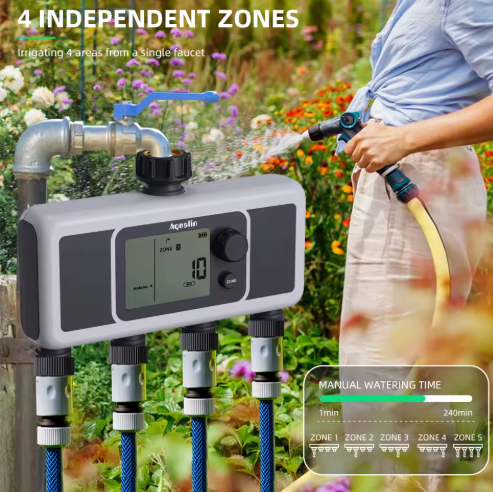
Home gardens vary dramatically in size and complexity, making zone capacity a critical evaluation factor for any smart irrigation controller. A smart irrigation controller with 4 to 8 zones suits most residential properties, while larger estates or complex gardens may require a smart irrigation controller with 12 or more independently controllable zones. Ensure your smart irrigation controller can accommodate future expansion if you plan landscaping additions.
Each zone within a smart irrigation controller operates through a dedicated solenoid valve that opens and closes based on programmed schedules and sensor data. The reliability and responsiveness of these valves directly impact your smart irrigation controller's performance consistency. Premium smart irrigation controller models use industrial-grade solenoid valves rated for thousands of cycles, ensuring years of dependable operation.
Installation Complexity and Professional vs. DIY Setup
Installation requirements significantly influence the total cost and timeline for deploying a smart irrigation controller in your garden. Simple smart irrigation controller models mount on exterior walls and connect to existing irrigation lines with basic plumbing fittings, enabling confident DIY installation for homeowners with minimal experience. Complex smart irrigation controller systems may require trenching, valve box installation, and integration with existing in-ground irrigation networks, warranting professional installation.
Evaluate whether your chosen smart irrigation controller includes comprehensive installation guides, video tutorials, and customer support channels. Some manufacturers offer complimentary professional installation or consultation, adding value to the initial purchase of a smart irrigation controller. Clarify warranty terms, technical support availability, and troubleshooting resources before committing to a specific smart irrigation controller model.
Real-World Benefits and Performance Outcomes
Water Conservation and Environmental Impact
Implementing a smart irrigation controller typically reduces landscape water consumption by 30 to 50 percent, representing significant environmental benefits and utility savings for homeowners. Weather-responsive adjustments automatically prevent irrigation during rain, while soil moisture feedback eliminates wasteful overwatering. A smart irrigation controller contributes meaningfully to drought-resilience strategies in water-stressed regions and supports local conservation initiatives.
The cumulative water savings from a smart irrigation controller translate into measurable cost reductions on monthly water bills, often recovering the equipment investment within 2 to 3 years. Beyond direct utility savings, a smart irrigation controller reduces strain on municipal water systems during peak demand periods, supporting community water security. Homeowners with smart irrigation controller systems often qualify for water utility rebates or conservation incentives offered by local governments.
Plant Health Improvements and Landscape Aesthetics
Consistent, data-driven watering enabled by a smart irrigation controller promotes more vigorous plant growth and enhanced visual appeal compared to manual or traditional timer-based irrigation. Optimal hydration reduces plant stress during heat waves and strengthens root systems, improving disease resistance and longevity. A smart irrigation controller's precise delivery minimizes leaf burn, fungal issues, and nutrient leaching that occur with excessive or poorly timed watering.
Lawn quality noticeably improves when managed by a smart irrigation controller, with more uniform coloration, denser turf coverage, and reduced dormancy during drought conditions. Vegetable and fruit gardens flourish under the consistent moisture management provided by a smart irrigation controller, yielding larger harvests and higher-quality produce. These aesthetic and productivity gains make a smart irrigation controller a worthwhile investment for homeowners who value their landscape.
FAQ
Can I install a smart irrigation controller myself without professional help?
Yes, many homeowners successfully install a smart irrigation controller independently if they have basic plumbing skills and clear instructions. Surface-mounted smart irrigation controller models that connect to existing hoses or above-ground lines require minimal tools and expertise. However, integrating a smart irrigation controller into existing in-ground systems or complex valve networks may require professional installation for optimal performance and warranty compliance.
How much water can a smart irrigation controller save compared to traditional timers?
A smart irrigation controller typically reduces water consumption by 30 to 50 percent by eliminating unnecessary irrigation during rain and adjusting schedules based on real-time weather and soil conditions. Actual savings depend on your climate, garden layout, and the specific features of your smart irrigation controller model. Most homeowners recoup their smart irrigation controller investment within 2 to 3 years through reduced water bills.
What happens to my smart irrigation controller if my WiFi goes down?
Most smart irrigation controller models include built-in schedules and sensor logic that continue operating independently if WiFi connectivity is temporarily lost. Your smart irrigation controller will execute pre-programmed watering cycles and respond to soil moisture sensors even without internet access. Once WiFi reconnects, your smart irrigation controller automatically syncs with cloud-based data and resumes weather-responsive adjustments.
