
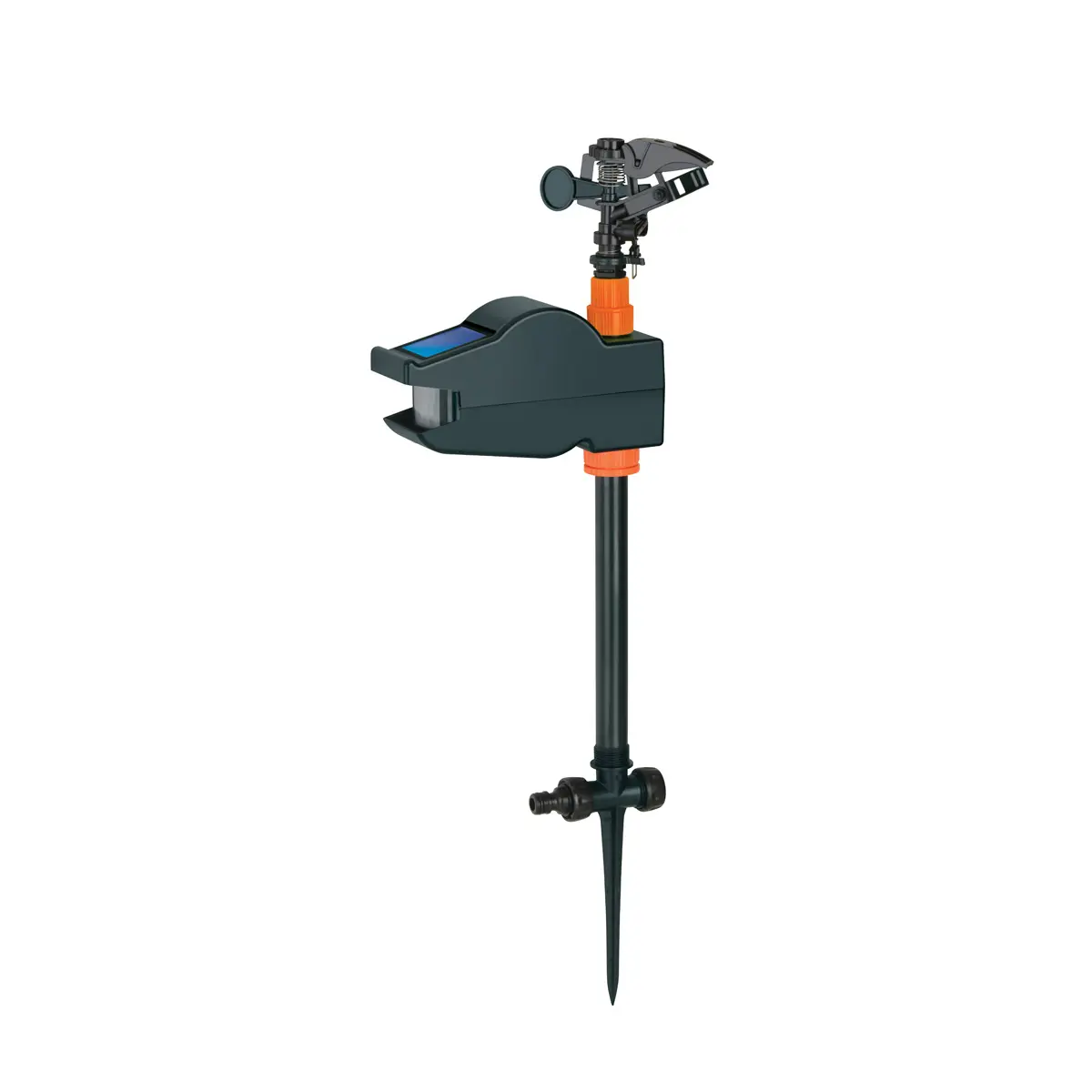
Selecting the right water timer manufacturer is a critical decision that can significantly impact your brand's success in the irrigation and gardening market. The water timer industry has experienced substantial growth as consumers increasingly seek automated watering solutions for their gardens, landscapes, and agricultural operations. When evaluating potential manufacturing partners, understanding the key factors that differentiate exceptional water timer manufacturer companies from average ones becomes essential for making informed decisions that align with your business objectives.
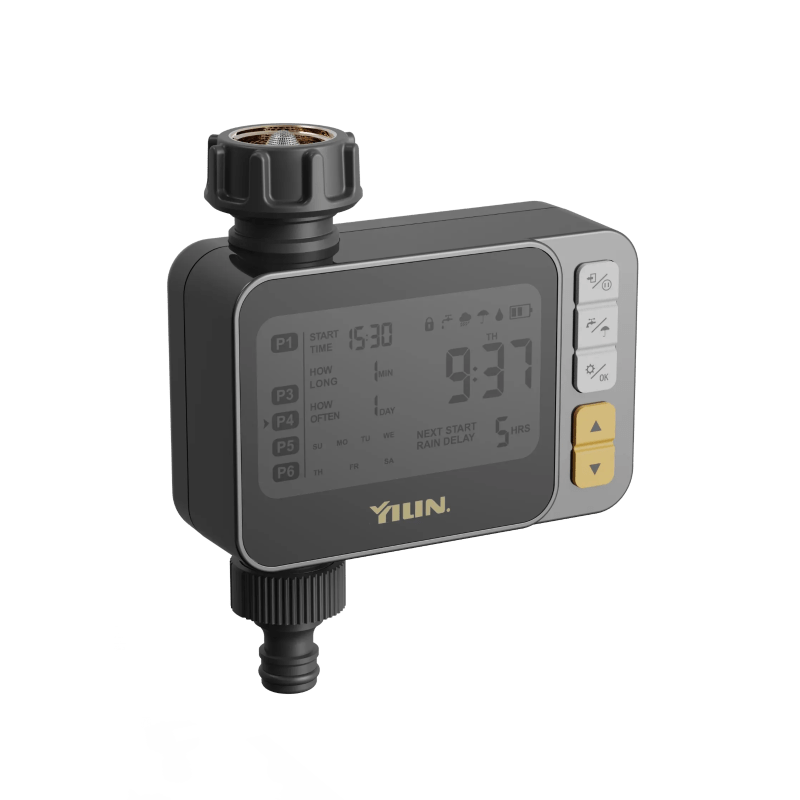
The global water timer market continues to expand as environmental consciousness drives demand for efficient irrigation systems. Modern consumers expect sophisticated features, reliable performance, and competitive pricing from water timer products. This creates both opportunities and challenges for brands seeking to establish themselves in this competitive landscape through strategic manufacturer partnerships.
Manufacturing Capabilities and Production Quality Standards
Advanced Production Facilities and Equipment
A reputable water timer manufacturer should possess state-of-the-art production facilities equipped with modern injection molding machines, precision assembly lines, and automated quality control systems. These facilities demonstrate the manufacturer's commitment to producing consistent, high-quality products that meet international standards. Advanced manufacturing equipment enables precise component production, reducing defect rates and ensuring reliable performance across product lines.
The production capacity of your chosen water timer manufacturer directly affects your ability to scale operations and meet market demands. Manufacturers with flexible production lines can accommodate varying order sizes while maintaining quality standards. This flexibility proves invaluable when launching new products or responding to seasonal demand fluctuations in the irrigation market.
Quality Assurance Protocols and Certifications
Comprehensive quality assurance protocols distinguish professional water timer manufacturer operations from substandard facilities. Look for manufacturers implementing ISO 9001 quality management systems, which provide structured approaches to quality control throughout the production process. These systems ensure consistent product quality while facilitating continuous improvement initiatives.
International certifications such as CE, FCC, and RoHS compliance indicate that the water timer manufacturer adheres to global safety and environmental standards. These certifications not only ensure product safety but also facilitate market entry in various international markets. Manufacturers maintaining multiple certifications demonstrate their commitment to meeting diverse regulatory requirements across different regions.
Technical Expertise and Innovation Capabilities
Research and Development Infrastructure
Leading water timer manufacturer companies invest significantly in research and development to stay competitive in the evolving irrigation technology landscape. A strong R&D department enables manufacturers to develop innovative features such as smart connectivity, advanced programming options, and improved durability. This technical expertise translates into products that meet current market demands while anticipating future trends.
The engineering team's expertise at your selected water timer manufacturer determines the feasibility of custom product development and modifications. Experienced engineers can optimize designs for manufacturability, cost-effectiveness, and performance enhancement. This technical capability becomes particularly valuable when developing proprietary features or adapting products for specific market segments.
Product Customization and Design Services
Flexibility in product customization allows brands to differentiate themselves in competitive markets. A capable water timer manufacturer should offer comprehensive design services, including custom housing designs, specialized programming interfaces, and unique feature integration. This customization capability enables brands to create distinctive products that align with their market positioning and customer preferences.
The manufacturer's design team should demonstrate proficiency in various aspects of product development, including mechanical design, electronic circuit development, and user interface optimization. These capabilities ensure that custom products maintain functionality while meeting aesthetic and performance requirements specific to your brand's needs.
Supply Chain Management and Reliability
Component Sourcing and Vendor Relationships
Effective supply chain management by your water timer manufacturer directly impacts product availability, pricing stability, and quality consistency. Manufacturers with established relationships with component suppliers can secure better pricing, ensure timely deliveries, and maintain quality standards throughout the supply chain. These relationships prove crucial during periods of component shortages or market disruptions.
Diversified supplier networks reduce dependency risks and provide flexibility in component selection. A professional water timer manufacturer should maintain relationships with multiple suppliers for critical components while implementing rigorous vendor qualification processes. This approach ensures supply continuity while maintaining quality standards across different supplier sources.
Inventory Management and Order Fulfillment
Efficient inventory management systems enable water timer manufacturer companies to respond quickly to order requests while minimizing carrying costs. Modern manufacturers utilize advanced inventory management software to track component levels, predict demand patterns, and optimize production schedules. These systems contribute to shorter lead times and improved order accuracy.
Flexible order fulfillment capabilities accommodate varying customer needs, from small prototype orders to large production runs. The manufacturer's ability to handle different order sizes efficiently affects your inventory management strategies and cash flow requirements. Look for manufacturers offering transparent communication regarding production schedules and delivery timelines.
Regulatory Compliance and International Standards
Safety and Environmental Regulations
Compliance with safety regulations ensures that water timer products meet minimum performance and safety requirements in target markets. A responsible water timer manufacturer maintains current knowledge of applicable regulations and implements appropriate testing protocols to verify compliance. This proactive approach prevents costly regulatory issues and potential product recalls.
Environmental compliance becomes increasingly important as regulations evolve to address sustainability concerns. Manufacturers demonstrating commitment to environmental responsibility through waste reduction programs, energy-efficient operations, and sustainable material selection align with growing market demands for environmentally conscious products.
International Market Access Requirements
Different international markets impose varying certification requirements for water timer products. Your chosen water timer manufacturer should understand these requirements and possess necessary certifications for your target markets. This knowledge prevents delays in market entry and ensures products meet local regulatory standards.
Documentation and testing capabilities supporting international certifications demonstrate the manufacturer's commitment to global market access. Manufacturers maintaining relationships with certified testing laboratories can expedite certification processes and provide necessary documentation for regulatory submissions.
Cost Structure and Value Proposition
Transparent Pricing Models
Understanding the cost structure of your water timer manufacturer enables accurate pricing strategies and profit margin calculations. Transparent pricing models should clearly identify costs associated with materials, labor, tooling, and additional services. This transparency facilitates informed decision-making regarding product specifications and order quantities.
Volume-based pricing structures reward larger orders while providing predictable cost reduction pathways as sales volumes increase. Manufacturers offering structured pricing tiers enable better financial planning and support business growth strategies. Consider manufacturers providing long-term pricing stability to support multi-year business planning initiatives.
Total Cost of Ownership Considerations
Evaluating total cost of ownership extends beyond initial product pricing to include factors such as quality consistency, warranty support, and long-term reliability. A reliable water timer manufacturer may command premium pricing but deliver superior value through reduced defect rates, comprehensive support services, and consistent product availability.
Hidden costs such as tooling charges, minimum order quantities, and shipping arrangements significantly impact overall project costs. Thorough evaluation of these factors during manufacturer selection prevents unexpected expenses and enables accurate project budgeting. Request detailed cost breakdowns including all associated fees and charges.
Communication and Partnership Approach
Customer Service and Technical Support
Effective communication channels between your organization and the water timer manufacturer facilitate smooth project execution and rapid issue resolution. Manufacturers providing dedicated account management and technical support teams demonstrate commitment to customer success. These relationships prove valuable during product development phases and ongoing production support.
Technical support capabilities should extend beyond basic customer service to include engineering consultation, troubleshooting assistance, and product optimization recommendations. This level of support enables continuous improvement initiatives and helps address technical challenges that may arise during product development or market introduction phases.
Long-term Partnership Potential
Building strategic partnerships with water timer manufacturer companies creates opportunities for collaborative innovation and mutual business growth. Manufacturers demonstrating genuine interest in long-term relationships often provide preferential treatment regarding pricing, capacity allocation, and development priorities. These partnerships can yield significant competitive advantages over time.
Alignment of business objectives and values between your organization and the manufacturer strengthens partnership potential. Consider manufacturers sharing similar commitments to quality, innovation, and customer satisfaction. These shared values facilitate smoother collaboration and reduce potential conflicts during challenging situations.
FAQ
What minimum order quantities should I expect from a water timer manufacturer
Minimum order quantities vary significantly among water timer manufacturer companies, typically ranging from 500 to 5,000 units depending on product complexity and customization requirements. Standard products generally have lower minimums, while custom designs require larger initial orders to justify tooling costs. Discuss minimum order requirements early in negotiations to ensure alignment with your inventory and cash flow capabilities.
How long does typical product development take with a water timer manufacturer
Product development timelines depend on complexity levels and customization requirements, typically ranging from 8 to 16 weeks for standard modifications and 12 to 24 weeks for completely custom designs. Factors affecting development time include tooling requirements, certification needs, and testing protocols. Experienced water timer manufacturer teams can provide accurate timeline estimates based on specific project requirements and complexity assessments.
What quality certifications are most important for water timer products
Essential certifications for water timer products include CE marking for European markets, FCC compliance for North American markets, and RoHS compliance for environmental safety. Additional certifications such as IP ratings for water resistance and UL listings for safety may be required depending on target markets and applications. Your water timer manufacturer should maintain current certifications relevant to your intended market segments.
How can I verify the manufacturing capabilities of potential water timer manufacturer partners
Verify manufacturing capabilities through facility visits, reference customer contacts, and sample product evaluations. Request detailed information about production equipment, quality control processes, and certification documentation. Additionally, consider third-party audits or assessments to validate claimed capabilities and ensure the water timer manufacturer meets your quality and reliability requirements before committing to partnership agreements.
Table of Contents
- Manufacturing Capabilities and Production Quality Standards
- Technical Expertise and Innovation Capabilities
- Supply Chain Management and Reliability
- Regulatory Compliance and International Standards
- Cost Structure and Value Proposition
- Communication and Partnership Approach
-
FAQ
- What minimum order quantities should I expect from a water timer manufacturer
- How long does typical product development take with a water timer manufacturer
- What quality certifications are most important for water timer products
- How can I verify the manufacturing capabilities of potential water timer manufacturer partners
